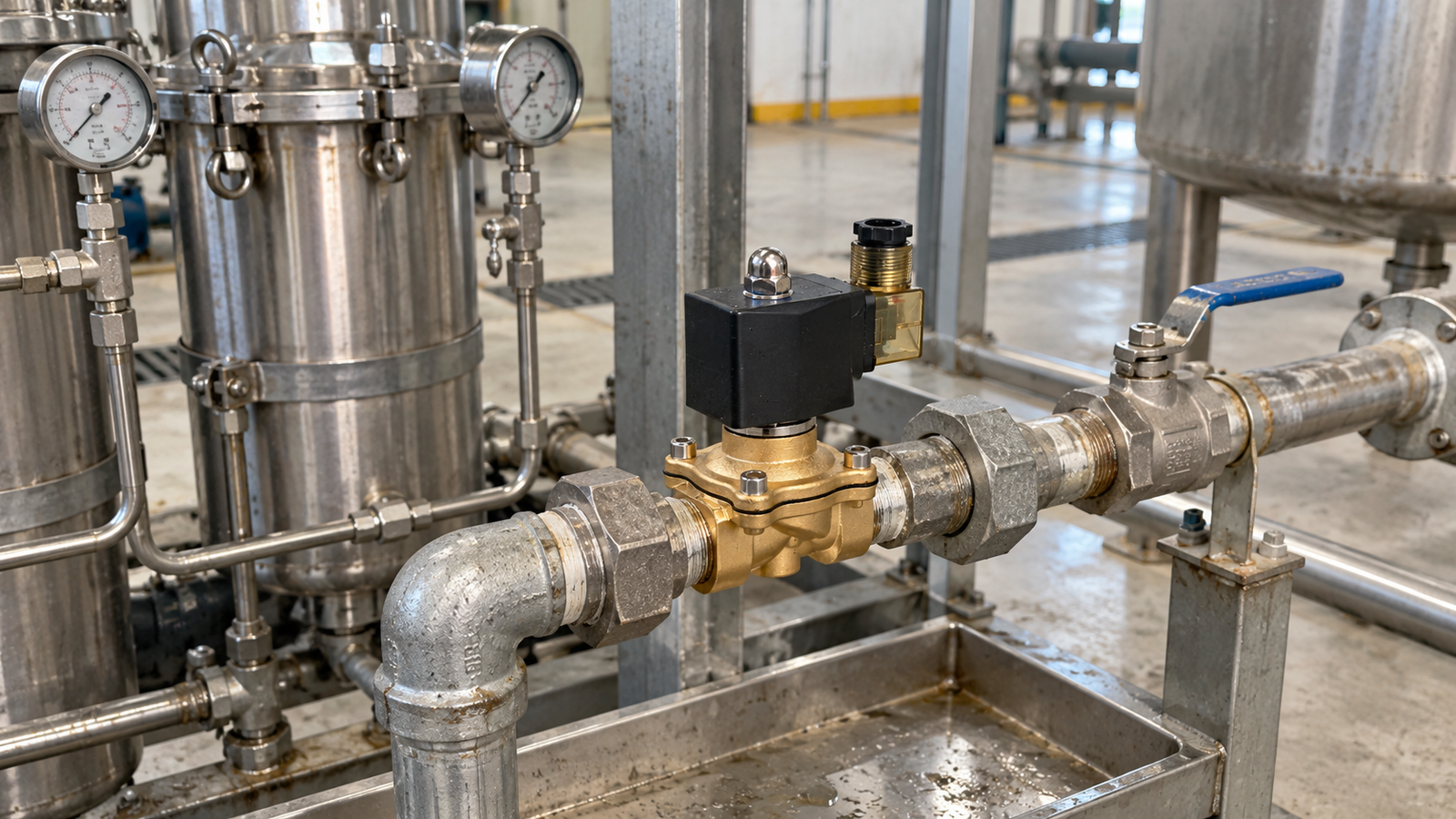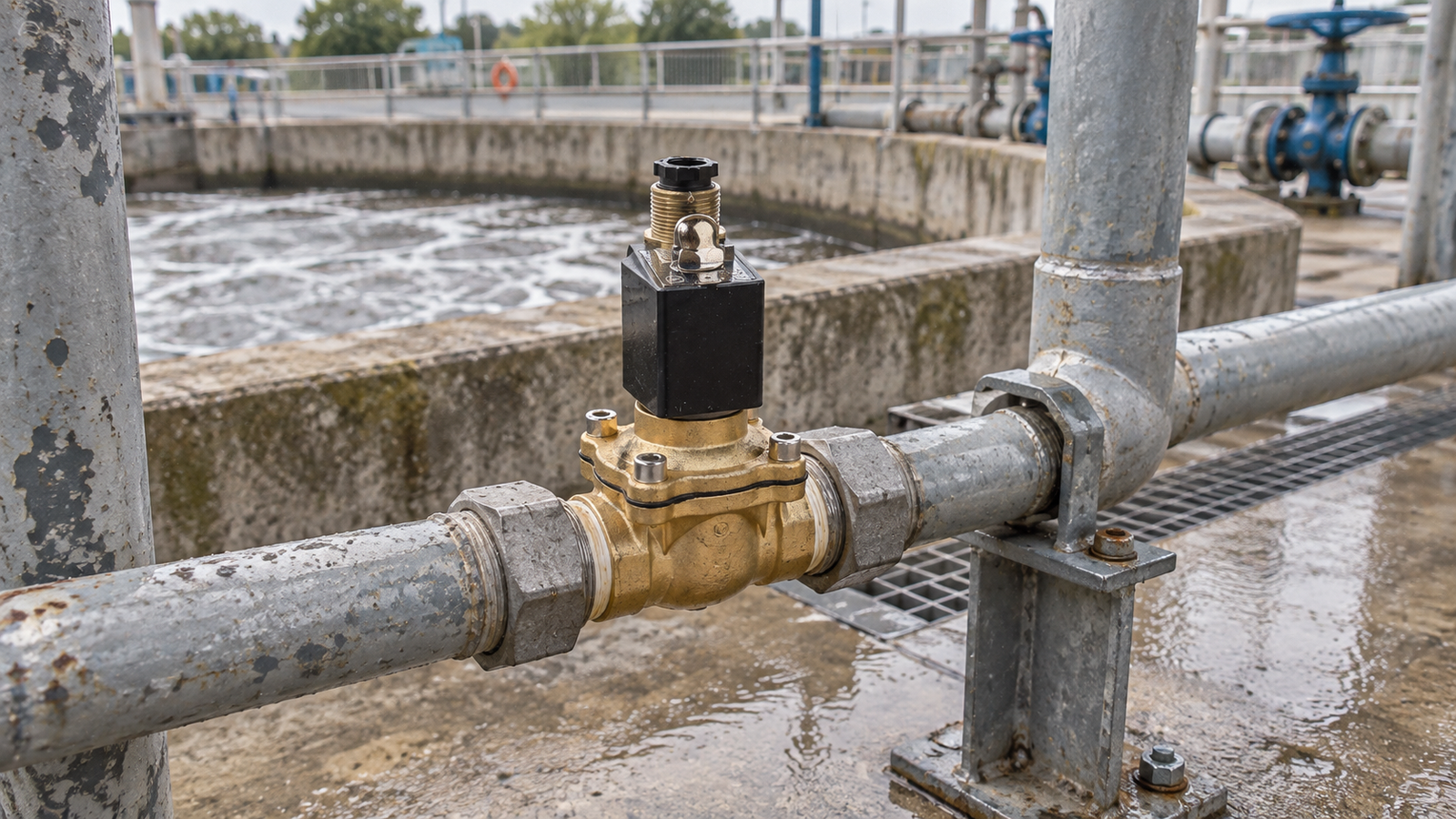
While most solenoid valves are normally closed (NC), there are many industrial applications where a normally open (NO) solenoid valve is the better and safer choice. Understanding when and why to use a normally open valve can help improve system reliability, reduce downtime, and protect important equipment.
This article explains what a normally open solenoid valve is, how it works, and when you should choose it — all in clean, natural English.
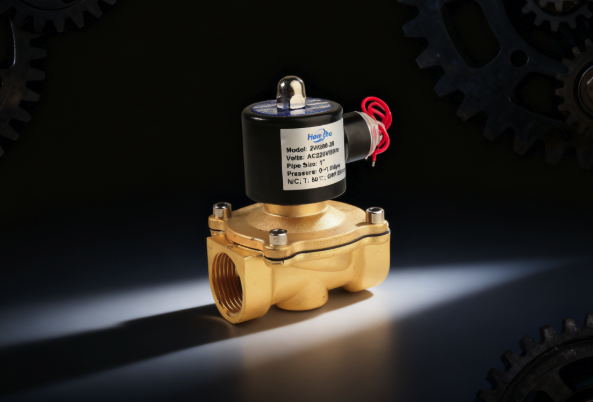
1. What Does “Normally Open” Mean?
A normally open (NO) solenoid valve is open when no electrical power is applied.
- Power OFF → valve stays open → fluid can flow
- Power ON → valve closes → fluid is blocked
This is the opposite of a normally closed valve.
A normally open valve is used when your system must maintain flow during a power failure.
2. How a Normally Open Solenoid Valve Works
The basic structure is similar to any other solenoid valve, with a coil and a spring-loaded plunger.
Power OFF (Open)
- The spring lifts or keeps the plunger away from the seat
- The orifice is open
- Medium flows freely through the valve
Power ON (Closed)
- The coil creates a magnetic field
- The plunger is pulled into the seat
- The valve closes
- Flow stops
This simple mechanism ensures reliable switching in both directions.
3. Direct Acting vs Pilot Operated NO Valves
Direct Acting
- Works at 0 pressure
- Good for low-pressure or gravity-fed systems
- Used in small or precise flow applications
Pilot Operated
- Requires minimum pressure (e.g., 0.3–0.5 bar)
- Higher flow rates
- Used in general industrial water and air systems
As always, pressure conditions determine which type you should choose.
4. When Should You Use a Normally Open Solenoid Valve?
Choose an NO valve when continuous flow is required for safety or performance.
Common industrial applications:
Cooling and chillers
If cooling stops during a power outage, equipment can overheat.
NO valves keep coolant flowing even when power is lost.
Lubrication systems
Lubricant must continue flowing to protect pumps, bearings, and motors.
Vent or exhaust systems
Some systems must stay open to release pressure for safety.
Fail-safe flow conditions
If the safe state is “flow continues,” then normally open is correct.
Bypass or recirculation loops
Used in systems that must not block fluid even during downtime.
5. Advantages of Normally Open Valves
- Maintains flow during power failure
- Protects heat-sensitive or load-sensitive equipment
- Reduces risk of overheating or mechanical wear
- Simple and fast switching
- Available in brass, stainless steel, and plastic
- Works with water, air, oil, gas, and chemicals
For many processes, they provide essential fail-safe protection.
6. Key Selection Tips
When choosing a normally open solenoid valve, check:
- Medium type (water, air, oil, gas, steam)
- Pressure range (especially minimum pressure)
- Temperature (both ambient and fluid)
- Valve size and orifice (Cv/Kv)
- Material (brass, SS304, SS316, PVC, PTFE)
- Voltage (12VDC, 24VDC, 110VAC, 220VAC)
- Direct acting or pilot operated
- Installation position and environment
Matching these ensures reliable performance and longer service life.
Final Thoughts
A normally open solenoid valve is the right choice when uninterrupted flow is essential. In cooling, lubrication, and venting systems, choosing NO instead of NC can prevent costly failures and protect critical equipment.
If you want your next article to cover steam-rated valves, IP protection levels, valve materials, common failures, or industry-specific applications, just let me know — I can write a new SEO-optimized blog anytime。