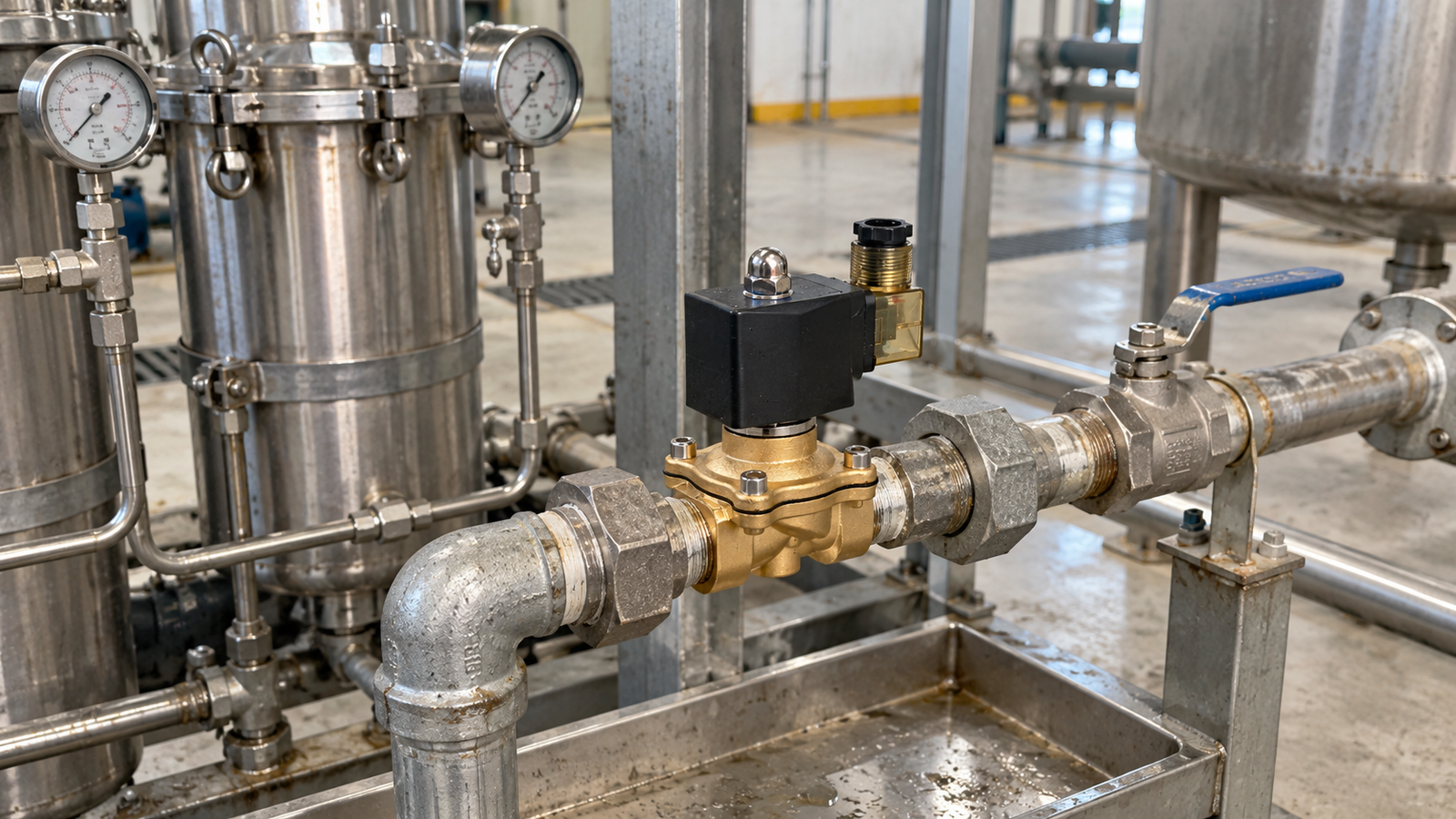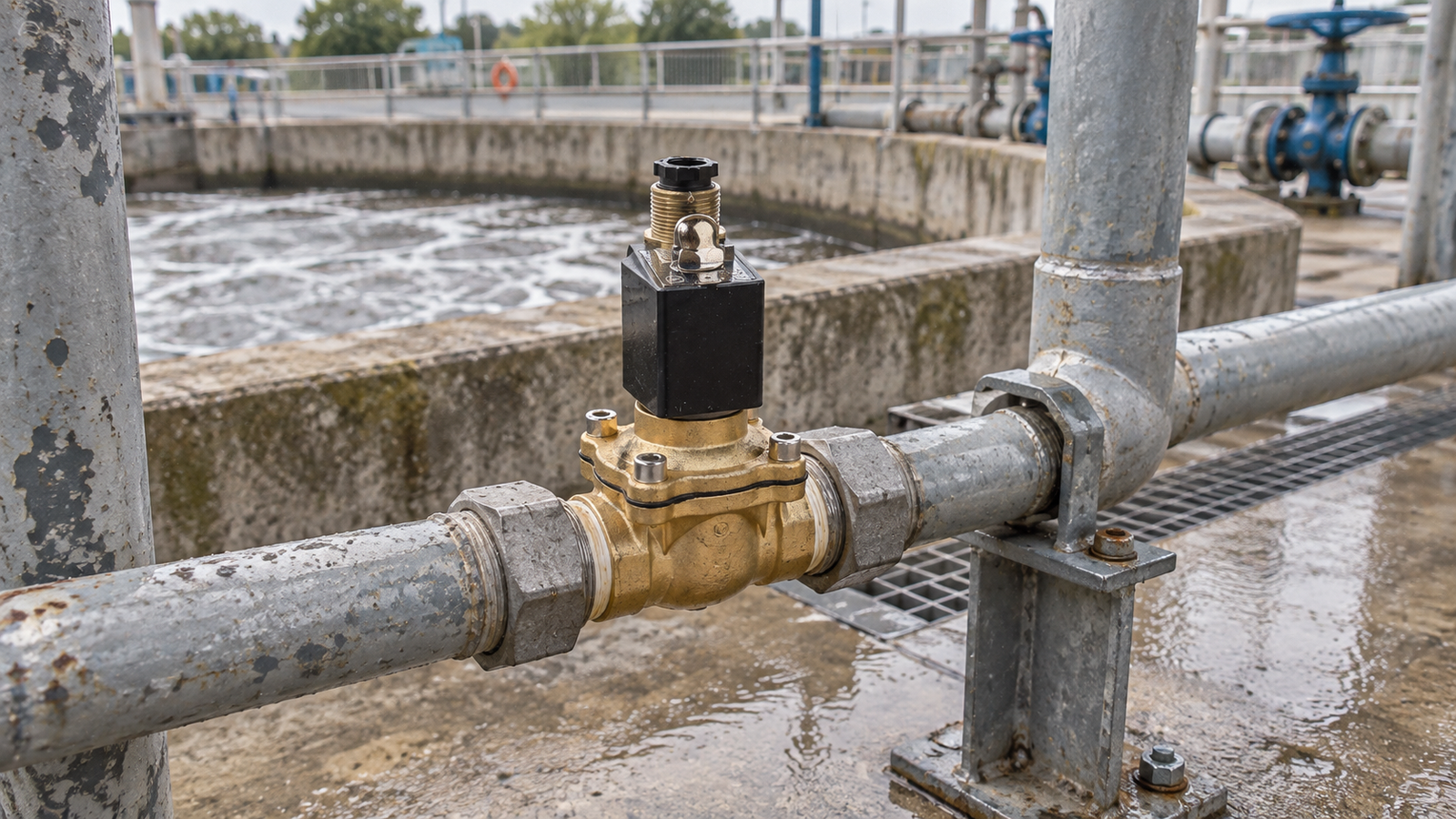
Water hammer is a common issue in fluid control systems, especially when using solenoid valves, which open and close very quickly. The sudden stop or change in flow can create a loud banging noise, vibration, or even damage to pipes, fittings, and equipment.
This article explains what water hammer is, why it happens with solenoid valves, and how to prevent it — all in simple, easy-to-understand English for industrial users.
1. What Is Water Hammer?
Water hammer (also called hydraulic shock) is a pressure surge caused when a fluid in motion is suddenly forced to stop or change direction.
It often sounds like:
- A loud bang
- A hammer hitting the pipe
- Vibration or rattling
In severe cases, water hammer can:
- Damage pipes
- Break fittings
- Loosen valves
- Reduce system life
- Cause leaks
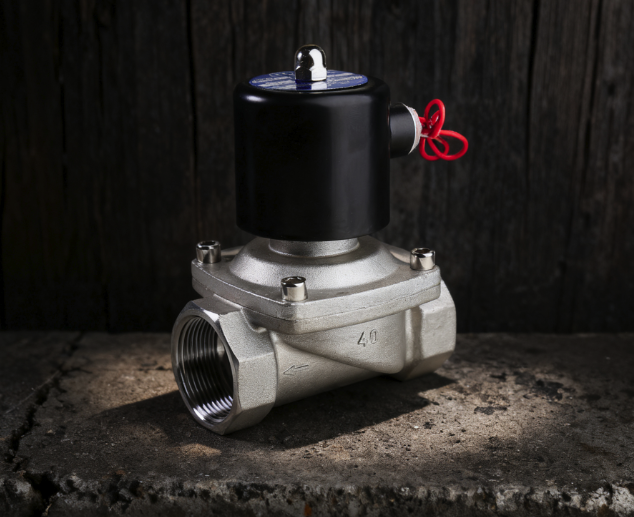
Solenoid valves are especially associated with water hammer because they operate very quickly.
2. Why Solenoid Valves Cause Water Hammer
Solenoid valves open and close instantaneously — sometimes in less than 50 milliseconds.
This fast action can cause:
- Sudden pressure spikes
- Shock waves inside the pipeline
- High-speed fluid slamming into a closed valve
The risk increases when:
- The fluid velocity is high
- The pipeline is long
- Pressure is high
- The valve is installed near a pump outlet
Understanding these factors helps select the right solution.
3. Symptoms of Water Hammer in a System
Industrial users often notice:
- “Bang” or “knock” sounds
- Shaking pipes
- Vibration near the solenoid valve
- Damage to joint seals
- Pressure gauge fluctuations
If ignored, it can lead to expensive repairs.
4. How to Prevent Water Hammer When Using Solenoid Valves
Below are effective ways to reduce or eliminate water hammer.
1. Use a Slow-Closing Solenoid Valve
Some solenoid valves are designed with slow-closing mechanisms that reduce pressure spikes.
Benefits:
- Smooth flow shutoff
- Reduced shock
- Longer pipeline life
Ideal for:
- High-pressure water systems
- Long pipelines
- Sensitive installations
2. Reduce Flow Velocity
High-speed flow makes water hammer more severe.
You can reduce flow by:
- Selecting a valve with a larger orifice
- Increasing pipe diameter
- Reducing pump output
Lower velocity = smaller pressure shock.
3. Install a Water Hammer Arrestor
A water hammer arrestor is a small device that absorbs pressure spikes.
Benefits:
- Protects valves, fittings, and equipment
- Easy to install
- Effective for both hot and cold water systems
It is one of the most reliable solutions.
4. Use Flexible Hoses or Cushioned Mounts
Rigid pipes transmit shock more easily.
Flexible connections help:
- Absorb vibration
- Reduce noise
- Protect nearby equipment
5. Place the Valve Away From the Pump Outlet
Installing a solenoid valve too close to a pump increases shock.
Move the valve:
- Farther downstream
- Into a section of stable flow
This reduces sudden pressure impact.
6. Use Pressure Relief or Air Chambers
Pressure relief devices can manage system surges.
Air chambers help absorb shock waves and prevent vibration.
5. Best Practices for Solenoid Valves in Water Systems
To minimize problems:
- Choose the correct valve type (direct acting or pilot operated)
- Ensure proper sizing (Cv/Kv)
- Avoid oversized valves
- Use the right materials for water quality
- Install filters to prevent clogging
- Follow the correct flow direction and mounting orientation
Good system design prevents most water hammer issues.
Final Thoughts
Water hammer is a common challenge when using solenoid valves, but it can be fully controlled with proper design and the right components. By selecting slow-closing valves, reducing flow velocity, and using water hammer arrestors, you can protect your system and extend equipment life.
If you want your next blog post to focus on steam-rated solenoid valves, valve installation tips, coil troubleshooting, flow coefficient (Cv/Kv) selection, or industry-specific applications, just tell me — I can write the next one anytime。