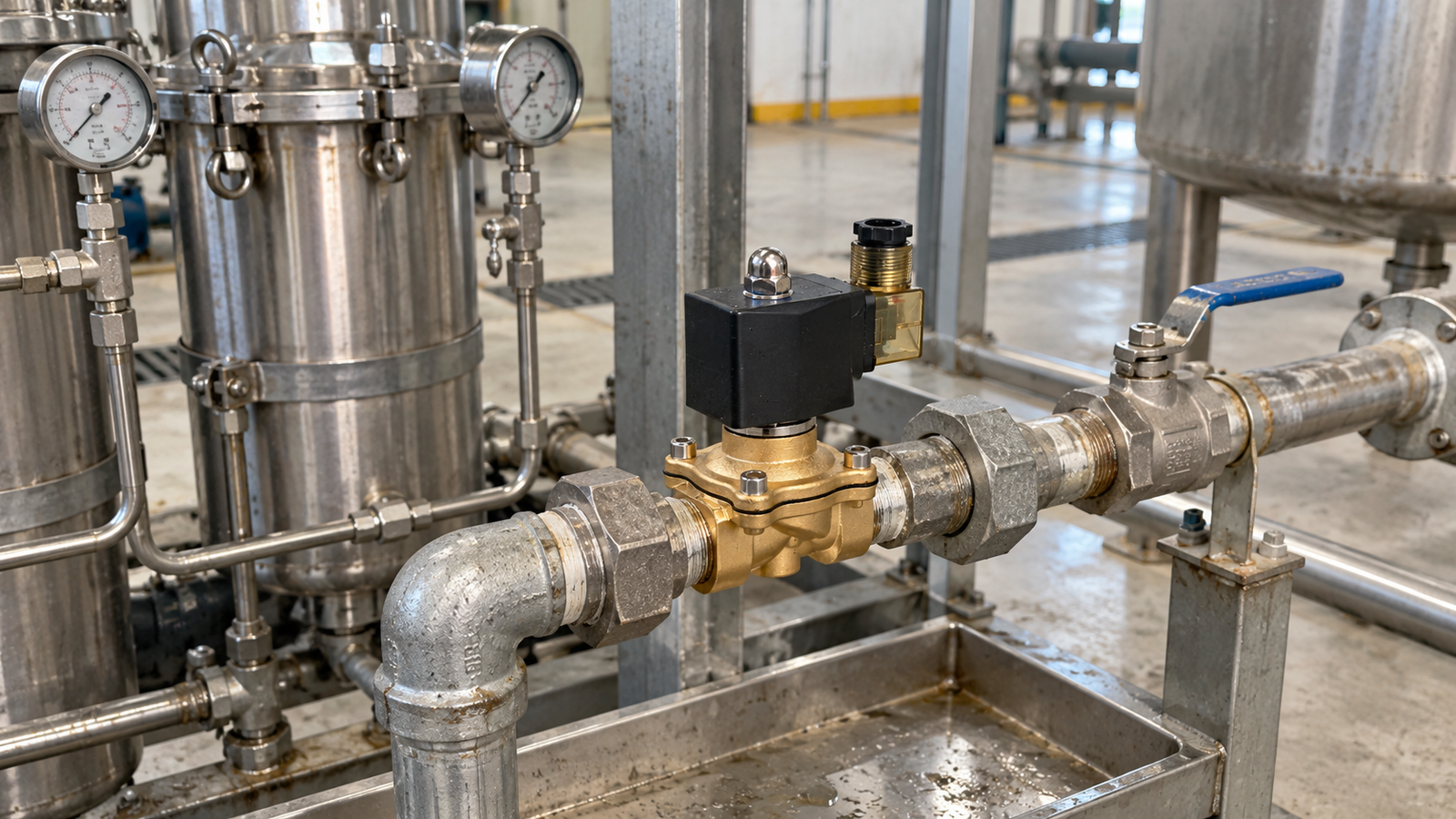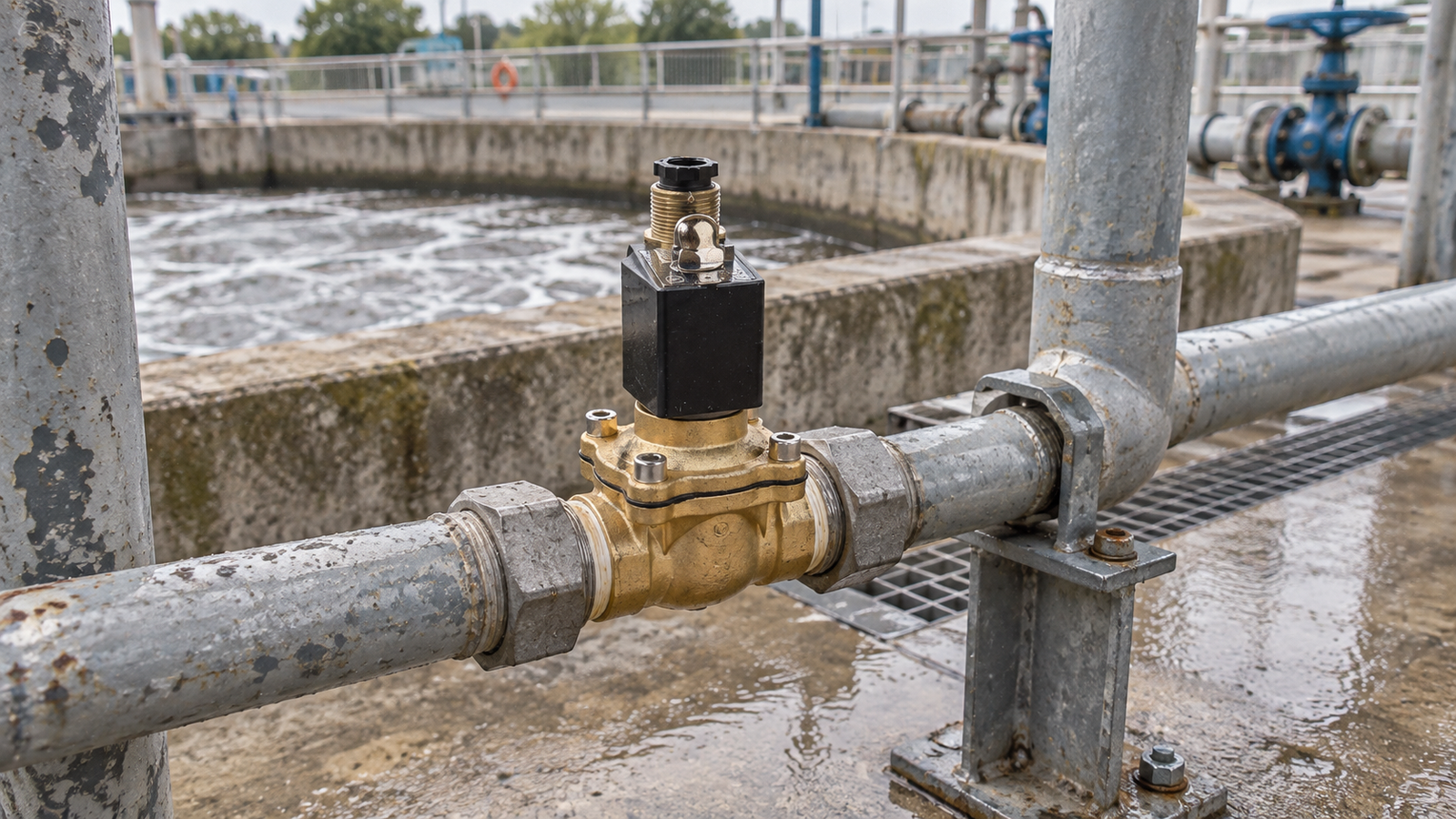
Fluid control systems are a cornerstone in various industries, ranging from manufacturing and chemical processing to food and beverage production. Solenoid valves, which are used to control the flow of liquids and gases, play a critical role in ensuring that these systems run efficiently. The correct selection of solenoid valves is key to optimizing system performance, reducing downtime, and maintaining safety.
This article outlines the key factors to consider when choosing the right solenoid valve for fluid control applications.
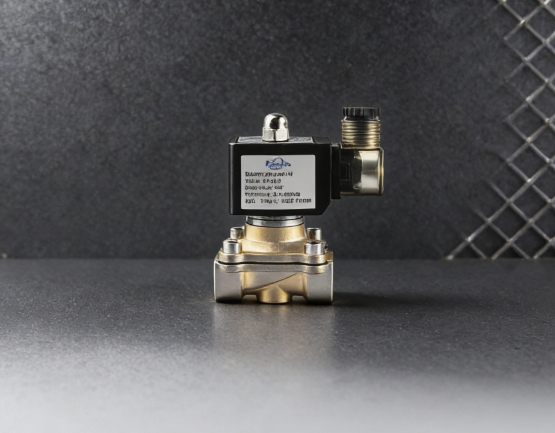
1. Understand Your System’s Fluid Characteristics
Before selecting a solenoid valve, it is essential to understand the nature of the fluid that will pass through the valve. The properties of the fluid, such as its viscosity, temperature, and chemical composition, directly impact the valve’s performance and longevity.
Key considerations:
- Viscosity: Thicker fluids require larger or specialized solenoid valves to handle the flow without clogging.
- Temperature: Ensure the valve can withstand the temperature range of the fluid, especially if it involves hot liquids or gases.
- Corrosiveness: Choose materials that are resistant to corrosion if your system handles aggressive chemicals or corrosive fluids.
2. Material Selection for Valve Bodies
The material of the solenoid valve body is one of the most critical factors in ensuring that the valve can handle the fluid and environmental conditions of your system.
Recommended materials:
- Stainless Steel: Ideal for corrosive or high-temperature applications, providing durability and strength.
- Brass: Suitable for lower-pressure applications using non-corrosive fluids, such as water.
- Plastic (PVC, CPVC): Perfect for low-pressure systems with non-aggressive fluids, providing an economical option for many industries.
Avoid:
- Aluminum: While lightweight, aluminum may not be suitable for harsh environments or high-temperature systems due to its lower resistance to corrosion.
Choosing the right material will enhance valve reliability and reduce maintenance costs.
3. Select the Correct Seal Material
The seal material plays a pivotal role in maintaining the valve’s integrity, especially in fluid control systems with varying temperatures and chemical exposure.
Recommended seal materials:
- EPDM (Ethylene Propylene Diene Monomer): Known for its excellent resistance to water and moderate chemicals. EPDM seals are ideal for a wide range of fluid control systems.
- NBR (Nitrile): Best for systems where oil or petroleum-based fluids are involved.
- FKM (Viton): Highly resistant to chemicals and high temperatures, making it a good option for aggressive fluids in industrial systems.
Avoid:
- Polyurethane: Can degrade in the presence of heat or aggressive chemicals, leading to early failure.
Always verify the seal’s compatibility with the fluid type and operational conditions.
4. Normally Closed (NC) vs. Normally Open (NO) Valves
In fluid control systems, you’ll typically choose between normally closed (NC) or normally open (NO) solenoid valves based on the safety and operational needs of the system.
Normally Closed (NC) Valves:
- The most commonly used type in fluid control applications.
- Remain closed in the event of power failure, ensuring no unintended flow.
- Ideal for applications that require automatic shut-off when power is lost or in emergency situations.
Normally Open (NO) Valves:
- Open when powered, and close when the solenoid is activated.
- Used in systems where a continuous flow is required and shutoff is only necessary under certain conditions.
For most fluid control systems, normally closed valves are recommended for safety and energy efficiency.
5. Pilot-Operated vs Direct-Acting Solenoid Valves
Depending on the size and pressure of the system, you may need to choose between pilot-operated and direct-acting solenoid valves.
Pilot-Operated Valves:
- Best suited for larger pipe sizes and higher flow rates.
- Require a stable inlet pressure to operate correctly and are ideal for systems with a consistent flow.
- Offer high flow capacity, making them suitable for applications like chemical dosing or high-volume fluid processing.
Direct-Acting Valves:
- Operate without requiring a differential pressure, making them ideal for small systems or those with lower flow rates.
- Provide faster response times and are more compact than pilot-operated valves.
- Suitable for applications like point-of-use flow control or small-scale fluid regulation.
Pilot-operated valves are ideal for larger systems, while direct-acting valves are better for smaller, quicker-response applications.
6. Ensure Proper Sizing of the Solenoid Valve
Valve sizing is crucial for ensuring that the solenoid valve can handle the flow rate and pressure requirements of your fluid control system. A valve that is too small may restrict flow, leading to system inefficiencies, while an oversized valve can lead to energy waste and unnecessary costs.
Factors to consider for proper sizing:
- Flow rate: Ensure the valve can handle the maximum flow required by your system without causing pressure drops or damage.
- Pressure rating: The valve should be able to withstand the maximum pressure your system may encounter.
- Pipe size: The valve should match the pipe size to ensure that the flow is not restricted.
Consult the manufacturer’s specifications to ensure proper valve sizing and optimal performance.
7. Installation and Maintenance Considerations
Proper installation is essential for maximizing the performance and longevity of solenoid valves in fluid control systems.
Installation tips:
- Ensure accessibility for maintenance and troubleshooting.
- Install strainers upstream to prevent debris from damaging the valve.
- Check valve orientation to ensure proper flow and function.
Regular maintenance is also key to ensuring valve longevity, which includes checking for leaks, cleaning filters, and verifying the operation of the solenoid coil.
8. Common Applications for Solenoid Valves in Fluid Control Systems
Solenoid valves are widely used in various fluid control applications, such as:
- Chemical Processing: To control the flow of chemicals or other hazardous fluids.
- Water Treatment: For controlling the flow of water through filtration and treatment processes.
- Food and Beverage: For managing liquids during production processes, such as water, syrups, and flavoring.
- Pharmaceuticals: To control the flow of liquids and gases in production and testing environments.
These industries rely on solenoid valves to ensure accurate fluid regulation and maintain system efficiency and safety.