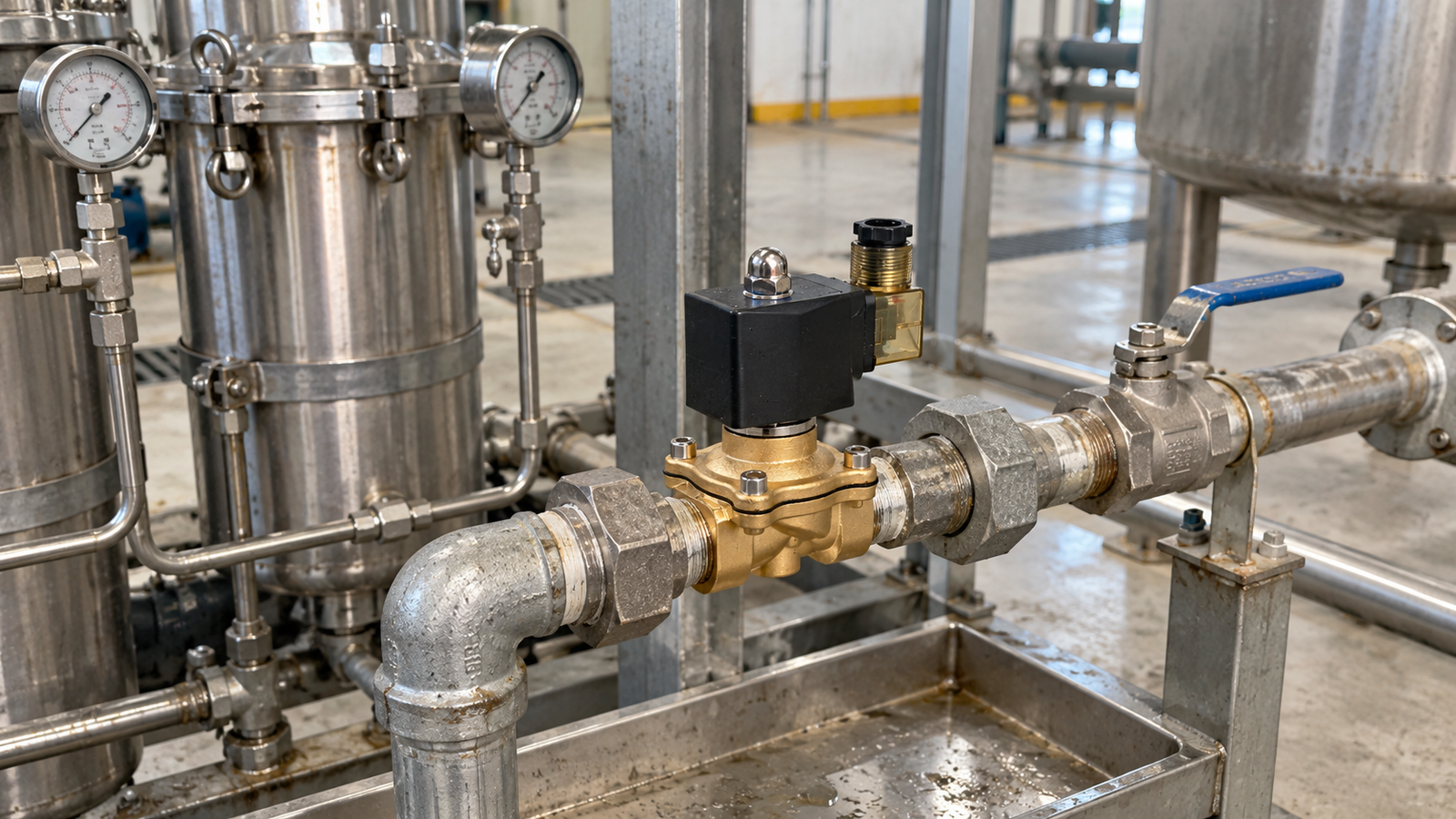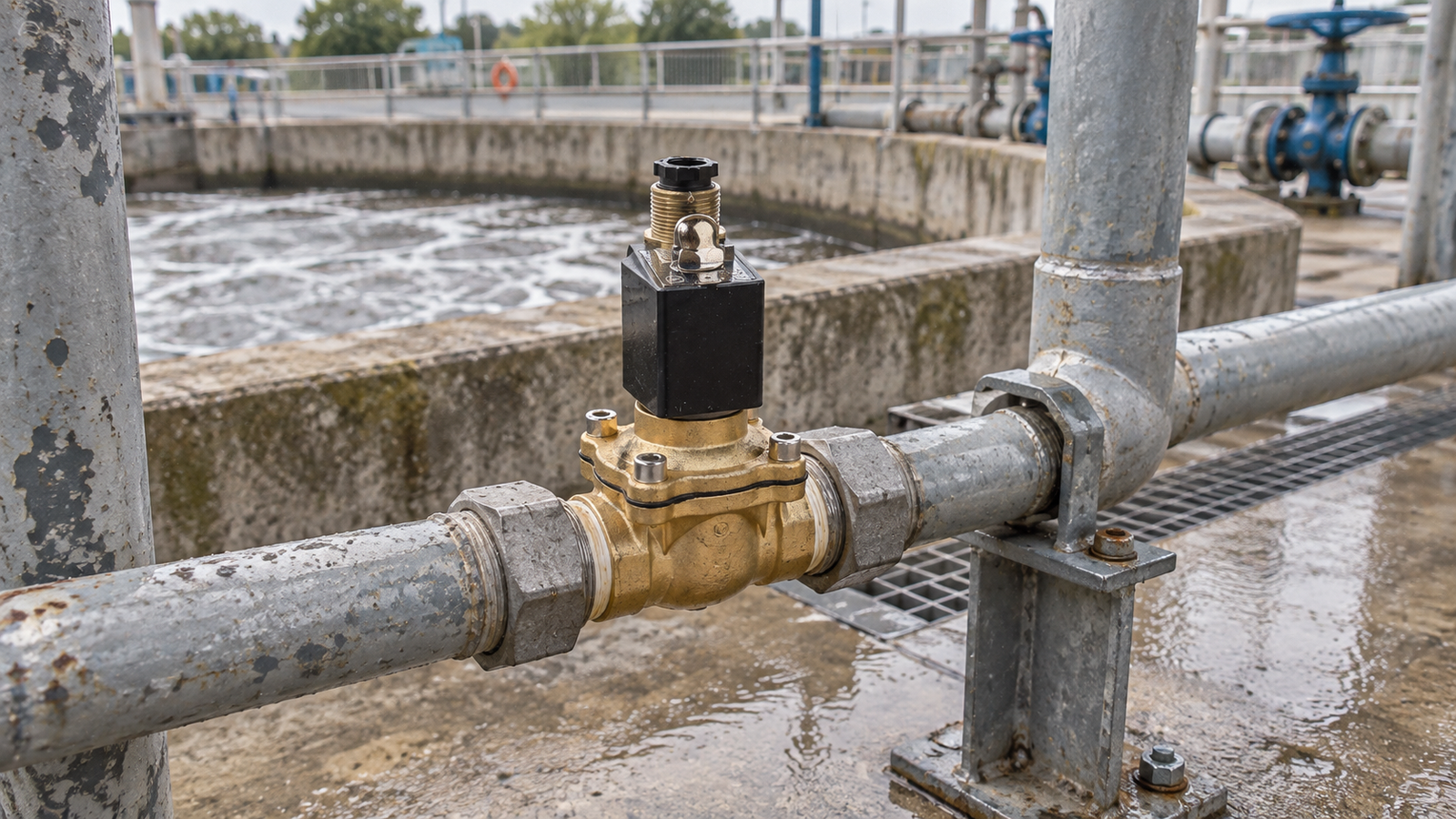
In steam systems, many “solenoid valve failures” are not caused by the valve body or seals — they are caused by the coil. Steam lines run hot, heat rises, and poor mounting or wrong coil selection can overheat the coil until insulation breaks down.
This article explains how to choose a high-temperature solenoid coil for steam applications, and how to install it so it lasts longer in real industrial conditions.
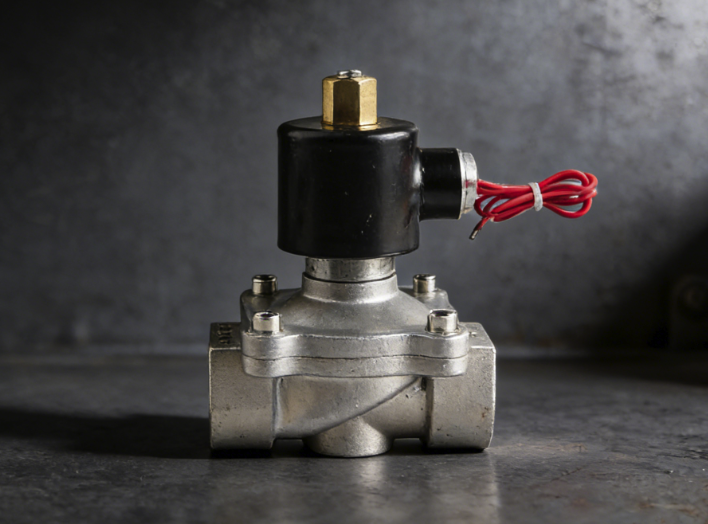
1. Why Steam Is Tough on Solenoid Coils
Steam environments create multiple heat sources that attack the coil:
- High ambient temperature near steam pipes and boilers
- Radiant heat from hot valve bodies and nearby piping
- Poor ventilation inside equipment cabinets or tight mechanical rooms
- Condensate + humidity that can enter connectors and degrade insulation
- Continuous energizing (coil stays powered for long periods)
A standard coil designed for water or air service may work at first, then burn out quickly under steam conditions.
2. Signs Your Coil Is Overheating (Before It Fails)
Many plants only notice the problem after the coil is dead. Watch for early warning signs:
- Coil surface is too hot to touch within seconds
- Coil discoloration, plastic deformation, or “burnt smell”
- Frequent trips of power supply or PLC output protection
- Valve starts chattering, opening slowly, or not fully opening
- Coil fails more often during summer or after insulation changes nearby
If you see these, the coil is operating beyond its real thermal limit.
3. Choose the Right Coil Temperature Rating (Not Just Voltage)
When selecting a steam solenoid valve, users often focus on body material and seal (stainless steel + EPDM), but coil rating is equally critical.
Key coil selection factors:
- Ambient temperature rating (not only fluid temperature)
- Insulation class (higher class = better thermal endurance)
- Duty cycle (continuous duty is common in steam)
- Power consumption (higher watt coils run hotter)
Practical rule:
If the valve is installed close to a steam line or heat source, use a high-temperature, continuous-duty coil designed specifically for steam service.
4. AC vs DC Coils in Steam Systems: Which Is Better?
Both AC and DC coils can work, but each has pros/cons.
AC Coils
Pros:
- Common in industrial sites
- Strong initial pull-in force
Risks:
- Often run hotter, especially if voltage fluctuates
- More sensitive to poor armature movement (buzzing generates heat)
DC Coils
Pros:
- Stable, quiet operation
- Often lower operating temperature for the same application
Risks:
- Needs correct polarity and stable DC supply
- Inrush behavior depends on driver design
If coil overheating is a known issue in your plant, DC coils (with proper control) can be a practical reliability upgrade.
5. Coil Protection: Don’t Ignore the Connector and Cable Entry
In steam areas, the “weak point” is often not the winding — it’s moisture ingress.
Best practices:
- Use industrial-grade connectors with good sealing (gasket + correct tightening)
- Ensure cable gland matches cable diameter and is properly installed
- Avoid upward-facing cable entry when possible (water can run into the connector)
- If washdown or humid areas exist, choose higher IP protection assemblies
Steam rooms are humid. Humidity + heat accelerates insulation aging fast.
6. Installation Tips That Greatly Reduce Coil Temperature
Even a good coil can fail if installed poorly. These simple methods make a big difference:
- Mount coil upright whenever possible
- Keep distance from adjacent hot pipes (even 10–20 cm helps)
- Add a heat shield or thermal barrier between valve and radiant heat source
- Avoid enclosing the coil in tight unventilated spaces
- If the valve must be near heat, consider using remote coil designs or relocating the valve with piping changes
A coil that runs 10–15°C cooler can last significantly longer.
7. Steam Solenoid Valve Design Matters Too
Coil life is also affected by valve mechanical stability.
What helps:
- Correct valve sizing (avoid oversizing that causes unstable flow)
- Proper condensate drainage (wet steam increases thermal shock)
- Stable differential pressure for pilot-operated valves
- Use of strainers to prevent debris from stopping full armature movement
If the plunger/armature movement is restricted, the coil works harder and heats more.
8. Typical Steam Applications Where High-Temp Coils Are Essential
High-temperature coils are commonly required in:
- Boilers and steam distribution rooms
- Steam sterilizers / autoclaves
- Heat exchangers and steam jackets
- Industrial dryers
- Textile, food, and pharmaceutical steam equipment
These locations combine heat + humidity + long duty cycles — the perfect “failure mix” for standard coils.