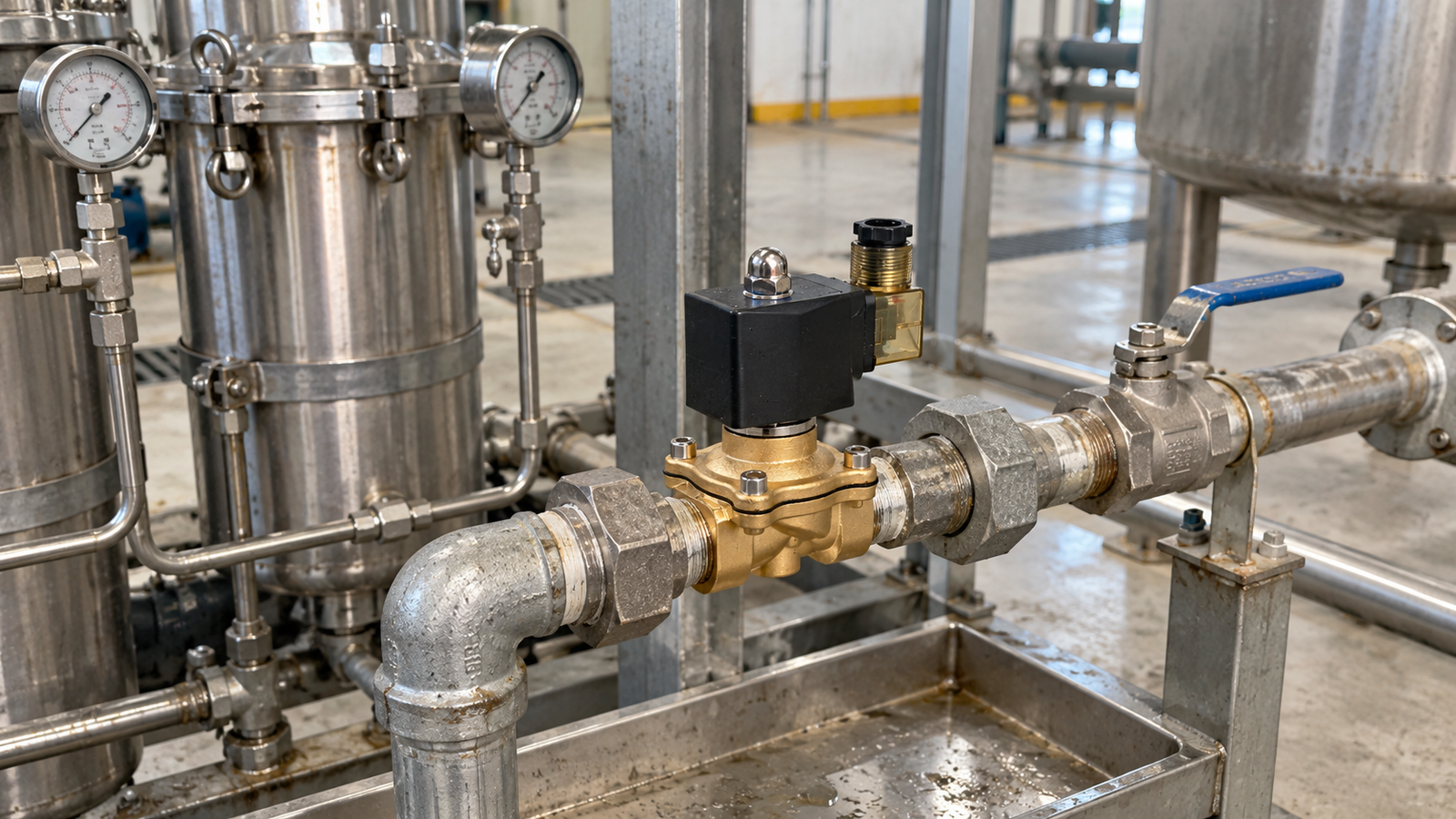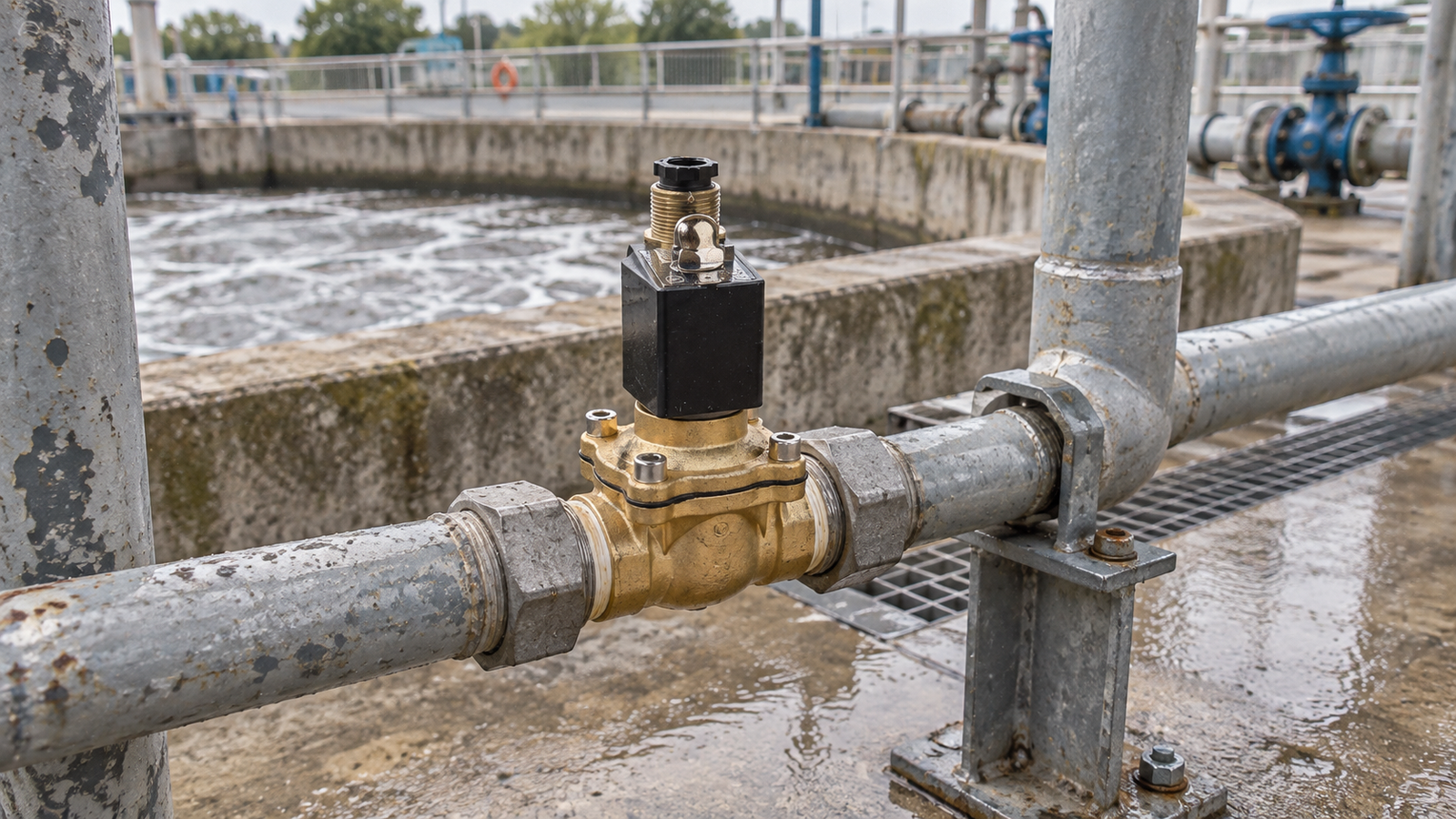
Steam solenoid valves are often installed in industrial plants where flammable gases, vapors, or dust may be present — such as chemical facilities, refineries, paint lines, and some food or pharmaceutical processes. In these environments, a standard coil is not enough. You need an explosion-proof (Ex) solenoid valve designed to prevent ignition risks.
This article explains how to select an explosion-proof solenoid valve for steam service, using clear, practical guidance for industrial users.
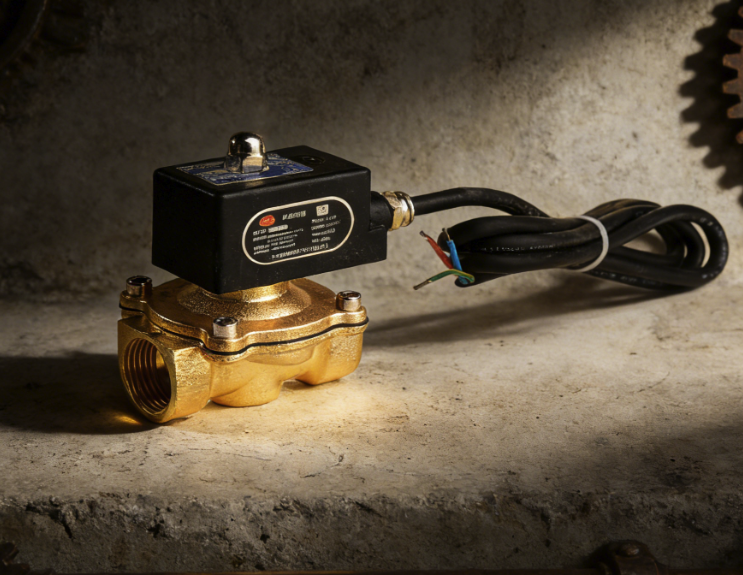
1. Why Steam Areas May Require Explosion-Proof Solenoid Valves
Steam itself is not flammable, but the surrounding environment can be hazardous.
Common scenarios:
- Steam used for heating in chemical reactors
- Steam lines routed through solvent storage or mixing areas
- Sterilizers and dryers located near flammable cleaning agents
- Steam control valves installed in zones with combustible dust
If your installation area is classified as hazardous, the solenoid coil and electrical connection must meet the required explosion protection standards.
2. Explosion-Proof vs Intrinsically Safe: Don’t Confuse Them
Two common safety approaches exist:
Explosion-Proof (Flameproof Enclosure)
- Designed to contain an internal explosion and prevent flame from igniting the surrounding atmosphere
- Typically used for solenoid coils that require normal power levels (AC/DC)
Intrinsically Safe (IS)
- Limits electrical energy so ignition is not possible
- Usually requires barriers and a full IS control loop
- Often used for low-power instruments, not always practical for solenoid coils in steam service
For steam solenoid valves, explosion-proof coils are the most common solution in hazardous areas.
3. Confirm the Hazardous Area Classification (Zone / Division)
Before selecting any Ex solenoid valve, confirm how your site defines the hazard area.
What you must know:
- Gas/vapor or dust environment
- Zone/Division level (higher risk zones require stricter protection)
- Gas group / dust group requirements
- Temperature class (surface temperature limit)
If you don’t match the coil certification to the site classification, the valve may be rejected during inspection — even if it works mechanically.
4. Temperature Class Matters More in Steam Systems
Steam lines run hot, and the coil sits near a hot valve body. In hazardous areas, the coil must stay below a permitted surface temperature.
Key risks:
- High ambient temperature + radiant heat increases coil surface temperature
- Continuous duty operation increases internal heating
- Poor ventilation or insulation near piping makes it worse
Practical tip:
Choose an explosion-proof coil with high-temperature tolerance and install it to minimize heat exposure (more on this below). Temperature class and real operating temperature should be treated seriously in steam applications.
5. Steam Service Still Needs the Right Valve Body and Seals
Explosion-proof only covers electrical safety. The valve must also be steam-rated.
Recommended steam configuration:
- Stainless steel body (best for high temperature + condensate corrosion)
- EPDM (high-temperature grade) seal for hot water/steam stability
- Normally Closed (NC) for safer shutoff during power loss
Avoid for continuous steam service:
- Standard NBR seals (hardening and early leakage)
- Brass bodies for harsh or continuous high-temperature steam (risk of deformation and shorter life)
6. Pilot-Operated vs Direct-Acting in Hazardous Steam Areas
The same steam logic applies, even in Ex zones.
Pilot-Operated (Recommended for most steam lines)
- Best for medium/large pipe sizes
- Higher flow capacity
- Needs stable differential pressure
Direct-Acting
- Works at low pressure
- Better for small pipe sizes and low flow
- Limited flow capacity
If your steam line is industrial scale, pilot-operated designs are usually the practical choice — but only if pressure conditions are stable.
7. Wiring and Cable Entry: The Most Common Compliance Failure
Many explosion-proof installations fail inspection not because of the coil, but because of improper wiring accessories.
Best practices:
- Use certified Ex cable glands and correct sealing methods
- Ensure the conduit/cable entry matches the coil’s Ex requirements
- Prevent moisture ingress (steam rooms are humid)
- Tighten correctly and avoid damaged threads on the enclosure
- Follow the site’s grounding and bonding rules
Explosion-proof means the enclosure must remain a complete, correct “system,” not just a certified coil.
8. Installation Tips to Improve Both Safety and Coil Life
Steam + hazardous area is a harsh combination. These installation steps reduce coil overheating and improve reliability:
- Mount coil upright whenever possible
- Keep distance from hot pipes; use a heat shield if needed
- Avoid insulating over the coil or enclosing it in tight spaces
- Add a Y-strainer upstream to prevent debris-related sticking (sticking increases coil heating)
- Control condensate with steam traps and correct drip legs to reduce water hammer
A cooler coil is not just more reliable — it also helps maintain safe surface temperature margins.
9. Typical Applications for Explosion-Proof Steam Solenoid Valves
Explosion-proof steam solenoid valves are commonly used in:
- Chemical plants (steam heating and process control)
- Refineries and petrochemical facilities
- Paint/solvent processing lines
- Pharmaceutical plants using alcohol-based cleaning agents
- Dust-risk areas such as grain or powder handling facilities (depending on site classification)
In these systems, steam control must be both mechanically reliable and electrically compliant.