December 27, 2025
Eric Jiang
Solenoid valve
In high-pressure steam systems, the performance and durability of solenoid valves are crucial for maintaining efficiency and safety. Whether you’re controlling steam flow in industrial processes, boilers, or heat exchangers, selecting the right valve for high-pressure applications is critical. In this guide, we’ll walk you through the important factors to consider when choosing a steam solenoid valve for high-pressure environments.
1. Why High-Pressure Steam Requires Special Consideration
Steam systems operating at high pressures — typically above 10 bar (145 psi) — present specific challenges for solenoid valves. The pressure of the steam affects not only the flow characteristics but also the material selection, sealing performance, and valve sizing.
Common challenges in high-pressure steam applications:
- Increased stress on valve components: High-pressure steam can put more strain on valve seals and internal parts, causing premature wear.
- Risk of pressure surges: Steam systems can experience rapid pressure changes (e.g., due to system startup or sudden shutoff), which may damage improperly selected valves.
- High energy content: High-pressure steam systems carry significant energy, meaning failure in controlling the flow could lead to safety hazards.
To ensure safe and reliable operation, it’s essential to choose a valve that can handle high pressures without compromising system integrity.
2. Key Considerations for High-Pressure Steam Solenoid Valves
A) Pressure Rating and Valve Sizing
One of the most important considerations for high-pressure steam applications is ensuring the valve is rated for the system’s maximum pressure.
- Pressure rating: Verify that the solenoid valve has a pressure rating that exceeds your system’s maximum operating pressure. Typically, you should choose a valve rated for at least 20% higher than your system’s highest pressure.
- Valve sizing: For high-pressure steam systems, choosing the right valve size is essential to avoid issues like flow restriction or excessive pressure drops. Valve sizing depends on your steam flow requirements and system pressure. Incorrect sizing can lead to inefficient steam control and potential damage to the valve and the entire system.
Ensure the solenoid valve you choose is designed to handle the specific pressure and flow conditions of your steam system. Pilot-operated valves are often better suited for high-pressure systems as they can handle larger flows without causing significant pressure drops.
B) Material Selection
The materials used in the valve body, seals, and coil are critical for high-pressure steam applications. High pressure and temperature can cause wear and corrosion over time, so choosing the right materials is essential to ensure longevity and reliability.
Recommended materials:
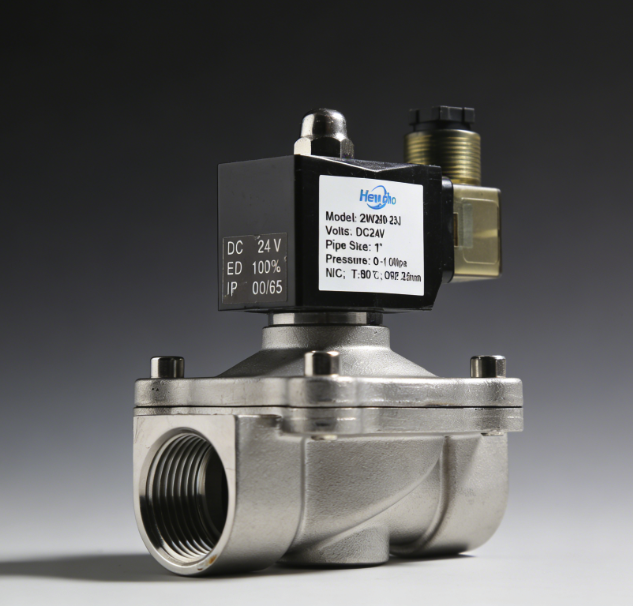
- Stainless Steel: Stainless steel is commonly used for high-pressure steam applications due to its strength, resistance to high temperatures, and ability to resist corrosion from steam and condensate.
- Brass: Suitable for lower-pressure steam systems, but brass may not be strong enough for high-pressure environments where higher durability is needed.
- Special alloys: For extremely high-pressure or corrosive steam systems, consider valves made from alloys such as Hastelloy or Monel, which provide superior resistance to high pressure and harsh chemicals.
Ensure that the material you select can withstand both the pressure and temperature conditions of your steam system without degrading over time.
C) Seals and Gaskets
In high-pressure steam applications, seals and gaskets are particularly vulnerable to damage due to the high temperatures and pressures involved. If the seals fail, steam can leak, causing inefficiencies and potential safety hazards.
Recommended seal material:
- EPDM (Ethylene Propylene Diene Monomer): EPDM seals are commonly used in high-temperature steam applications due to their excellent resistance to steam and hot water. They maintain their flexibility and sealing properties at higher temperatures.
- Viton (FKM): Viton seals are suitable for high-temperature environments and can resist steam as well as a variety of chemicals. However, Viton may not be the best choice for continuous steam exposure due to potential degradation over time.
- PTFE (Polytetrafluoroethylene): PTFE seals are resistant to high temperatures and chemicals, but they may not be suitable for all steam applications due to potential sealing issues under certain conditions.
Always verify the temperature and pressure limits of your chosen seal material to ensure it is compatible with your steam system.
D) Coil Temperature Rating
The solenoid coil in high-pressure steam applications must be rated for high temperatures. The combination of high-pressure steam and elevated ambient temperatures can cause the coil to overheat, leading to failure if not properly rated.
- High-temperature coils: Ensure the coil is rated for the maximum temperature your steam system will reach. High-temperature coils typically use class H insulation, which can withstand temperatures up to 180°C (356°F) or higher.
- Coil mounting: The coil should be installed upright to prevent heat accumulation. If the valve is located near hot surfaces, consider using a heat shield or remote mounting to keep the coil cooler.
By selecting the right coil with appropriate temperature ratings and ensuring proper installation, you can prevent coil overheating and failure.
3. Valve Type: Pilot-Operated vs Direct-Acting
For high-pressure steam systems, pilot-operated solenoid valves are generally preferred due to their ability to handle higher flow rates and pressure differentials.
A) Pilot-Operated Solenoid Valves
Pilot-operated valves use a small pilot valve to control a larger valve mechanism. They are ideal for high-pressure steam systems as they offer:
- Higher flow capacity: Pilot-operated valves can handle larger volumes of steam without excessive pressure drop.
- Stable operation: These valves are less likely to be affected by pressure fluctuations, providing consistent performance in high-pressure conditions.
- Energy efficiency: Pilot-operated valves use less power compared to direct-acting valves, making them more energy-efficient for large steam systems.
Pilot-operated solenoid valves are often the best choice for high-pressure steam systems due to their ability to maintain stable operation over a wide range of pressures and flow conditions.
B) Direct-Acting Solenoid Valves
Direct-acting solenoid valves are more commonly used in lower-pressure applications but can be used in high-pressure systems for specific low-flow applications. They are simpler in design and generally smaller in size.
- Advantages: Direct-acting valves offer quick response times and are often used when immediate control is required.
- Limitations: They are not ideal for high-pressure steam systems due to their limited flow capacity and higher pressure drop.
For high-pressure systems, pilot-operated valves are generally the preferred option, but direct-acting valves may be suitable for smaller, low-pressure steam applications within a larger system.
4. Installation Tips for High-Pressure Steam Solenoid Valves
To maximize the lifespan and performance of your solenoid valve in a high-pressure steam system, follow these installation tips:
- Install the valve in a vertical position to prevent debris accumulation and to ensure smooth operation of the valve internals.
- Use a drip leg to collect and remove condensate before it reaches the valve.
- Ensure proper piping layout with adequate support to avoid excessive strain on the valve and the surrounding components.
- Add a strainer or filter upstream of the valve to prevent debris from clogging or damaging the valve components.
- Properly size the valve to match your system’s flow and pressure requirements to prevent issues such as unstable operation or excessive energy consumption.
Final Thoughts
Selecting the right solenoid valve for high-pressure steam applications requires careful consideration of factors such as pressure rating, material compatibility, seal selection, coil temperature rating, and valve type. By properly sizing the valve and choosing the correct materials, you can ensure safe, efficient, and reliable operation of your steam system.
If you’d like the next blog to focus on steam valve maintenance, common high-pressure steam valve issues, or choosing steam valves for specific industrial applications, let me know. I’m here to help with more detailed SEO-optimized content.