
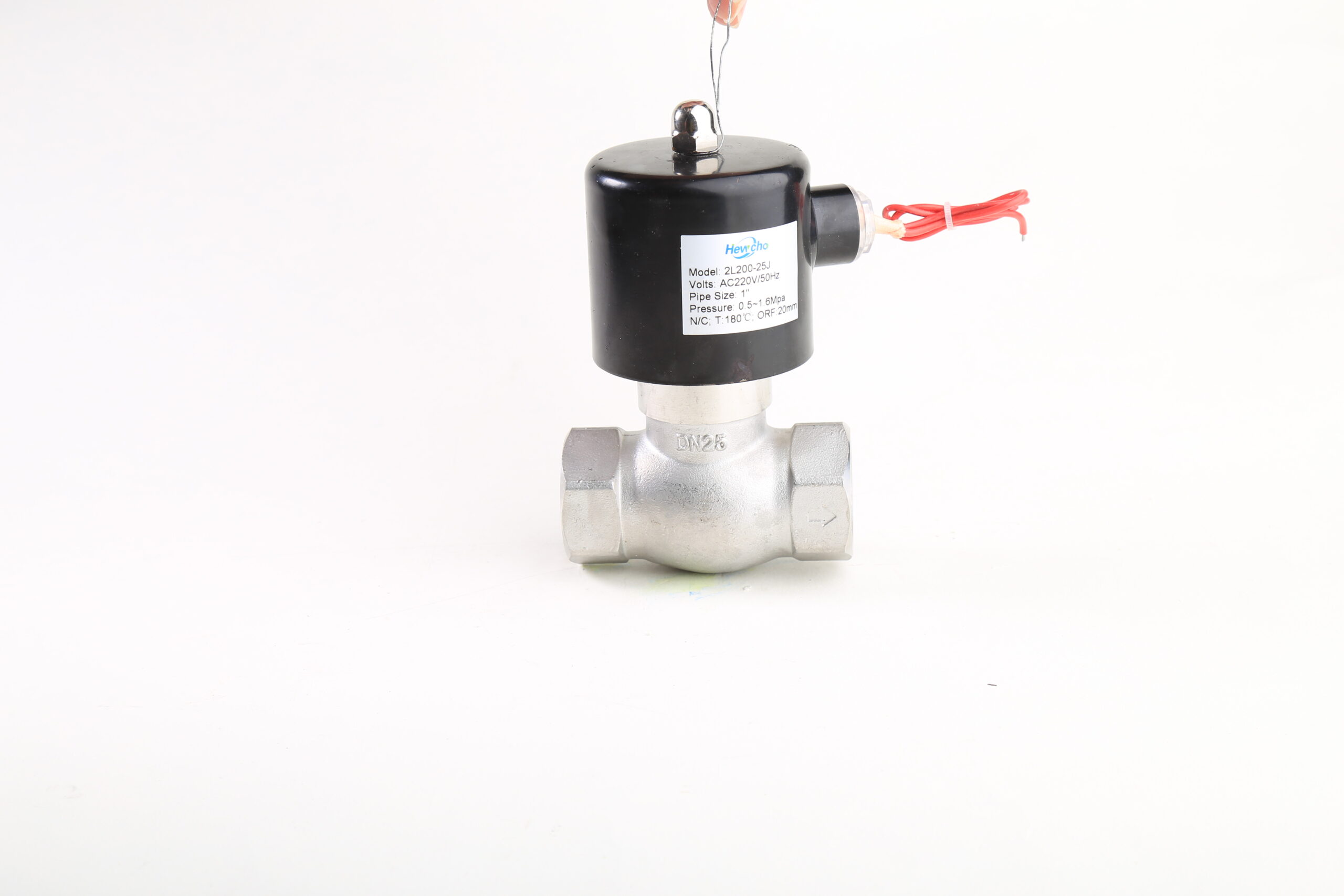
Choosing the right solenoid valve coil is just as important as selecting the valve body, seal material, or port size. One of the most common questions in industrial projects is whether to use an AC coil or a DC coil. A mismatched coil can cause unstable operation, excessive heating, noise, or premature coil burnout.
This guide explains the working principles, key differences, selection logic, and typical applications of AC and DC solenoid valve coils.
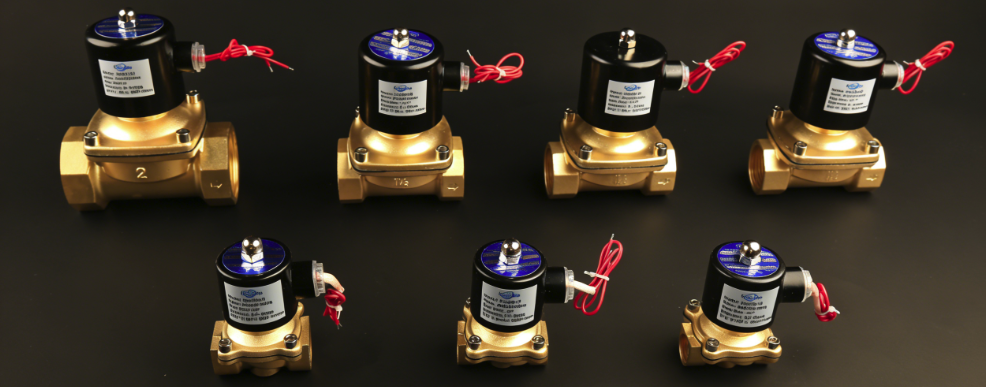
Core Keywords (SEO)
AC solenoid valve coil, DC solenoid valve coil, solenoid coil overheating, solenoid valve voltage selection, industrial solenoid valve, DC24V solenoid valve, AC220V solenoid valve
What Does a Solenoid Coil Do?
A solenoid coil converts electrical energy into a magnetic field to move the armature (plunger), which opens or closes the valve.
- Energize coil → magnetic force pulls armature → valve changes state
- De-energize coil → spring returns armature → valve returns to default state
The difference between AC and DC coils is how the magnetic field is generated and maintained.
AC Solenoid Coils: Working Principle and Features
How AC Coils Work
AC coils operate with alternating current, creating a magnetic field that changes direction continuously. Many AC coils use a shading ring to reduce vibration and prevent chattering at the zero-crossing points.
Advantages of AC Coils
- Strong pull-in force (good for larger valves)
- Easy integration with AC power supplies (e.g., AC110V / AC220V)
- Often more tolerant of brief mechanical resistance during actuation
Limitations of AC Coils
- Typically higher temperature rise
- Slight humming noise may occur
- More sensitive to low voltage (can cause incomplete pull-in and overheating)
DC Solenoid Coils: Working Principle and Features
How DC Coils Work
DC coils create a stable magnetic field when energized, resulting in smooth and consistent armature movement.
Advantages of DC Coils
- Quiet operation with minimal vibration
- Generally more stable holding force
- Often better for continuous-duty applications (depending on coil design)
- Common in automation systems (DC24V is widely used)
Limitations of DC Coils
- Pull-in force may be lower than AC coils at the same size
- Long cable runs can cause voltage drop and weak actuation
- Larger valves may require higher-power coils or different valve structures
Key Differences: AC vs DC Coils
| Item | AC Coil | DC Coil |
|---|---|---|
| Typical voltage | AC110V / AC220V | DC12V / DC24V |
| Pull-in force | Strong | Moderate |
| Noise | Slight hum | Very quiet |
| Heat generation | Higher (often) | Lower (often) |
| Voltage sensitivity | High (low voltage is risky) | Medium (watch voltage drop) |
| Best for | Larger valves, AC supply | Automation control, stable operation |
How to Choose the Right Coil (Practical Guide)
1) Match Your Power Supply and Control System
- Direct AC mains available → consider AC coil
- PLC/automation control systems → DC24V is often preferred
2) Consider Duty Cycle (Continuous vs Intermittent)
- Continuous energized operation → choose a coil rated for continuous duty
- Frequent switching → ensure the coil and valve are designed for cycling conditions
3) Evaluate Valve Size and Actuation Resistance
- Larger port sizes or higher mechanical resistance → AC coil may provide stronger pull-in
- Small valves or precise control → DC coil often performs more smoothly
4) Check Installation Environment
- Noise-sensitive environments (labs, medical, indoor equipment) → DC coil
- High temperature or poor ventilation → choose higher insulation class and manage heat
Typical Applications
AC Coil Applications
- Industrial water and cooling systems
- General machinery with AC220V power
- High-flow valves where strong pull-in helps
DC Coil Applications
- PLC-controlled automation lines
- Pneumatic systems and solenoid valve manifolds
- Battery-powered or mobile equipment
- Quiet and stable control environments
Common Mistakes to Avoid
- Using an AC coil on a DC power supply (or vice versa)
- Ignoring low-voltage conditions for AC coils (causes incomplete pull-in and overheating)
- Not accounting for voltage drop on long DC wiring runs
- Using intermittent-duty coils for continuous operation
Conclusion
AC and DC solenoid valve coils serve different needs. The best choice depends on available power supply, duty cycle, valve size, and operating environment. Correct coil selection improves reliability, reduces overheating risk, and extends service life.
For industrial projects, always confirm voltage type (AC/DC), insulation class, and duty rating before finalizing your solenoid valve specification.