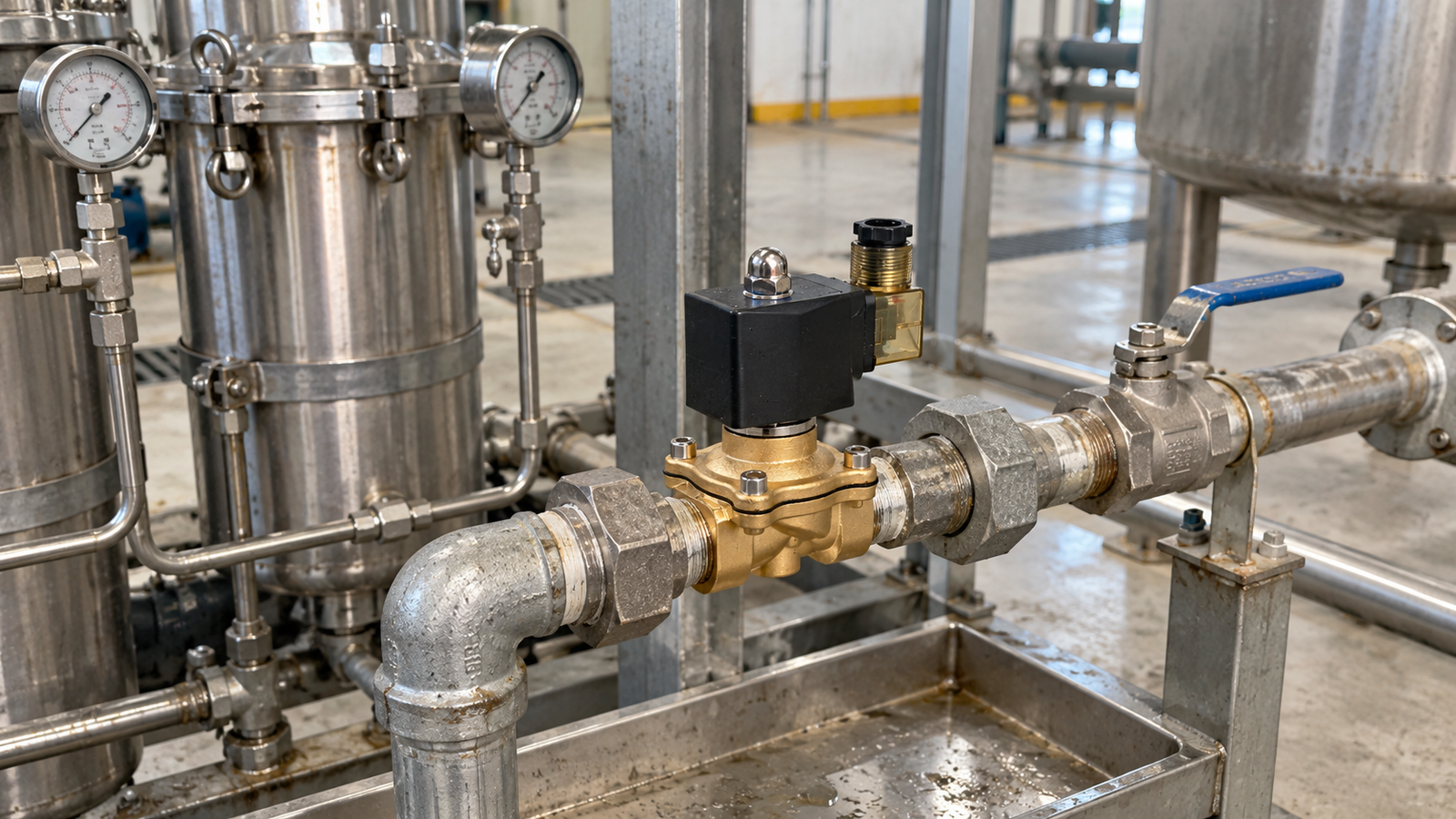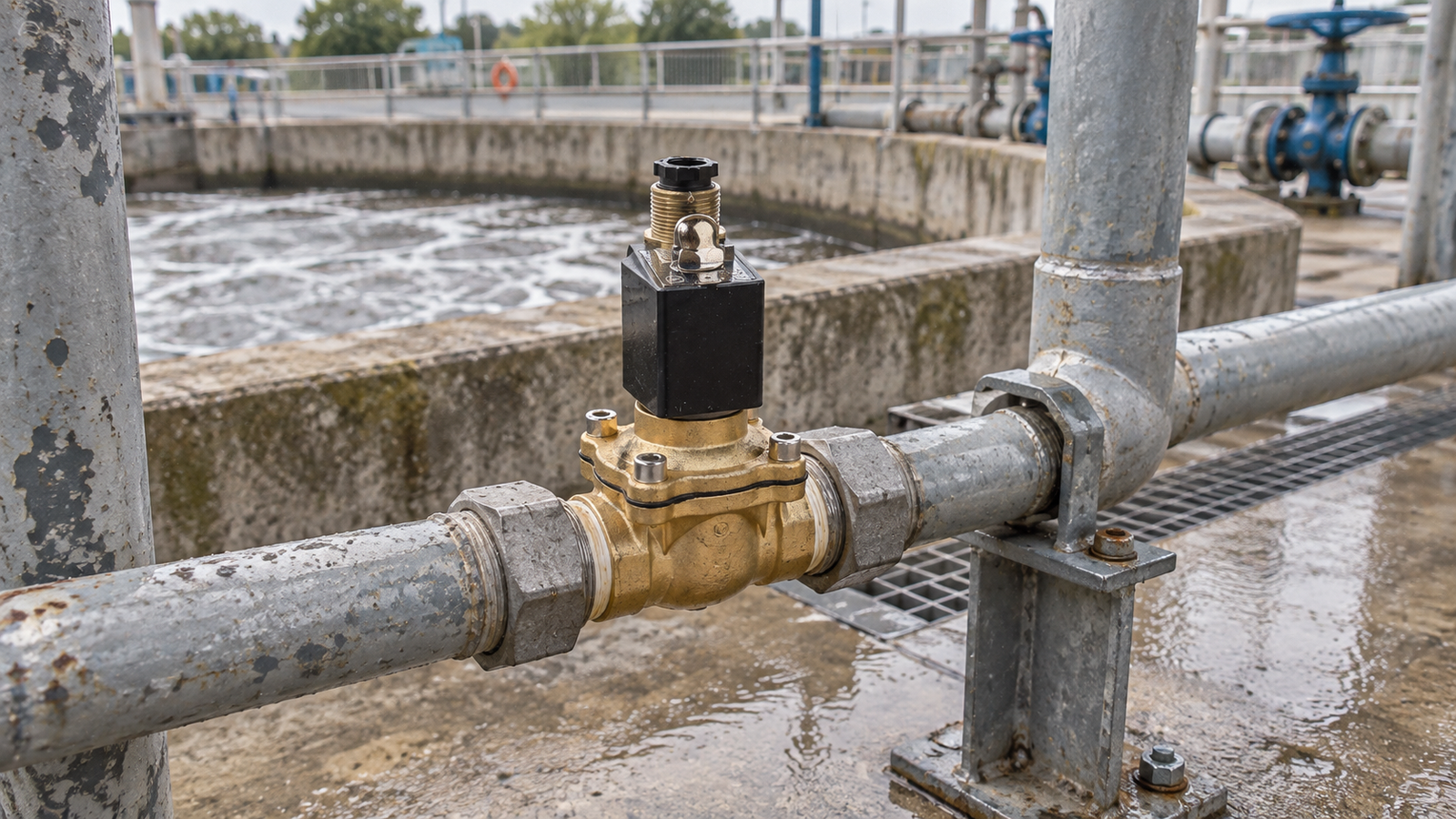
Selecting the correct sealing material is one of the most critical steps in solenoid valve selection. Many field problems—such as internal leakage, sticking valves, shortened service life, or frequent maintenance—are caused not by the valve body or coil, but by incorrect seal material selection.
This article explains the differences between NBR, EPDM, FKM (Viton), and PTFE sealing materials, helping engineers and buyers choose the right solenoid valve for their application.
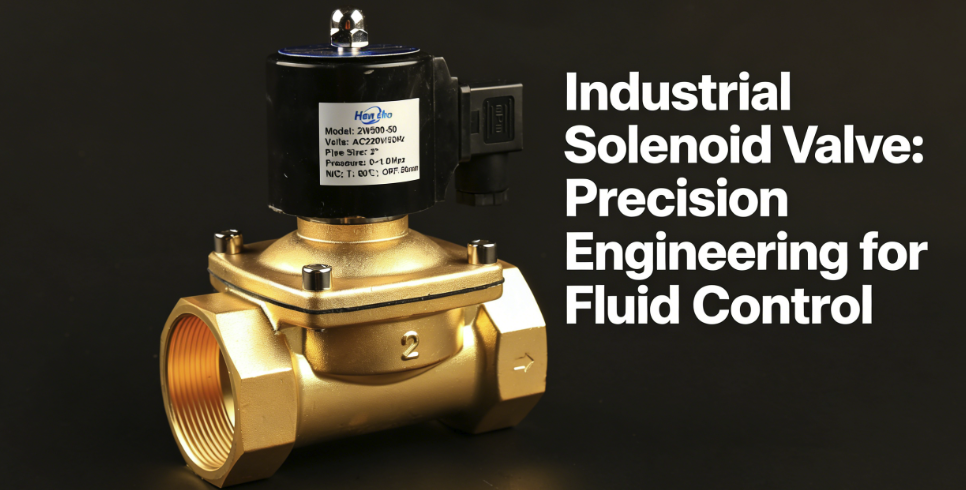
Why Seal Material Matters in Solenoid Valves
Solenoid valve seals are in direct contact with the working medium and are exposed to pressure, temperature, and repeated movement. The seal material directly affects:
- Leakage prevention and tight shut-off
- Resistance to temperature extremes
- Compatibility with fluids and gases
- Overall valve lifespan and reliability
Even a high-quality valve will fail prematurely if the seal material is not compatible with the operating conditions.
NBR (Nitrile Rubber): Cost-Effective and Oil-Resistant
Key characteristics
- Excellent resistance to oils and fuels
- Good mechanical strength and wear resistance
- Widely used and cost-effective
Suitable media
- Air and compressed air
- Water (normal temperature)
- Hydraulic oil and lubricating oil
Typical temperature range
- Approximately -10°C to +80°C
Common applications
- Pneumatic systems
- Air compressor solenoid valves
- General industrial machinery
- Oil control systems
Not recommended for: high-temperature water, steam, or ozone-rich environments.
EPDM: Ideal for Water and High-Temperature Applications
Key characteristics
- Excellent resistance to hot water and steam
- Good elasticity and aging resistance
- Poor oil resistance
Suitable media
- Water and hot water
- Steam (low pressure)
- Weak acids and alkalis
Typical temperature range
- Approximately -20°C to +120°C
Common applications
- Water treatment systems
- HVAC equipment
- Hot water and steam solenoid valves
Not recommended for: oil, fuel, or petroleum-based fluids.
FKM (Viton): High Temperature and Chemical Resistance
Key characteristics
- Excellent resistance to high temperature
- Strong resistance to oils, fuels, and chemicals
- Higher cost compared to NBR and EPDM
Suitable media
- Oil and fuel
- Chemical fluids
- High-temperature water and steam
Typical temperature range
- Approximately -10°C to +180°C
Common applications
- Chemical processing equipment
- High-temperature industrial systems
- Fuel and solvent control
PTFE (Teflon): Maximum Chemical Resistance
Key characteristics
- Excellent chemical resistance
- Extremely low friction coefficient
- Rigid material with limited elasticity
Suitable media
- Strong acids and alkalis
- Corrosive chemicals
- Ultra-pure fluids
Typical temperature range
- Approximately -20°C to +200°C
Common applications
- Chemical and pharmaceutical systems
- Semiconductor and ultra-pure water systems
- Corrosive media control
Design note: PTFE seals often require special valve structures due to limited elasticity.
How to Choose the Right Seal Material
When selecting a solenoid valve seal, always consider:
- Type of medium (water, air, oil, chemical)
- Operating temperature range
- Pressure conditions
- Continuous or intermittent operation
- Environmental exposure (ozone, chemicals, heat)
Conclusion
Seal material selection is just as important as valve size, pressure rating, or voltage.
Choosing the correct sealing material—NBR, EPDM, FKM, or PTFE—ensures reliable performance, long service life, and reduced maintenance costs.
Correct selection at the design stage prevents most leakage and failure issues before they occur.