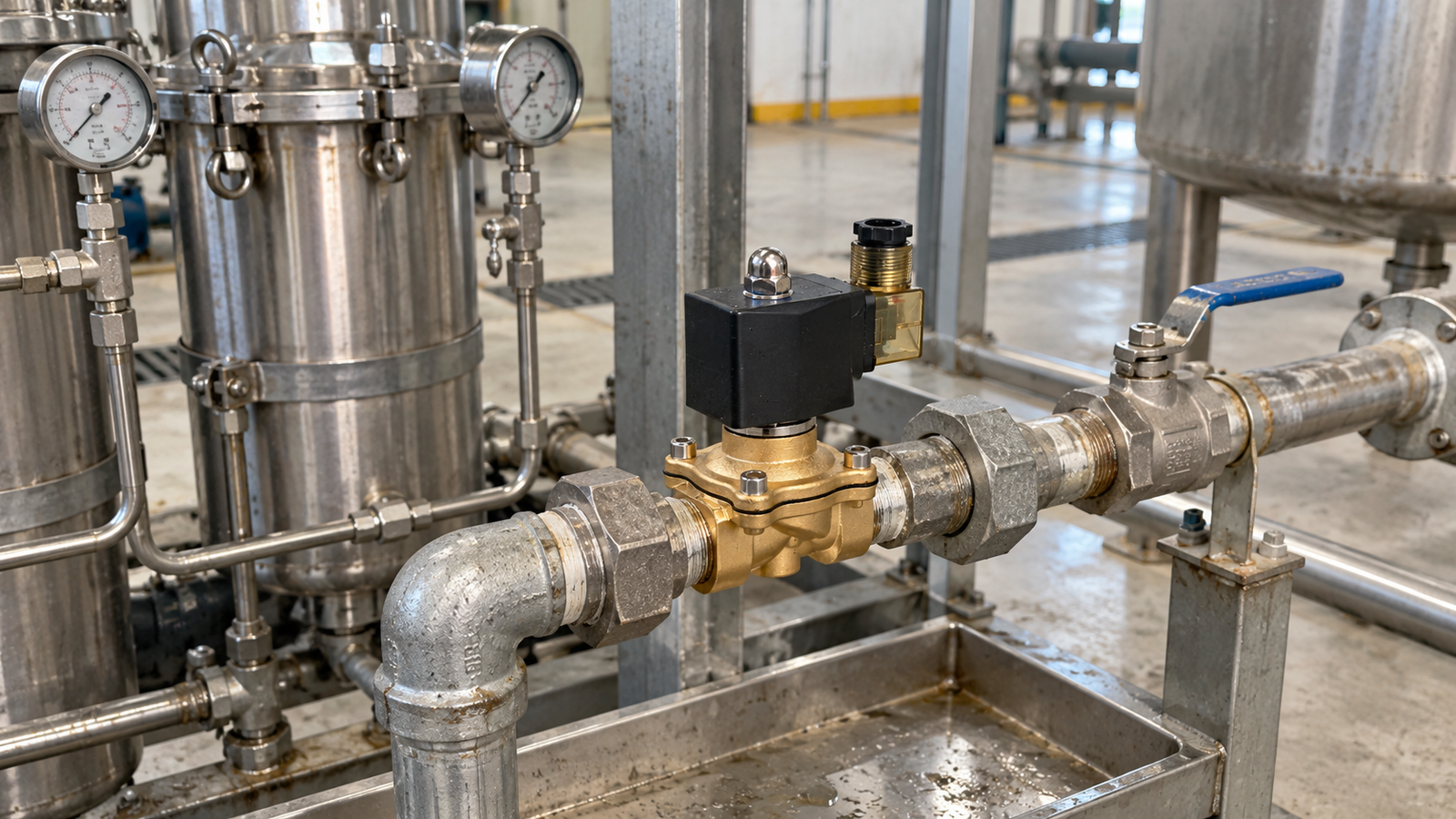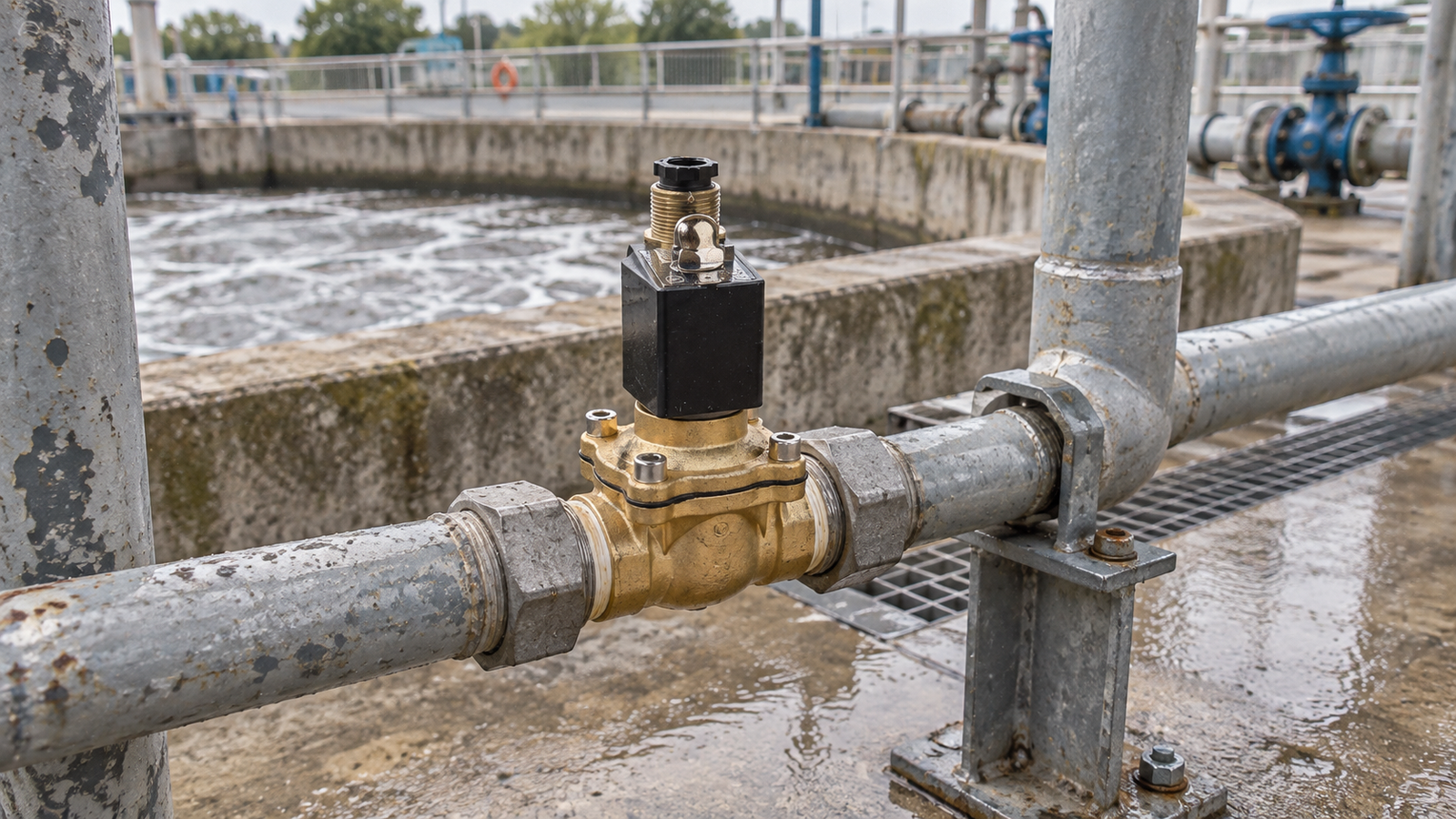
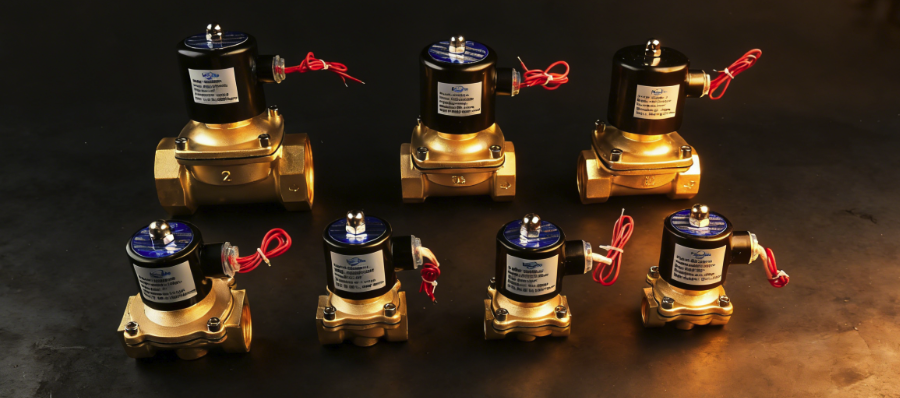
Solenoid valve coil overheating is a common issue in industrial automation, water systems, and pneumatic control lines. While a certain level of heat is normal during operation, excessive temperature rise can lead to coil failure, insulation damage, unstable actuation, and unexpected downtime.
This article explains why solenoid valve coils overheat, how to diagnose the problem, and what preventive measures can significantly improve system reliability.
Is It Normal for a Solenoid Valve Coil to Get Hot?
Yes, moderate heating is normal.
When energized, the coil converts electrical energy into magnetic force. Due to electrical resistance, part of the energy is released as heat. Most industrial solenoid valves are designed to operate safely within specific temperature limits.
However, overheating becomes a problem when:
- The coil surface becomes extremely hot to the touch
- There is a burning smell
- The valve fails after continuous operation
- The insulation degrades prematurely
Main Causes of Solenoid Valve Coil Overheating
Incorrect Voltage Supply
Applying voltage higher than the rated value increases current and heat generation.
Common issues:
- AC220V coil connected to higher voltage
- DC24V supply fluctuating above tolerance
- Unstable power sources without regulation
Continuous Energization Without Proper Rating
Not all solenoid valves are designed for continuous duty (ED 100%).
If a valve remains energized for long periods:
- Heat accumulates
- Cooling may be insufficient
- Insulation aging accelerates
Always verify the duty cycle specification.
High Ambient Temperature
Installation near:
- Steam pipelines
- Ovens or heaters
- Enclosed control cabinets without ventilation
can significantly increase operating temperature.
Mechanical Blockage
If the plunger is stuck due to contamination:
- The coil remains energized
- Magnetic force remains at maximum
- Heat builds up rapidly
This often leads to coil burnout.
Poor Ventilation
Coils installed in tight spaces with no airflow dissipate heat slowly. Over time, this leads to higher steady-state temperature.
Frequent Switching
High-frequency operation increases thermal cycling, which stresses the insulation material and shortens coil life.
Risks of Overheating
Excessive coil temperature can cause:
- Insulation breakdown
- Short circuits
- Reduced magnetic force
- Valve sticking or incomplete actuation
- Complete coil burnout
In critical systems, this may result in safety hazards or costly downtime.
How to Prevent Coil Overheating
Choose the Correct Voltage
Always match the coil voltage to the power supply. Consider surge protection in unstable environments.
Select Low-Power Coils
Low-power solenoid valves reduce heat generation and are ideal for long-term energization.
Verify Continuous Duty Rating
For systems requiring constant activation, select coils rated for 100% duty cycle.
Improve Ventilation
- Ensure airflow around the coil
- Avoid enclosing the valve in sealed spaces
- Use heat-resistant mounting structures in high-temperature environments
Install Filtration
Prevent debris from entering the valve and causing plunger blockage.
Consider DC Power for High-Frequency Applications
DC coils typically offer more stable temperature behavior compared to AC coils.
Typical Applications Where Overheating Occurs
- Industrial automation systems with continuous operation
- Water treatment plants with long opening cycles
- Steam systems with high ambient temperature
- Outdoor installations exposed to direct sunlight
Conclusion
Solenoid valve coil overheating is usually not a manufacturing defect, but the result of incorrect voltage, unsuitable duty cycle, poor installation conditions, or mechanical blockage.
Proper voltage selection, adequate ventilation, and correct structural design significantly reduce overheating risk and extend service life.
Understanding these factors helps ensure stable, long-term performance in demanding industrial environments.