When selecting a solenoid valve for industrial automation, one common question is:
Should I use a 2-way or a 3-way solenoid valve?
Understanding the difference between these two valve types is essential for proper system design, efficiency, and long-term reliability.
In this article, we break it down in simple terms.
What Is a 2-Way Solenoid Valve?
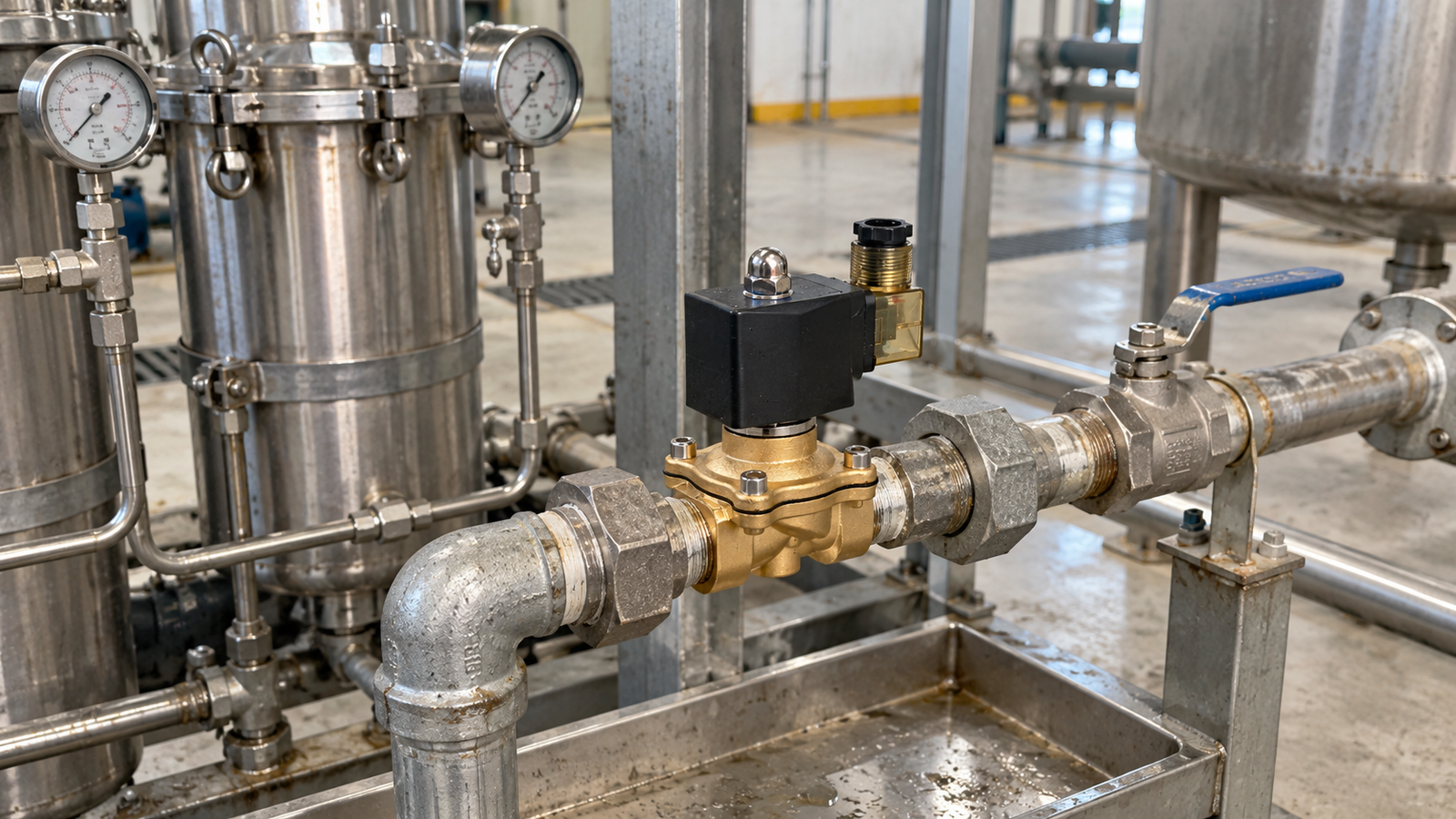
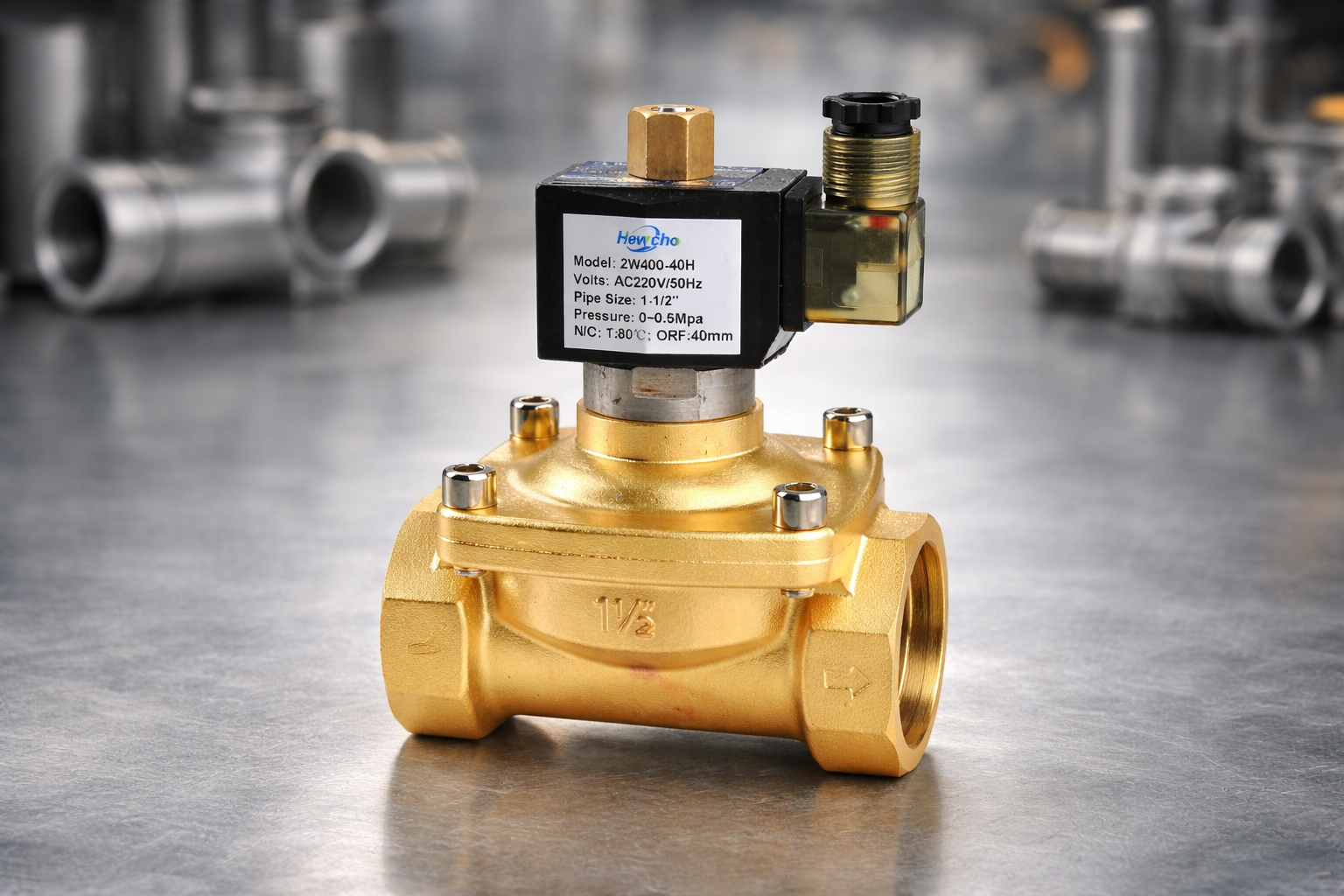
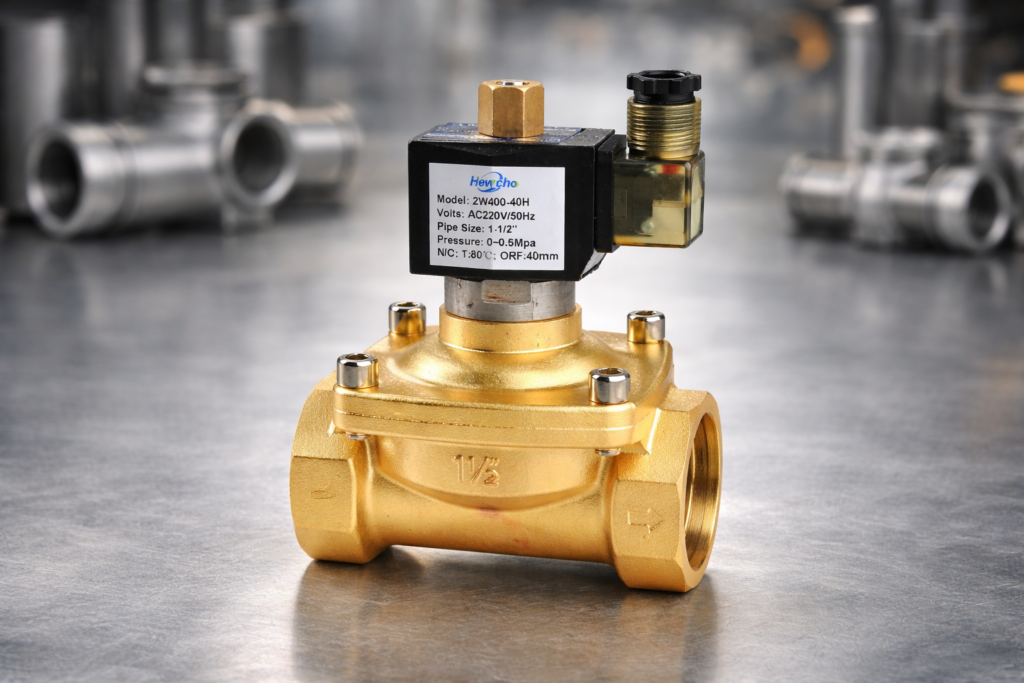
A 2-way solenoid valve has:
- 2 ports (inlet and outlet)
- 2 positions (open or closed)
It is used to start or stop fluid flow.
How It Works
When energized:
- Valve opens (Normally Closed type), OR
- Valve closes (Normally Open type)
When power is removed:
- Valve returns to its original position
Common Applications
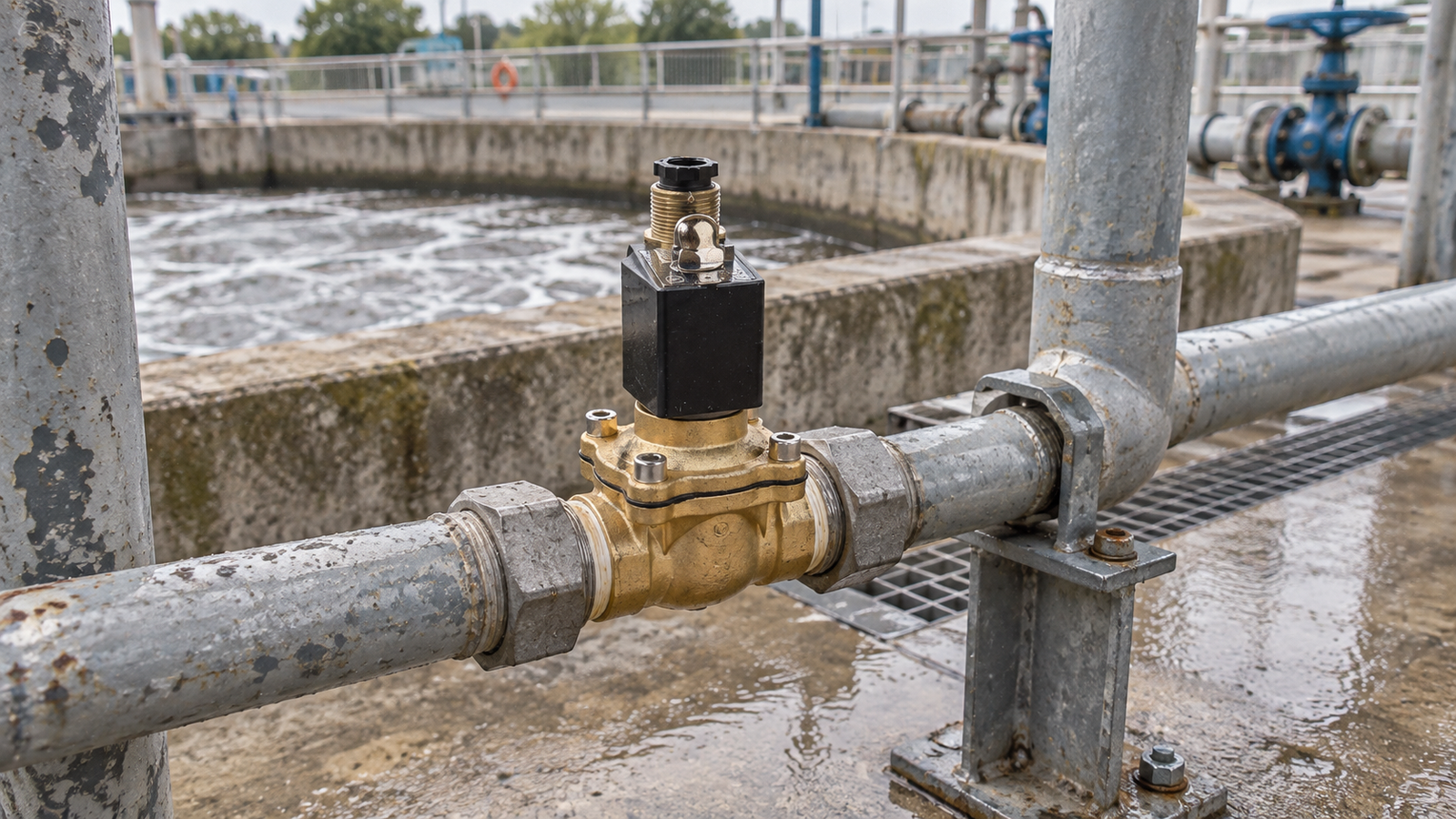
- Water control systems
- Air compressors
- Irrigation systems
- Oil flow control
- General on/off applications
If you only need to control flow in one direction (ON/OFF), a 2-way solenoid valve is usually the best choice.
What Is a 3-Way Solenoid Valve?
A 3-way solenoid valve has:
- 3 ports
- 2 positions
It is used to switch flow between two paths.
How It Works
A 3-way valve can:
- Direct flow from Port A to Port B
- Or switch flow from Port A to Port C
This makes it ideal for applications requiring diversion or exhaust functions.
Common Applications
- Pneumatic cylinders
- Single-acting actuators
- Pressure release systems
- Pilot control systems
If your system needs to alternate or redirect airflow, choose a 3-way solenoid valve.
Key Differences Between 2-Way and 3-Way Solenoid Valves
| Feature | 2-Way Valve | 3-Way Valve |
|---|---|---|
| Number of Ports | 2 | 3 |
| Function | On/Off control | Flow switching |
| Application Type | Simple systems | Pneumatic & control systems |
| Cost | Lower | Slightly higher |
| Installation | Easier | More flexible |
How to Choose the Right One
Ask yourself these questions:
- Do you only need to stop or allow flow? → Choose 2-way
- Do you need to redirect air or fluid? → Choose 3-way
- Are you controlling a pneumatic actuator? → 3-way is recommended
- Is your system simple water control? → 2-way is sufficient
Important Factors to Consider
Regardless of valve type, always check:
- Operating pressure range
- Fluid type (air, water, oil, gas)
- Temperature rating
- Voltage (24V DC, 110V AC, 220V AC, etc.)
- Protection rating (IP65, explosion-proof if needed)
Correct selection improves system efficiency and reduces maintenance costs.
Final Thoughts
Both 2-way and 3-way solenoid valves are widely used in industrial automation. The correct choice depends entirely on your system design and flow control requirements.
If you are unsure which valve fits your application, consult a professional solenoid valve manufacturer to avoid design mistakes and unnecessary downtime.