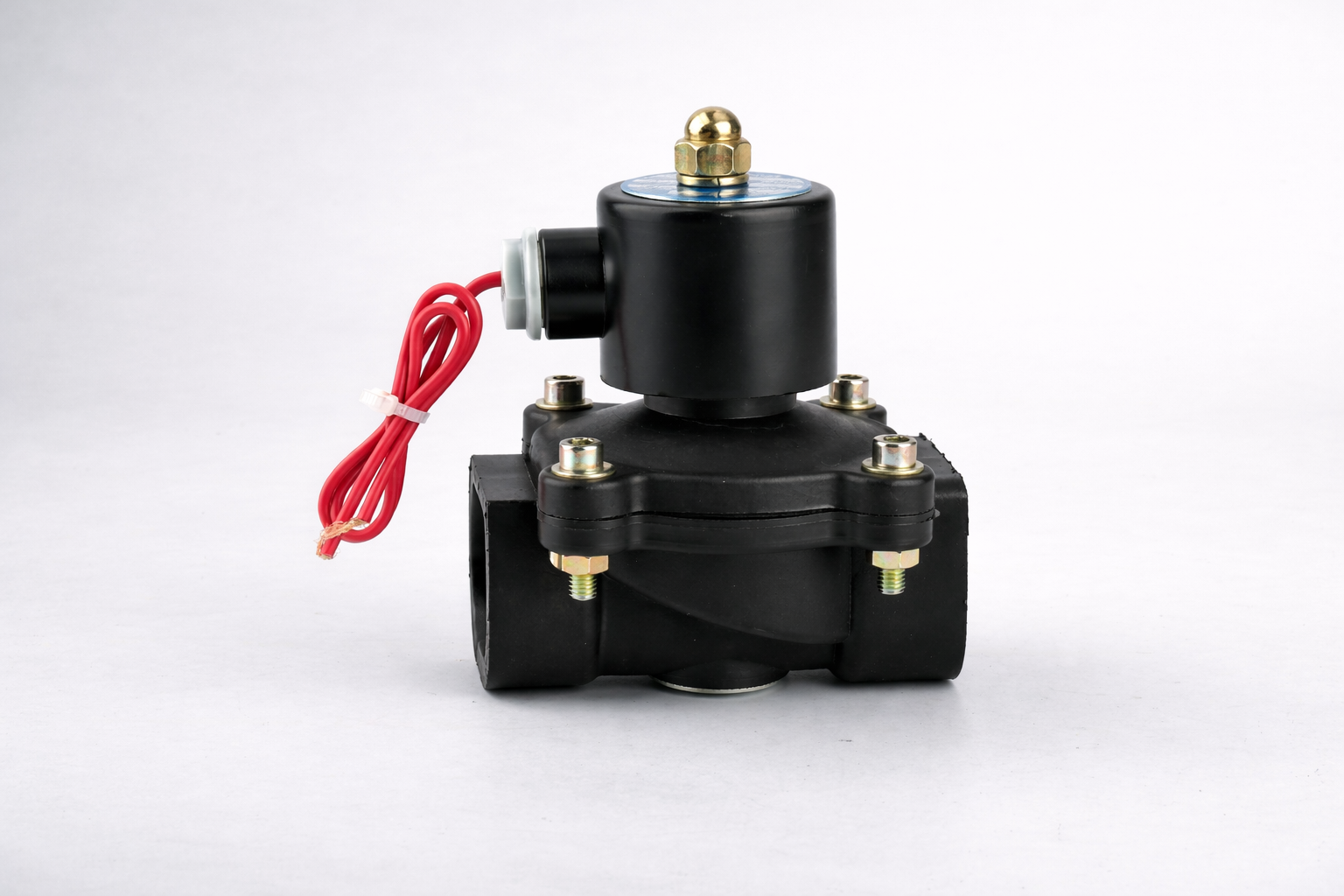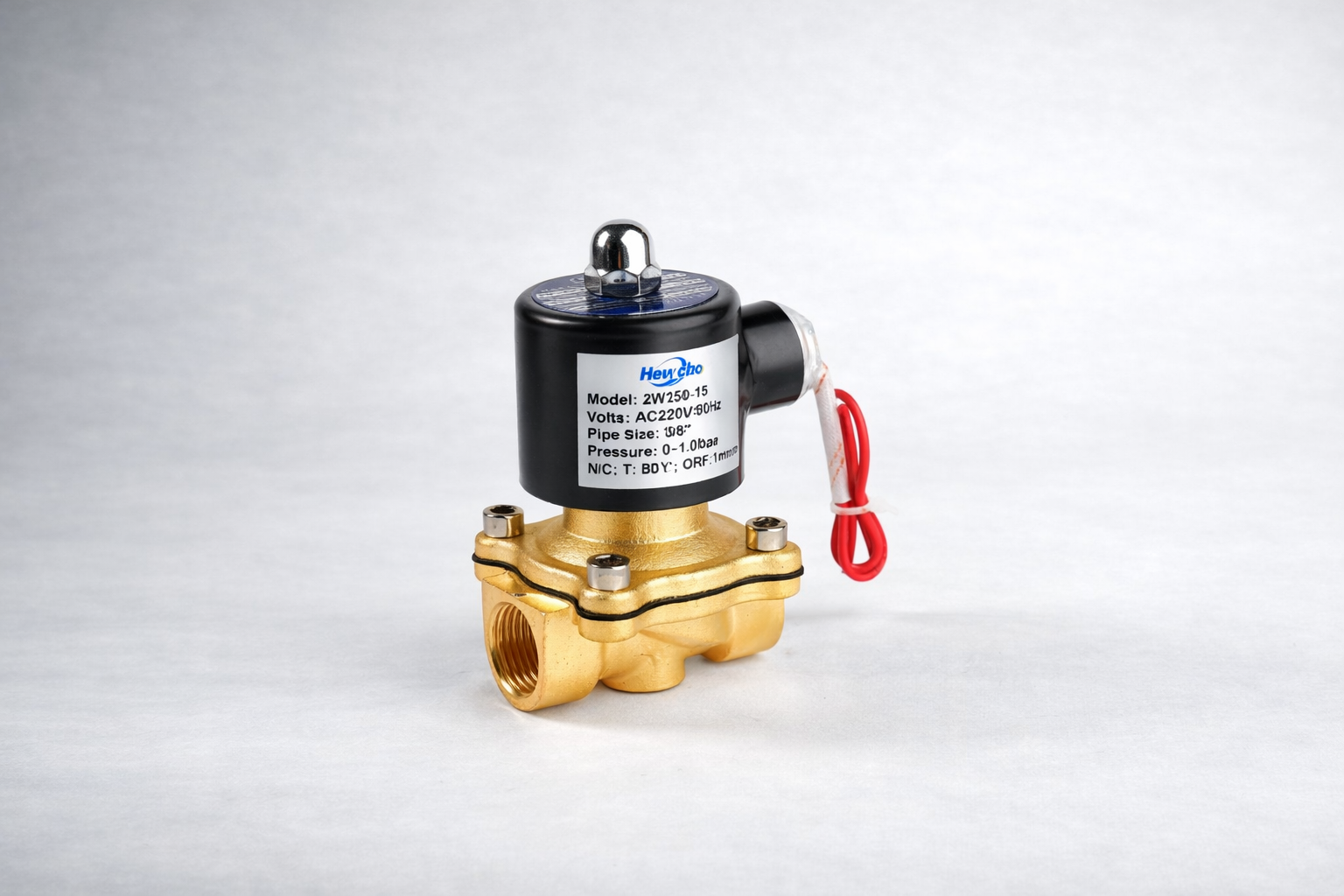
The seal material inside a solenoid valve is one of the most important factors that determine its reliability, chemical compatibility, and lifespan. Even if the valve body is strong and the coil is high quality, using the wrong seal can lead to leakage, swelling, cracking, or complete valve failure.
This simple guide explains the most common solenoid valve seal materials, their strengths, limitations, and how to choose the right one for your industrial application.
1. Why Seal Material Matters
Seals come in direct contact with the fluid. The wrong seal material can cause:
- Leakage
- Sticking or slow movement
- Seal deformation
- Shorter valve lifespan
- Chemical damage
- Unexpected system shutdowns
Choosing the right seal ensures safe and stable operation.
2. Common Solenoid Valve Seal Materials
Below are the four most widely used seal materials in industrial solenoid valves.
1. NBR (Nitrile / Buna-N)
Best for:
- Water
- Air
- Light oils
- Neutral fluids
Advantages:
- Affordable
- Good elasticity
- Works well in general-purpose applications
Limitations:
- Poor resistance to strong chemicals
- Not suitable for ozone or UV exposure
- Not recommended for hot water or steam
Typical temperature range: -20°C to +80°C
2. EPDM (Ethylene Propylene Diene Rubber)
Best for:
- Hot water
- Steam (moderate temperature)
- Weak acids
- Alkaline solutions
Advantages:
- Excellent heat resistance
- Good for water-based media
- Good chemical resistance in many applications
Limitations:
- Not compatible with oils or fuels
- Swells in hydrocarbons
Typical temperature range: -20°C to +140°C (depending on model)
3. FKM / Viton
Best for:
- Oils
- Fuels (diesel, gasoline)
- Chemicals
- Solvents
- High-temperature environments
Advantages:
- Excellent chemical resistance
- Withstands high temperatures
- Long service life in harsh fluids
Limitations:
- Not ideal for steam
- Higher cost than NBR or EPDM
Typical temperature range: -10°C to +180°C
4. PTFE (Teflon)
Best for:
- Strong acids
- Strong alkalis
- Aggressive chemicals
- High-purity or food applications
Advantages:
- Outstanding chemical resistance
- Non-stick and non-reactive
- Handles extreme conditions
Limitations:
- Less elastic
- Not ideal for tight sealing in low-pressure systems
- Requires special valve designs
Typical temperature range: -20°C to +200°C (or more depending on design)
3. Quick Selection Guide
| Medium | Recommended Seal |
|---|---|
| Water | NBR / EPDM |
| Hot water | EPDM |
| Steam | EPDM (high temp) |
| Oil | FKM |
| Fuel | FKM |
| Compressed air | NBR |
| Chemicals (mild) | FKM or EPDM |
| Strong acids | PTFE |
| Strong alkalis | PTFE |
4. Questions to Ask Before Choosing a Seal
To choose the best seal material, consider:
- What is the medium?
Water, oil, gas, fuel, acid, or alkali? - What is the temperature?
High temperatures may require EPDM, FKM, or PTFE. - What is the pressure?
Some materials perform differently under high pressure. - Any chemical exposure?
Always check compatibility charts for aggressive fluids. - Is the system continuous or intermittent?
Continuous operation may require higher-grade materials.
5. Final Thoughts
Choosing the right seal material is a small decision that makes a big difference in solenoid valve performance. The correct seal improves reliability, reduces maintenance, and extends the lifetime of your entire system.
If you want the next blog to cover valve troubleshooting, steam-rated solenoid valves, Cv/Kv calculation, material selection (brass vs SS), or installation mistakes to avoid, just tell me — I can generate it anytime。