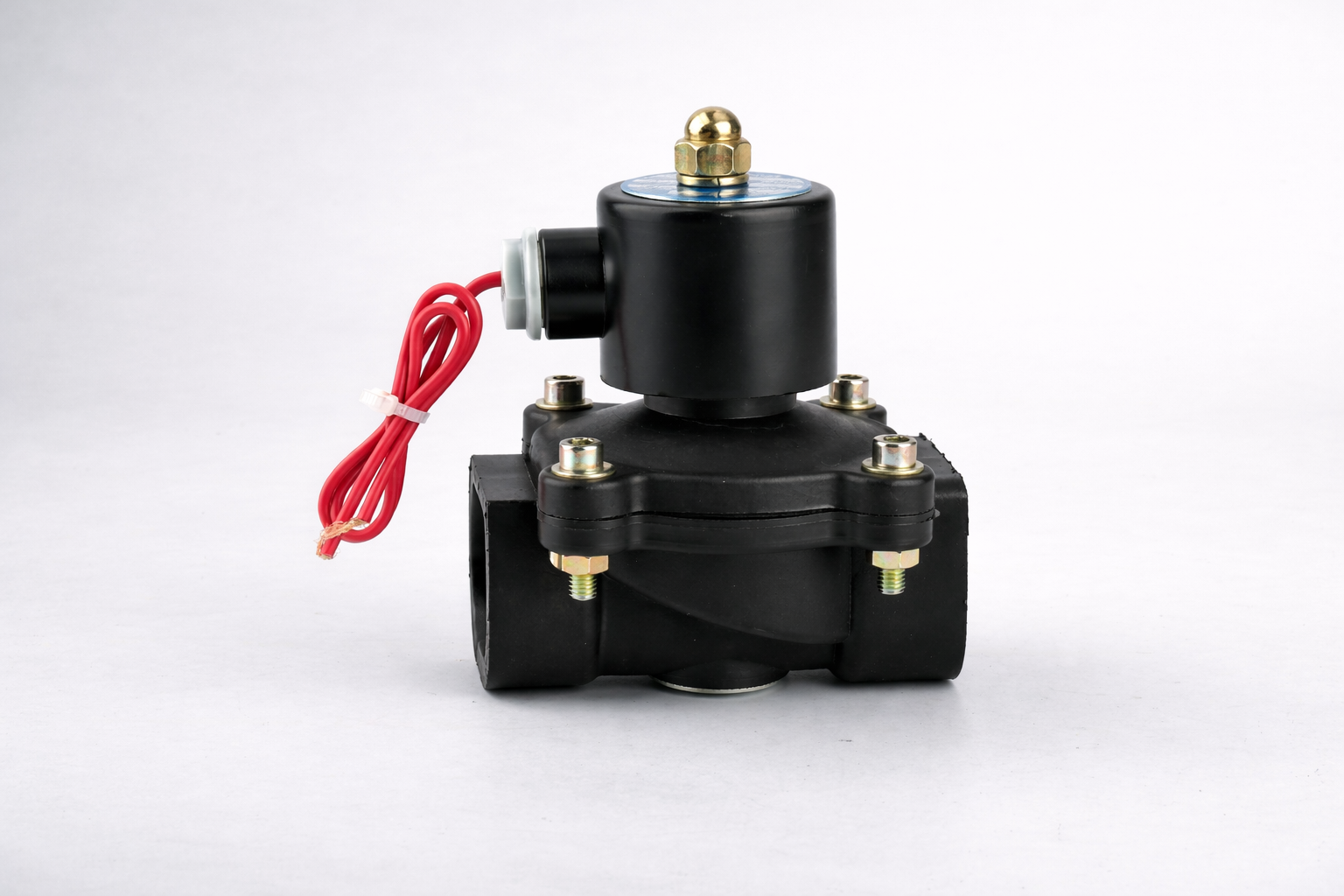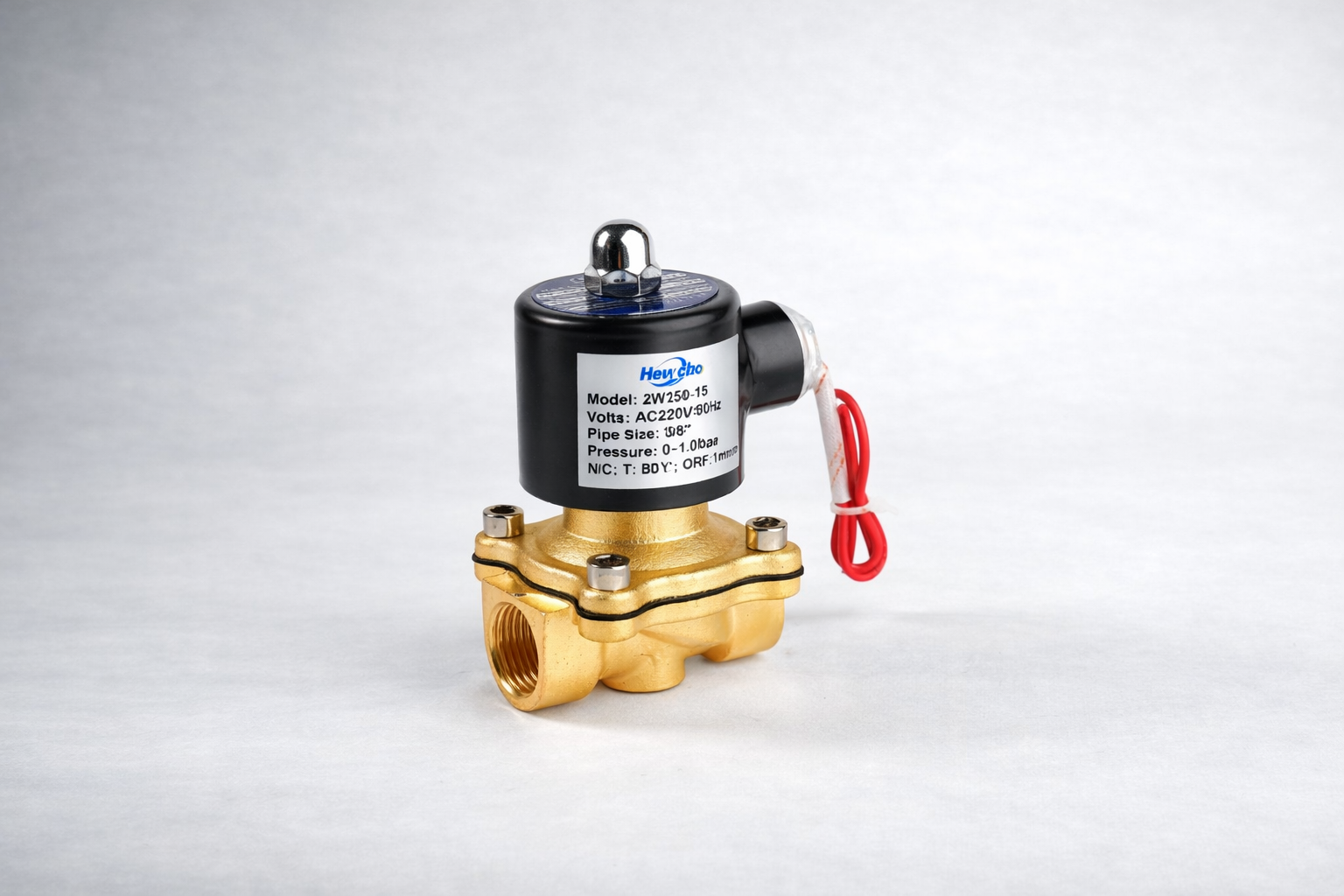
The seal material inside a solenoid valve is one of the most important factors that determine its reliability, chemical compatibility, and lifespan. Even if the valve body is strong and the coil is high quality, using the wrong seal can lead to leakage, swelling, cracking, or complete valve failure.
This simple guide explains the most common solenoid valve seal materials, their strengths, limitations, and how to choose the right one for your industrial application.
1. Why Seal Material Matters
Seals come in direct contact with the fluid. The wrong seal material can cause:
- Leakage
- Sticking or slow movement
- Seal deformation
- Shorter valve lifespan
- Chemical damage
- Unexpected system shutdowns
Choosing the right seal ensures safe and stable operation.
2. Common Solenoid Valve Seal Materials
Below are the four most widely used seal materials in industrial solenoid valves.
1. NBR (Nitrile / Buna-N)
Best for:
- Water
- Air
- Light oils
- Neutral fluids
Advantages:
- Affordable
- Good elasticity
- Works well in general-purpose applications
Limitations:
- Poor resistance to strong chemicals
- Not suitable for ozone or UV exposure
- Not recommended for hot water or steam
Typical temperature range: -20°C to +80°C
2. EPDM (Ethylene Propylene Diene Rubber)
Best for:
- Hot water
- Steam (moderate temperature)
- Weak acids
- Alkaline solutions
Advantages:
- Excellent heat resistance
- Good for water-based media
- Good chemical resistance in many applications
Limitations:
- Not compatible with oils or fuels
- Swells in hydrocarbons
Typical temperature range: -20°C to +140°C (depending on model)
3. FKM / Viton
Best for:
- Oils
- Fuels (diesel, gasoline)
- Chemicals
- Solvents
- High-temperature environments
Advantages:
- Excellent chemical resistance
- Withstands high temperatures
- Long service life in harsh fluids
Limitations:
- Not ideal for steam
- Higher cost than NBR or EPDM
Typical temperature range: -10°C to +180°C
4. PTFE (Teflon)
Best for:
- Strong acids
- Strong alkalis
- Aggressive chemicals
- High-purity or food applications
Advantages:
- Outstanding chemical resistance
- Non-stick and non-reactive
- Handles extreme conditions
Limitations:
- Less elastic
- Not ideal for tight sealing in low-pressure systems
- Requires special valve designs
Typical temperature range: -20°C to +200°C (or more depending on design)
3. Quick Selection Guide
| Medium | Recommended Seal |
|---|---|
| Water | NBR / EPDM |
| Hot water | EPDM |
| Steam | EPDM (high temp) |
| Oil | FKM |
| Fuel | FKM |
| Compressed air | NBR |
| Chemicals (mild) | FKM or EPDM |
| Strong acids | PTFE |
| Strong alkalis | PTFE |
4. Questions to Ask Before Choosing a Seal
To choose the best seal material, consider:
- What is the medium?
Water, oil, gas, fuel, acid, or alkali? - What is the temperature?
High temperatures may require EPDM, FKM, or PTFE. - What is the pressure?
Some materials perform differently under high pressure. - Any chemical exposure?
Always check compatibility charts for aggressive fluids. - Is the system continuous or intermittent?
Continuous operation may require higher-grade materials.
5. Final Thoughts
Choosing the right seal material is a small decision that makes a big difference in solenoid valve performance. The correct seal improves reliability, reduces maintenance, and extends the lifetime of your entire system.
If you want the next blog to cover valve troubleshooting, steam-rated solenoid valves, Cv/Kv calculation, material selection (brass vs SS), or installation mistakes to avoid, just tell me — I can generate it anytime。
Tell me to write and provide a new SEO‑optimized blog post in English about solenoid valves for my website. Keep language simple and natural for native English readers, focus on topics useful for industrial customers, and avoid weekends.
你说:
再生成一篇
ChatGPT 说:
下面是一篇全新的、SEO 友好、语言简单、适合工业客户阅读的英文电磁阀博客文章,可直接发布到你的网站。
How Duty Cycle Affects the Performance and Lifespan of Solenoid Valves
Many users focus on voltage, material, and pressure when selecting a solenoid valve — but duty cycle is just as important. Duty cycle determines how long a solenoid coil can stay energized without overheating or failing. Choosing the wrong duty cycle can lead to premature coil burnout, valve sticking, or unstable operation.
This article explains what duty cycle is, why it matters, and how to choose the correct type for your industrial application.
1. What Is Duty Cycle?
The duty cycle describes how long a solenoid valve can remain powered (energized) within a certain time period.
There are two main types:
- 100% duty cycle (continuous duty)
- Intermittent duty
Understanding the difference helps you pick the right valve for your system.
2. Continuous Duty (100% Duty Cycle)
A valve with a 100% duty cycle is designed to stay energized all the time.
Features:
- Can operate continuously without overheating
- Suitable for long-term or 24/7 systems
- Common in industrial automation
Best for:
- Cooling systems
- Water or air control loops
- HVAC equipment
- Pressure regulation systems
- Lines that require the valve to stay open for hours
These coils are built to handle heat and long operation cycles.
3. Intermittent Duty
Intermittent-duty valves are designed to operate for short periods, such as seconds or minutes, and must rest between cycles.
Features:
- Coil generates more heat
- Requires cooling time
- More energy-efficient for short bursts
Best for:
- Packaging machines
- Batch dosing
- Filling equipment
- Systems with fast on/off pulses
Using an intermittent-duty coil continuously may cause overheating or coil failure.
4. Why Duty Cycle Matters
Using a solenoid valve outside its intended duty cycle can result in:
- Coil overheating
- Faster insulation wear
- Increased noise
- Valve sticking
- Reduced service life
- Complete valve failure
Choosing the right duty cycle keeps your valve reliable and reduces maintenance.
5. How to Determine the Required Duty Cycle
Ask these simple questions:
1. How long will the valve stay energized?
- Hours at a time → continuous duty
- Short pulses → intermittent duty
2. Will the valve open and close frequently?
- Frequent cycling generates more heat
- Continuous-duty coils handle this better
3. What is the ambient temperature?
- Hot environments require stronger coils
- Continuous-duty coils resist heat better
4. How much space is available?
- Larger coils dissipate heat more effectively
- Small coils may require duty-cycle limitations
6. Additional Factors That Affect Duty Cycle
Voltage
Incorrect voltage can cause overheating.
Power rating (W or VA)
Higher wattage often means stronger force but more heat.
Mounting orientation
Poor orientation can trap heat around the coil.
Ventilation
Good airflow extends the coil’s lifespan.
7. Tips to Extend Coil Life
- Choose continuous-duty coils for long operation
- Avoid overheating by ensuring proper ventilation
- Use correct voltage (e.g., 24VDC, 110VAC, 220VAC)
- Consider low-power or pulse-coil options for energy savings
- Regularly clean valves to prevent plunger sticking
- Avoid installing valves near heat sources
These small steps can significantly extend coil and valve lifespan.
Final Thoughts
Duty cycle is a key factor in solenoid valve performance. Selecting the right coil type — continuous or intermittent duty — ensures stable operation, prevents overheating, and reduces maintenance costs.
If you want your next blog to cover water hammer control, steam-rated valves, valve installation tips, direct vs pilot valves, or material selection, just let me know — I can generate it anytime。