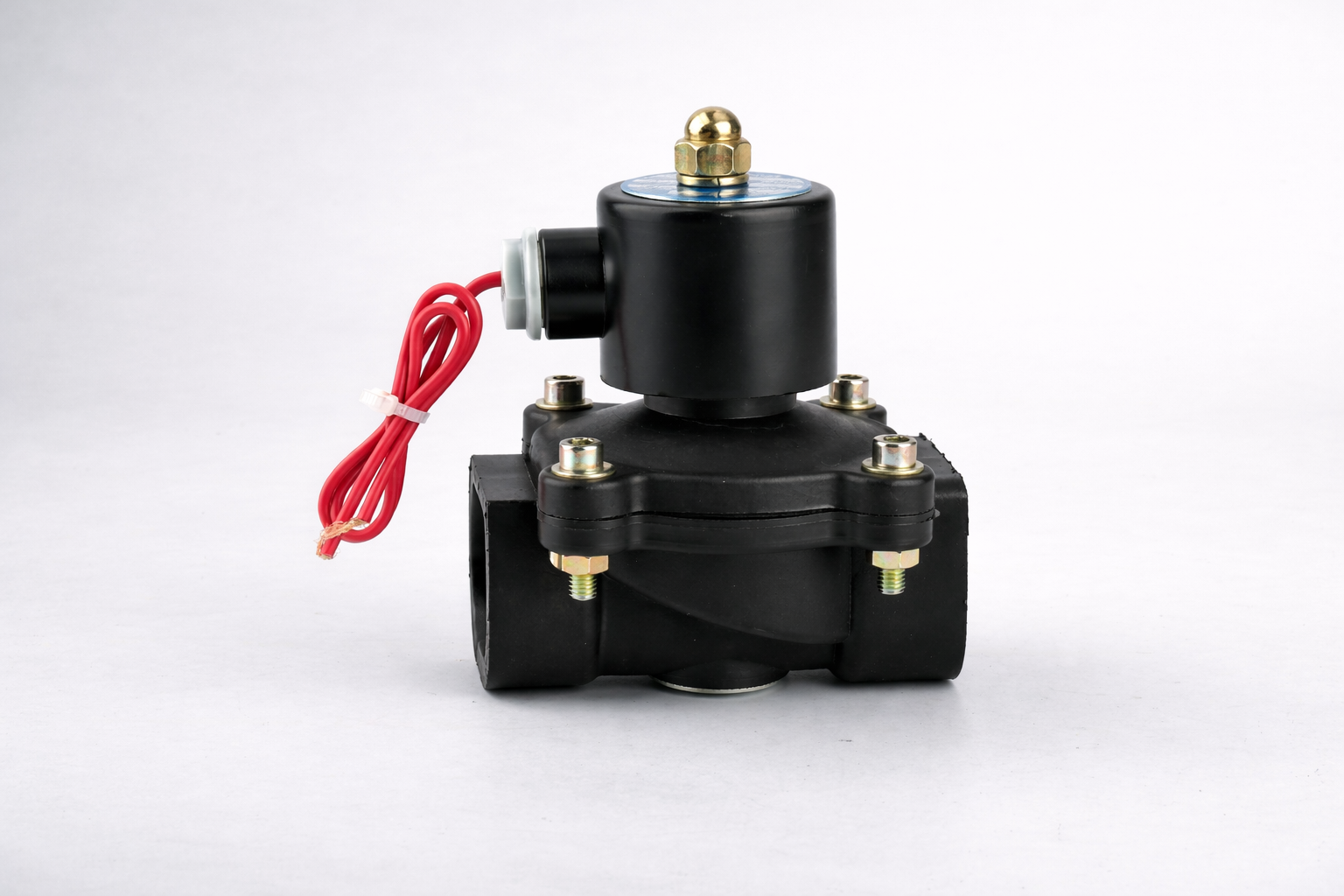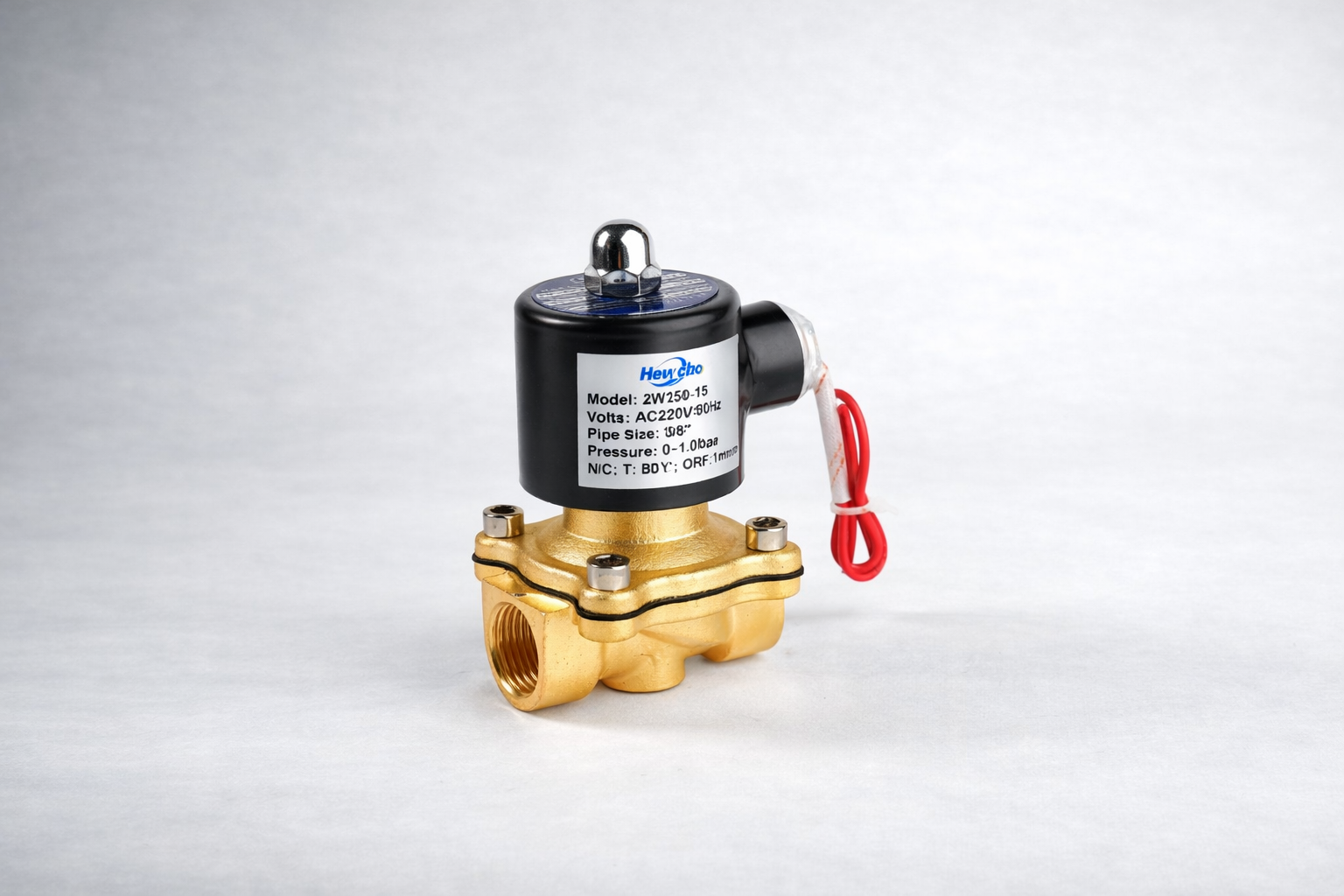
The coil is the “heart” of a solenoid valve. It creates the magnetic force that lifts the plunger and opens or closes the valve. Choosing the right coil type is essential for stable operation, long lifespan, and safe performance in industrial systems.
This article explains the differences between AC and DC solenoid coils, how they work, and how to choose the correct version for your application — all in clear, native-style English.
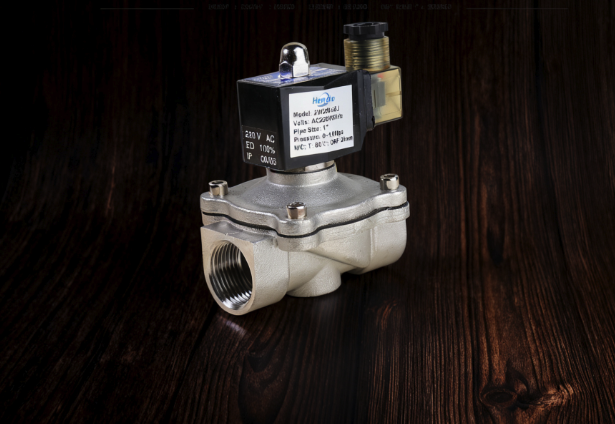
1. What Does a Solenoid Coil Do?
A solenoid coil converts electrical energy into magnetic force.
When energized:
- The coil generates a magnetic field
- The magnetic field pulls the plunger
- The valve opens or closes instantly
The coil’s design determines:
- Power consumption
- Response time
- Heat level
- Operating noise
- Compatibility with your power supply
2. AC vs DC Solenoid Coils
Solenoid coils typically come in AC (Alternating Current) and DC (Direct Current) versions. Each type has distinct characteristics.
AC Coils (110VAC / 220VAC)
Advantages
- Strong initial pull force
- Fast response
- Good for high-pressure or larger valves
- Simple wiring for many industries
Disadvantages
- More noise (“buzzing” sound)
- Higher heat generation
- Sensitive to voltage changes
- Not ideal for small or delicate applications
Best for
- Water systems
- Larger valves
- Industrial automation where AC power is already available
DC Coils (12VDC / 24VDC)
Advantages
- Quiet operation (no buzzing)
- Lower heat generation
- Stable magnetic force
- Safe for electronics, sensors, and control systems
Disadvantages
- Slightly slower response time
- Higher inrush current
- Requires DC power supply or transformer
Best for
- Pneumatic systems
- Battery-powered devices
- Mobile equipment
- Precise or quiet applications
3. Coil Power Ratings (Watt/Amp)
Coils come in different power ratings:
- Low-power coils (1–5W)
- Good for energy-saving applications
- Suitable for continuous operation
- Standard coils (6–20W)
- Most common
- Good balance of force and efficiency
- High-power coils (20W+)
- Used for high-pressure valves
- Suitable for sticky or viscous media
Important:
Higher wattage = stronger force, but more heat.
4. Encapsulation and Protection Levels
Coils may also differ in how they are constructed:
Epoxy Encapsulated Coils
- Moisture resistant
- Suitable for outdoor or humid areas
- Durable and long-lasting
Molded Coils
- High mechanical strength
- Good for industrial machinery
- Less likely to crack or break
IP65, IP67, IP68 Coils
- Protection against dust and water
- Required for outdoor, wash-down, or dirty environments
Choosing the right protection level prevents coil burnout and electrical failure.
5. Temperature Ratings
Coils generate heat during operation.
Always check:
- Ambient temperature
- Medium temperature
- Duty cycle
Wrong temperature rating may cause:
- Insulation failure
- Coil burnout
- Reduced lifespan
For high-temperature applications (steam, hot oil), special coils are required.
6. How to Choose the Right Solenoid Coil
To select the proper coil, consider:
- Power supply
- Do you need AC or DC?
- What voltage is available?
- Environment
- Wet, dusty, hot, or corrosive?
- Do you need IP65 or higher?
- Duty cycle
- Continuous or intermittent?
- Valve type
- Large valves may require stronger coils
- Pilot-operated valves often need less force
- Noise level requirements
- Use DC coils for quiet environments
- Energy consumption
- Use low-power coils when possible
Final Thoughts
The solenoid coil is a small component, but it plays a major role in valve performance. Choosing the right coil helps ensure:
- Stable operation
- Lower heat generation
- Long service life
- Improved reliability
- Compatibility with your power system
If you’d like your next article to cover steam-rated coils, IP protection, mounting tips, coil overheating issues, or solenoid valve troubleshooting, just let me know — I can write it anytime。