January 5, 2026
Eric Jiang
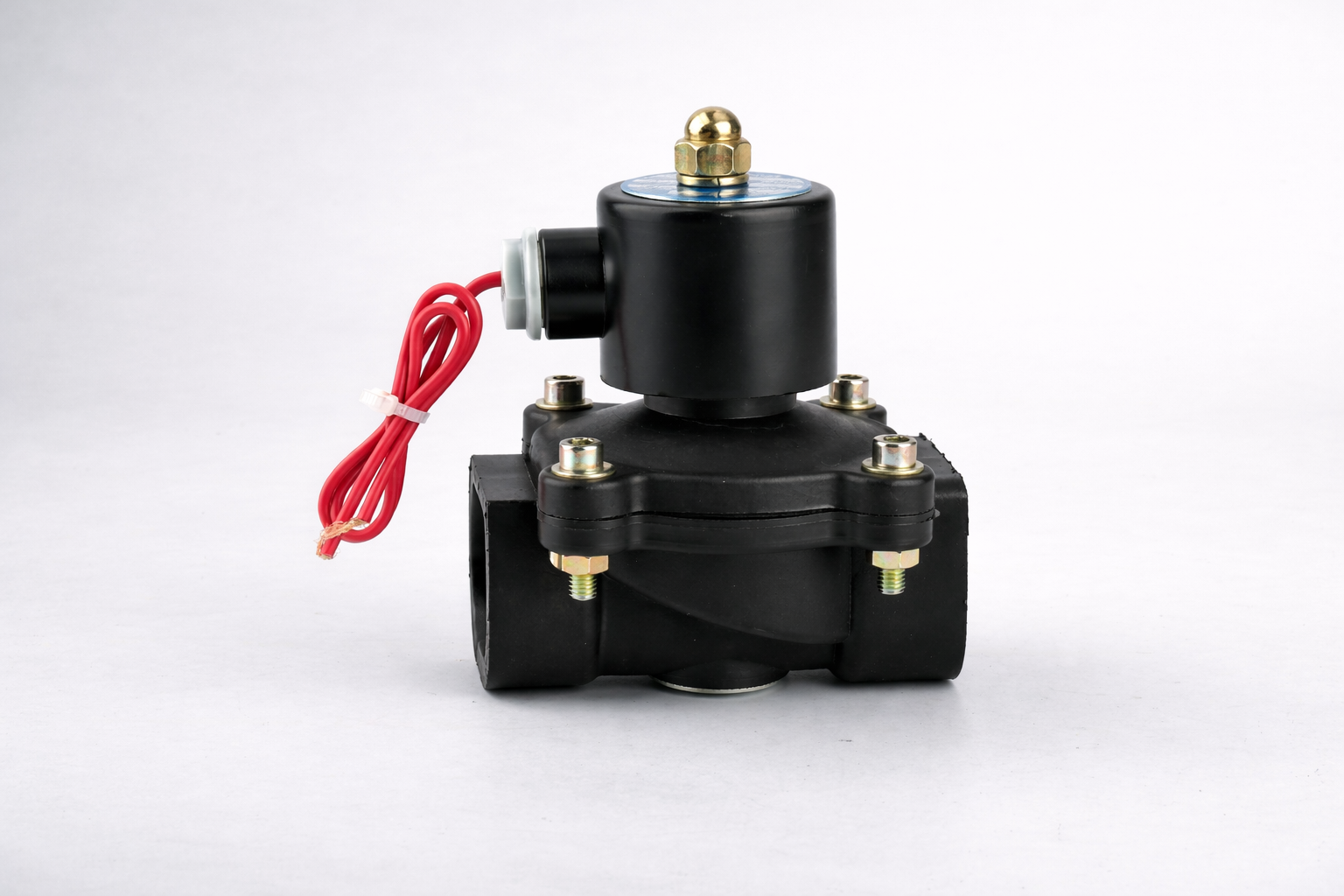
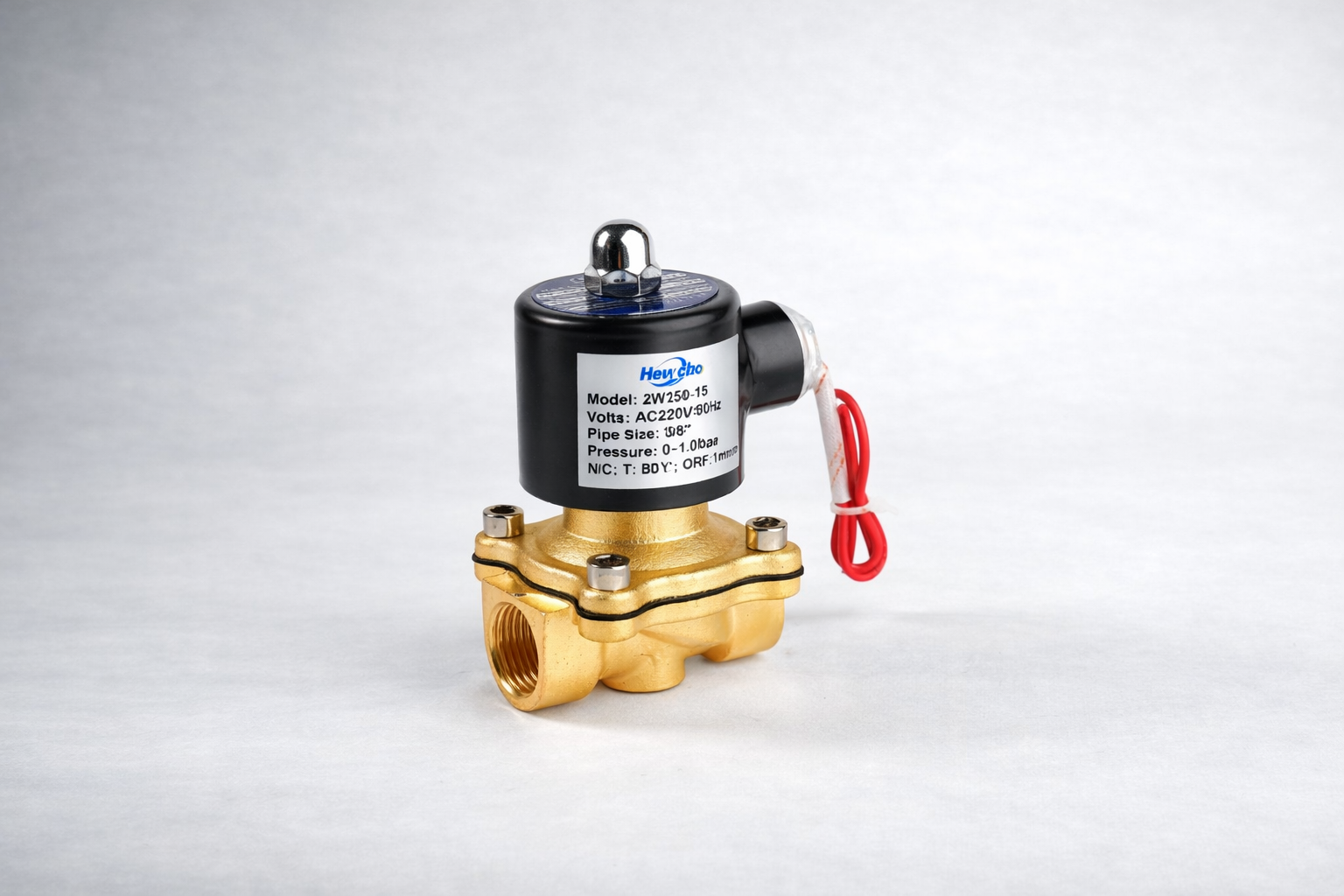
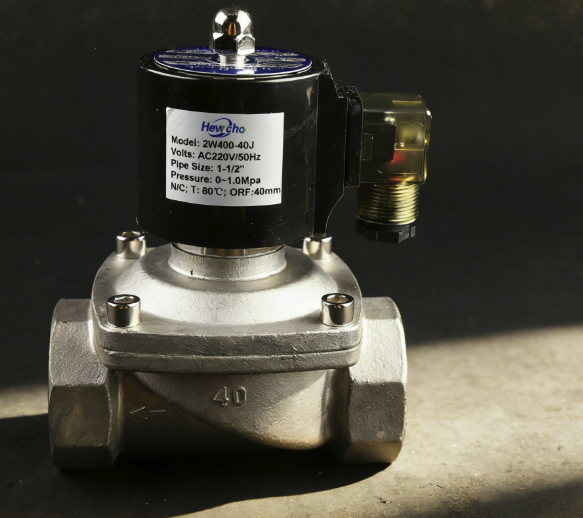
Solenoid valve
Steam systems are complex and often demand high levels of precision. Steam solenoid valves play a critical role in regulating the flow of steam, but like any component, they can face problems over time. When issues arise, it’s important to troubleshoot efficiently to minimize downtime and maintain smooth operation.
In this guide, we’ll go through the most common steam valve problems, their causes, and how to troubleshoot them.
1. Valve Not Opening
Symptoms:
- The coil energizes, but the valve does not open
- Steam flow is blocked, and the system does not operate
Common Causes:
- Low Differential Pressure (ΔP): Pilot-operated valves require a minimum pressure differential to open properly. If this pressure is too low, the valve will fail to open.
- Debris in Pilot Orifice: Dirt, scale, or rust buildup can block the pilot orifice, preventing the valve from opening.
- Incorrect Installation or Valve Orientation: If the valve is installed in the wrong direction, it might not function correctly.
Troubleshooting Steps:
- Check pressure levels to ensure the differential pressure is above the valve’s minimum required for operation.
- Inspect the pilot orifice for any blockages and clean it if necessary.
- Verify valve orientation and ensure the flow direction arrow matches the steam flow direction.
2. Valve Leaking When Closed
Symptoms:
- Steam escapes through the valve even when it’s supposed to be closed
- Energy loss or excess steam consumption
Common Causes:
- Damaged Seal: Over time, the valve seals can degrade, especially in high-temperature environments, leading to leakage.
- Improper Sizing: An oversized valve can cause excessive pressure within the valve, leading to leakage.
- Water Hammer: Sudden pressure changes from water hammer can damage the valve seat, causing it to leak.
Troubleshooting Steps:
- Inspect the valve seals for wear or damage, and replace them if necessary. Ensure the seal material matches the steam temperature and pressure.
- Check the valve sizing and compare it to the system’s actual steam flow. If the valve is oversized, consider replacing it with one of the correct size.
- Check for signs of water hammer and improve condensate drainage with a proper drip leg and steam trap.
3. Valve Chattering (Buzzing or Vibrating)
Symptoms:
- The valve cycles rapidly between open and closed, producing a buzzing or vibrating sound.
- The steam flow is unstable, and the system may not function as intended.
Common Causes:
- Oversized Valve: An oversized valve often leads to unstable steam flow, resulting in chattering.
- Low Differential Pressure (ΔP): Pilot-operated valves may chatter if the pressure differential is too low.
- Water Hammer or Condensate: Condensate accumulation can disrupt the valve’s operation, leading to vibration and unstable performance.
- Inadequate Coil Heating: The coil may not be generating enough heat to operate the valve correctly.
Troubleshooting Steps:
- Re-check the valve size to ensure it’s correctly matched to the steam load. Avoid oversizing, which can lead to chattering.
- Check the minimum differential pressure for pilot-operated valves, and verify that the steam system provides enough pressure to maintain stable operation.
- Improve condensate drainage by installing drip legs, steam traps, and ensuring proper pipe slope.
- Inspect the coil for proper heating and mounting. Ensure the coil is not exposed to excessive ambient heat or moisture.
4. Valve Sticking or Slow Response
Symptoms:
- The valve takes too long to open or close
- There’s a noticeable delay in the system’s response time when the solenoid valve is actuated
Common Causes:
- Sticking Solenoid: The solenoid may be dirty or malfunctioning, causing the plunger to stick or move slowly.
- Debris in the Valve: Foreign particles, scale, or rust in the valve can cause the valve to move sluggishly or stick.
- Insufficient Power to the Coil: If the voltage to the coil is too low or unstable, the solenoid valve may not function properly.
Troubleshooting Steps:
- Clean the solenoid and check for debris in the valve. Clean or replace any components that are obstructed.
- Check the electrical supply to ensure the coil is receiving the correct voltage and that there are no issues with the power supply or wiring.
- Inspect the plunger and seat for wear or corrosion. Replace any components that show signs of significant damage.
5. Valve Not Closing Properly
Symptoms:
- Steam continues to flow after the valve is supposed to be closed
- The valve makes a whistling sound as it struggles to close
Common Causes:
- Damaged Valve Seat: Over time, the valve seat may become damaged due to pressure surges or improper sealing.
- Incorrect Seal Material: The seal material may not be suitable for the temperature or pressure of the steam, causing it to fail.
- Debris or Scale Buildup: Debris or scale buildup can prevent the valve from sealing properly.
Troubleshooting Steps:
- Inspect the valve seat for damage, wear, or corrosion. Replace the seat if necessary.
- Check the seal material and ensure it is compatible with the steam temperature and pressure. Replace seals that are worn out or made from unsuitable materials.
- Clean the valve to remove any debris or scale buildup that might be preventing proper sealing.
6. Valve Overheating
Symptoms:
- The solenoid valve coil gets too hot to touch.
- The valve malfunctions, and the coil may burn out prematurely.
Common Causes:
- High Ambient Temperature: The valve may be installed too close to a heat source, causing the coil to overheat.
- Excessive Duty Cycle: Continuous operation of the solenoid valve can cause the coil to overheat if it’s not rated for continuous duty.
- Incorrect Coil Rating: If the coil is not rated for high-temperature steam or the ambient temperature around the valve, it can burn out quickly.
Troubleshooting Steps:
- Ensure proper coil mounting: Mount the coil upright and keep it away from hot steam lines, heat exchangers, or other sources of heat.
- Use the correct coil: Ensure the solenoid coil is rated for continuous duty and capable of handling the ambient temperature around the valve.
- Install heat shields or remote coil assemblies if the valve is located near high heat.
Final Thoughts
Troubleshooting steam solenoid valves requires a systematic approach to identifying the root cause. By understanding common problems such as valve not opening, leakage, chattering, or overheating, and knowing how to address them, you can minimize downtime, increase system reliability, and prevent premature valve failure.
If you’d like the next blog to focus on preventive maintenance for steam solenoid valves, how to select the best valve for your application, or how to properly size a steam valve, feel free to let me know. I’m here to help with more practical, SEO-optimized content!
Let me know if you need more specific advice or have other questions!