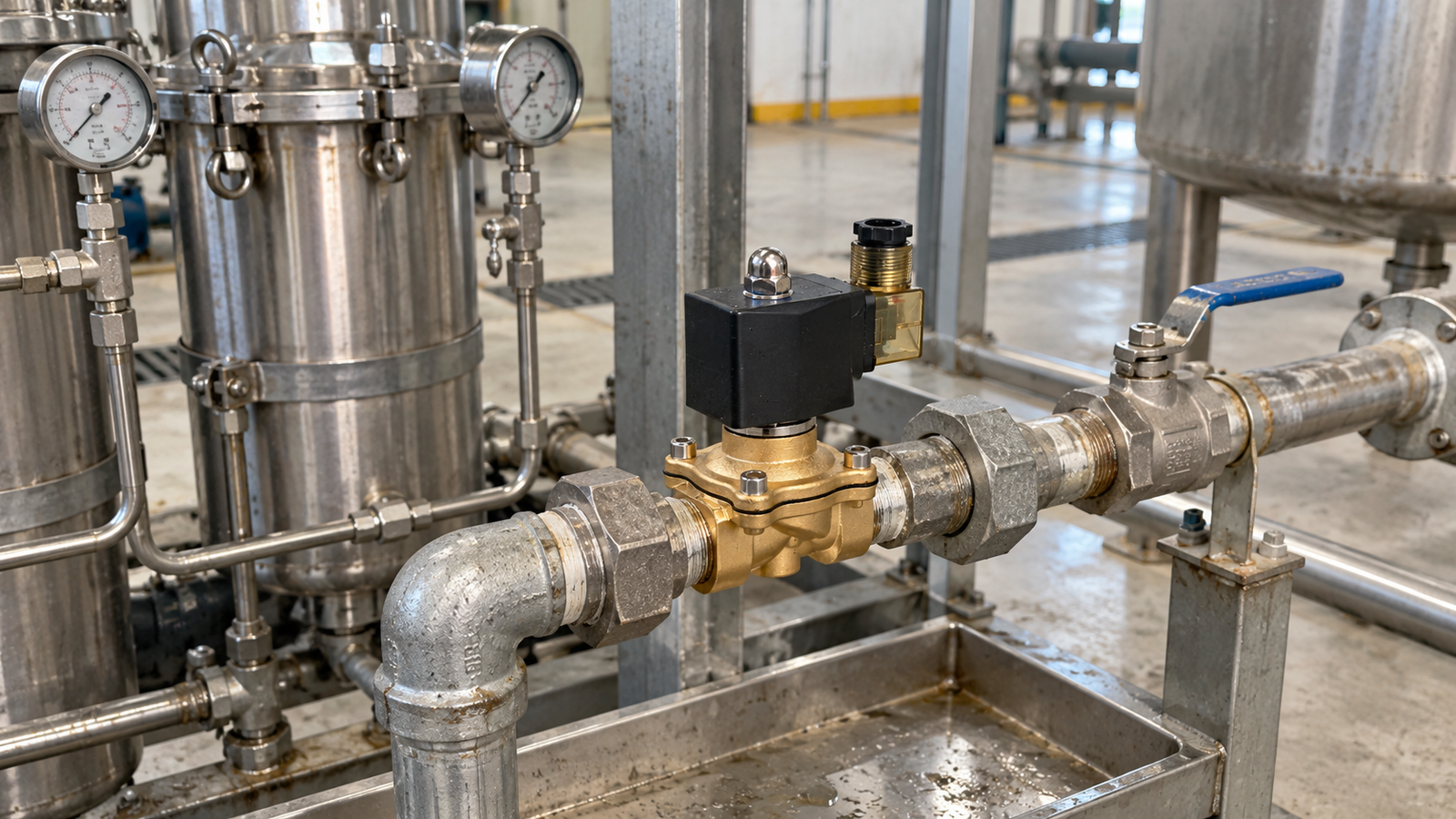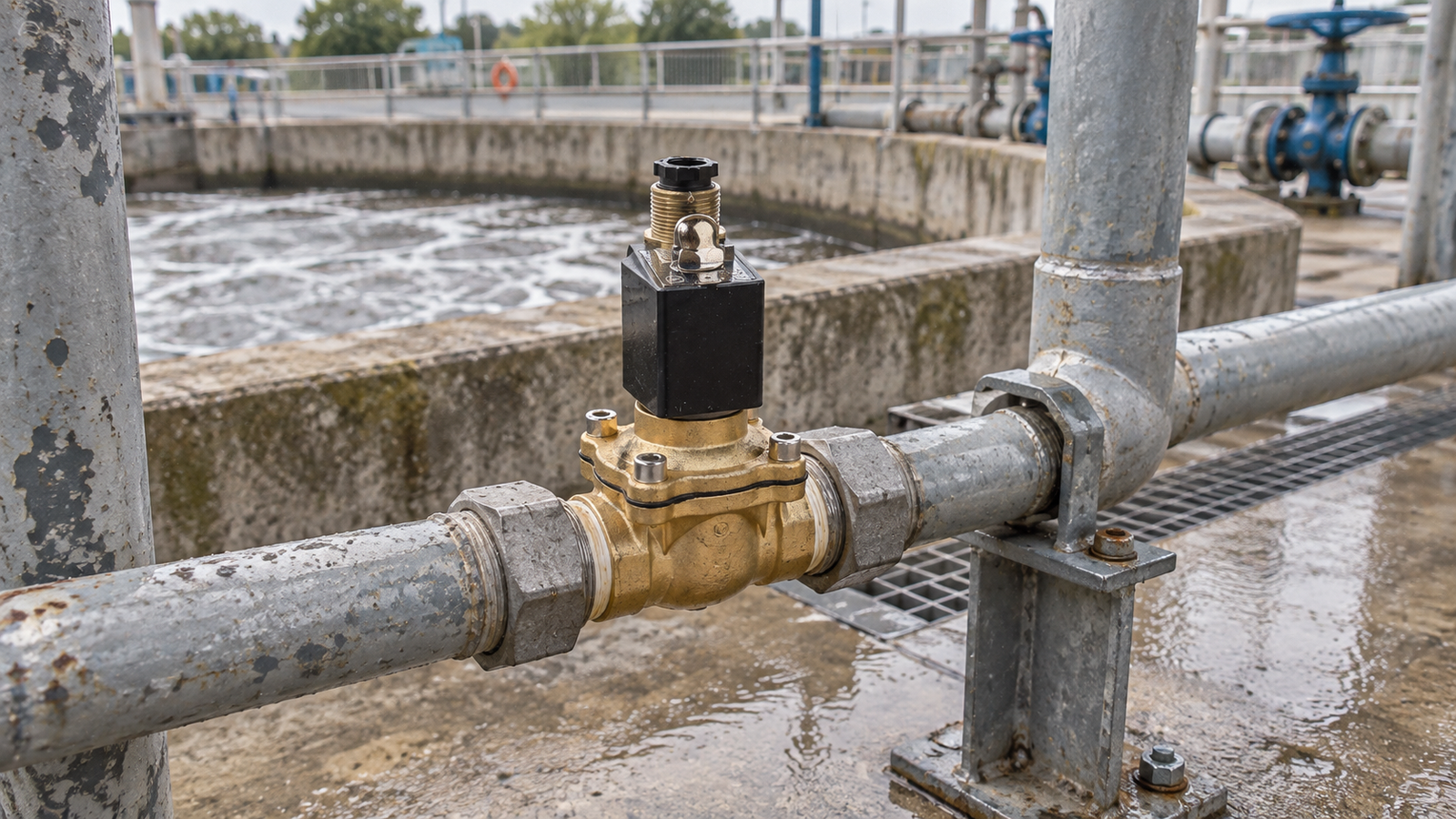
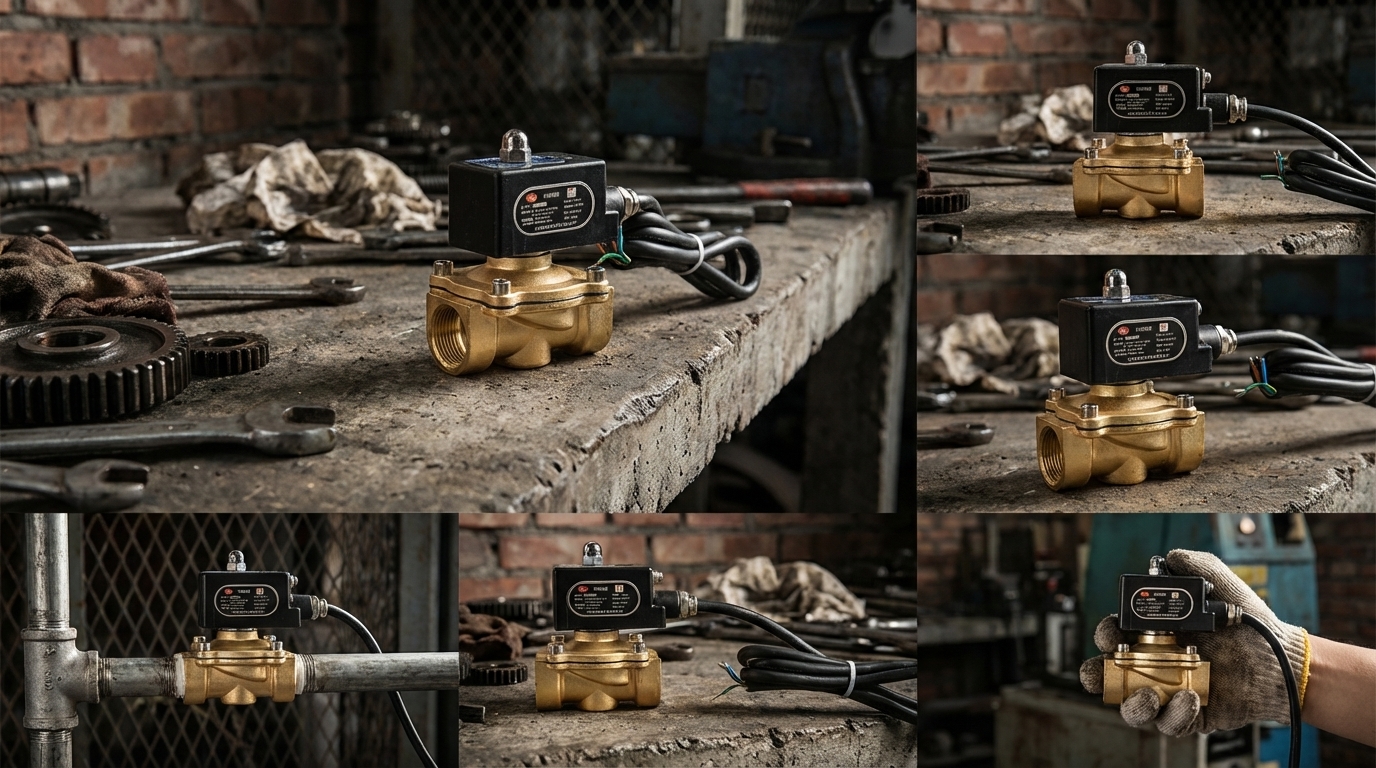
In industrial automation, the mechanical components of a solenoid valve—the brass body, the stainless steel plunger, the premium elastomer seals—often get the most attention. However, the most vulnerable part of any solenoid valve is actually its electrical heart: the magnetic coil.
If dust, dirt, or moisture penetrates the coil housing, it will cause a short circuit, leading to immediate valve failure and unexpected system downtime. To prevent this, engineers rely on the IP (Ingress Protection) Rating system.
Understanding exactly what these ratings mean is critical for selecting a valve that will survive in your specific facility, whether it is a cleanroom, a commercial car wash, or an outdoor irrigation system.
What is an IP Rating?
Developed by the International Electrotechnical Commission (IEC), the IP code is a two-digit number that classifies the degree of protection provided by an electrical enclosure against intrusions.
- The First Digit (0-6): Indicates the level of protection against solid objects, ranging from large tools down to microscopic dust particles.
- The Second Digit (0-8): Indicates the level of protection against liquids, ranging from light condensation to complete underwater submersion.
The Most Common IP Ratings for Solenoid Valves
When sourcing solenoid valves, you will typically encounter four main IP classifications. Here is what they actually mean for your fluid control system:
1. IP54: General Purpose and Indoor Use
- Solid (5): Dust-protected. Some dust may enter, but not enough to interfere with the safe operation of the equipment.
- Liquid (4): Protected against splashing water from any direction.
- Best Application: IP54 coils, like those often found with DIN connectors, are the baseline standard. They are perfectly suited for general indoor factory environments, clean pneumatics, and HVAC systems where direct water exposure is highly unlikely.
2. IP65: The Industrial Standard
- Solid (6): Dust-tight. Completely prevents the ingress of any dust.
- Liquid (5): Protected against low-pressure water jets from any direction.
- Best Application: This is the workhorse rating for industrial solenoid valves. If your valves are located in a food processing plant that requires daily wash-downs, or in a manufacturing area exposed to splashing coolants, an IP65 enclosure is the minimum requirement to ensure longevity.
3. IP67: Outdoor and Harsh Environments
- Solid (6): Dust-tight.
- Liquid (7): Protected against the effects of temporary immersion in water (up to 1 meter deep for 30 minutes).
- Best Application: IP67 valves are essential for outdoor installations exposed to heavy rain, snow, and extreme weather. They are also highly recommended for municipal water treatment facilities, agricultural irrigation manifolds, and marine environments where temporary flooding is a distinct possibility.
4. IP68: Continuous Submersion
- Solid (6): Dust-tight.
- Liquid (8): Protected against continuous submersion in water under conditions specified by the manufacturer (usually deeper than 1 meter).
- Best Application: These are highly specialized valves with fully encapsulated, waterproof coils. They are required for underwater fountains, deep wells, underwater pipelines, and submersible pumping systems.
The Hidden Threat: Condensation
A common mistake engineers make is purchasing a highly rated IP65 or IP67 valve, only to have the coil short out due to internal condensation.
If a valve is operating a cold fluid (like chilled water or refrigerants) in a warm, humid environment, the temperature difference will cause moisture to condense inside the coil housing, regardless of the IP rating. The IP rating keeps water out, but it also traps moisture inside. In these specific applications, you must look for valves with fully potted or encapsulated coils, where the copper windings are completely sealed in solid epoxy, making condensation a non-issue.
Conclusion
Over-specifying your IP rating can needlessly increase your component costs, but under-specifying it guarantees premature failure. By carefully evaluating the environmental threats surrounding your pipeline—whether it is airborne dust, heavy wash-downs, or potential flooding—you can select the exact IP rating required to keep your fluid control system running flawlessly for years to come.