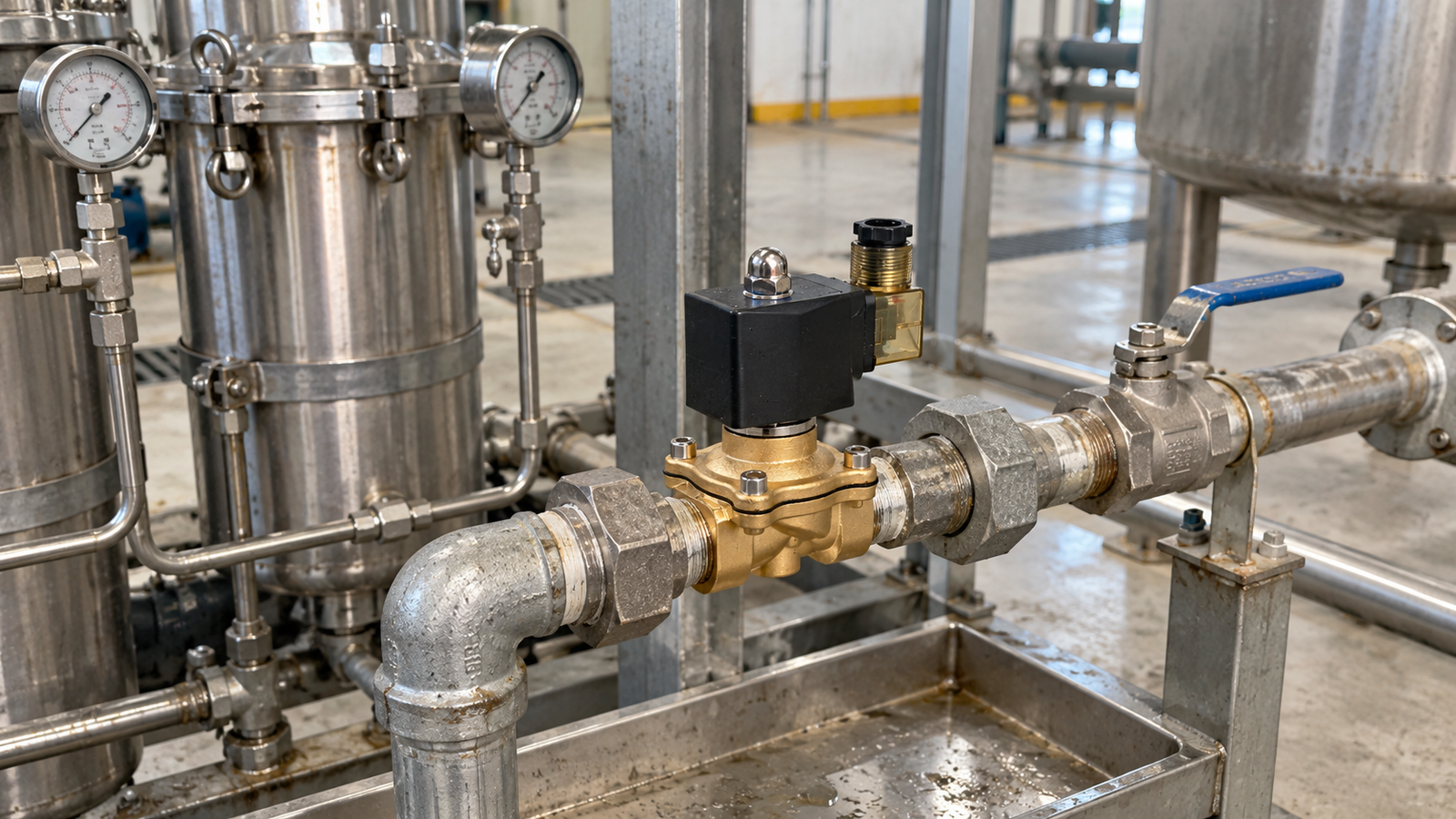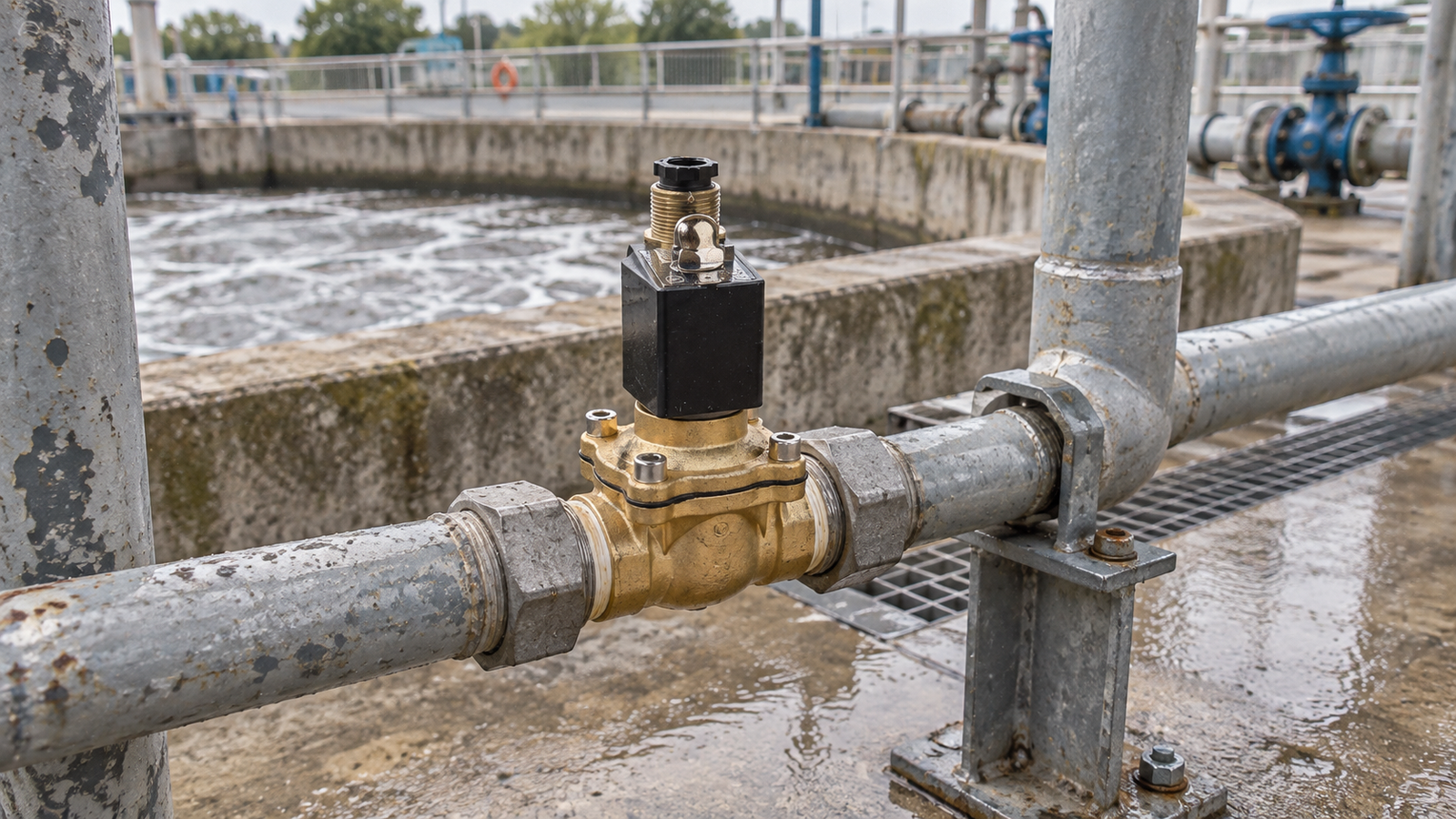
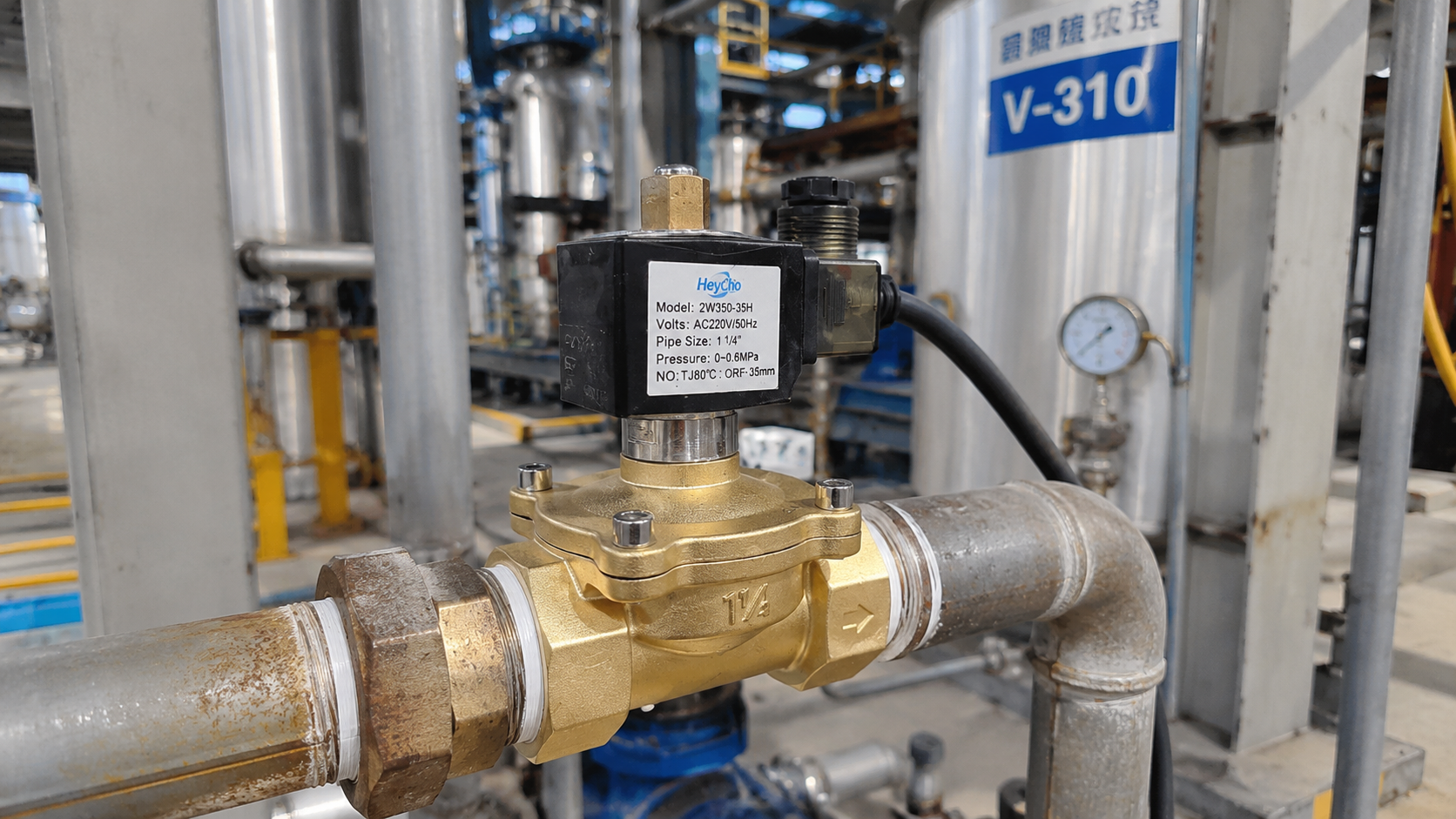
When engineering a fluid control system, it is easy to focus all your attention on the wetted components. You select the perfect 2-way brass valve body, calculate the precise flow rate, and specify premium Viton seals to handle the internal fluid.
However, the internal fluid is only half the battle. The electrical “brain” of the valve—the electromagnetic coil—must survive the external environment. Whether installed in a dusty grain silo, a humid car wash, or an outdoor agricultural field, if the external environment breaches the coil housing, the electrical windings will short circuit, and the valve will instantly fail.
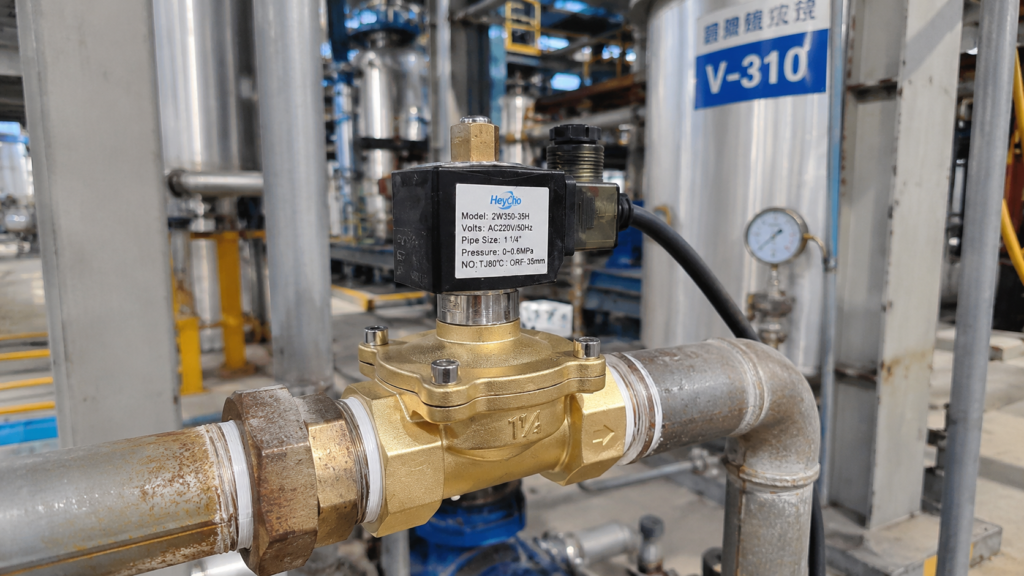
To guarantee electrical reliability, fluid control engineers rely on the Ingress Protection (IP) rating system. If you are sourcing 2-way solenoid valves for industrial distribution or OEM machinery, understanding IP ratings is mandatory. Here is the technical guide to ensuring your electrical coils are protected against dust, water, and catastrophic failure.
1. Decoding the IP Rating System
The IP rating system is an international standard (IEC 60529) that defines exactly how well an electrical enclosure seals against foreign bodies. It consists of two numbers following the letters “IP.”
- The First Number (Solid Protection): Indicates the level of protection against solid objects, ranging from tools and wires down to microscopic dust. It is graded on a scale of 0 to 6.
- The Second Number (Liquid Protection): Indicates the level of protection against moisture and water ingress. It is graded on a scale of 0 to 9.
For industrial 2-way solenoid valves, you should rarely accept a solid protection rating lower than 6 (which means the coil is completely “Dust Tight”). The engineering decisions almost entirely revolve around the second number: liquid protection.
2. IP65: The Industrial Standard
If you purchase a high-quality, general-purpose 2-way solenoid valve off the shelf, it will typically come equipped with an IP65-rated coil and DIN connector.
- What it means: The “6” guarantees absolutely no dust can enter the coil. The “5” means the housing is protected against low-pressure water jets from any direction.
- Best Applications: IP65 is the workhorse of indoor industrial automation. It is perfectly suited for standard manufacturing floors, HVAC systems, and compressed air lines where the valve might occasionally get splashed or gently washed down during routine facility cleaning.
- The Limitation: IP65 coils cannot survive being completely submerged, nor can they withstand high-pressure pressure washers.
3. IP67: The Outdoor and Heavy Washdown Upgrade
When the 2-way valve leaves the safety of an indoor factory, the environmental threats escalate rapidly. For these scenarios, you must upgrade your specification to IP67.
- What it means: The “7” signifies that the coil is protected against temporary liquid immersion (up to 1 meter of water for 30 minutes).
- Best Applications: IP67 is mandatory for outdoor environments. If your 2-way valve is managing agricultural irrigation, exposed to torrential rain, or installed in a food processing facility subjected to aggressive, high-pressure chemical washdowns, IP67 ensures the electrical connections remain completely dry.
- How it is achieved: To achieve IP67, manufacturers often utilize fully encapsulated (epoxy-potted) coils and highly robust, gasket-sealed electrical connectors.
4. IP68: The Submersible Requirement
Water features, fountains, and underground municipal water vaults present the ultimate environmental challenge. If a 2-way valve operates underwater, an IP65 or IP67 coil will eventually fail due to hydrostatic pressure forcing water past the standard gaskets.
- What it means: The “8” rating guarantees the coil is protected against continuous, long-term submersion in water under pressure.
- Best Applications: Decorative fountains, underwater RO systems, and underground drainage pits that frequently flood.
- The Engineering Difference: You cannot achieve an IP68 rating using a standard plug-in DIN connector. An IP68 2-way solenoid valve requires a specially designed coil where the electrical lead wires are physically molded and permanently sealed into the epoxy resin at the factory.
5. The Weakest Link: Installation Errors
A critical warning for maintenance teams and buyers: an IP rating is only valid if the valve is installed correctly. The majority of “coil failures” in the field are not due to factory defects, but rather improper assembly of the DIN connector.
If a technician forgets to install the square rubber gasket between the coil and the DIN plug, or fails to tighten the retaining screw adequately, a premium IP67 coil instantly drops to an IP00 rating. Moisture will wick directly down the electrical pins, causing an immediate short circuit. Always ensure your installation teams strictly follow the assembly guidelines for sealed electrical connectors.
Conclusion
A heavy-duty brass 2-way valve body is useless without a reliable electrical coil to actuate it. By accurately evaluating the external threats of your specific application and matching them to the correct IP65, IP67, or IP68 standards, you ensure your automated fluid control systems remain fully operational, regardless of the weather, dust, or washdown procedures they face.