In the modern world of automation, industries are constantly seeking more efficient, reliable, and cost-effective ways to manage their systems. One of the essential components helping to drive this transformation is the solenoid valve. Whether it’s in large-scale manufacturing, HVAC systems, or fluid processing, solenoid valves are crucial for controlling the flow of liquids and gases with precision and speed. These small devices have a big impact on system performance, reliability, and energy efficiency.

What is a Solenoid Valve?
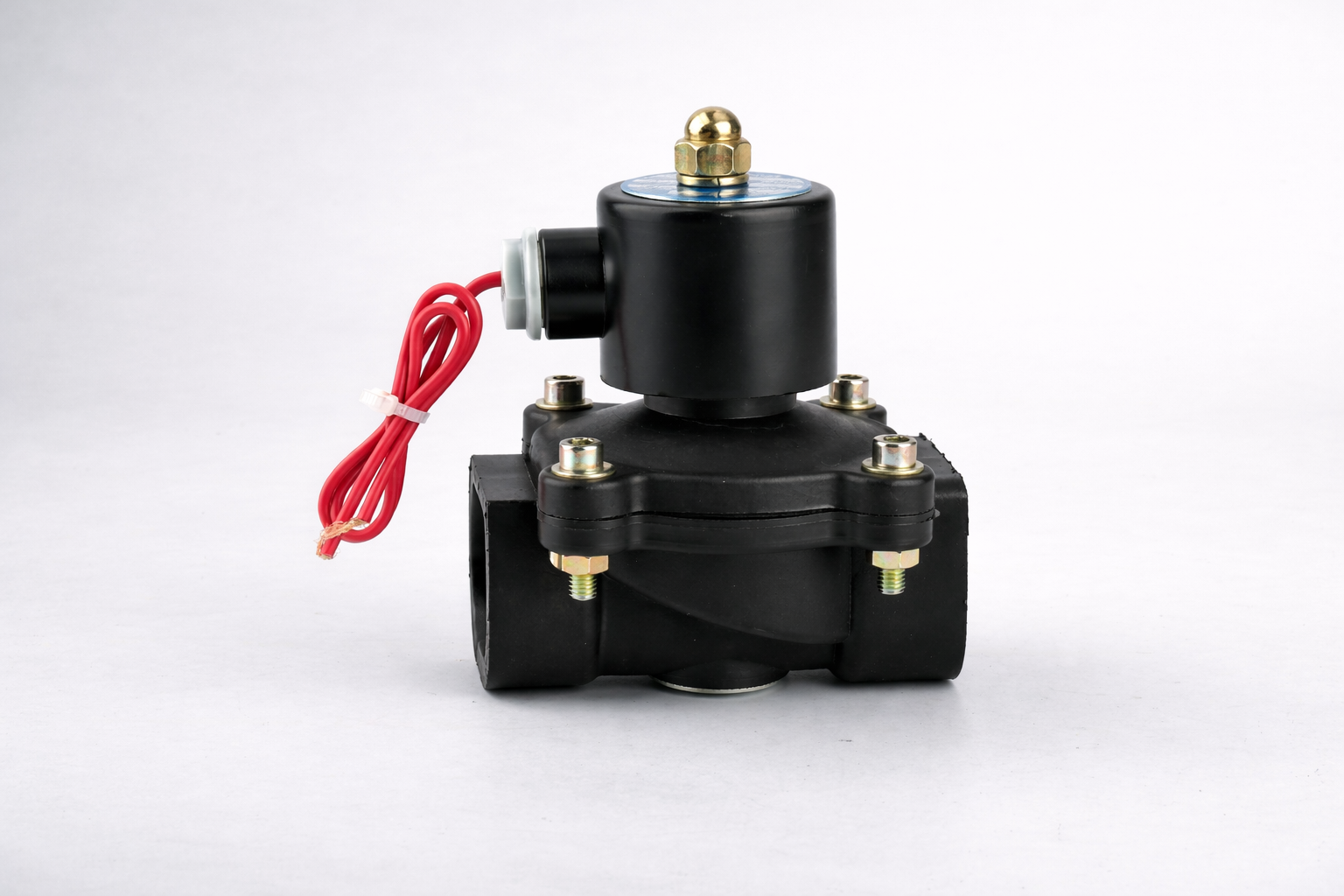
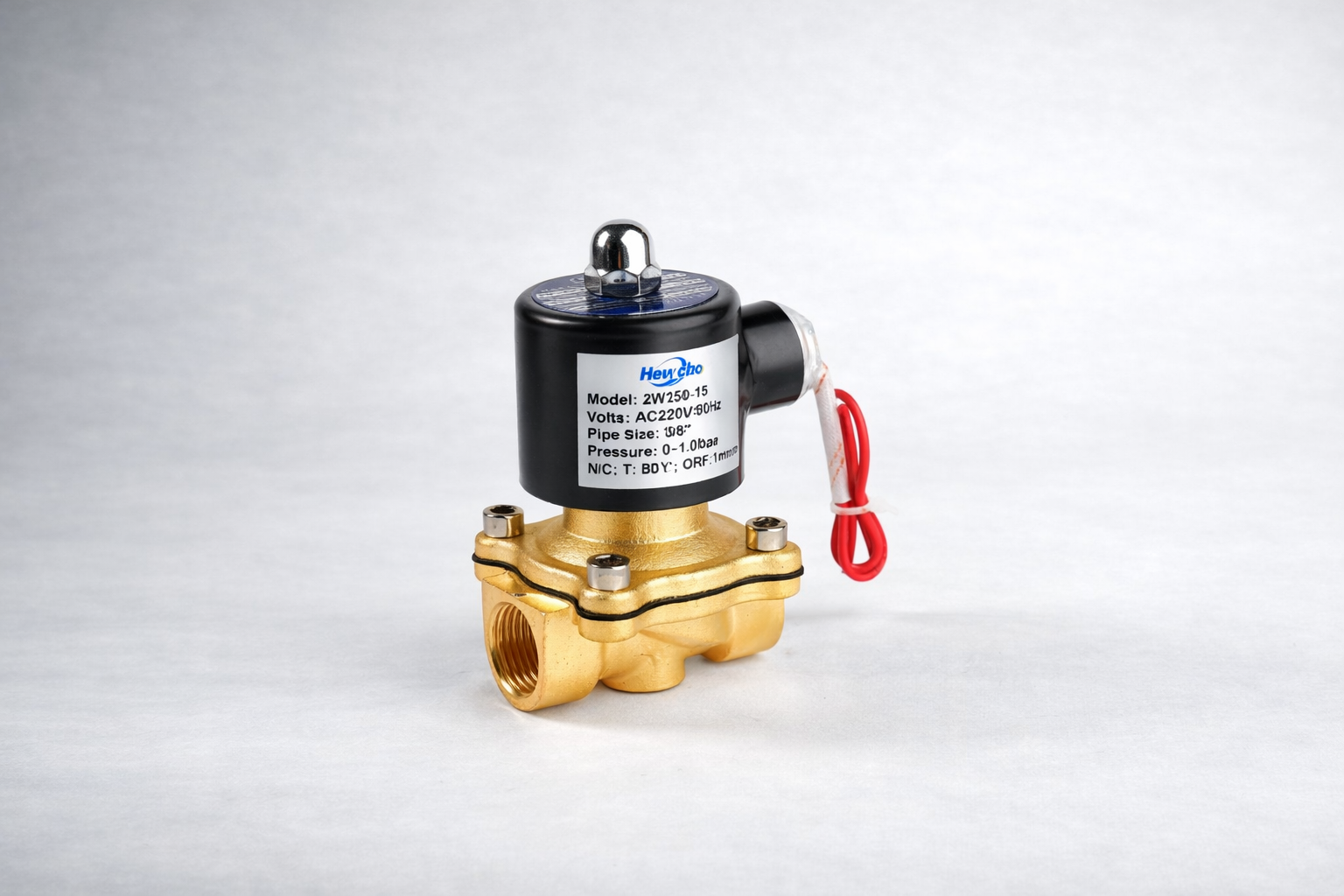
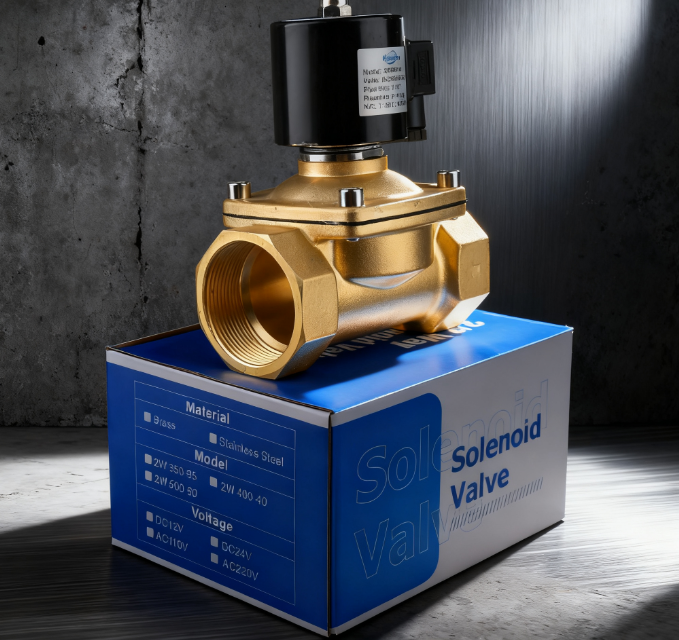
A solenoid valve is an electromechanical valve used to control the flow of fluids or gases within a system. The valve operates through an electrical current passing through a coil (the solenoid), generating a magnetic field that opens or closes the valve to allow or block the flow of fluids. Solenoid valves come in different sizes and configurations, each designed to meet the needs of various applications. Their role is essential in maintaining the efficiency and reliability of industrial systems.
Types of Solenoid Valves and Their Applications
- 2-Way Solenoid Valves: These are the most basic type of solenoid valve, with two ports (an inlet and an outlet) for controlling the flow of fluid. A 2-way valve is typically used for simple on/off control of water, air, or gas in applications such as irrigation systems, heating systems, and water treatment plants.
- 3-Way Solenoid Valves: These valves have three ports, which makes them ideal for diverting or mixing fluids. A 3-way valve can either direct the flow to one port or mix two different fluids before releasing them. These valves are widely used in pneumatic systems, refrigeration units, and fluid-handling applications.
- 4-Way Solenoid Valves: These valves are used to control multiple flow paths, allowing for more complex fluid control. They are often employed in pneumatic systems that use double-acting cylinders, such as those found in automated machinery and robotic arms.
The Key Benefits of Solenoid Valves in Automation
- Precise Flow Control: Solenoid valves provide highly accurate control over the flow of liquids and gases. In systems where precision is critical—such as in pharmaceutical production, chemical processing, or food manufacturing—solenoid valves ensure that fluid flows are tightly regulated, avoiding wastage or contamination.
- Rapid Response Time: One of the major advantages of solenoid valves is their speed. These valves can open and close almost instantaneously in response to electrical signals, making them ideal for systems that require fast, real-time adjustments. For example, in an automated production line, solenoid valves can help control the flow of air, water, or steam without causing delays in the process.
- Space-Saving and Efficient: The compact size of solenoid valves allows them to be installed in systems where space is limited. Despite their small size, solenoid valves offer high performance, making them a great solution for industries with space constraints, such as in HVAC systems, laboratory equipment, and automotive manufacturing.
- Energy Efficiency: Since solenoid valves are electrically operated, they consume only the amount of energy needed to open or close the valve. This makes them more energy-efficient compared to manual or mechanical valves, which can require more power to operate. The efficiency of solenoid valves contributes to overall cost savings in large-scale industrial operations.
- Low Maintenance: Solenoid valves are built to last with minimal maintenance. With fewer moving parts than traditional valves, they experience less wear and tear over time. This durability translates to fewer replacements and repairs, reducing downtime and maintenance costs for industrial systems.
How to Choose the Right Solenoid Valve
Selecting the right solenoid valve is crucial for ensuring that your system operates smoothly and efficiently. Here are some factors to consider when making your choice:
- Fluid Type: Different fluids require different materials for optimal valve performance. For example, if you’re working with corrosive chemicals, you may need a solenoid valve made from stainless steel or other resistant materials. For simpler fluids like water, brass or plastic may suffice.
- Pressure and Temperature: Every solenoid valve has a specific pressure and temperature rating. Be sure to select a valve that matches the operational pressure and temperature conditions of your system. Using a valve that is rated for higher or lower pressures than required can lead to valve failure or inefficient performance.
- Flow Rate: The flow rate of your system should match the flow capacity of the solenoid valve. A valve that is too small will restrict the flow, while a valve that is too large could waste energy and increase operating costs.
- Voltage Requirements: Solenoid valves are available in different electrical configurations, including AC and DC models. Be sure to choose a valve that is compatible with your system’s electrical requirements to ensure smooth and reliable operation.
Why Choose Us for Your Solenoid Valve Solutions?
At [Your Company Name], we offer a comprehensive range of solenoid valves designed to meet the specific needs of various industries. Whether you’re automating a small system or integrating solenoid valves into a large industrial process, our team of experts is here to help you select the perfect solution.
We provide solenoid valves that are durable, energy-efficient, and easy to integrate into your systems. Our products are designed for longevity and reliability, ensuring that your operations run smoothly with minimal downtime.
Conclusion
Solenoid valves are vital components in modern industrial automation, offering precise control, rapid actuation, and energy efficiency. Their compact size and versatility make them an ideal choice for a wide range of applications, from simple on/off control to complex fluid handling systems. If you’re looking for reliable and high-quality solenoid valves for your systems, contact us today, and our team will guide you through selecting the perfect valve for your needs.