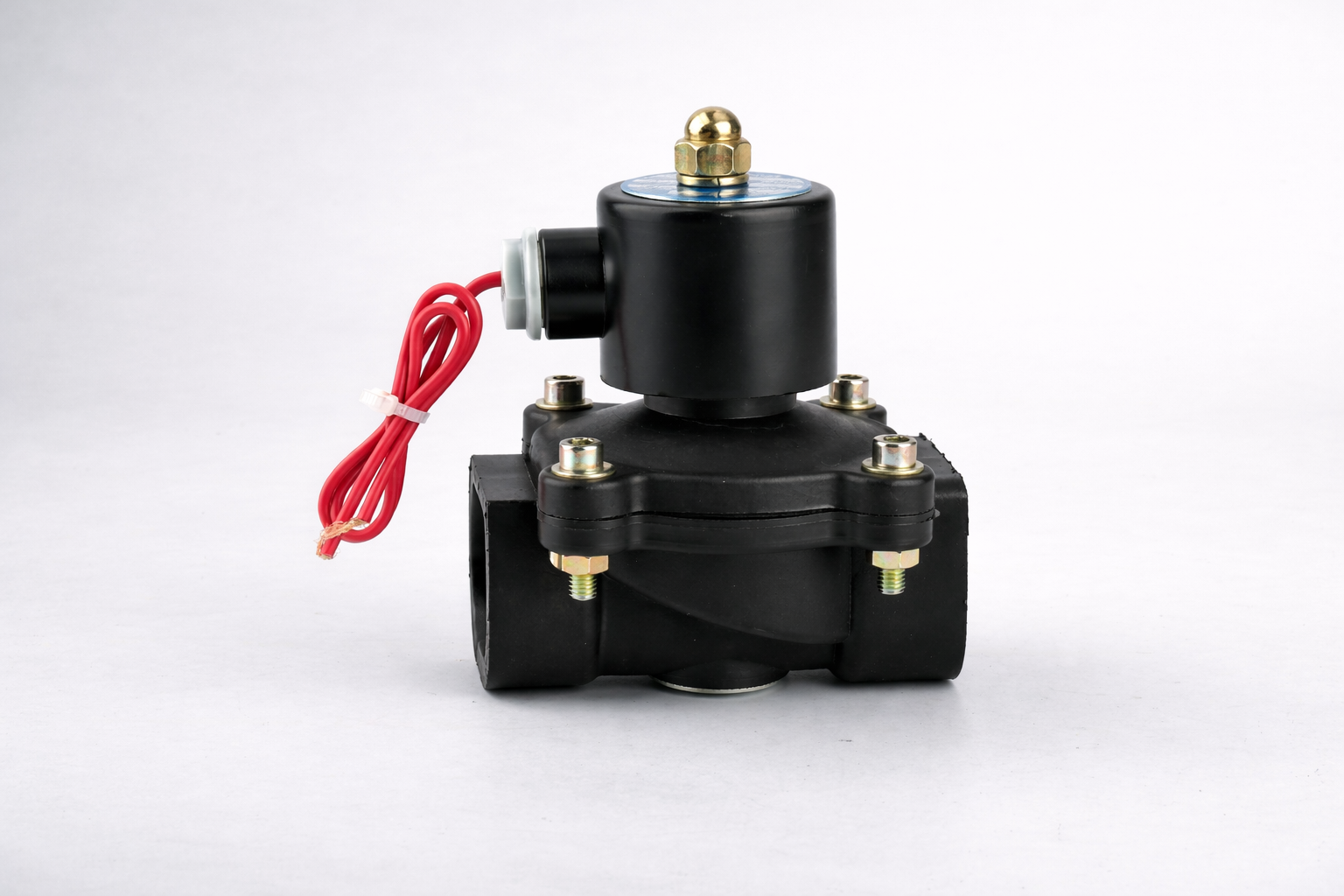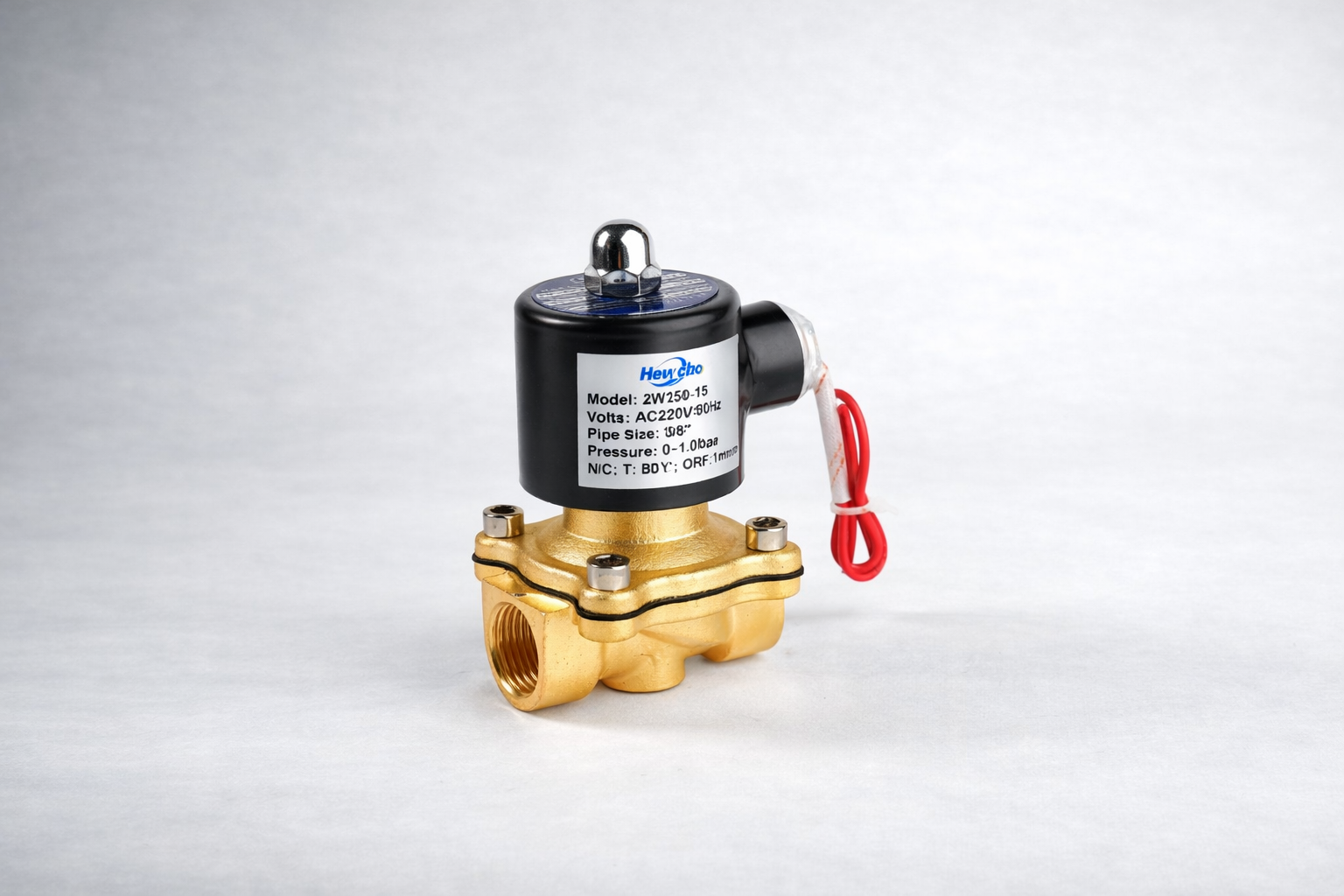
When it comes to controlling the flow of fluids or gases in automated systems, solenoid valves are essential components that ensure efficiency, precision, and reliability. Whether you’re dealing with water, air, or chemicals, selecting the right solenoid valve is crucial for the overall performance of your system. In this blog post, we’ll walk you through the key considerations and steps you should follow to choose the best solenoid valve for your specific needs.
What is a Solenoid Valve?
A solenoid valve is an electrically operated valve that controls the flow of fluids or gases. It uses an electromagnetic coil (the solenoid) to create a magnetic field when electricity flows through it, which in turn opens or closes the valve. This simple yet effective design allows solenoid valves to provide accurate flow control in a wide range of applications.
Key Considerations for Choosing a Solenoid Valve
1. Determine the Type of Solenoid Valve You Need
Solenoid valves come in various types, each designed to meet specific application needs. The most common types are:
- 2-Way Solenoid Valves: These valves have two ports (an inlet and an outlet) and are typically used for on/off control. They are ideal for applications like water treatment, HVAC systems, and small fluid-handling systems.
- 3-Way Solenoid Valves: With three ports, these valves are more versatile and can divert or mix fluids. They’re commonly used in pneumatic systems and industrial applications where control over multiple flow paths is required.
- 4-Way Solenoid Valves: These valves are typically used to control the direction of fluids in systems with more complex needs, such as double-acting cylinders in pneumatic systems or robotic applications.
Tip: The valve type you choose will depend on how many flow paths need to be controlled. Consider your system’s design and requirements before deciding on the valve configuration.
2. Identify the Required Flow Rate and Pressure
The flow rate and pressure requirements of your system are critical in selecting the right solenoid valve. Flow rate is usually measured in GPM (gallons per minute) or LPM (liters per minute), and pressure is typically measured in PSI (pounds per square inch) or bar.
- Flow Rate: If your system requires a high flow rate, you’ll need a valve with a larger orifice and a higher Cv (flow coefficient). For example, a valve with a Cv of 10 would allow more flow than one with a Cv of 3.
- Pressure: Check your system’s pressure range to ensure the valve can handle the pressure. Some solenoid valves are designed for low-pressure systems, while others can handle high-pressure applications.
Tip: Always select a valve that matches both the required flow rate and pressure conditions. Oversized valves can result in energy waste and erratic operation, while undersized valves may not allow enough flow, causing pressure loss and performance issues.
3. Consider the Fluid Type
The type of fluid you’re controlling will determine the materials required for the valve. Different materials are better suited for different types of fluids. For instance:
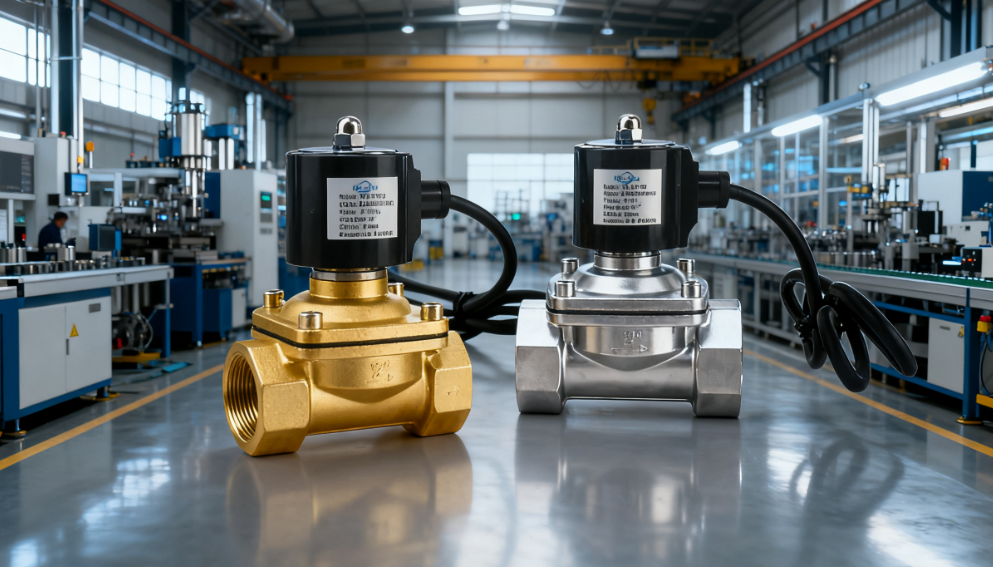
- Water: Standard brass or stainless steel valves with EPDM or NBR seals are suitable for most water applications.
- Air or Gases: Brass or aluminum valves with NBR seals are commonly used for pneumatic systems.
- Corrosive Fluids or Chemicals: For aggressive chemicals, you’ll need a solenoid valve made from corrosion-resistant materials such as stainless steel or plastic with PTFE or FKM seals.
Tip: Always check the chemical compatibility of the materials used in the valve. Using the wrong material can lead to valve failure and leaks, compromising your system.
4. Choose the Right Electrical Configuration
Solenoid valves are powered either by DC (direct current) or AC (alternating current) power. Your choice of electrical configuration depends on your system’s power supply:
- 24 VDC or 12 VDC: These valves are commonly used in systems with low voltage requirements, such as in automation systems or small equipment.
- 110 VAC or 220 VAC: These valves are typically used in industrial systems and large applications, where higher voltage is needed.
Tip: If your system has a variable power supply, consider selecting a valve with a coil that can handle fluctuations in voltage, or use a valve that has built-in surge protection.
5. Select the Proper Seal Material
The seal material plays a crucial role in ensuring the valve operates correctly and maintains a reliable seal over time. Some common seal materials include:
- NBR (Buna-N): Ideal for water, light oils, and air.
- EPDM: Best for high-temperature water and steam applications.
- FKM (Viton®): Suitable for fuels, solvents, and aggressive chemicals.
- PTFE: Resistant to aggressive chemicals and high temperatures.
Tip: The correct seal material will depend on your application’s temperature, pressure, and the type of fluid or gas being controlled. Always consult the manufacturer’s recommendations for seal compatibility.
6. Assess the Operating Environment
The operating environment is another important factor when selecting a solenoid valve. Consider the following:
- Temperature: If your system operates in extreme temperatures, you’ll need a solenoid valve that can withstand those conditions.
- Ingress Protection (IP) Rating: If the valve will be exposed to dust or moisture, ensure it has an appropriate IP rating (e.g., IP65 for protection against dust and water).
- Hazardous Areas: If your application is in a hazardous location, you’ll need a solenoid valve that is certified for use in such areas (e.g., ATEX or UL certification).
Tip: Make sure the valve’s coil is rated for the ambient temperature and environmental conditions where it will be installed. A mismatch can lead to coil failure or operational issues.
How to Size and Install Your Solenoid Valve
Once you’ve selected the right solenoid valve, sizing and installation are key to ensuring optimal performance. For installation, ensure that the valve is mounted in the correct orientation (as specified by the manufacturer), and that it is easily accessible for maintenance. Make sure to install any necessary strainers or filters upstream to protect the valve from debris.
Sizing Tip: When in doubt, consult with the manufacturer or an engineer to help size the valve. Oversized or undersized valves can lead to inefficiency or damage to the system.
Conclusion: Selecting the Right Solenoid Valve Is Crucial for Your System’s Success
Choosing the right solenoid valve involves understanding your system’s requirements—flow, pressure, fluid type, electrical configuration, and environmental conditions. By considering all of these factors, you can ensure that you select the valve that provides the best performance, longevity, and reliability for your application.
At [Your Company Name], we offer a wide range of high-quality solenoid valves designed to meet the specific needs of various industries. Whether you’re automating a small system or managing a large-scale operation, our team of experts is here to help you make the best choice.
Feel free to contact us for expert advice, or check out our solenoid valve catalog to find the perfect fit for your system!