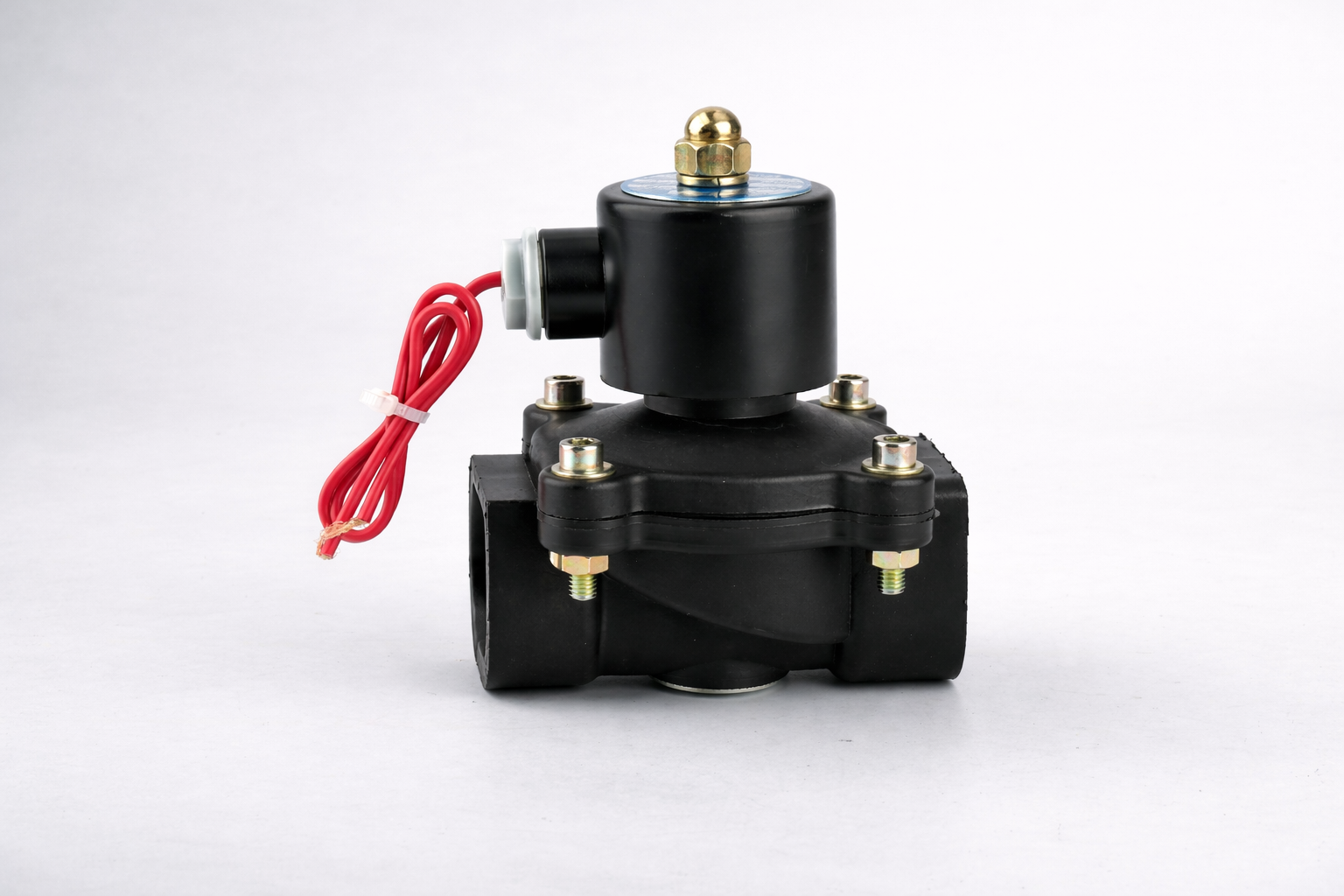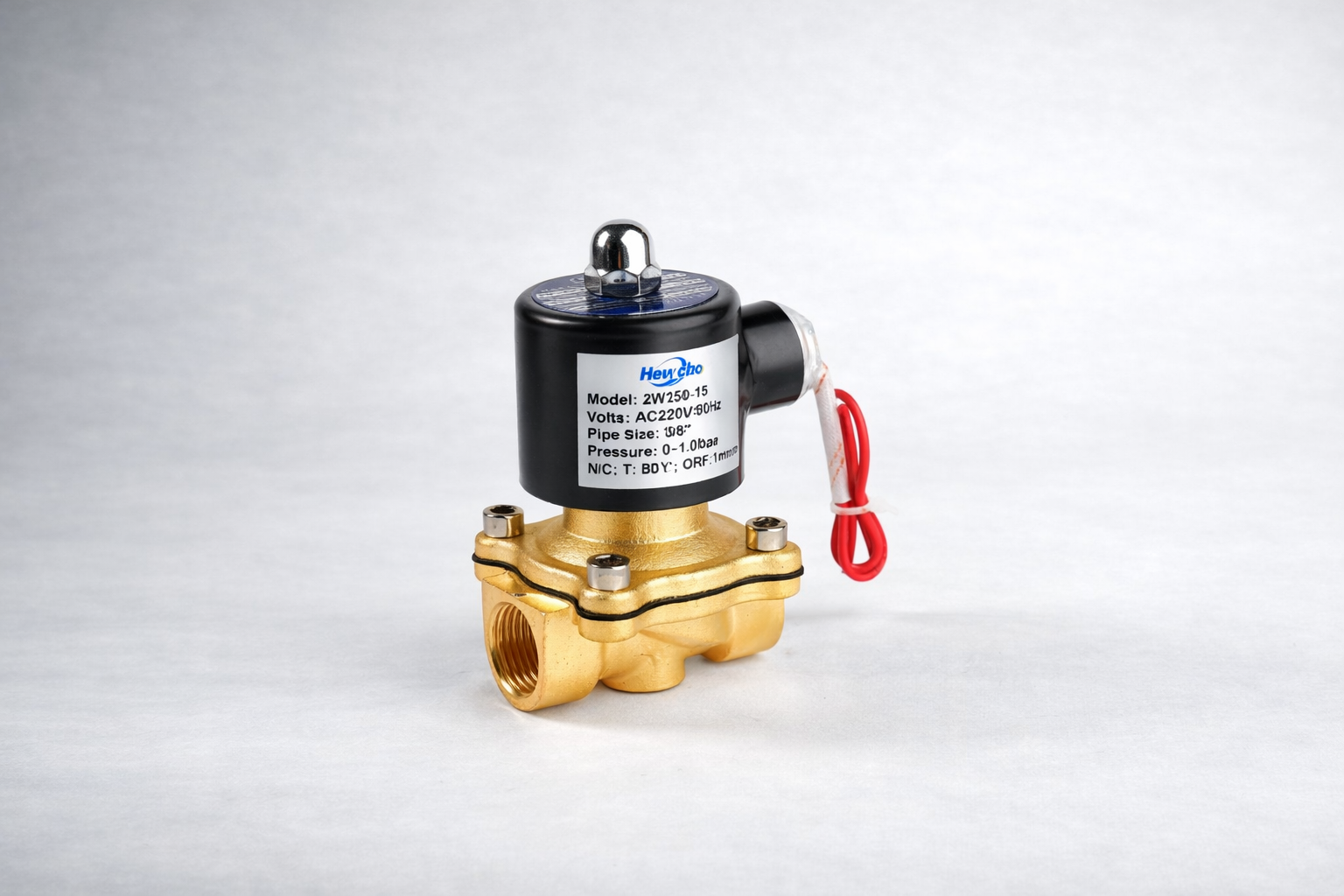
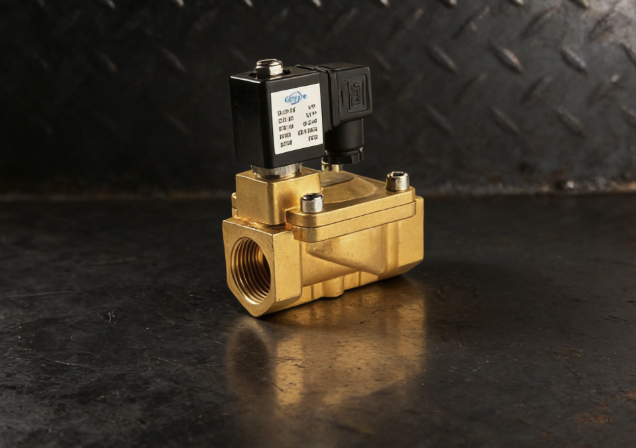
Solenoid valves play a crucial role in the smooth operation of water treatment systems. Whether it’s regulating the flow of treated water, controlling chemical dosing, or managing filtration systems, choosing the right solenoid valve can make a significant difference in system efficiency and longevity.
This article provides a straightforward guide on selecting the appropriate solenoid valve for water treatment applications.
1. Why Water Treatment Systems Require Special Solenoid Valves
Water treatment systems face unique challenges that demand specific valve characteristics:
- Corrosive Environment: Water, particularly treated or chemical-laden water, can corrode valves if materials are not selected properly.
- Fluctuating Pressures: Pressure variations are common in water treatment processes and can impact the performance of the valve.
- Continuous Operation: Many systems run 24/7, meaning solenoid valves must be durable enough to withstand continuous usage without failure.
Standard solenoid valves may not withstand the harsh conditions of water treatment systems, making it essential to choose valves designed specifically for such environments.
2. Opt for Corrosion-Resistant Materials
For water treatment systems, the valve body material is critical to ensure long-term performance.
Recommended materials:
- Stainless Steel: Ideal for both treated water and corrosive fluids. Stainless steel resists corrosion, high pressures, and maintains strength over time.
- Plastic (PVC, CPVC): Suitable for systems dealing with low pressures and non-corrosive treated water, though they may not be as durable under high pressure as stainless steel.
Avoid:
- Brass: While cost-effective, brass is prone to corrosion and may not hold up in aggressive water treatment applications.
3. Seal Material Selection
The seal material plays a crucial role in ensuring the solenoid valve’s durability in water treatment systems.
Recommended seal:
- EPDM: Known for its excellent resistance to water and chemicals, EPDM seals maintain elasticity even at high temperatures, making them ideal for water treatment applications.
Avoid:
- NBR (Nitrile): It hardens when exposed to water or certain chemicals, reducing the seal’s lifespan.
- FKM (Viton): While highly resistant to many chemicals, it may not be the best choice for applications involving frequent water exposure.
Always check the seal material’s compatibility with the water quality and chemicals used in your system.
4. Normally Closed (NC) Valves for Water Systems
Most water treatment systems use normally closed (NC) solenoid valves, which remain closed in the event of power failure, preventing uncontrolled water flow.
Benefits:
- Safety: Prevents unintentional flooding or water loss during power outages.
- Energy Efficiency: NC valves help conserve water by ensuring that they only open when required.
5. Direct-Acting vs Pilot-Operated Valves for Water Treatment
Pilot-Operated Valves:
- Best for larger pipe sizes and systems with higher flow rates.
- Require stable pressure to function efficiently.
- Suitable for applications like large filtration or dosing systems.
Direct-Acting Valves:
- Ideal for small pipe sizes and lower flow applications.
- Can function well at lower pressures.
- Provide faster response times but are limited in flow capacity.
Pilot-operated valves are typically the better choice for larger, more complex water treatment systems, while direct-acting valves may be used for smaller systems or point-of-use applications.
6. Proper Installation is Crucial
Installing the solenoid valve correctly is just as important as selecting the right type. Here are some best practices:
- Install valves in an easily accessible location for maintenance and troubleshooting.
- Ensure proper drainage of condensate to avoid valve damage from water buildup.
- Position the coil upright to prevent overheating or exposure to water splashes.
Proper installation ensures that your solenoid valve functions effectively and lasts longer.
7. Preventing Water Hammer in Water Treatment Systems
Water hammer is a common issue in water treatment systems, which can cause shockwaves in the piping, leading to valve failure.
Tips to prevent water hammer:
- Use slow-closing solenoid valves to prevent sudden pressure changes.
- Install proper air chambers or cushions in the pipes to absorb shock.
- Ensure correct valve sizing to match the flow and pressure specifications.
Water hammer can be prevented with proper valve selection and installation techniques, helping to protect your equipment from costly damage.
8. Common Applications for Solenoid Valves in Water Treatment
Solenoid valves are widely used in various stages of water treatment, including:
- Filtration Systems: To control the flow of water through filters.
- Chemical Dosing Systems: To regulate the injection of chemicals like chlorine or coagulants.
- Reverse Osmosis Systems: To manage the flow of water through RO membranes.
- Desalination Plants: To regulate the flow of water in saltwater treatment systems.
For these applications, reliability and precision are key to ensuring the efficiency and safety of the entire water treatment process.