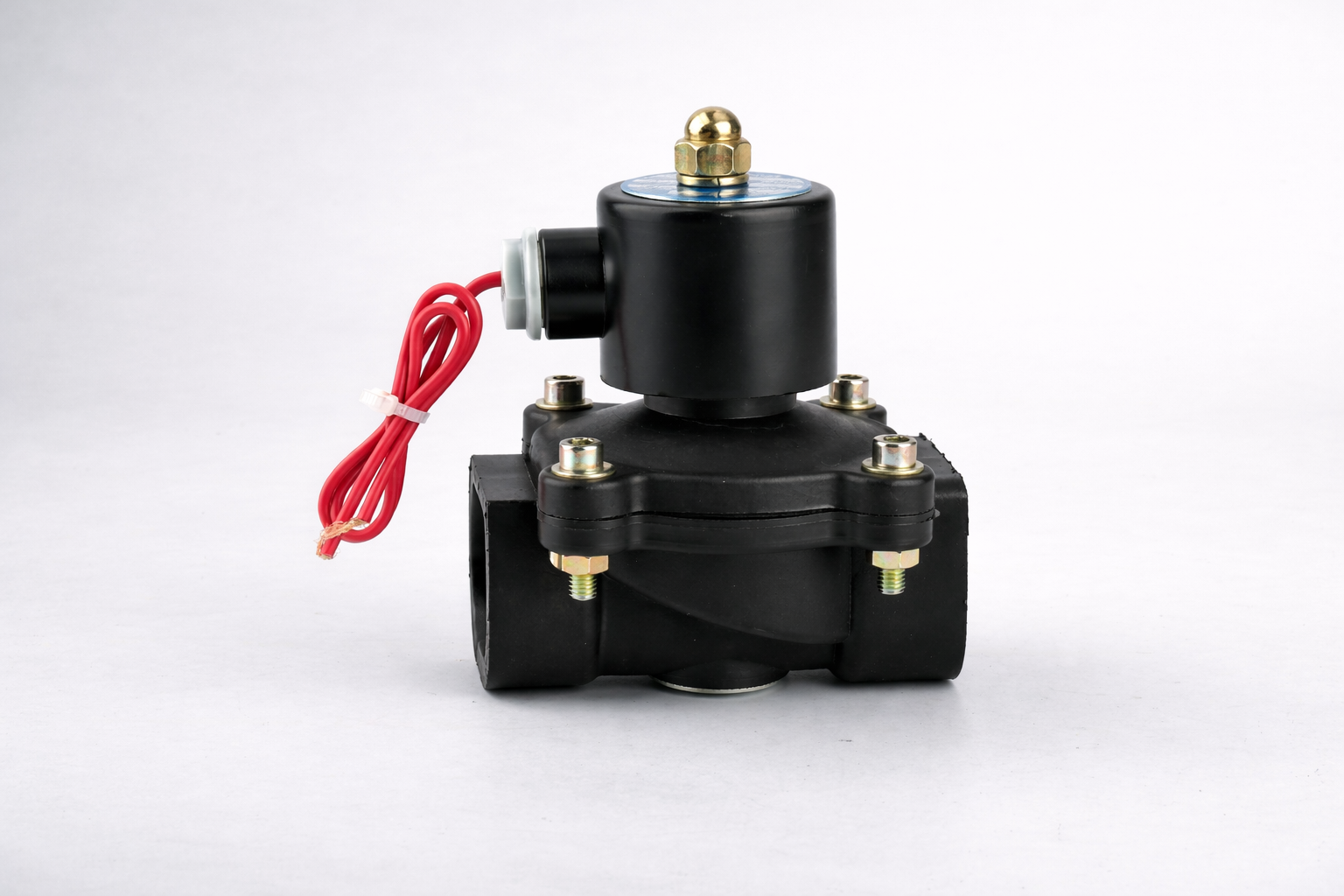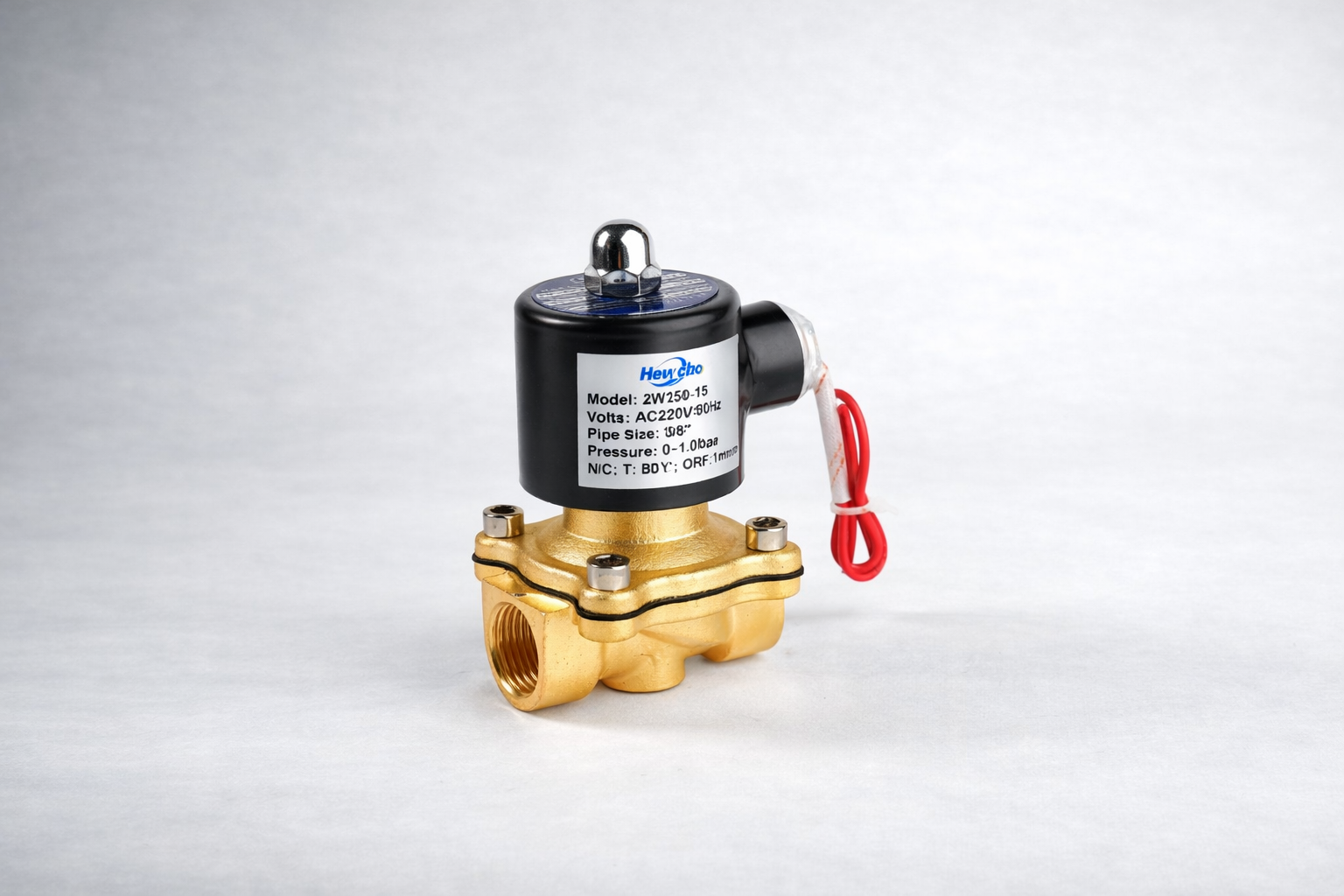
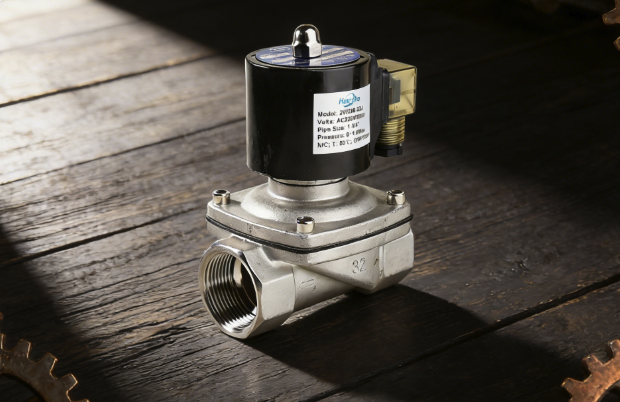
Solenoid valves play a key role in controlling fluids in industrial systems. When they fail, the result can be downtime, lost productivity, and expensive repairs. The good news is that with proper selection, installation, and maintenance, you can significantly extend the lifespan of your solenoid valves.
This article provides simple, practical tips that industrial users can apply immediately — written in clear, native-style English for your website.
1. Keep the Fluid Clean
Dirt and particles are one of the main causes of solenoid valve failure.
Why it matters:
- Debris can block the orifice
- Plunger movement becomes restricted
- Valve may get stuck open or closed
What to do:
- Install a filter before the valve (50–100 microns)
- Flush new pipelines before startup
- Clean tanks and supply lines regularly
Clean fluid = longer valve life.
2. Choose the Right Seal Material
Seals directly contact the fluid and can wear out quickly if the wrong material is used.
Quick guide:
- NBR → water, air, light oil
- EPDM → hot water, steam
- FKM (Viton) → oil, fuel, chemicals
- PTFE → aggressive acids and alkalis
Always match the seal to the medium and temperature.
3. Avoid Overheating the Coil
Coil burnout is a common failure in solenoid valves.
Causes of overheating:
- Wrong voltage (e.g., applying AC to DC coil)
- Continuous operation on an intermittent-duty coil
- High ambient temperature
- Stuck plunger causing excessive power draw
Prevention:
- Use the correct coil voltage
- Choose continuous-duty coils for long energizing periods
- Improve ventilation around the valve
- Clean internal components to ensure smooth plunger movement
4. Ensure Proper Installation
Incorrect installation can reduce performance or damage the valve.
Best practices:
- Follow the flow direction arrow
- Mount the valve upright whenever possible
- Avoid exposing the coil to water or moisture
- Tighten fittings properly to prevent vibration
Good installation prevents unnecessary stress on components.
5. Monitor Pressure and Temperature
Working outside the recommended range can shorten the valve’s life.
Check:
- Minimum pressure for pilot-operated valves
- Maximum pressure to avoid seal damage
- Temperature limits for both fluid and environment
If your system pressure is unstable or too low, consider a direct-acting valve.
6. Prevent Water Hammer
Water hammer can cause severe shock to solenoid valves.
Prevention tips:
- Use a slow-closing valve
- Install a water hammer arrestor
- Reduce flow velocity
- Add flexible hose sections to absorb vibration
This protects the valve and the entire pipeline.
7. Perform Regular Maintenance
Simple inspections can prevent big failures.
Maintenance checklist:
- Check coil temperature
- Inspect for leaks
- Clean or replace filters
- Test valve operation
- Inspect seals and diaphragms
Scheduled maintenance avoids unexpected downtime.
Final Thoughts
Extending the lifespan of solenoid valves is not difficult — it simply requires choosing the right valve, installing it correctly, and maintaining clean, stable operating conditions.
By following these practical tips, you can achieve:
- Longer valve lifespan
- Reduced maintenance costs
- More reliable system operation
- Lower risk of unexpected failures
If you want your next SEO-optimized article to cover steam valves, 2-way vs 3-way valves, coil selection, Cv/Kv calculation, or industry-specific applications, just tell me — I can generate the next one anytime。