December 24, 2025
Eric Jiang
Solenoid valve
Steam solenoid valves are often installed in industrial plants where flammable gases, vapors, or dust may be present — such as chemical facilities, refineries, paint lines, and some food or pharmaceutical processes. In these environments, a standard coil is not enough. You need an explosion-proof (Ex) solenoid valve designed to prevent ignition risks.
This article explains how to select an explosion-proof solenoid valve for steam service, using clear, practical guidance for industrial users.
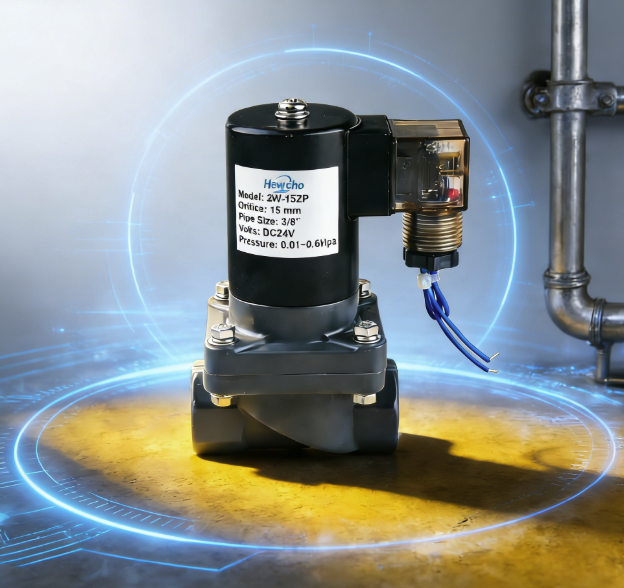
1. Why Steam Areas May Require Explosion-Proof Solenoid Valves
Steam itself is not flammable, but the surrounding environment can be hazardous.
Common scenarios:
- Steam used for heating in chemical reactors
- Steam lines routed through solvent storage or mixing areas
- Sterilizers and dryers located near flammable cleaning agents
- Steam control valves installed in zones with combustible dust
If your installation area is classified as hazardous, the solenoid coil and electrical connection must meet the required explosion protection standards.
2. Explosion-Proof vs Intrinsically Safe: Don’t Confuse Them
Two common safety approaches exist:
Explosion-Proof (Flameproof Enclosure)
- Designed to contain an internal explosion and prevent flame from igniting the surrounding atmosphere
- Typically used for solenoid coils that require normal power levels (AC/DC)
Intrinsically Safe (IS)
- Limits electrical energy so ignition is not possible
- Usually requires barriers and a full IS control loop
- Often used for low-power instruments, not always practical for solenoid coils in steam service
For steam solenoid valves, explosion-proof coils are the most common solution in hazardous areas.
3. Confirm the Hazardous Area Classification (Zone / Division)
Before selecting any Ex solenoid valve, confirm how your site defines the hazard area.
What you must know:
- Gas/vapor or dust environment
- Zone/Division level (higher risk zones require stricter protection)
- Gas group / dust group requirements
- Temperature class (surface temperature limit)
If you don’t match the coil certification to the site classification, the valve may be rejected during inspection — even if it works mechanically.
4. Temperature Class Matters More in Steam Systems
Steam lines run hot, and the coil sits near a hot valve body. In hazardous areas, the coil must stay below a permitted surface temperature.
Key risks:
- High ambient temperature + radiant heat increases coil surface temperature
- Continuous duty operation increases internal heating
- Poor ventilation or insulation near piping makes it worse
Practical tip:
Choose an explosion-proof coil with high-temperature tolerance and install it to minimize heat exposure (more on this below). Temperature class and real operating temperature should be treated seriously in steam applications.
5. Steam Service Still Needs the Right Valve Body and Seals
Explosion-proof only covers electrical safety. The valve must also be steam-rated.
Recommended steam configuration:
- Stainless steel body (best for high temperature + condensate corrosion)
- EPDM (high-temperature grade) seal for hot water/steam stability
- Normally Closed (NC) for safer shutoff during power loss
Avoid for continuous steam service:
- Standard NBR seals (hardening and early leakage)
- Brass bodies for harsh or continuous high-temperature steam (risk of deformation and shorter life)
6. Pilot-Operated vs Direct-Acting in Hazardous Steam Areas
The same steam logic applies, even in Ex zones.
Pilot-Operated (Recommended for most steam lines)
- Best for medium/large pipe sizes
- Higher flow capacity
- Needs stable differential pressure
Direct-Acting
- Works at low pressure
- Better for small pipe sizes and low flow
- Limited flow capacity
If your steam line is industrial scale, pilot-operated designs are usually the practical choice — but only if pressure conditions are stable.
7. Wiring and Cable Entry: The Most Common Compliance Failure
Many explosion-proof installations fail inspection not because of the coil, but because of improper wiring accessories.
Best practices:
- Use certified Ex cable glands and correct sealing methods
- Ensure the conduit/cable entry matches the coil’s Ex requirements
- Prevent moisture ingress (steam rooms are humid)
- Tighten correctly and avoid damaged threads on the enclosure
- Follow the site’s grounding and bonding rules
Explosion-proof means the enclosure must remain a complete, correct “system,” not just a certified coil.
8. Installation Tips to Improve Both Safety and Coil Life
Steam + hazardous area is a harsh combination. These installation steps reduce coil overheating and improve reliability:
- Mount coil upright whenever possible
- Keep distance from hot pipes; use a heat shield if needed
- Avoid insulating over the coil or enclosing it in tight spaces
- Add a Y-strainer upstream to prevent debris-related sticking (sticking increases coil heating)
- Control condensate with steam traps and correct drip legs to reduce water hammer
A cooler coil is not just more reliable — it also helps maintain safe surface temperature margins.
9. Typical Applications for Explosion-Proof Steam Solenoid Valves
Explosion-proof steam solenoid valves are commonly used in:
- Chemical plants (steam heating and process control)
- Refineries and petrochemical facilities
- Paint/solvent processing lines
- Pharmaceutical plants using alcohol-based cleaning agents
- Dust-risk areas such as grain or powder handling facilities (depending on site classification)
In these systems, steam control must be both mechanically reliable and electrically compliant.
Final Thoughts
If your steam solenoid valve is installed in a hazardous location, you must select a model that is both:
- Steam-rated (stainless steel + EPDM + correct design), and
- Explosion-proof certified for your site classification and temperature limits.
Done correctly, you get safer operation, fewer coil failures, and smoother plant approvals.
If you want the next blog to go deeper, I can write one of these:
- How to size steam solenoid valves correctly (avoid oversizing, chattering, and water hammer)
- Steam valve troubleshooting guide (not opening, leaking, coil overheating, unstable pilot operation)
- Best installation layout for steam solenoid valves (trap, strainer, drip leg, coil position)
再生成一篇
Title: How to Properly Size Steam Solenoid Valves for Optimal Performance and Safety
December 25, 2025
Eric Jiang
Solenoid valve
When selecting a solenoid valve for a steam system, getting the sizing right is essential for both system efficiency and safety. An incorrectly sized solenoid valve can cause issues such as water hammer, unstable flow, system inefficiency, and even premature valve failure. In this article, we will walk you through the steps to properly size solenoid valves for steam applications, ensuring long-term reliability and smooth operation.
1. Why Sizing Matters in Steam Systems
Steam systems operate under high pressure and temperature, and improper valve sizing can lead to significant issues:
- Water hammer: Incorrect valve sizing can cause sudden pressure changes that lead to shockwaves in the pipes, damaging the valve and system components.
- Reduced flow or excessive pressure drop: A valve that is too small can restrict the flow, while an oversized valve can create unnecessary pressure drop and inefficient operation.
- Valve wear and failure: Valves that operate outside their designed flow and pressure ranges tend to wear out more quickly.
Getting the right size valve ensures that the system operates efficiently and minimizes risks of damage or system failure.
2. Key Factors to Consider When Sizing Steam Solenoid Valves
There are several critical parameters to consider when sizing a solenoid valve for steam systems:
A) Flow Rate (Cv Value)
The flow rate is one of the most critical factors in valve sizing. The Cv value (flow coefficient) defines the flow rate that can pass through the valve at a specific pressure drop.
- High flow rate: If your steam system requires a large amount of steam to pass through, you need a solenoid valve with a higher Cv value.
- Low flow rate: For systems with minimal steam flow, a valve with a lower Cv value will suffice.
To calculate the required Cv, use the following formula:Cv=Q×SGΔPCv = Q \times \sqrt{\frac{SG}{\Delta P}}Cv=Q×ΔPSG
Where:
- CvCvCv = Valve flow coefficient
- QQQ = Flow rate in gallons per minute (GPM) or liters per minute (LPM)
- SGSGSG = Specific gravity of the fluid (for steam, this is typically close to 1)
- ΔP\Delta PΔP = Pressure drop across the valve (measured in psi)
B) Pressure and Temperature Conditions
The pressure and temperature of the steam directly affect the solenoid valve’s size and material selection.
- High pressure: If the system operates at high pressure (e.g., over 10 bar or 145 psi), it’s essential to choose a valve that can handle those pressures without causing damage to the valve or system components.
- Temperature: Steam temperatures typically range from 120°C to 180°C (248°F to 356°F), but certain applications may require higher temperatures. Ensure the valve is rated for the maximum steam temperature of your system.
Always check the valve’s maximum allowable pressure and temperature ratings to avoid failure due to overpressure or overheating.
C) Valve Type (Normally Closed or Normally Open)
Choosing between a normally closed (NC) or normally open (NO) valve depends on the system’s requirements.
- Normally Closed (NC): Most steam systems use NC valves, as they close automatically during power failure to prevent uncontrolled steam release. NC valves are ideal for safety-critical applications where you need to ensure the valve remains closed when not powered.
- Normally Open (NO): NO valves are less common in steam systems, but they are used in specific applications where the valve needs to remain open during normal operation and close only when powered.
For most applications, NC solenoid valves are recommended.
3. Sizing for Pilot-Operated vs Direct-Acting Solenoid Valves
Pilot-operated and direct-acting solenoid valves are the two primary types used in steam systems. Both require different sizing considerations:
A) Pilot-Operated Valves
- Use case: Best for medium to large pipe sizes and higher flow rates.
- Sizing tip: Pilot-operated valves require a stable differential pressure to operate correctly. For this type of valve, ensure that the system’s pressure is stable, and the valve is sized according to the maximum flow requirements of the steam system.
- Cv Value Consideration: Pilot-operated valves often have a higher Cv than direct-acting valves, allowing them to handle larger flows more efficiently.
B) Direct-Acting Valves
- Use case: Ideal for small pipe sizes and low-pressure applications.
- Sizing tip: These valves operate with a direct action from the solenoid coil, meaning they can handle lower pressures and are ideal for applications that don’t require high flow rates.
- Cv Value Consideration: Direct-acting solenoid valves typically have a lower Cv, so they are better suited for systems with smaller pipes and lower flow rates.
4. Accounting for Pressure Drop Across the Valve
In steam systems, the pressure drop across the valve can impact both performance and safety. A valve that causes too much pressure drop can lead to system inefficiencies and energy waste.
- Ideal pressure drop: For most steam applications, a pressure drop of no more than 10–15% of the system’s inlet pressure is recommended.
- Excessive pressure drop: A high pressure drop can reduce steam flow, increase energy consumption, and cause valve and system instability.
Always check the valve’s specifications for pressure drop ratings and ensure they are appropriate for your system’s operating conditions.
5. Sizing Tips for Different Steam Applications
The type of steam application will influence valve sizing:
A) Boilers and Heat Exchangers
- These systems require solenoid valves that can handle large steam volumes at high pressure.
- Sizing tip: Choose a pilot-operated valve with a large Cv for high flow and ensure that the valve’s pressure rating matches the system’s pressure.
B) Steam Sterilizers and Autoclaves
- These applications often involve smaller steam volumes but require precise control.
- Sizing tip: Direct-acting solenoid valves with lower Cv values work well for smaller applications where fast response and accurate control are needed.
C) Industrial Dryers and Sterilization Equipment
- These systems may have high temperature and moderate pressure conditions.
- Sizing tip: Ensure that the valve is capable of handling the required flow and temperature without excessive pressure drop, and consider using stainless steel valves for corrosion resistance.
6. How to Calculate the Correct Valve Size: Step-by-Step Guide
Here’s a simple step-by-step guide to size a solenoid valve for steam systems:
- Determine the required flow rate based on your system’s needs (GPM or LPM).
- Calculate the Cv value using the formula provided earlier, taking into account your system’s pressure and steam properties.
- Select the valve type (normally closed or normally open) based on your system’s safety and control requirements.
- Check the pressure and temperature ratings to ensure the valve is suitable for your steam system.
- Choose between pilot-operated or direct-acting valves depending on your pipe size and pressure conditions.
- Verify the valve’s pressure drop and Cv value to ensure optimal performance.
Final Thoughts
Properly sizing your solenoid valve for steam applications is crucial for maintaining system efficiency, reliability, and safety. By taking into account factors such as flow rate, pressure, temperature, and valve type, you can select the right solenoid valve that will perform optimally over time.
If you’d like more in-depth information on specific valve types or sizing calculations for different steam applications, let me know. I can also provide a detailed guide on troubleshooting steam valve issues or selecting high-temperature solenoid coils for steam applications.