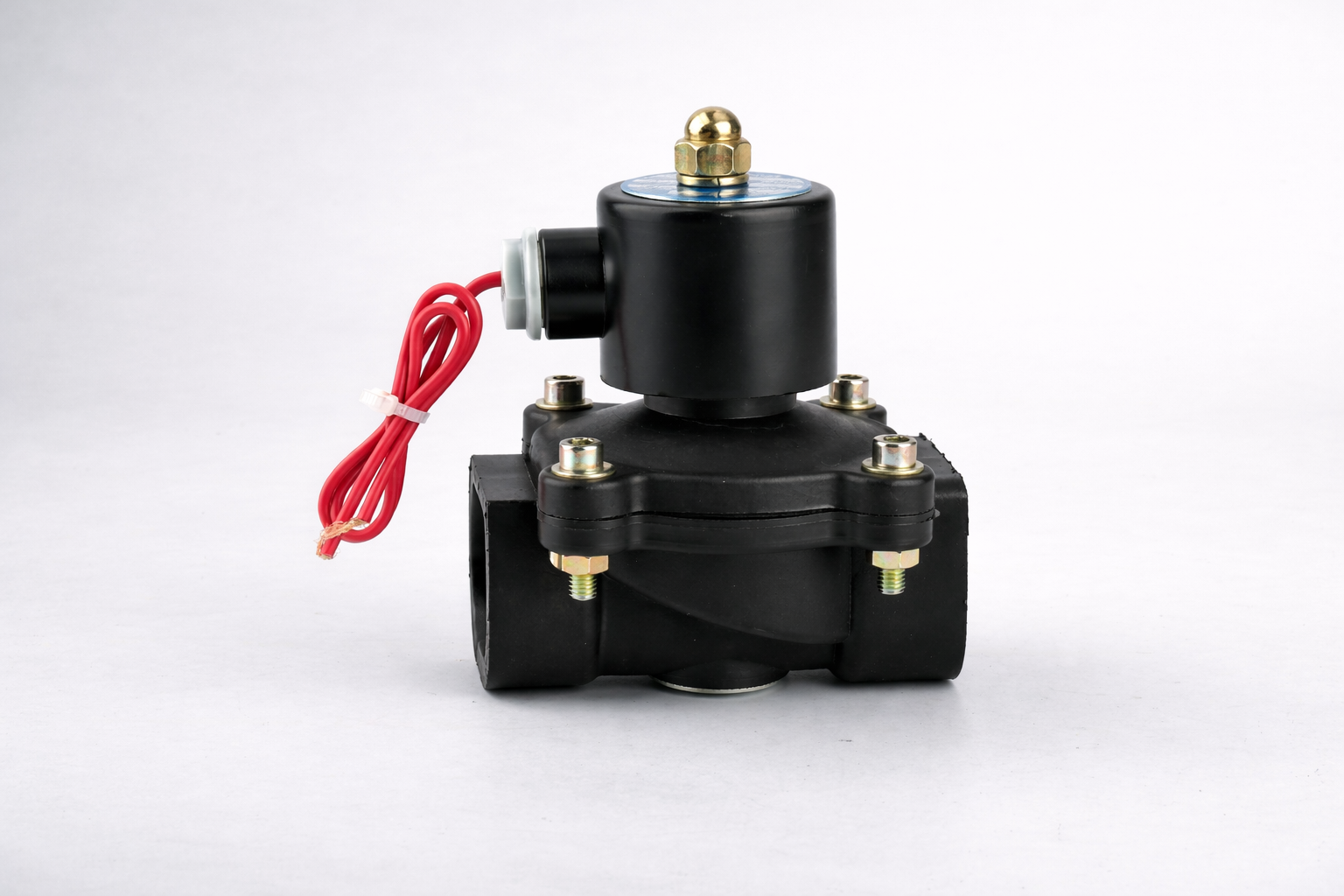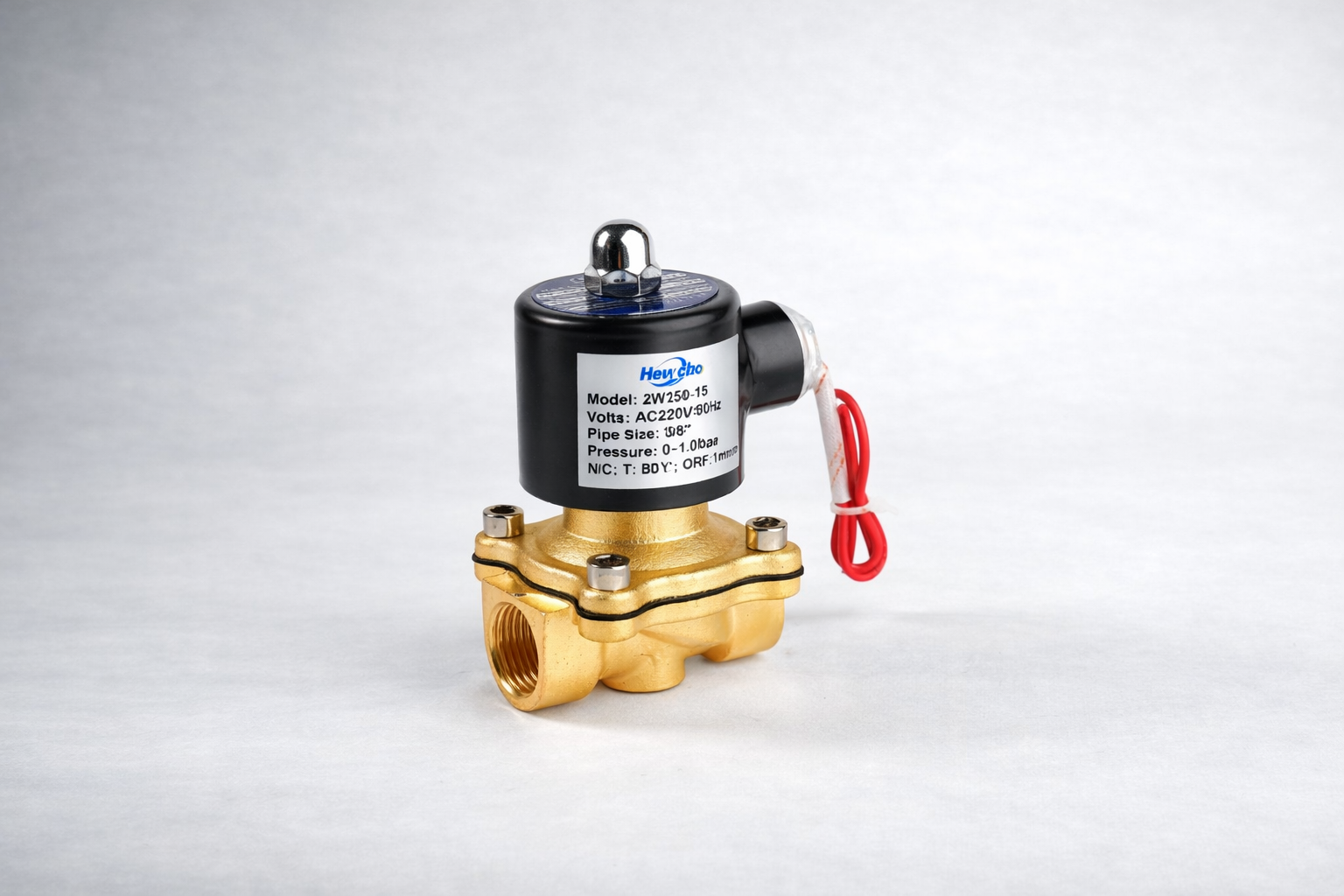
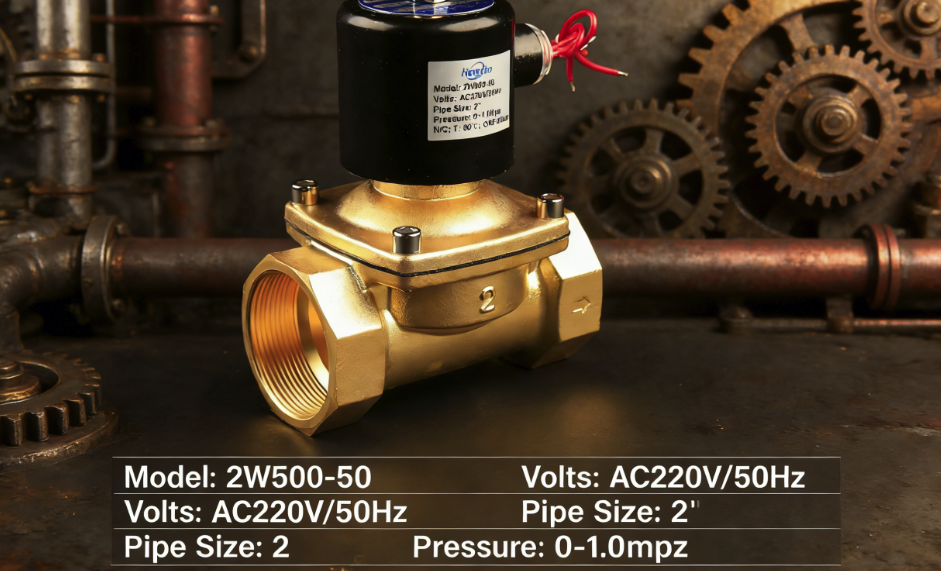
Solenoid valves are widely used in industrial automation, water treatment, pneumatic systems, and hydraulic equipment. However, a solenoid valve suitable for water may fail quickly in oil or air systems if the selection is incorrect.
This article explains the key differences in solenoid valve selection for water, air, and oil applications, focusing on structure, materials, and operating conditions, helping engineers and buyers avoid common mistakes.
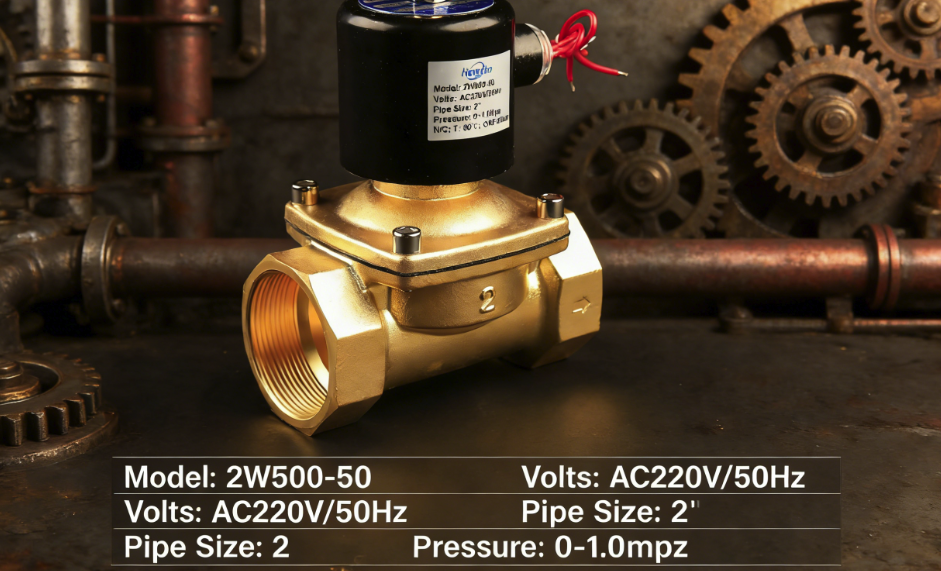
Why Medium Type Matters in Solenoid Valve Selection
Although solenoid valves may look similar, different media have very different characteristics:
- Viscosity
- Lubrication properties
- Cleanliness level
- Temperature behavior
Selecting a valve without considering these factors often leads to leakage, slow response, or premature failure.
Solenoid Valves for Water Applications
Medium Characteristics
- Low viscosity
- Poor lubrication
- May contain scale or particles
Key Selection Points
- Valve body material: Brass or stainless steel
- Seal material: EPDM (recommended for water and hot water)
- Structure: Direct-acting for low pressure, pilot-operated for stable pressure systems
- Filtration: Strongly recommended to prevent debris damage
Typical Applications
- Water treatment systems
- Irrigation equipment
- Cooling water pipelines
- Automatic washing machines
Common risk: Using oil-type seals in water systems can cause swelling or leakage.
Solenoid Valves for Air Applications
Medium Characteristics
- Clean but dry
- Compressible
- Fast response requirement
Key Selection Points
- Valve type: Pneumatic solenoid valve
- Seal material: NBR or special low-friction rubber
- Response time: Short opening and closing time
- Flow capacity: Adequate Cv/Kv to minimize pressure drop
Typical Applications
- Pneumatic cylinders
- Automation production lines
- Packaging and assembly equipment
- Robotics and actuator control
Common risk: Using liquid valves for air may cause slow response and noise.
Solenoid Valves for Oil Applications
Medium Characteristics
- High viscosity
- Good lubrication
- Often operates at higher pressure
Key Selection Points
- Seal material: NBR or FKM (Viton)
- Valve structure: Preferably direct-acting for precise control
- Coil force: Sufficient magnetic force to overcome oil resistance
- Temperature rating: Must match oil operating temperature
Typical Applications
- Hydraulic power units
- Lubrication systems
- Fuel and diesel control
- Industrial oil circulation systems
Common risk: Using water-type valves can result in slow action or incomplete closing.
Comparison of Key Selection Factors
| Parameter | Water | Air | Oil |
|---|---|---|---|
| Viscosity | Low | Very low | High |
| Lubrication | Poor | Poor | Good |
| Recommended Seal | EPDM | NBR | NBR / FKM |
| Response Speed | Medium | Fast | Slower |
| Filtration Need | High | Medium | Medium |
Common Selection Mistakes
- Choosing the same solenoid valve model for all media
- Ignoring seal material compatibility
- Undersized valves causing pressure loss
- No filtration in water systems
Practical Selection Tips
- Always confirm the working medium first
- Match seal material to medium and temperature
- Check minimum and maximum operating pressure
- Consider response time requirements
- Verify continuous duty capability if long-term energization is needed
Conclusion
Solenoid valve selection must be based on medium characteristics, not just size or voltage. Water, air, and oil applications require different valve structures, seal materials, and performance priorities.
Correct selection improves reliability, reduces maintenance costs, and ensures stable system operation in the long term.