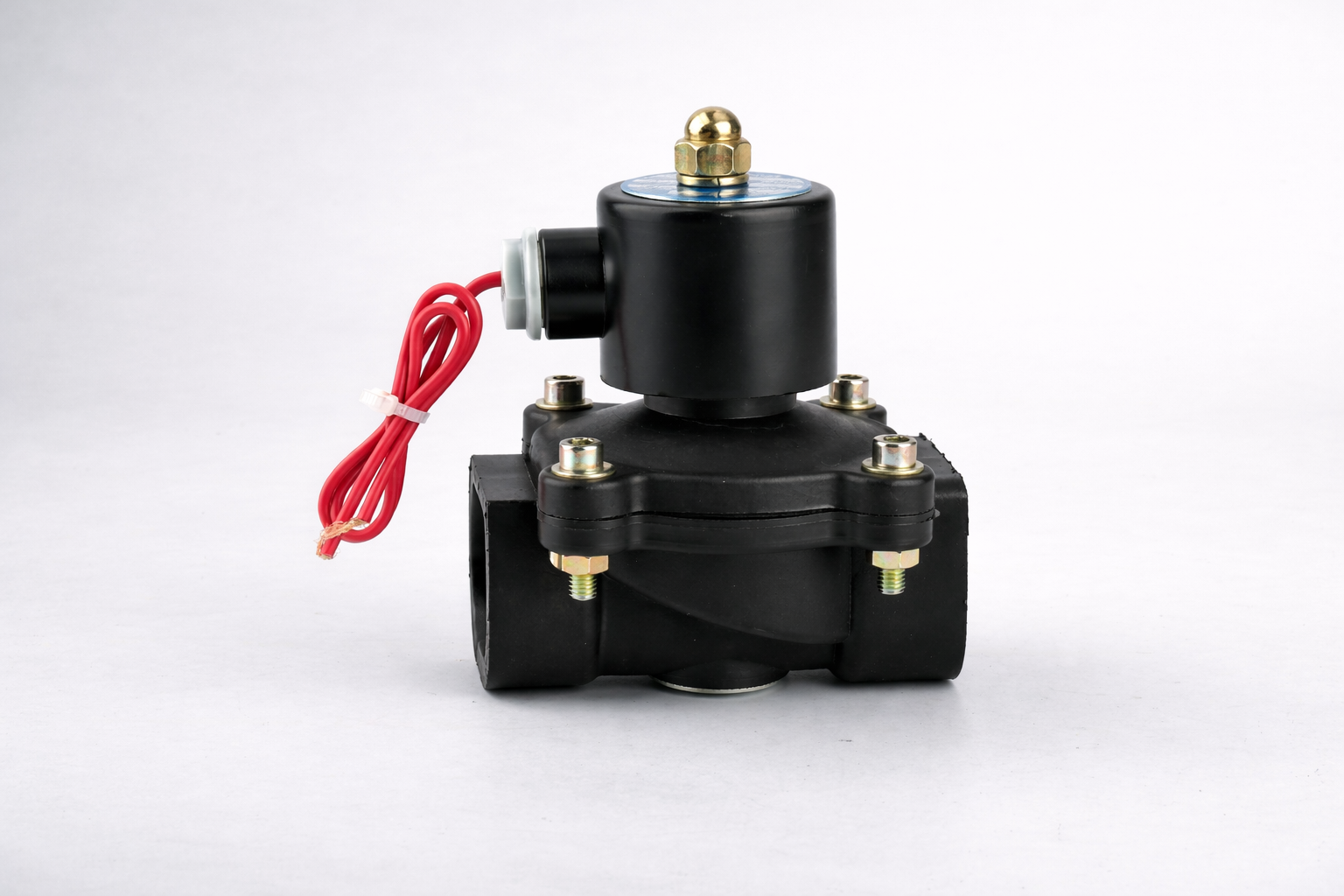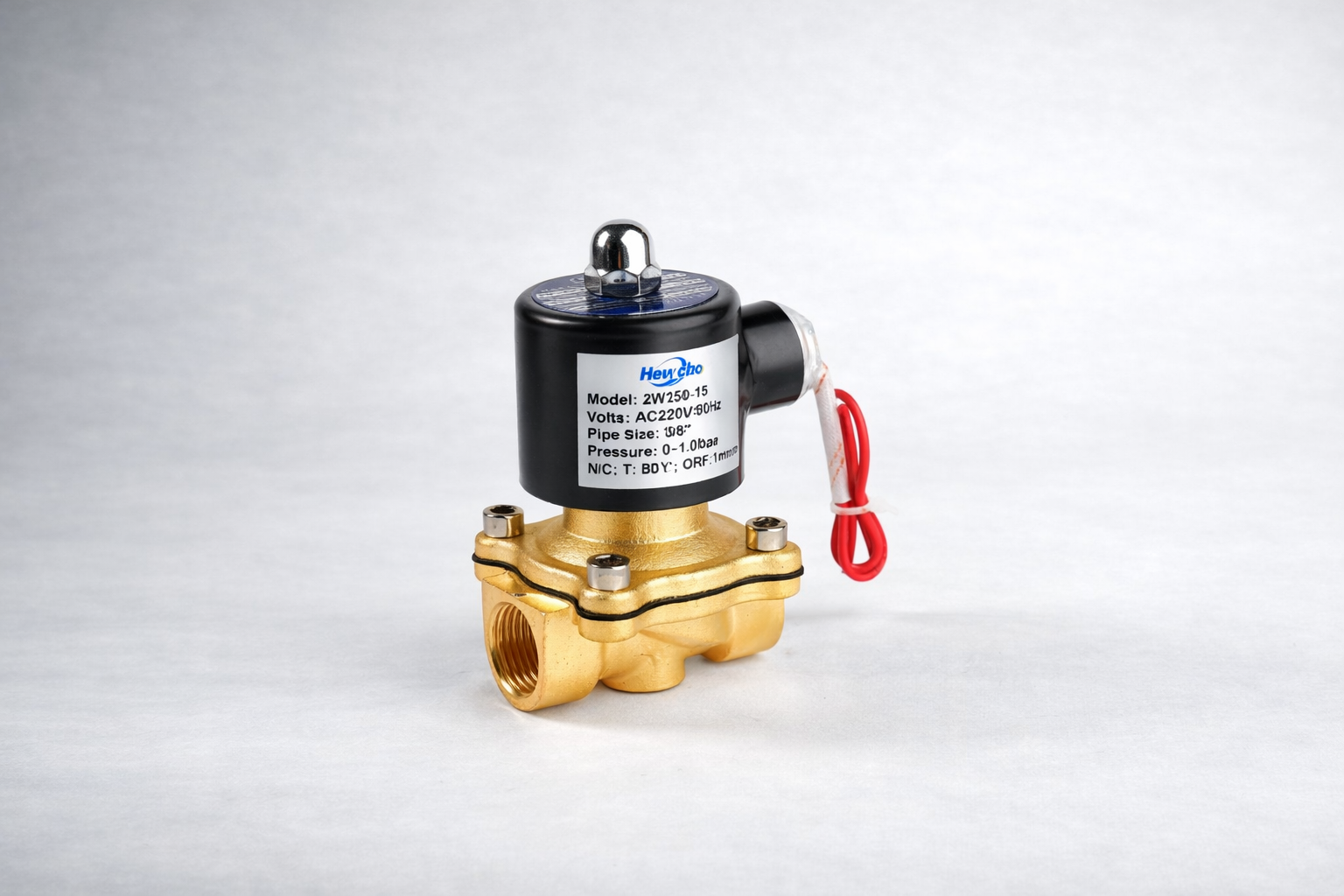
Choosing the right solenoid valve size is just as important as choosing the right material or type. A valve that is too small will restrict flow, while a valve that is too large may cause unstable operation, water hammer, or unnecessary cost.
This simple guide explains how to size a solenoid valve correctly, using clear language for engineers, buyers, and maintenance teams.
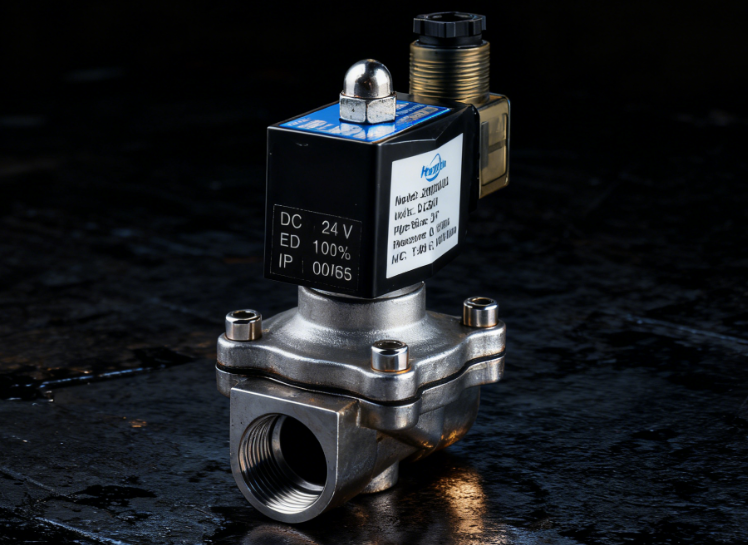
1. Why Correct Valve Sizing Matters
A solenoid valve does more than open and close—it must handle the flow rate and pressure of your system safely and efficiently.
Correct sizing ensures:
- Stable flow
- Fast response
- Lower energy use
- Reduced noise and vibration
- Longer valve lifetime
- Better safety and reliability
Oversizing or undersizing are both common mistakes.
2. What Information You Need Before Sizing
Before selecting a solenoid valve size, collect these four basic data points:
- Pipe size (e.g., DN10, 1/2 inch)
- Flow rate (L/min, m³/h, or SCFM)
- Pressure (inlet and outlet pressure)
- Medium type (water, air, oil, gas, chemicals)
With these values, you can choose the correct valve orifice size and Cv/Kv rating.
3. Pipe Size Does NOT Always Equal Valve Size
Many users assume:
“My pipe is 1 inch, so I need a 1-inch valve.”
But pipe size doesn’t always match the internal orifice size of the valve.
For example:
- A 1-inch solenoid valve may have an orifice of 16 mm
- A 1/2-inch valve may have an orifice of 12 mm
This is why you cannot size a solenoid valve by pipeline diameter alone.
Flow requirements must be checked.
4. Understanding Cv (or Kv) Value
Cv and Kv are flow coefficients that show how much fluid can pass through a valve.
- Higher Cv/Kv = higher flow capacity
- Lower Cv/Kv = smaller orifice / restricted flow
Approximate meaning:
- Cv 1.0 → roughly 1 gallon per minute at 1 psi drop
- Kv 1.0 → roughly 1 m³/hour at 1 bar drop
These values allow you to compare different valve models easily.
5. How to Choose the Right Orifice Size
Here is a simple method for industrial users:
If your flow rate is small:
Choose a small orifice
→ More precise control
→ Less water hammer
→ Lower cost
If your flow rate is large:
Choose a larger orifice
→ Higher capacity
→ Lower pressure drop
→ More stable performance
If your pressure is low:
Use a direct acting or large-orifice valve
→ Ensures reliable opening at 0 bar or low pressure
If your pressure is high:
Pilot operated valves with medium or larger orifices work well.
6. Common Sizing Mistakes and How to Avoid Them
Mistake 1 — Oversizing because “bigger is better”
Large valves can create water hammer or slow response.
✔ Solution: Match the Cv/Kv to actual flow needs.
Mistake 2 — Using pipe diameter as the only reference
Pipe size ≠ valve orifice size.
✔ Solution: Always check flow rate and pressure drop.
Mistake 3 — Ignoring minimum pressure for pilot valves
If pressure is too low, the valve may not open.
✔ Solution: Verify the valve’s minimum differential pressure.
Mistake 4 — Choosing too small an orifice for viscous media
Thick media (oil, syrup, chemicals) need larger orifices.
✔ Solution: Increase orifice size for high-viscosity fluids.
7. Simple Sizing Recommendations
Here is a quick guide based on common industrial media:
- Water (general use): match orifice to flow requirements (medium size)
- Compressed air: smaller orifices often work due to low viscosity
- Oil: use larger orifices to reduce pressure drop
- Steam: use stainless steel bodies and correct high-temperature seals
- Chemicals: check compatibility and flow coefficients carefully
When in doubt, ask for Cv/Kv values from the supplier and calculate based on your system’s flow needs.
8. Final Thoughts
Correct solenoid valve sizing helps you achieve:
- Reliable operation
- Lower maintenance
- Improved system performance
- Reduced operating cost
Instead of relying only on pipe size, always consider flow rate, pressure, and orifice size to select the proper valve.
If you want help sizing a valve, you can share your medium, pressure, temperature, and flow rate — I can recommend the ideal model for your application.