In today’s world of industrial automation, the need for reliable, efficient, and precise control of fluid and gas systems has never been more critical. One of the unsung heroes behind this control is the solenoid valve. These compact yet powerful components are essential for industries that rely on automated processes, whether it’s manufacturing, food production, HVAC, or even medical systems.
What is a Solenoid Valve?

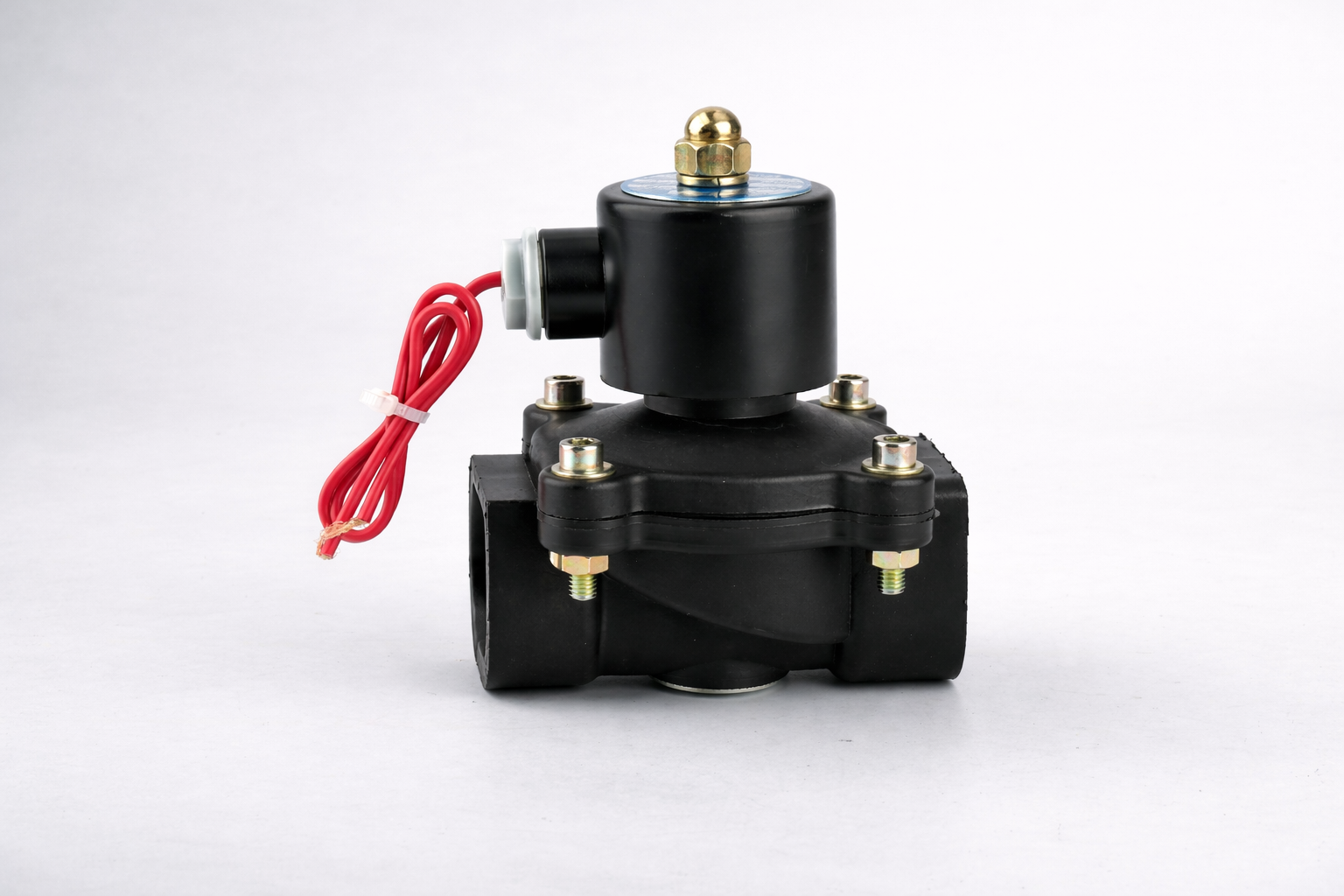
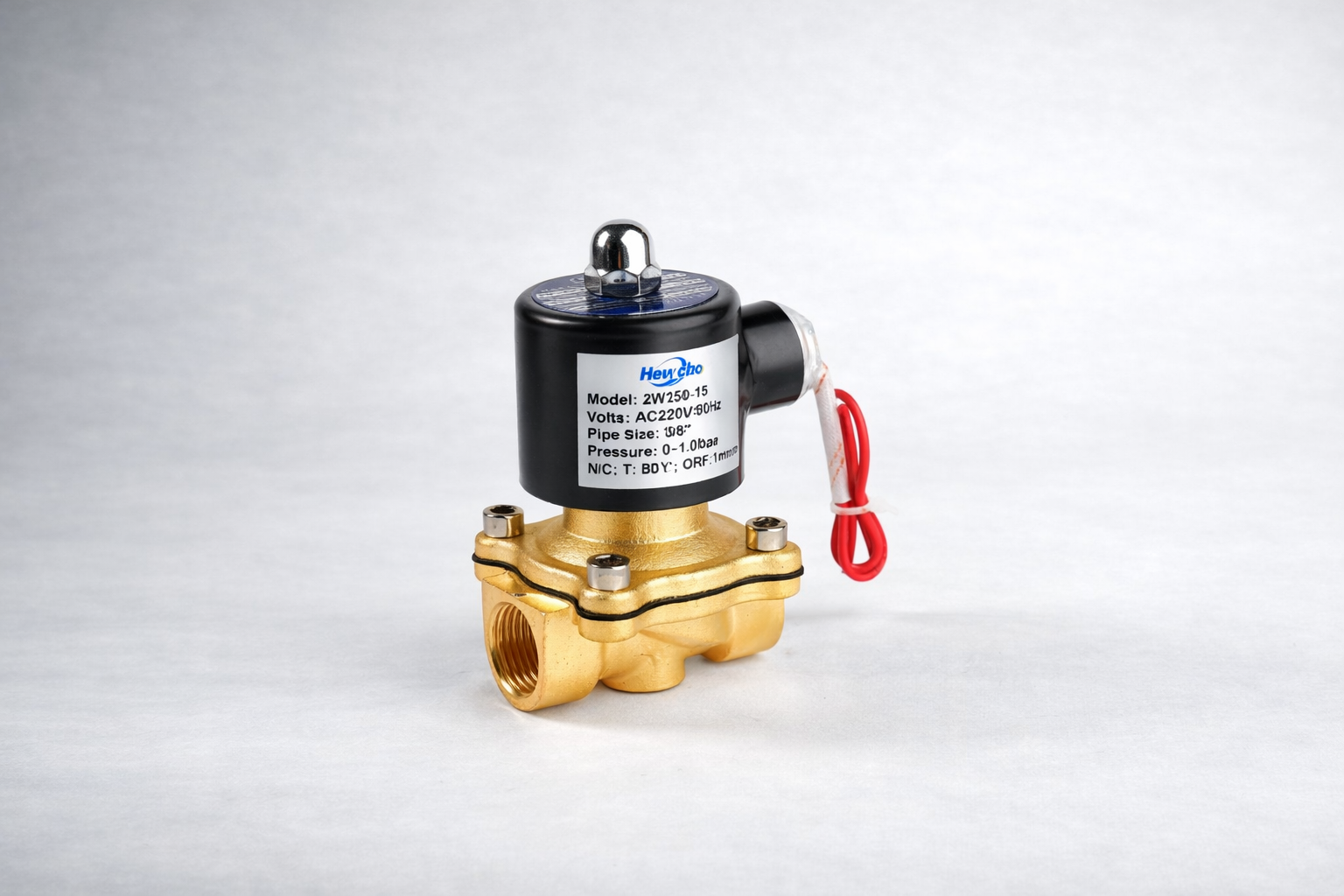
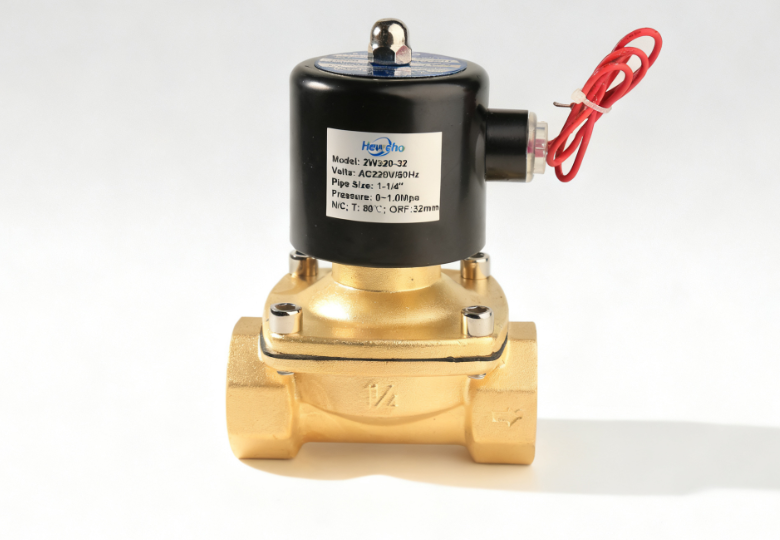
A solenoid valve is an electromechanical device that controls the flow of fluids or gases by using an electrical signal to activate a solenoid coil. This generates a magnetic field, which either opens or closes the valve to regulate the flow. Solenoid valves are typically used for precise, reliable control of fluids in automated systems where speed and accuracy are paramount.
Types of Solenoid Valves and Their Applications
- 2-Way Solenoid Valves: The simplest type of solenoid valve, designed to control flow in a single direction. It either opens or closes the flow path, making it ideal for systems that require basic on/off control. These valves are commonly used in applications like water treatment, irrigation systems, and even household appliances.
- 3-Way Solenoid Valves: These valves have three ports, allowing them to control the direction of flow between multiple paths. They can divert or mix flows, which makes them indispensable in pneumatic systems, cooling systems, and even in HVAC applications.
- 4-Way Solenoid Valves: A step up from the 3-way valve, the 4-way valve provides additional control for systems requiring precise fluid direction. These are often used in more complex operations like robotic automation, industrial machinery, and pneumatic systems that require dual-acting cylinders.
Why Are Solenoid Valves Important?
- Precision in Control: Solenoid valves provide pinpoint accuracy when regulating the flow of gases or liquids. For systems that require real-time monitoring and adjustments, such as those in pharmaceutical production or food processing, solenoid valves ensure that the right amount of fluid or gas flows at the right time.
- Compact and Versatile: Their small size allows solenoid valves to be integrated into systems where space is at a premium. Despite their compact design, they can manage significant flow rates and are highly efficient, making them an excellent solution for space-constrained industrial environments.
- Quick Response Times: Solenoid valves have fast response times, which is crucial in applications requiring immediate changes in flow, such as in pneumatic and hydraulic systems or automated production lines. The rapid actuation ensures the system maintains operational efficiency.
- Energy-Efficient: Solenoid valves are electrically driven, which makes them more energy-efficient than traditional mechanical valves. Their ability to precisely control fluid flow leads to a reduction in wastage, and their low power consumption helps keep energy costs down in large-scale industrial settings.
- Durable and Low Maintenance: Solenoid valves are known for their durability and low maintenance requirements. With fewer moving parts, there is less wear and tear, meaning they last longer and are more reliable in long-term operations.
Choosing the Right Solenoid Valve for Your Application
Selecting the right solenoid valve involves considering several key factors that will ensure its optimal performance in your system:
- Fluid Type: Different materials are needed depending on the fluid or gas you are controlling. For example, corrosive chemicals might require stainless steel valves, while simple air or water systems may work with brass or plastic valves.
- Pressure and Temperature: Ensure the solenoid valve is rated for the specific pressures and temperatures that your system will operate under. Using a valve outside of its rated range can lead to malfunction or premature failure.
- Flow Rate: It’s important to match the valve’s flow capacity with the needs of your system. Too large a valve may result in energy wastage, while too small a valve could restrict flow and cause inefficiencies.
- Voltage and Electrical Requirements: Solenoid valves come in a range of electrical specifications, so it’s important to choose one that matches your system’s power supply. Whether you require low-voltage or high-voltage operation, ensure compatibility for smooth functioning.
Why Choose Us for Your Solenoid Valve Needs?
At [Your Company Name], we understand that selecting the right solenoid valve is crucial for the smooth functioning of your system. Our expert team is here to help you find the perfect solution, whether you’re looking for a basic on/off valve or a more complex multi-port valve for sophisticated control.
We offer a wide range of high-quality solenoid valves designed to meet the most demanding industrial requirements. From food production to chemical processing, we provide reliable, durable, and energy-efficient solutions that optimize your system’s performance and reduce downtime.
Conclusion
Solenoid valves are integral to the smooth operation of automated systems, providing precise flow control in everything from pneumatic systems to fluid processing. Their small size, efficiency, and reliability make them an essential component in modern industrial applications.
If you’re looking for a solenoid valve that meets your operational needs, contact us today. Our team of experts is ready to help you select the best valve for your system, ensuring maximum performance, efficiency, and longevity.