Cooling systems are crucial for maintaining optimal temperatures in industrial processes, HVAC systems, and refrigeration. Solenoid valves are integral components in controlling fluid flow and ensuring the efficiency of these systems. In this article, we’ll discuss how to select the right solenoid valve for cooling systems, with a focus on performance, material selection, and long-term reliability.
1. Understanding the Role of Solenoid Valves in Cooling Systems
Cooling systems use solenoid valves to regulate the flow of refrigerants, water, or glycol in pipes, ensuring efficient heat exchange. Solenoid valves are used for:
- Controlling refrigerant flow in refrigeration systems.
- Managing chilled water flow in cooling loops for industrial processes.
- Regulating glycol mixtures in HVAC applications.
A well-chosen solenoid valve ensures stable temperature control, preventing overheating or energy waste.
2. Choose the Right Material for Durability
The material of the solenoid valve body plays a significant role in determining the valve’s durability and resistance to the fluids in your cooling system.
Recommended materials:
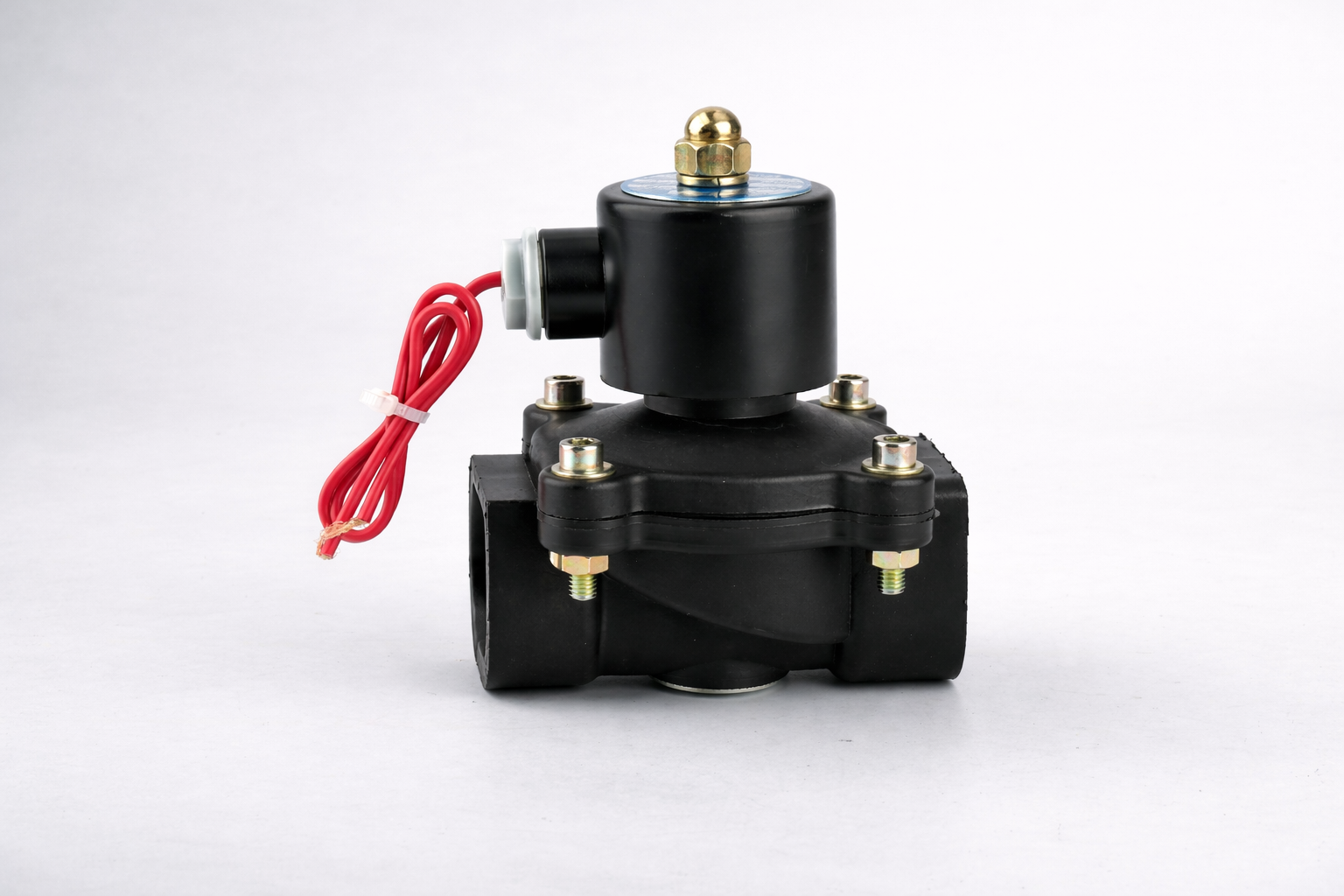
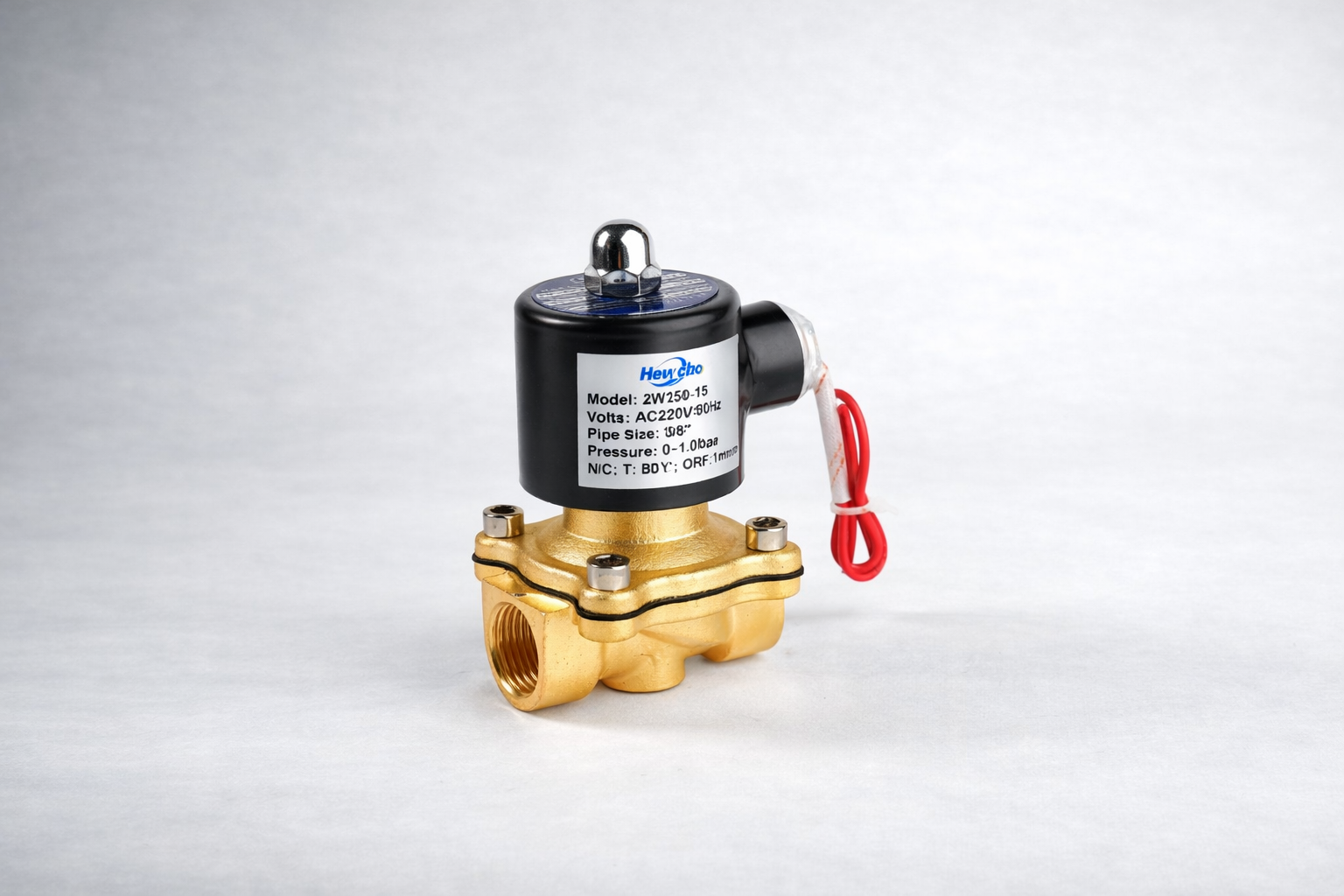
- Brass: Suitable for low to medium-pressure cooling systems using water or non-corrosive fluids.
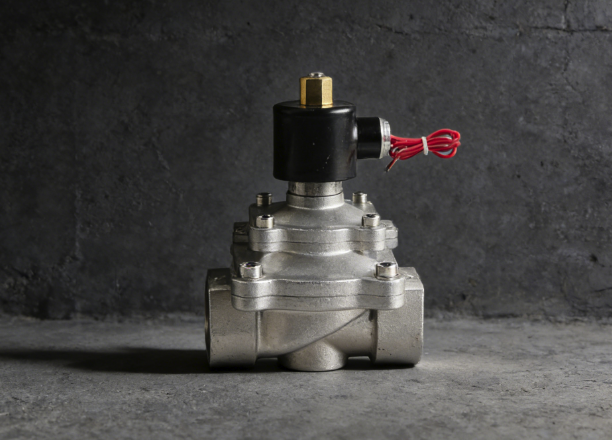
- Stainless Steel: Ideal for systems that use aggressive chemicals or operate at high pressures, ensuring resistance to corrosion and long service life.
- Plastic (PVC, CPVC): A good choice for low-pressure water-based cooling systems, though not recommended for high-temperature or high-pressure systems.
Avoid:
- Aluminum: Not ideal for cooling systems that involve corrosive fluids or high temperatures, as aluminum can degrade more quickly than stainless steel or brass.
Choosing the correct material will increase the valve’s longevity and reduce maintenance costs.
3. Selecting the Right Seal for Cooling Systems
The seal material ensures tight operation and prevents leaks in cooling systems. Since cooling systems often involve temperature fluctuations and exposure to water, selecting the right seal is vital for long-term valve performance.
Recommended seal material:
- EPDM (Ethylene Propylene Diene Monomer): Known for its excellent resistance to water and temperature extremes, making it ideal for cooling systems.
- NBR (Nitrile): Suitable for systems where oil and refrigerants are present, but not recommended for high-temperature applications.
Avoid:
- FKM (Viton): While highly resistant to chemicals, Viton is not suitable for cooling systems that involve water or glycol as it can degrade over time.
Make sure to match the seal material with the fluids and temperature ranges your system handles.
4. Normally Closed (NC) vs Normally Open (NO) Valves
In cooling systems, the choice between normally closed (NC) and normally open (NO) solenoid valves can affect system safety and energy efficiency.
Normally Closed (NC) Valves:
- Preferred choice for most cooling systems, as they prevent flow when power is not supplied. This ensures the system does not run when not needed, conserving energy and reducing wear on components.
- Ideal for preventing leakage in case of power failure or system shutdown.
Normally Open (NO) Valves:
- Used in applications where the system needs to maintain a constant flow and can be shut off when power is supplied.
- Less common for cooling systems but might be required for specific safety protocols or unique system designs.
Normally closed solenoid valves are typically the safer, more energy-efficient option for cooling systems.
5. Pilot-Operated vs Direct-Acting Solenoid Valves
Choosing between pilot-operated and direct-acting solenoid valves depends on the size and pressure requirements of your cooling system.
Pilot-Operated Valves:
- Best suited for medium to large pipe sizes and higher flow rates.
- Require stable pressure to operate and are commonly used in refrigeration and large industrial cooling systems.
- Provide high flow capacity and reliable performance under various operating conditions.
Direct-Acting Valves:
- Ideal for smaller systems and lower flow applications.
- Operate effectively at lower pressures and are typically used in smaller cooling circuits or point-of-use applications.
- Offer faster response times but with limited flow capacity compared to pilot-operated valves.
Pilot-operated valves are generally preferred in larger or more complex cooling systems where higher flow rates are required.
6. Ensure Proper Installation for Longevity
Proper installation is essential for maximizing the lifespan of your solenoid valve. Follow these best practices:
- Mount the valve upright to prevent any water or condensate from damaging the coil.
- Install a strainer upstream to prevent debris from entering the valve, which can cause wear and failure.
- Ensure proper drainage to allow any condensed fluids to exit the system and avoid blockages.
Taking the time to install the valve correctly will minimize the risk of failure and reduce maintenance costs in the long run.
7. Preventing Freeze-Up and Temperature Shocks
Cooling systems often face extreme temperature changes, and freeze-ups can damage solenoid valves. To prevent this:
- Install freeze protection such as insulation around the valve.
- Use slow-closing solenoid valves to avoid rapid temperature fluctuations.
- Ensure that the solenoid valve is rated for the lowest temperature your system may reach.
Taking these precautions will help maintain the valve’s integrity and prevent costly repairs.
8. Applications of Solenoid Valves in Cooling Systems
Solenoid valves are widely used in various cooling applications, including:
- Industrial Refrigeration: To control refrigerant flow and optimize heat exchange.
- HVAC Systems: For regulating chilled water or glycol solutions.
- Cooling Towers: To manage water flow and prevent excessive temperature rises.
- Chillers and Heat Exchangers: Ensuring efficient cooling processes.
In all these systems, solenoid valves play a critical role in controlling fluid flow and ensuring system reliability and energy efficiency.