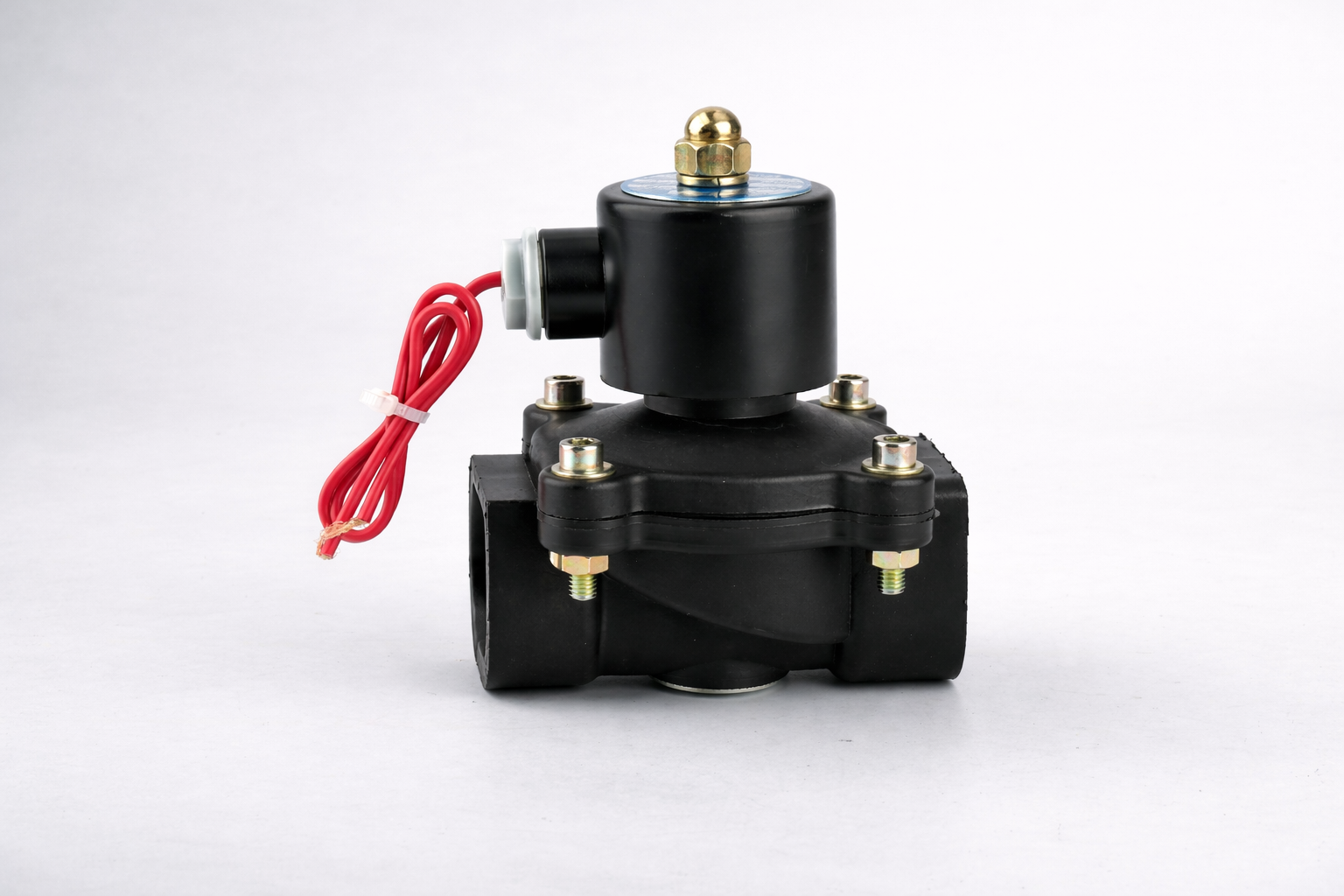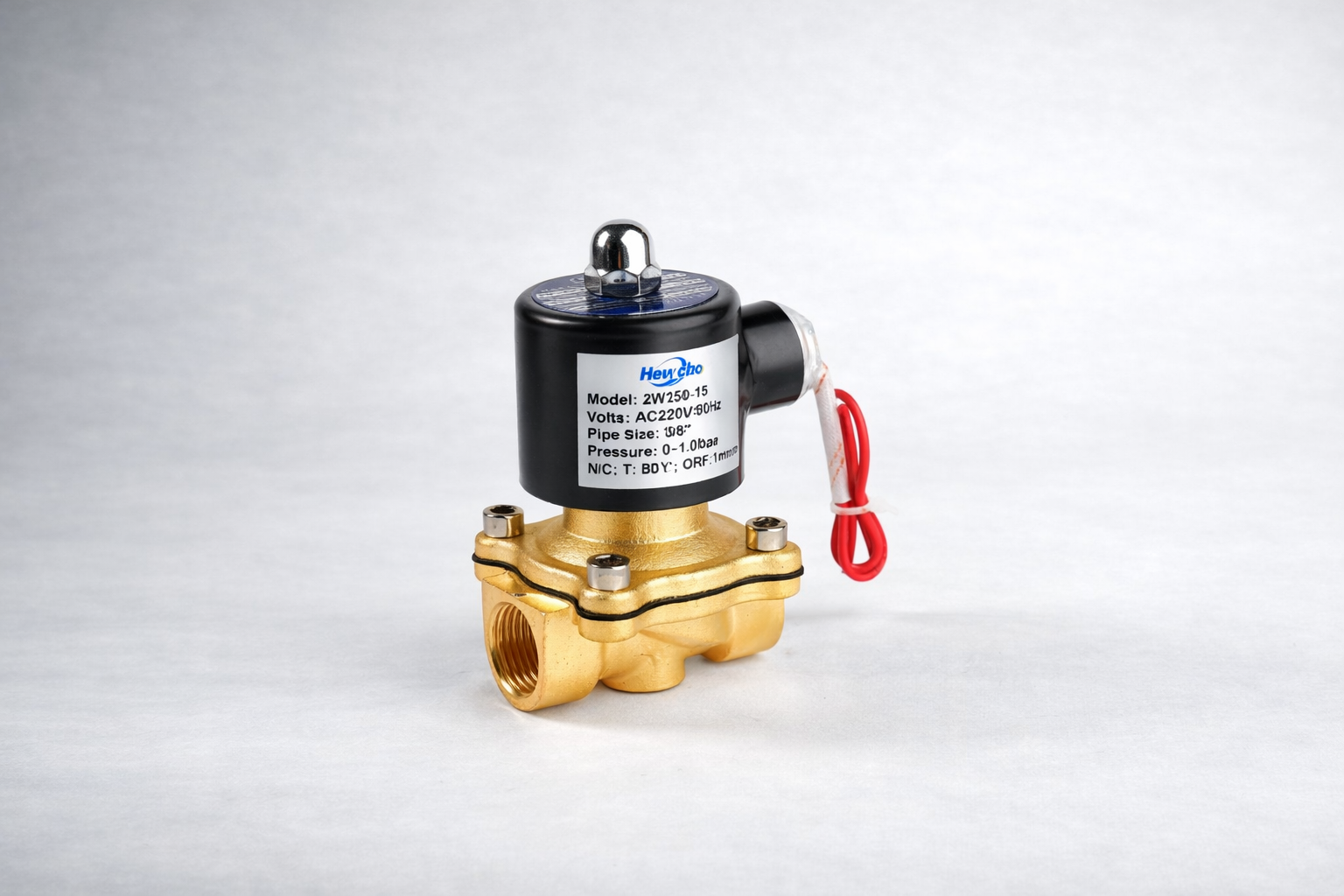
What Is a Solenoid Valve?
A solenoid valve is an electromechanical device used to control the flow of liquids or gases. It operates by energizing or de-energizing an electromagnetic coil, which moves an internal plunger or valve core to open or close the flow path.
Solenoid valves are widely used in industrial automation, water treatment systems, HVAC, pneumatic systems, food & beverage processing, and medical equipment due to their fast response and reliable performance.
Core Keywords:
Solenoid valve, industrial solenoid valve, fluid control valve
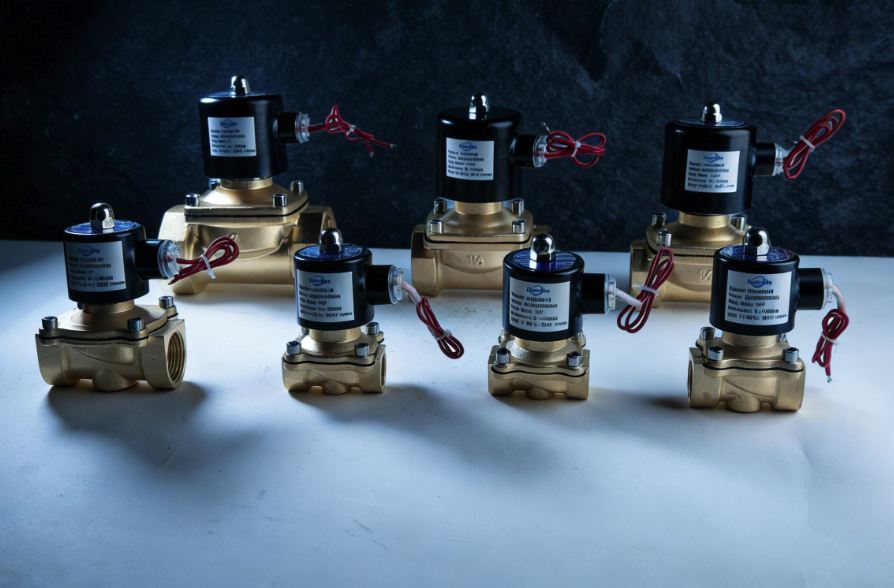
How Does a Solenoid Valve Work?
The basic components of a solenoid valve include:
- Solenoid coil
- Plunger or armature
- Spring
- Valve body and seal
When electrical power is applied to the solenoid coil, a magnetic field is generated, pulling the plunger upward or downward to change the valve state.
When power is removed, the magnetic field disappears, and the spring returns the plunger to its original position.
In short:
- Power ON → Valve opens or closes
- Power OFF → Valve returns to default position
This simple but effective mechanism allows precise and automatic fluid control.
Types of Solenoid Valves
Solenoid valves can be classified in several ways:
1. By Operating Principle
- Direct-acting solenoid valves
Suitable for low-pressure and small flow applications - Pilot-operated solenoid valves
Ideal for high-pressure and large flow systems - Semi-direct acting solenoid valves
Combine low-pressure start-up with high flow capacity
2. By Port Configuration
- 2-way solenoid valve
- 3-way solenoid valve
- 4-way / 5-way solenoid valve (commonly used in pneumatic control)
Common Applications of Solenoid Valves
Solenoid valves are essential components in many industries, including:
- Industrial automation and machinery
- Water and wastewater treatment systems
- HVAC and refrigeration equipment
- Food, beverage, and pharmaceutical production
- Automotive and新能源 (new energy) systems
Any system requiring fast response, remote control, and high reliability will benefit from using solenoid valves.
How to Choose the Right Solenoid Valve
When selecting a solenoid valve, consider the following key factors:
- Fluid or gas type (water, air, oil, corrosive media)
- Operating pressure and temperature
- Valve body material (brass, stainless steel, plastic)
- Voltage requirement (DC12V, DC24V, AC110V, AC220V)
- Port size and connection type
Proper selection ensures long service life, stable operation, and lower maintenance costs.
Conclusion
Solenoid valves play a critical role in modern fluid control systems. Understanding their working principle, types, and applications helps engineers and buyers make better decisions when designing or sourcing industrial equipment.
If you are looking for high-quality solenoid valves for industrial or OEM applications, choosing a professional manufacturer with customization capability is key to long-term reliability.