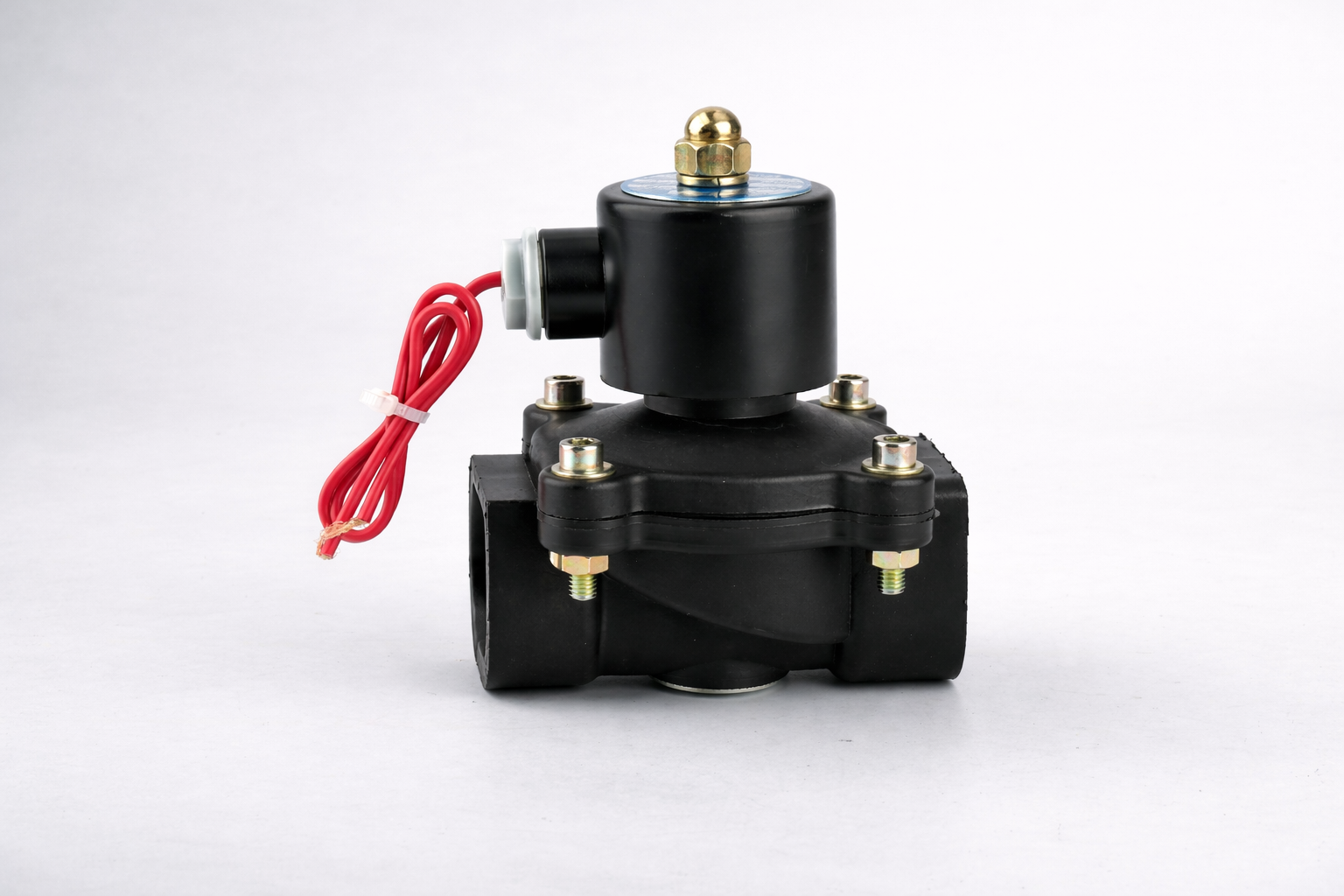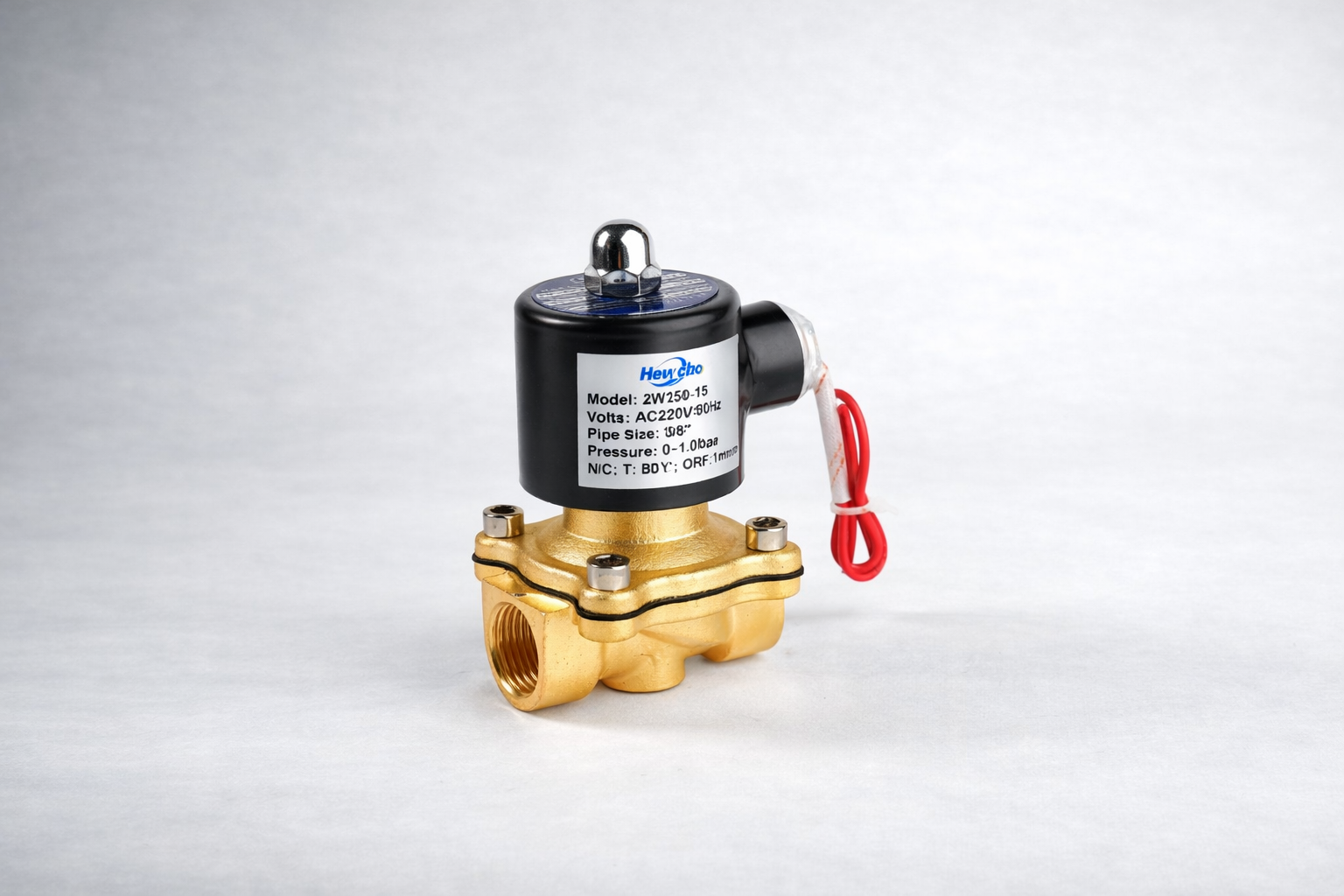
What Is a Solenoid Valve?
A solenoid valve is an electromechanical device used to control the flow of liquids or gases. It operates by energizing or de-energizing an electromagnetic coil, which moves an internal plunger or valve core to open or close the flow path.
Solenoid valves are widely used in industrial automation, water treatment systems, HVAC, pneumatic systems, food & beverage processing, and medical equipment due to their fast response and reliable performance.
Core Keywords:
Solenoid valve, industrial solenoid valve, fluid control valve
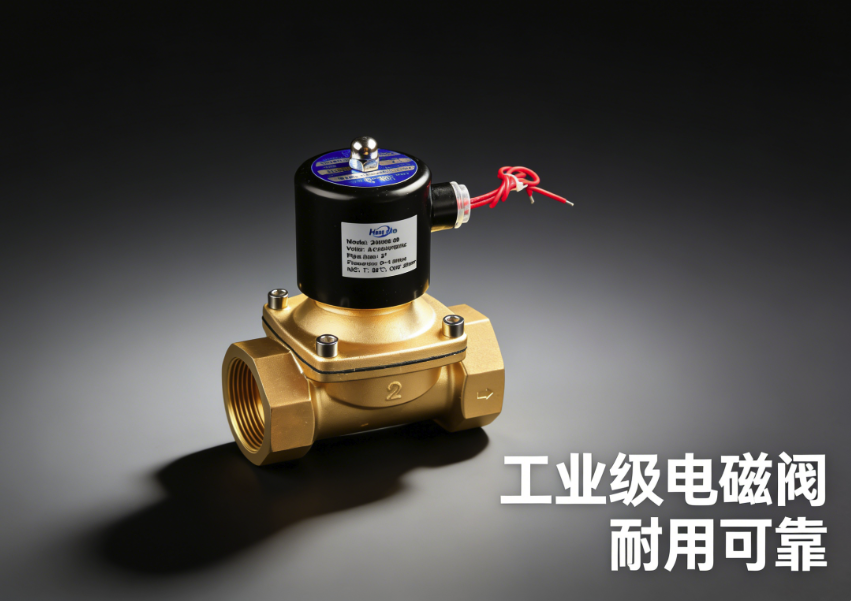
How Does a Solenoid Valve Work?
The basic components of a solenoid valve include:
- Solenoid coil
- Plunger or armature
- Spring
- Valve body and seal
When electrical power is applied to the solenoid coil, a magnetic field is generated, pulling the plunger upward or downward to change the valve state.
When power is removed, the magnetic field disappears, and the spring returns the plunger to its original position.
In short:
- Power ON → Valve opens or closes
- Power OFF → Valve returns to default position
This simple but effective mechanism allows precise and automatic fluid control.
Types of Solenoid Valves
Solenoid valves can be classified in several ways:
1. By Operating Principle
- Direct-acting solenoid valves
Suitable for low-pressure and small flow applications - Pilot-operated solenoid valves
Ideal for high-pressure and large flow systems - Semi-direct acting solenoid valves
Combine low-pressure start-up with high flow capacity
2. By Port Configuration
- 2-way solenoid valve
- 3-way solenoid valve
- 4-way / 5-way solenoid valve (commonly used in pneumatic control)
Common Applications of Solenoid Valves
Solenoid valves are essential components in many industries, including:
- Industrial automation and machinery
- Water and wastewater treatment systems
- HVAC and refrigeration equipment
- Food, beverage, and pharmaceutical production
- Automotive and新能源 (new energy) systems
Any system requiring fast response, remote control, and high reliability will benefit from using solenoid valves.
How to Choose the Right Solenoid Valve
When selecting a solenoid valve, consider the following key factors:
- Fluid or gas type (water, air, oil, corrosive media)
- Operating pressure and temperature
- Valve body material (brass, stainless steel, plastic)
- Voltage requirement (DC12V, DC24V, AC110V, AC220V)
- Port size and connection type
Proper selection ensures long service life, stable operation, and lower maintenance costs.
Conclusion
Solenoid valves play a critical role in modern fluid control systems. Understanding their working principle, types, and applications helps engineers and buyers make better decisions when designing or sourcing industrial equipment.
If you are looking for high-quality solenoid valves for industrial or OEM applications, choosing a professional manufacturer with customization capability is key to long-term reliability.
如果你愿意,下一步我可以继续帮你:
- 每天固定输出 英文 SEO 博客(不同关键词不重复)
- 写 产品页级别 Blog(带强转化)
- 针对 美国 / 欧洲市场关键词策略 定向写内容
你也可以直接告诉我:
👉 主要客户行业 + 是否做外贸独立站
再生成一片
当然可以,下面是第二篇英文电磁阀网站 Blog,关键词与角度已刻意避开上一篇,适合连续更新、提升 Google 收录与长尾词覆盖。
How to Choose the Right Solenoid Valve for Your Application
Why Solenoid Valve Selection Matters
Choosing the right solenoid valve is critical for system efficiency, safety, and long-term reliability. An incorrect valve selection can lead to leakage, slow response, frequent failures, or even system shutdown.
Whether you are an engineer, OEM buyer, or distributor, understanding the key selection factors will help you avoid costly mistakes.
Primary Keywords:
Solenoid valve selection, industrial solenoid valve, solenoid valve supplier
Step 1: Identify the Working Medium
The first step is to clearly define the fluid or gas being controlled:
- Air or compressed gas
- Water
- Oil or hydraulic fluid
- Steam
- Corrosive or chemical media
Each medium requires specific seal materials and valve body construction to ensure compatibility and durability.
Step 2: Check Operating Pressure and Temperature
Solenoid valves are designed for specific pressure and temperature ranges.
- Low pressure systems may require direct-acting solenoid valves
- High pressure or large flow systems usually need pilot-operated solenoid valves
- High-temperature applications may require special coils and seals
Always ensure the valve’s rated pressure and temperature exceed actual operating conditions.
Step 3: Select the Correct Valve Type
Depending on system requirements, choose the appropriate valve type:
- 2-way solenoid valve – simple on/off control
- 3-way solenoid valve – flow direction switching
- 4-way or 5-way solenoid valve – pneumatic actuator control
The wrong valve configuration can result in improper system operation.
Step 4: Choose Suitable Materials
Valve materials directly affect performance and service life:
- Brass – cost-effective, suitable for water and air
- Stainless steel – corrosion-resistant, ideal for harsh environments
- Engineering plastics – lightweight and chemical-resistant
Seal materials such as NBR, EPDM, FKM (Viton) should also be matched to the medium.
Step 5: Confirm Voltage and Control Method
Solenoid valves are available in multiple voltage options, including:
- DC12V / DC24V
- AC110V / AC220V
Selecting the correct voltage ensures stable operation and prevents coil damage.
For automation systems, compatibility with PLC or control panels is also essential.
Common Mistakes to Avoid
- Ignoring minimum operating pressure
- Using incorrect seal materials
- Selecting undersized or oversized valves
- Overlooking environmental factors such as dust, moisture, or vibration
Avoiding these mistakes can significantly extend valve lifespan.
Conclusion
Selecting the right solenoid valve is not just about price—it’s about performance, safety, and total cost of ownership. A properly chosen solenoid valve improves system efficiency and reduces downtime.
Working with an experienced solenoid valve manufacturer or supplier can help ensure the best solution for your application.