In the world of industrial automation, precision and efficiency are essential to maintaining smooth operations. Solenoid valves, although compact, are integral components that play a significant role in controlling fluid flow with accuracy. Whether it’s managing the flow of gases, liquids, or steam, solenoid valves help ensure that systems operate efficiently, reducing downtime and improving productivity across various industries.
What is a Solenoid Valve?
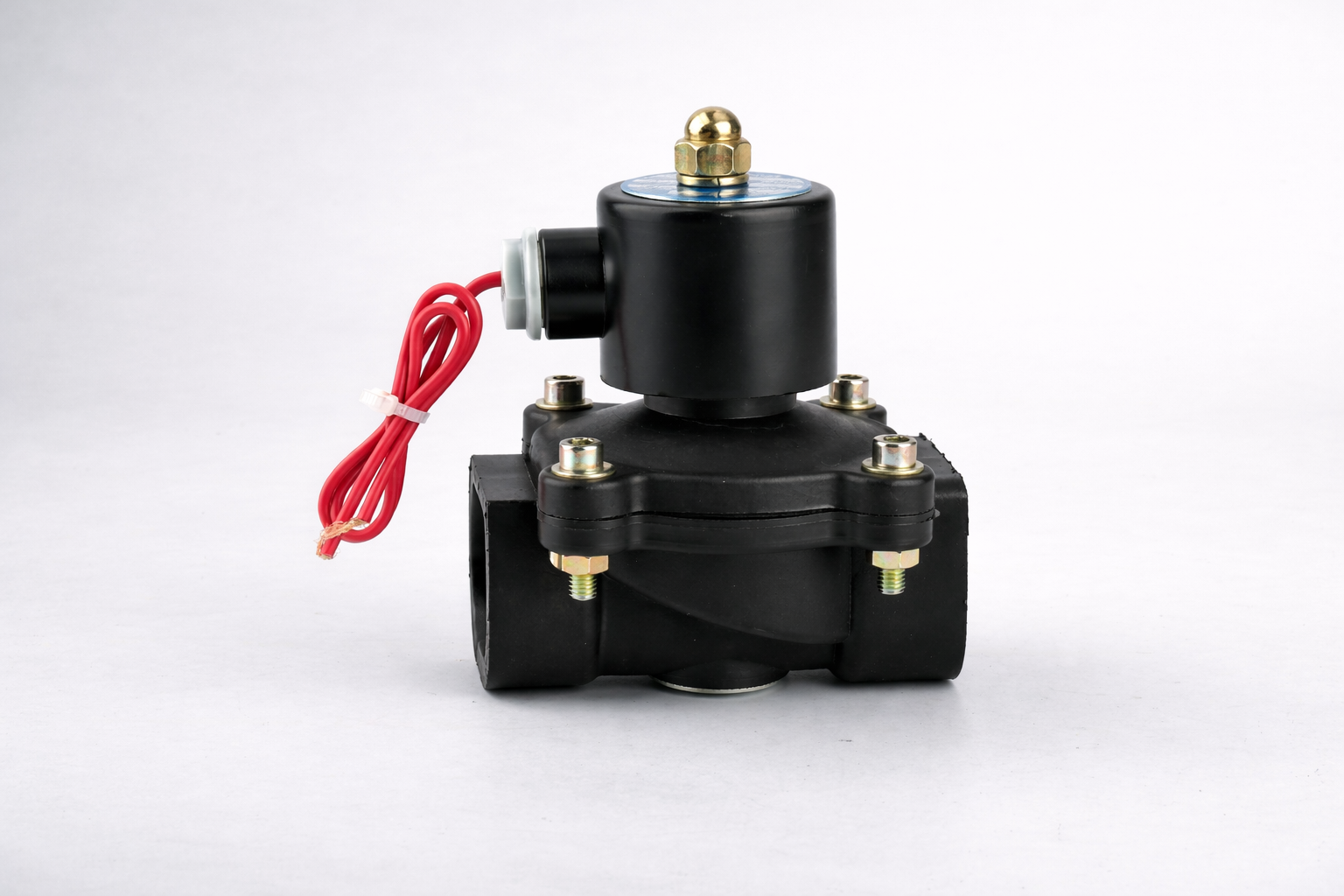
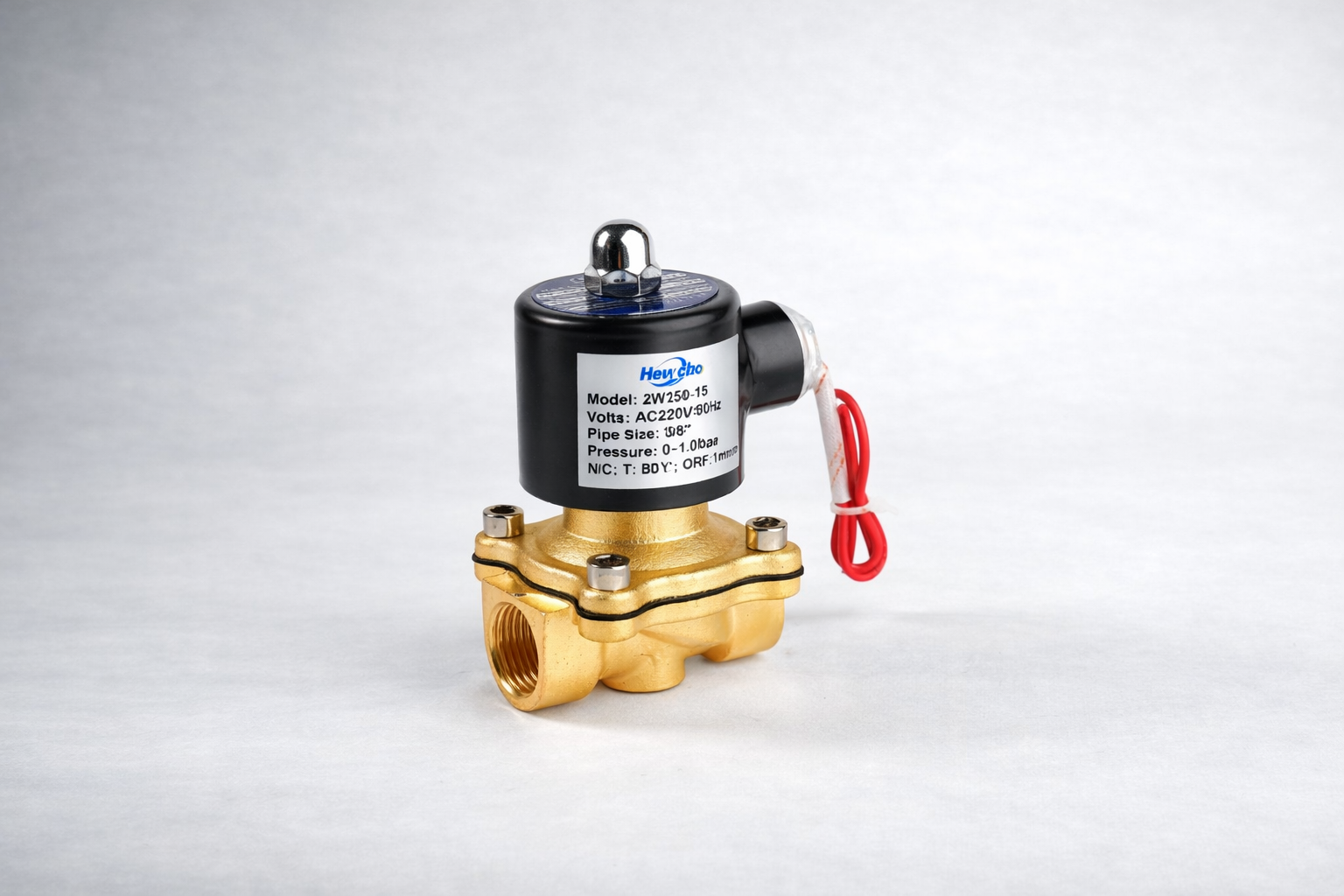
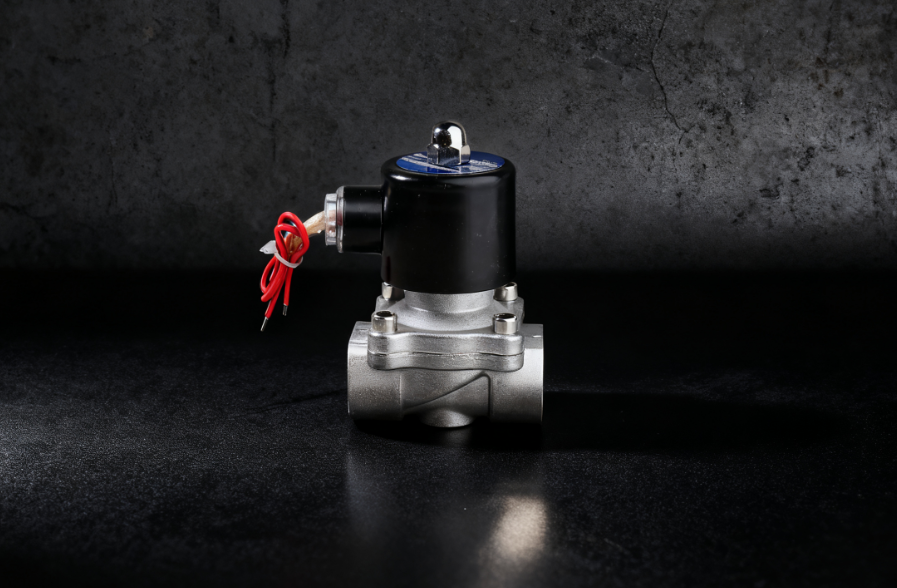
A solenoid valve is an electromechanical device designed to control the flow of fluids and gases. At the heart of the solenoid valve is an electromagnetic coil (the solenoid), which, when energized with electricity, creates a magnetic field. This magnetic field opens or closes the valve, allowing or stopping the flow of a fluid. The use of electrical signals provides precise control, which is crucial for automating fluid handling in systems ranging from simple domestic devices to complex industrial processes.

Types of Solenoid Valves and Their Applications
- 2-Way Solenoid Valves: These are the simplest and most common solenoid valves. With only two ports (an inlet and an outlet), a 2-way valve functions to either stop or allow fluid flow, making it ideal for basic on/off control in systems such as water treatment, heating systems, and irrigation.
- 3-Way Solenoid Valves: These valves have three ports and can either divert or mix fluids, providing more versatility in managing flow paths. 3-way solenoid valves are commonly used in pneumatic systems, heating, refrigeration, and fluid handling processes that require more than just a simple on/off control.
- 4-Way Solenoid Valves: These valves are used to control the flow of fluids in more complex systems, particularly in pneumatic applications that require direction control, such as controlling double-acting cylinders. These are typically found in automated machinery, robotics, and large-scale industrial applications.
Why Solenoid Valves are Essential for Industrial Automation
- Precision Control: Solenoid valves offer highly accurate control over fluid flow, ensuring that systems can function without the risk of overflows, underflows, or fluctuations. This precision is especially important in industries like pharmaceuticals, chemicals, and food processing, where even the smallest deviation in flow could compromise product quality or safety.
- Fast Response Time: One of the key benefits of solenoid valves is their ability to operate in real-time. The electromagnetic mechanism provides quick actuation, allowing systems to make rapid adjustments to fluid flow as needed. This is crucial in high-speed manufacturing environments, where split-second decisions can impact production efficiency.
- Space Efficiency: Solenoid valves are compact and easy to integrate into systems where space is limited. Their small size makes them an excellent choice for industries that need to conserve space, such as in medical devices, laboratory systems, and HVAC units, without sacrificing performance.
- Energy-Efficient: Solenoid valves are electrically operated, making them more energy-efficient compared to traditional mechanical valves. Since they require only the energy necessary to open or close the valve, they help reduce energy consumption and lower operational costs, which is especially beneficial for large-scale operations.
- Durability and Low Maintenance: With fewer moving parts than traditional valves, solenoid valves are built for durability and longevity. They require minimal maintenance, which leads to reduced downtime and maintenance costs in industrial settings. This makes them a cost-effective solution for companies looking to improve operational efficiency.
How to Choose the Right Solenoid Valve for Your Application
When selecting a solenoid valve for your system, it’s essential to consider several factors to ensure optimal performance:
- Fluid or Gas Type: The type of fluid or gas being controlled will determine the material composition of the valve. For example, corrosive liquids or gases may require a valve made from stainless steel, while standard water systems may use brass or plastic valves.
- Pressure and Temperature Conditions: Make sure the solenoid valve you select can handle the specific pressure and temperature conditions of your application. Choosing a valve with the right pressure and temperature ratings ensures smooth and safe operation.
- Flow Rate Requirements: The size and capacity of the solenoid valve should match the required flow rate of your system. A valve that is too small for the system may restrict flow, while a valve that is too large can lead to unnecessary energy consumption and wasted resources.
- Electrical Requirements: Solenoid valves are available in various voltage ratings. Ensure the valve you select is compatible with your system’s power supply, whether it’s low voltage or high voltage.
Why Choose Us for Your Solenoid Valve Needs?
At [Your Company Name], we specialize in providing high-quality solenoid valves designed to optimize your systems and improve operational efficiency. With a wide range of options to choose from, our solenoid valves are engineered for precision, durability, and low maintenance.
We understand the unique needs of different industries and offer tailored solutions to ensure you find the right valve for your application. Our team of experts is available to assist you in selecting the best solenoid valve that meets your specific requirements, whether it’s for a simple system or a more complex industrial process.
Conclusion
Solenoid valves are indispensable for maintaining smooth and efficient operations in industrial automation. Their ability to provide precise control, rapid response, and energy-efficient performance makes them essential components in a wide range of applications. Whether you’re automating a small system or optimizing a large-scale operation, solenoid valves offer the performance, reliability, and cost-efficiency needed to enhance your systems.
Contact us today to learn more about how our solenoid valves can improve the performance of your systems and ensure long-term operational success.