If you’ve ever stared at a P&ID wondering whether a solenoid valve (SV) or a motorized ball valve (MBV) makes more sense, you’re not alone. Both switch flow on and off—but they don’t solve the same problem the same way. Here’s a straight, field-tested comparison to help you choose confidently.
The Core Difference (think “electromagnet” vs. “electric motor”)
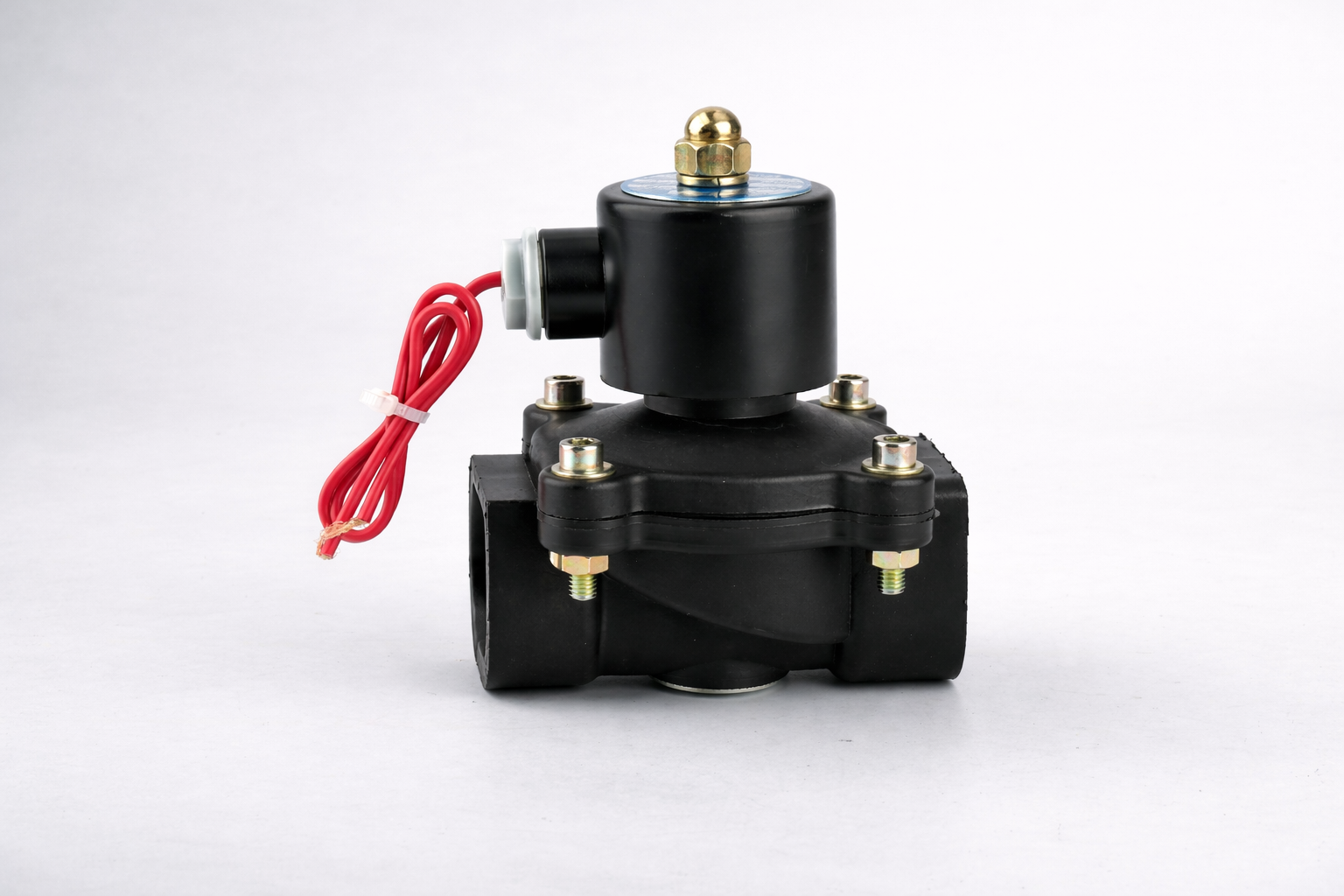
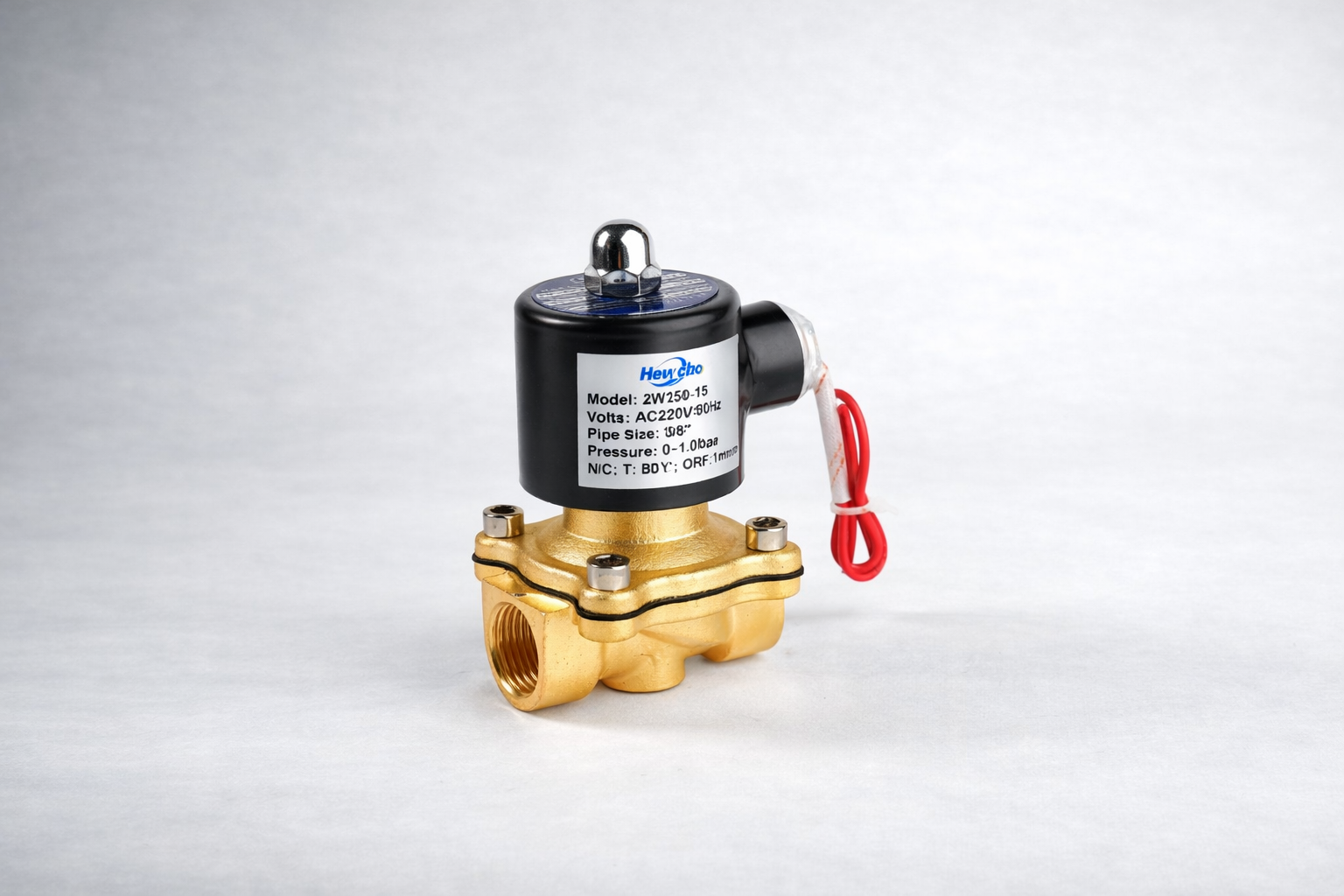
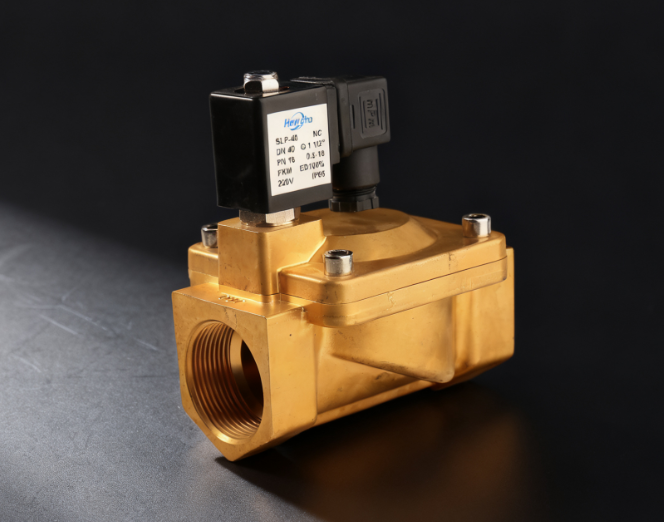
- Solenoid Valve (SV): An electromagnetic coil pulls a plunger to open/close an orifice. It’s fast, compact, and naturally suited to fail-safe behavior (normally closed/open).
- Motorized Ball Valve (MBV): A small electric actuator turns a ball 90°. It’s torque-driven, tolerant of dirty media, and great for tight shutoff on larger lines.
When a Solenoid Valve Wins
1) You need speed
- Typical actuation in tens of milliseconds to <1 s.
- Ideal for pulsing, dosing, interlocks, and emergency shutoff.
2) Built-in fail-safe
- NC/NO behavior without add-ons.
- Loses power → immediately snaps to its safe state.
3) Small footprint, low power
- Compact body and coil; easy to gang on manifolds.
- Simple wiring; clean with PLC outputs.
4) Low pressure or vacuum? Use direct-acting
- Direct-acting SVs open at 0 bar, perfect for gravity feed, vacuum, or short loops.
- (Pilot-operated SVs need a minimum ΔP—check that before you spec.)
Sweet spots: Clean air/water, fast interlocks, packaging lines, CIP utilities, purge/vent service, small to mid Cv on clean media.
When a Motorized Ball Valve Wins
1) Bigger lines, higher Cv
- MBVs scale affordably to larger diameters without complex pilots.
- Excellent for full-bore flow and low pressure drop.
2) Dirty, viscous, or particulate media
- Ball geometry tolerates fibers, slurries, and sticky fluids far better than small orifices and pilots.
3) True bubble-tight shutoff
- Seats provide very low leakage even at larger sizes.
- Great where “weeping” is not acceptable (e.g., fuel isolation, tank changeover).
4) Modulating or jog control
- Many actuators accept 4–20 mA / 0–10 V for position control.
- You can step or feather flow, not just on/off.
Sweet spots: Slurries, oils, fuels, glycol loops with debris, larger DN (≥ DN25/1″), applications needing tight shutoff or modulation.
Total Cost of Ownership (TCO): The honest view
| Factor | Solenoid Valve | Motorized Ball Valve |
|---|---|---|
| Unit cost | Lower (small sizes) | Higher (actuator + valve) |
| Install | Simple (coil + DIN) | Slightly more (actuator wiring, torque) |
| Energy use | Coil heat at 100% duty (AC higher) | Intermittent draw (moves, then rests) |
| Maintenance | Seats/orifices sensitive to grit | Seats/seals robust; actuator serviceable |
| Reliability risks | Wrong seal, no ΔP on pilots, debris | Actuator sizing, moisture ingress |
| Fail-safe | Native NC/NO | Needs spring-return, battery, or UPS |
Rule of thumb: Below DN20 with clean media and fast cycles → SV. Dirty media, large ports, or modulating needs → MBV.
Decision Tree (pin it on the wall)
- What happens on power loss?
- Must stop flow immediately → SV (NC).
- Must stay in last position or close slowly → MBV with fail-last or powered fail-safe.
- Media cleanliness/viscosity?
- Clean, low viscosity → SV okay.
- Dirty/viscous/particulate → MBV.
- Line size / required Cv?
- Small lines / modest Cv → SV.
- Large lines / high Cv → MBV.
- Cycle speed & frequency?
- Millisecond–sub-second and frequent → SV.
- Seconds-level actuation and infrequent → MBV.
- Control mode?
- On/Off only → either (use rules above).
- Positioning/modulating → MBV or a dedicated control valve.
Real-World Examples
- High-speed bottling purge: 24 VDC manifold solenoid valves, 15 ms response, 10M+ cycles. MBVs are too slow here.
- Glycol header isolation (DN40): Trace debris kept jamming pilots. Swapped to motorized ball valves with DZR brass bodies and EPDM seats — zero stranding since.
- Fuel day tank changeover: Needed bubble-tight shutoff and proof-of-closure signals. MBV with limit switches + spring-return actuator won on safety.
Spec Cheatsheets
Solenoid Valve quick spec
- Fail state: NC (default) / NO (vent/drain).
- Actuation: Direct-acting for 0 bar; pilot-op with ΔP available.
- Materials: NBR (air/water), EPDM (hot water/steam/glycol), FKM (fuels/solvents), PTFE (aggressive chemicals).
- Cv sizing: Don’t use pipe size—calculate from flow & ΔP.
- Protection: IP65+; strainer 80–100 μm upstream.
Motorized Ball Valve quick spec
- Bore: Full-port for low ΔP.
- Seats/Seals: PTFE/RPTFE; EPDM/FKM as media dictates.
- Actuator: Correct torque with safety margin; consider spring-return for fail-safe.
- Signals: Dry contact, 4–20 mA/0–10 V, end switches as needed.
- Protection: IP65–IP67; condensation heater for outdoor boxes.
Common Pitfalls (and fixes)
- Pilot SV won’t open on startup: No ΔP. Use direct-acting or add a bypass to establish pressure.
- Coils running hot: Wrong voltage/duty or oversize Cv causing hammer. Fix sizing; add snubbers (AC) or diodes (DC).
- MBV stalls mid-stroke: Undersized actuator torque or sticky media. Upsize actuator; add periodic exercise.
- Leak-by on “closed” SV: Debris on seat. Install upstream strainer; clean core tube; consider MBV for dirty media.
Bottom Line
Choose the mechanism that matches your physics and failure mode—not just the symbol on the drawing. Solenoid valves shine for speed, compactness, and built-in fail-safe. Motorized ball valves dominate for dirty media, high Cv, tight shutoff, and modulation. Get those calls right, and your “valve problems” turn into non-events.
Have a live case? Share media, temperature, pressure/ΔP, line size, desired fail state, and whether you need modulation. I’ll suggest two clean options you can drop into your BOM.