December 26, 2025
Eric Jiang
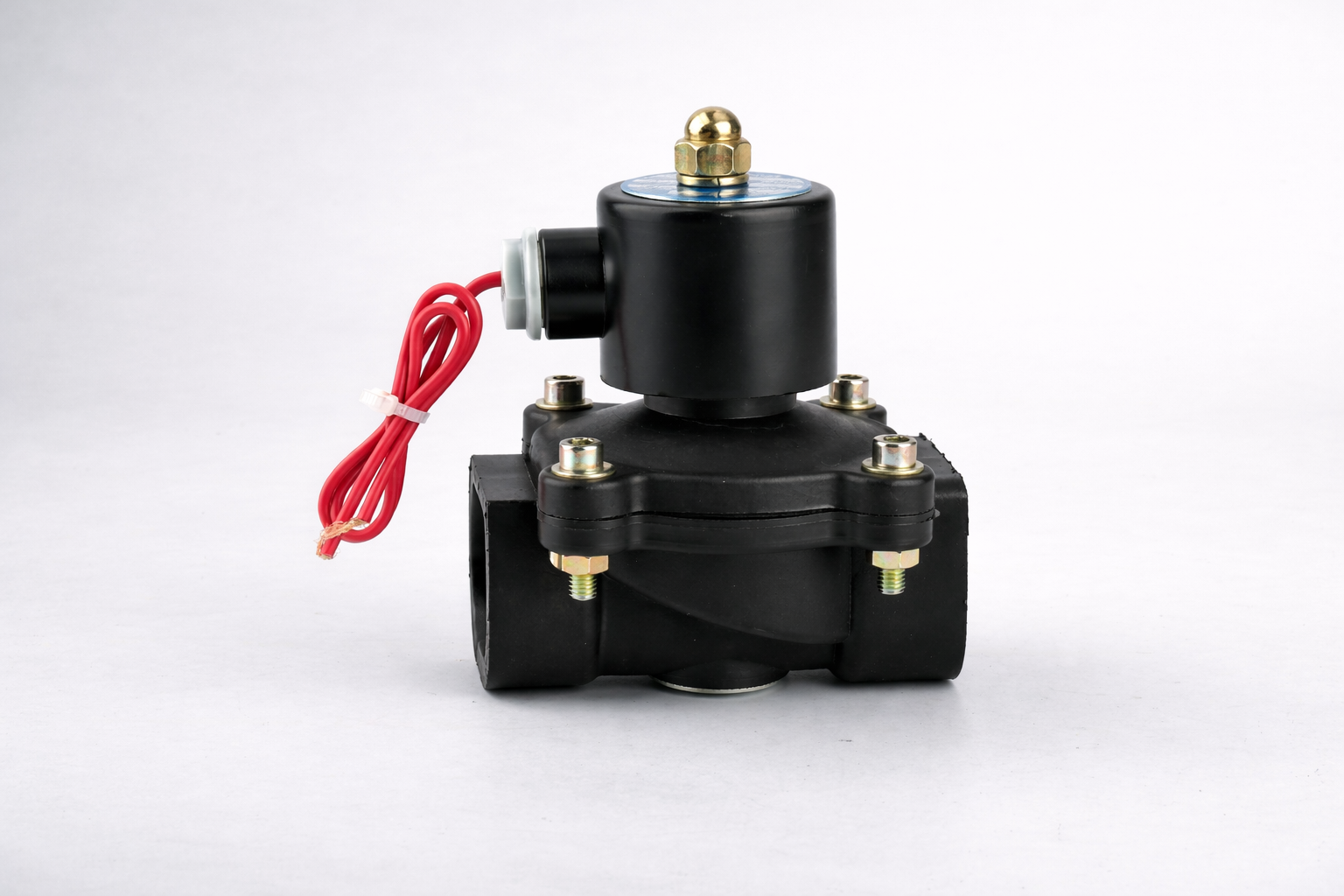
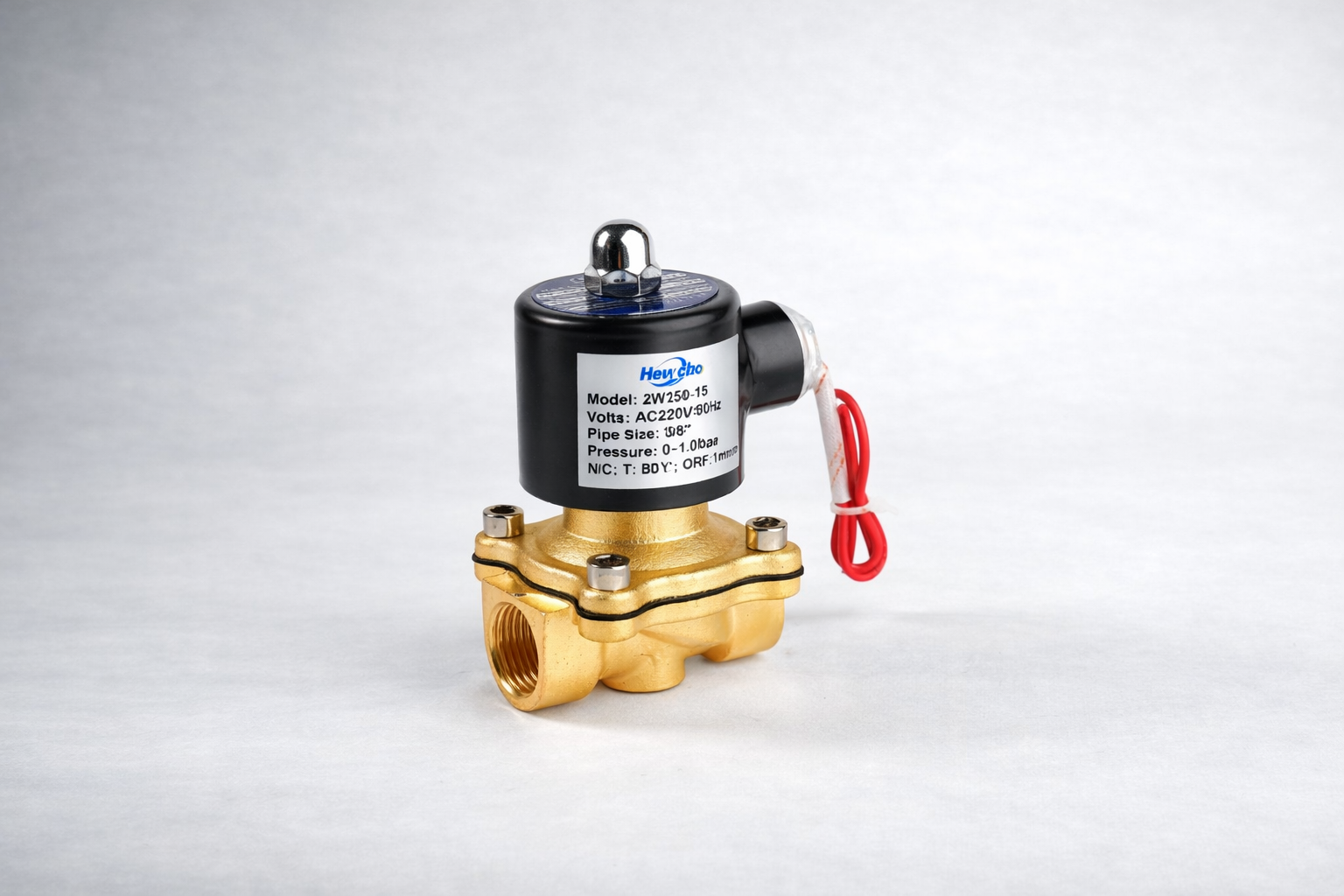
Solenoid valve
Steam solenoid valves are reliable when correctly selected and installed — but when something goes wrong, the failure often repeats until the real root cause is found. Steam systems are harsh: high temperature, pressure, condensate, and debris can quickly turn small issues into downtime.
This practical guide covers the most common steam solenoid valve problems, the likely causes, and what to check first.
1. Valve Does Not Open
Typical symptoms
- Coil energizes but no steam flow
- Valve stays shut even after multiple cycles
Most common causes
- No differential pressure for pilot-operated valves
- Blocked orifice or pilot channel (dirt, scale, rust)
- Incorrect flow direction (installed backwards)
- Steam pressure too low / unstable
- Coil voltage too low (weak magnetic force)
What to do
- Confirm if your valve is pilot-operated and check minimum pressure requirement
- Inspect and clean the pilot hole/orifice
- Verify the arrow direction on the valve body
- Measure coil input voltage at the coil terminals (not only at the power supply)
2. Valve Opens Slowly or Unstable (Chattering)
Typical symptoms
- Valve “buzzes,” opens and closes repeatedly
- Steam flow fluctuates
Most common causes
- Wet steam and condensate hitting the valve
- Pressure is near the pilot minimum
- Debris partially blocking pilot passages
- Oversized valve causing unstable control
- AC coil vibration + imperfect plunger movement
What to do
- Improve condensate removal: drip leg + steam trap near the valve
- Add a Y-strainer upstream
- Check if the valve is oversized; consider a smaller Cv
- If possible, consider DC coil for more stable operation
3. Coil Burns Out Repeatedly
Typical symptoms
- Coil becomes very hot, smells burnt, fails after days/weeks
Most common causes
- Coil not rated for steam-area ambient temperature
- Coil mounted sideways/downward trapping heat
- Valve plunger stuck → coil draws heat without full movement
- Voltage too high or unstable
- Poor ventilation / radiant heat from nearby piping
What to do
- Use a high-temperature continuous-duty coil
- Mount coil upright and add a heat shield if needed
- Check plunger movement and clean internal parts
- Verify actual voltage at the coil under load
- Avoid insulating over the coil
4. Valve Leaks Steam When Closed
Typical symptoms
- Steam passes downstream even when valve should be shut
Most common causes
- Seat damage from debris
- Seal hardening (wrong elastomer for steam)
- Water hammer deforming internal components
- Scale buildup preventing full sealing
What to do
- Install/clean upstream strainer
- For steam, prefer EPDM (high-temp grade) seals
- Reduce water hammer: proper drainage + correct valve sizing
- Inspect seat and sealing surfaces; replace worn parts
5. Water Hammer After Valve Action
Typical symptoms
- Loud banging noises in pipe, vibration, sudden shocks
Most common causes
- Condensate pooling in the steam line
- Valve closes too fast or is oversized
- Poor pipe slope / no drip leg
- Trap missing, blocked, or incorrectly installed
What to do
- Add drip leg + steam trap near low points and before control points
- Avoid oversized valves; consider slow-closing designs where possible
- Verify piping slope and condensate drainage path
- Check trap operation (many “valve issues” are trap issues)
6. Valve Works Sometimes, Fails Sometimes
Typical symptoms
- Valve works during startup but fails during normal running
- Or works when hot but fails when cold
Most common causes
- Pressure conditions change across the day
- Coil overheating after long energizing
- Condensate load changes during startup vs steady state
- Intermittent electrical connection (connector moisture/loose wiring)
What to do
- Compare inlet/outlet pressure at startup vs running
- Check coil temperature after long operation
- Improve condensate handling near the valve
- Upgrade connector sealing and cable gland, especially in humid areas
7. Excessive Noise (Buzzing or Humming)
Typical symptoms
- Loud hum from coil, vibration, unstable sound
Most common causes
- AC coil resonance
- Plunger not fully pulled in (dirt or low voltage)
- Incorrect coil or armature mismatch
What to do
- Confirm correct coil model for the valve
- Clean armature/plunger area
- Verify voltage stability
- Consider DC coil if your application allows it
8. Valve Fails Soon After Installation
Typical symptoms
- New valve fails in days/weeks
Most common causes
- Debris in piping from installation (welding slag, rust)
- Wrong material selection (brass body or wrong seal for steam)
- Coil exposed to direct radiant heat
- Incorrect mounting direction or poor drainage layout
What to do
- Flush the line and install a strainer
- For steam, prefer stainless steel body + EPDM
- Improve installation layout: trap + drip leg + coil upright
- Confirm flow direction and correct wiring
9. Valve Overheats the System or Wastes Steam
Typical symptoms
- Steam consumption higher than expected
- Equipment cycles too aggressively
Most common causes
- Oversized valve Cv
- Wrong control logic (on/off too frequent)
- Leaking seat or poor sealing
What to do
- Re-check sizing based on actual steam load
- Reduce cycling by control optimization
- Inspect leakage and seat condition
10. Quick Troubleshooting Checklist (Fast Field Use)
Before you replace another valve, check these in order:
- Is it steam-rated? (stainless body + EPDM + correct pressure/temperature)
- Pilot or direct-acting? Do you meet minimum differential pressure?
- Is there a strainer upstream? Any debris issues?
- Is condensate controlled? drip leg + steam trap + correct slope
- Coil rating + mounting? high-temp coil, upright position, heat shielding
- Electrical supply stable? correct voltage at coil under load
- Is the valve oversized? unstable control causes chattering and hammer
Final Thoughts
Steam solenoid valve troubleshooting is usually about system conditions, not just the valve. Condensate, debris, poor installation, wrong coil rating, and oversizing account for most failures.
If you want, I can generate the next blog as a “deep dive” on one topic:
- How to design the best installation layout (trap + drip leg + strainer + coil position)
- How to choose EPDM vs other seals for steam (with temperature limits and common mistakes)
- How to select pilot-operated steam solenoid valves (minimum pressure, Cv, and stability tips)