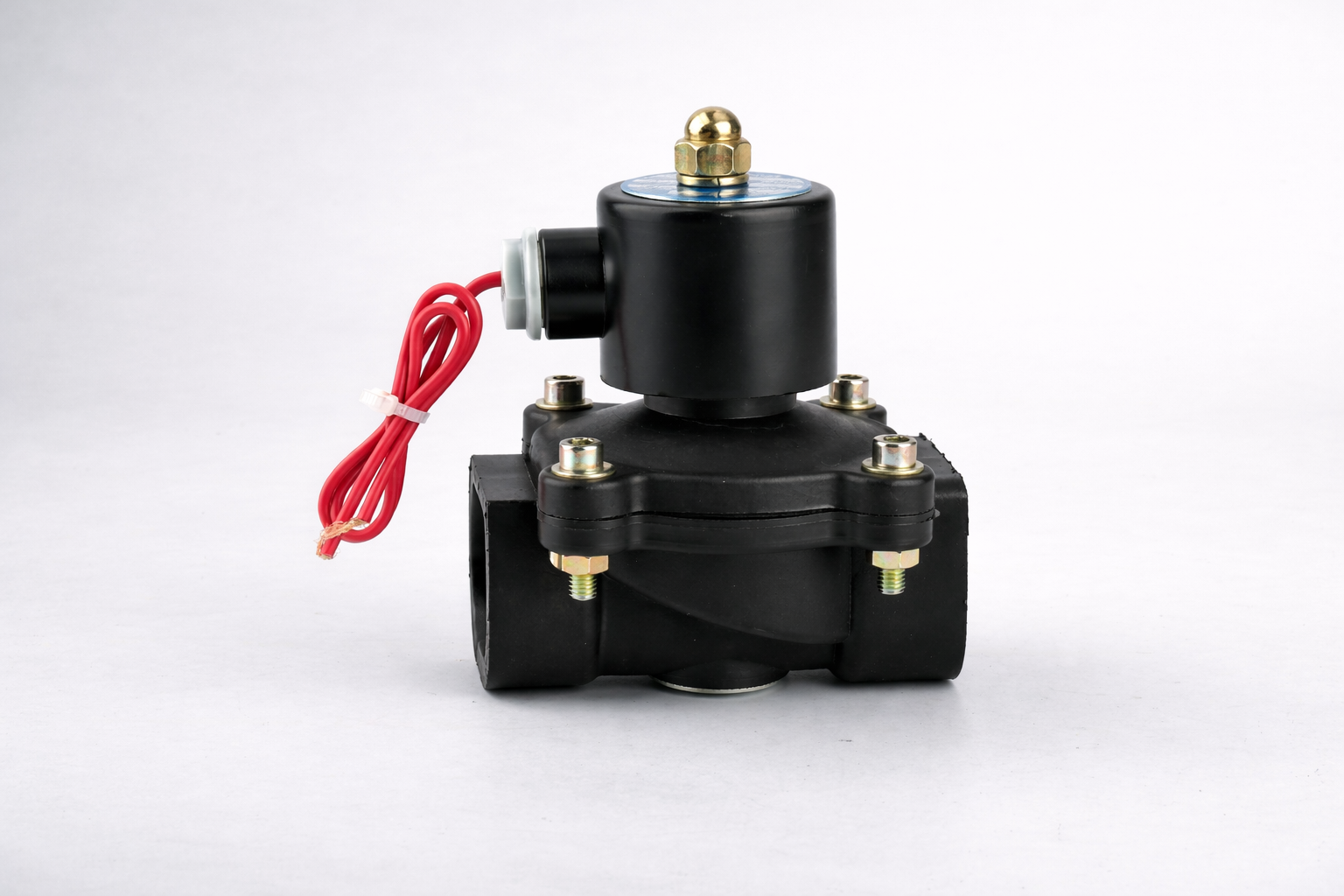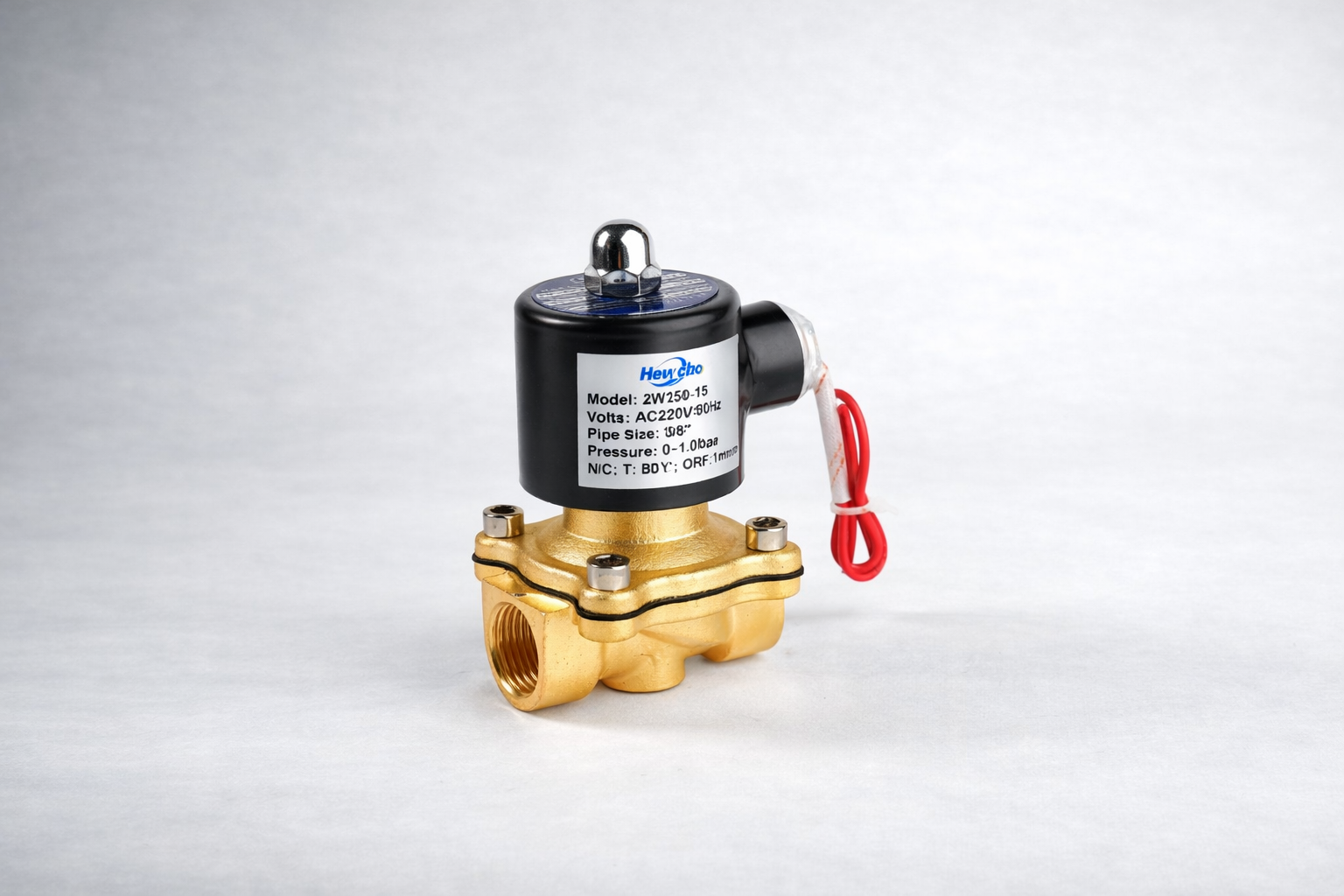
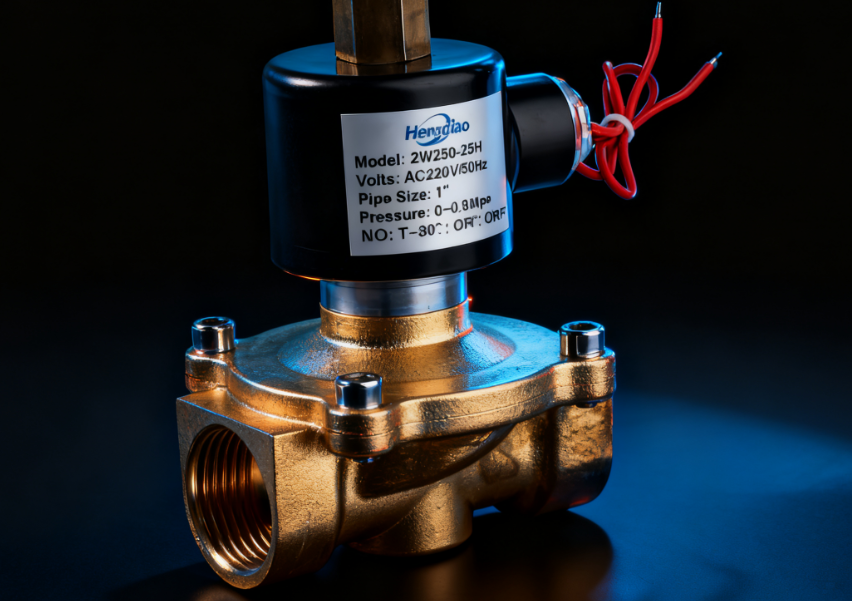
In the fast-paced world of industrial automation, reliability, precision, and efficiency are the cornerstones of any successful operation. Among the most crucial components that help achieve these goals are solenoid valves. These devices, though compact, have a powerful impact on controlling the flow of liquids and gases, ensuring that everything runs smoothly and efficiently.

What Exactly Is a Solenoid Valve?
A solenoid valve is an electromechanical device that controls the flow of fluids or gases within a system. It consists of a coil of wire (the solenoid) that, when energized with electricity, creates a magnetic field. This field moves the valve mechanism, either opening or closing the valve to allow or stop the flow of a substance. The result is precise control over the flow, which is essential in automated systems.
Types of Solenoid Valves: Tailored to Different Applications
- 2-Way Solenoid Valves: These are the simplest and most common type of solenoid valve. They are used to either stop or allow the flow of a single fluid or gas. Whether you’re working with water in an irrigation system or air in HVAC, a 2-way valve is often the go-to choice for straightforward on/off control.
- 3-Way Solenoid Valves: These valves add versatility by enabling the flow to be directed between three ports. This makes them ideal for mixing fluids or switching between different flow paths. They are commonly used in pneumatic systems, cooling circuits, and even in water treatment facilities.
- 4-Way Solenoid Valves: For even more control, 4-way solenoid valves allow fluid to flow in different directions and are typically used in applications requiring double-acting cylinders or more complex fluid management. These valves are crucial in systems like automated machinery, robotics, and packaging lines.
Why Are Solenoid Valves So Important?
- Precision and Control: One of the primary advantages of solenoid valves is their ability to provide precise flow control. Whether you’re regulating the amount of air in a pneumatic system or controlling liquid flow in a manufacturing line, solenoid valves help ensure that processes are exact, preventing system errors and inefficiencies.
- Quick Response Time: Solenoid valves are known for their fast actuation speed. This quick response time makes them indispensable in systems that require immediate adjustments, such as in high-speed manufacturing or automation processes where real-time changes are necessary.
- Compact and Efficient: Despite their small size, solenoid valves pack a punch in terms of performance. Their compact design allows them to fit into spaces where larger, more cumbersome valves would be impractical. They also consume less power than mechanical valves, making them a more energy-efficient option.
- Reliability and Low Maintenance: Solenoid valves are highly reliable and require minimal maintenance compared to traditional mechanical valves. With fewer moving parts, they are less prone to wear and tear, meaning fewer breakdowns and less downtime in your system.
- Cost-Effective: When it comes to long-term operations, solenoid valves are a cost-effective solution. Their energy efficiency, durability, and low maintenance requirements help reduce operating costs, making them a smart choice for industries looking to maximize their bottom line.
Choosing the Right Solenoid Valve for Your System
To get the most out of your solenoid valve, it’s essential to choose the right type for your application. Here are a few key factors to consider:
- Fluid or Gas Type: Different fluids and gases require different materials. For example, corrosive substances may require stainless steel valves, while non-corrosive fluids might be compatible with brass or plastic valves.
- Pressure and Temperature: Your system’s pressure and temperature conditions should match the specifications of the solenoid valve you choose. Using the wrong valve could lead to failure or even unsafe conditions in the system.
- Flow Rate: It’s vital to match the valve’s flow rate to the needs of your application. A valve that is too small could restrict flow, while a valve that’s too large could lead to energy waste and unnecessary costs.
- Control Mechanism: Depending on your needs, you might want a normally open or normally closed valve. A normally open valve remains open until it is energized, while a normally closed valve stays shut until it receives a signal.
Why Choose Us for Your Solenoid Valve Needs?
At [Your Company Name], we specialize in providing high-quality solenoid valves designed to meet the specific needs of our customers. Whether you’re automating a small system or upgrading a large-scale operation, our solenoid valves offer the precision, reliability, and efficiency that you require.
Our team of experts is always ready to assist you in selecting the perfect solenoid valve for your application. We take pride in offering customized solutions, ensuring that your system runs optimally without the risk of failure or inefficiency.
In Conclusion
Solenoid valves are essential to modern industrial systems, offering precise control over the flow of fluids and gases while ensuring minimal downtime and maximum efficiency. Whether you’re looking to improve an existing system or design a new one, solenoid valves provide the reliability and performance needed to optimize your operations.
Reach out to us today to learn more about how our solenoid valves can enhance your systems and contribute to the success of your business.