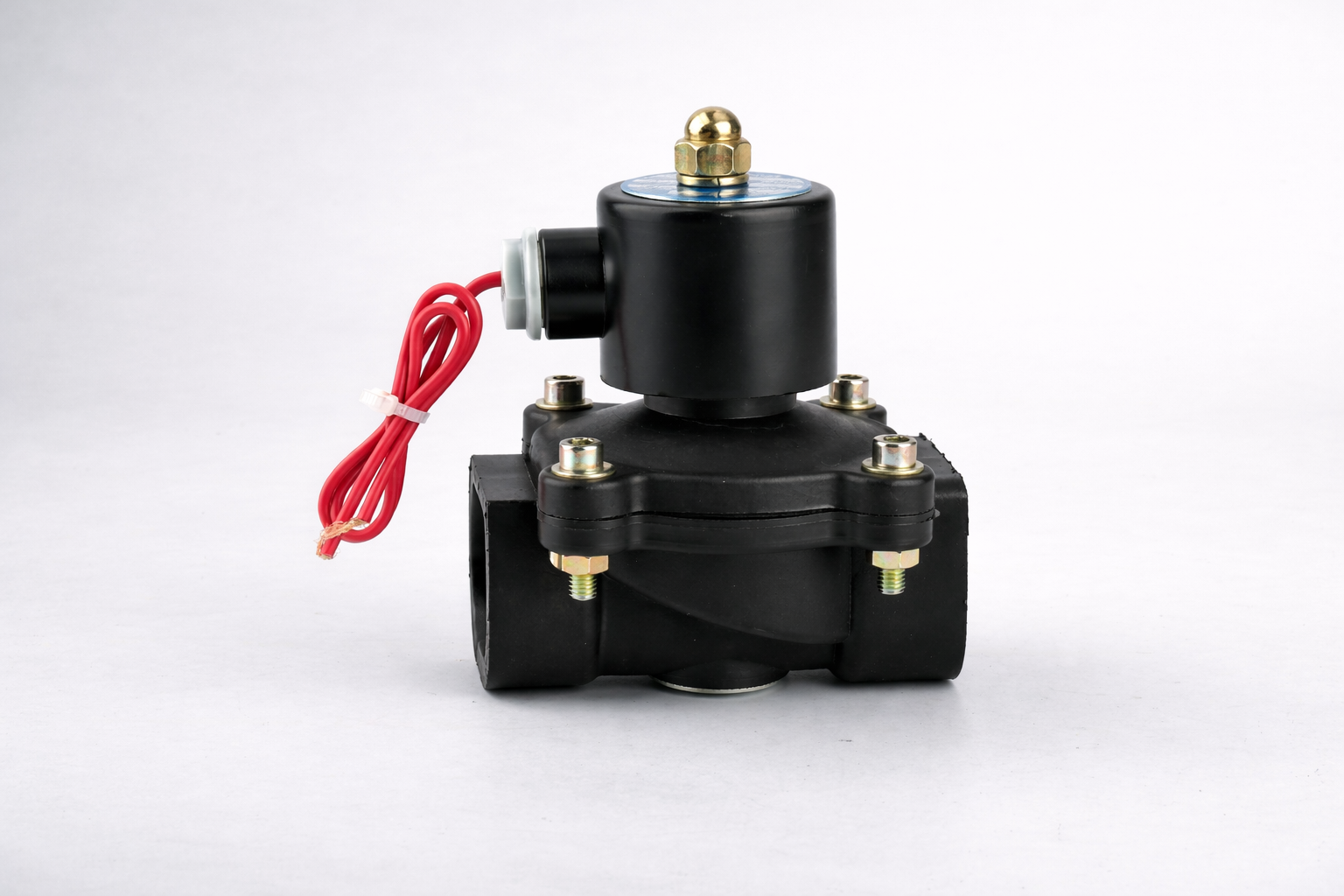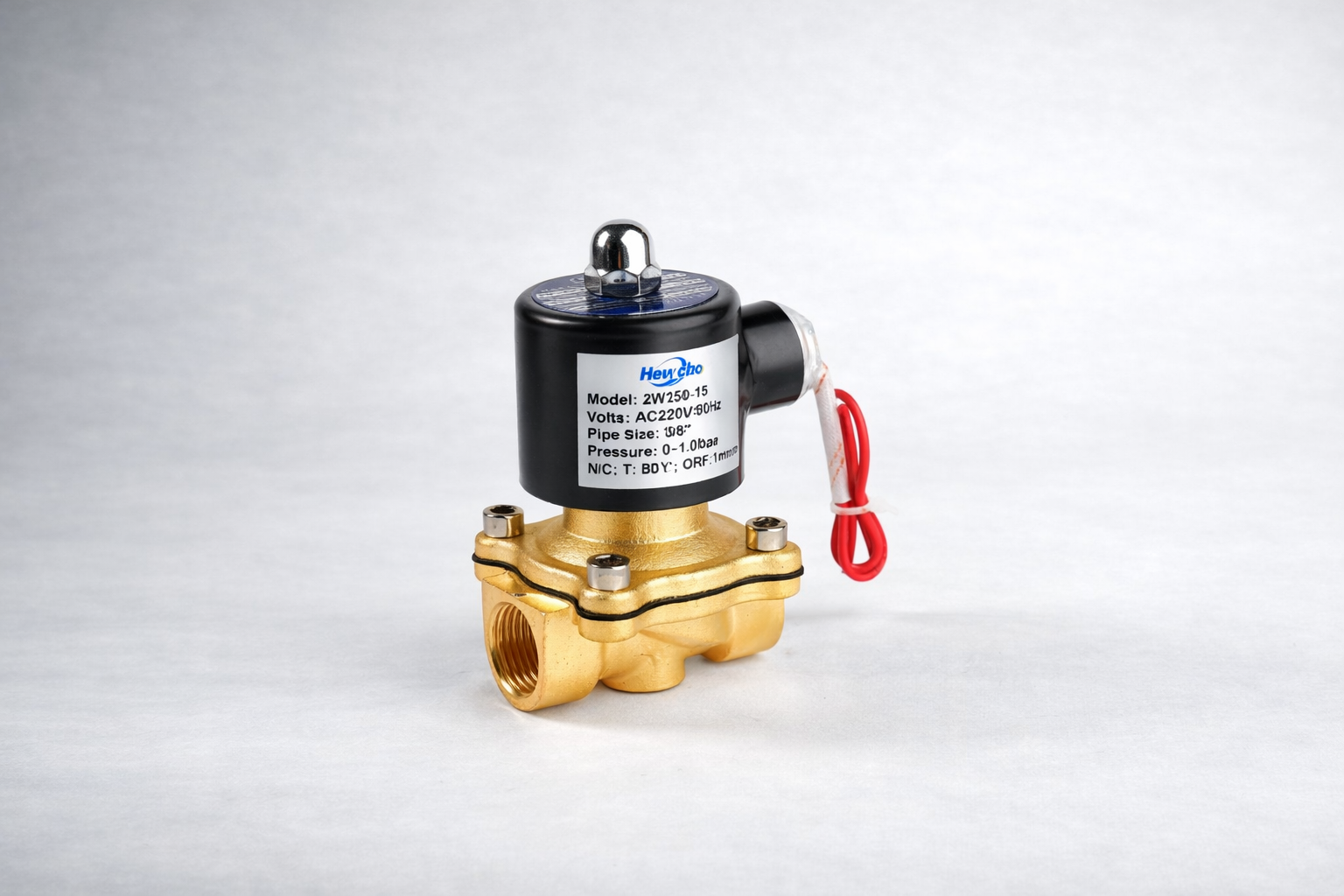
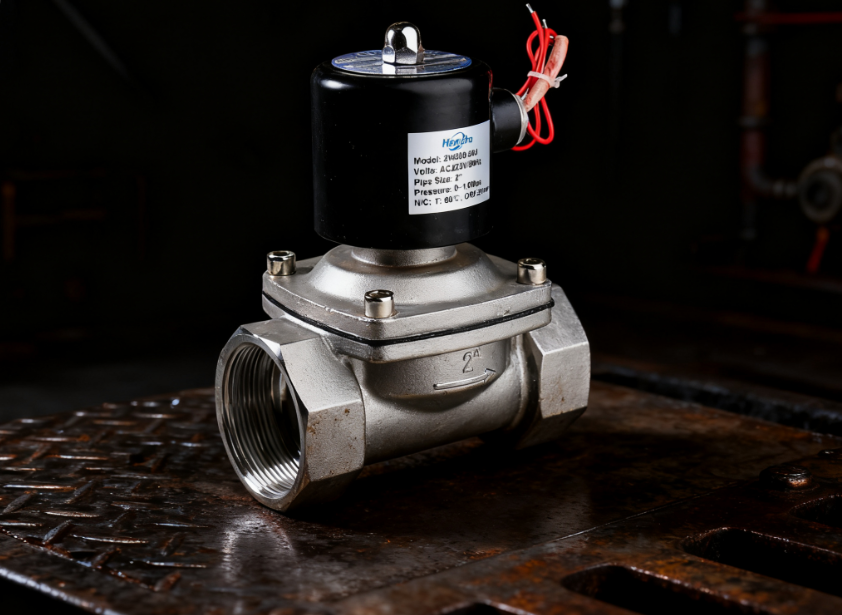
In the fast-evolving world of automation, every component counts toward achieving maximum efficiency. Solenoid valves, though small in size, have a big impact on industrial systems worldwide. Whether in a manufacturing facility, HVAC system, or process control, these valves play a pivotal role in controlling the flow of fluids and gases. With their precision, speed, and versatility, solenoid valves have become essential for ensuring smooth and uninterrupted operations in countless applications.
What is a Solenoid Valve?

A solenoid valve is an electromechanical valve that regulates the flow of fluids (liquids, gases, or steam) through a system. It operates using an electromagnetic solenoid—a coil of wire that creates a magnetic field when an electrical current passes through it. This magnetic field either opens or closes the valve, enabling precise control of the flow path.
The versatility and functionality of solenoid valves make them indispensable in industries that rely on automated fluid control systems.
Different Types of Solenoid Valves and Their Functions
- 2-Way Solenoid Valves: These are the simplest and most widely used type of solenoid valve. A 2-way valve has two ports: an inlet and an outlet. It either opens or closes to allow or block the flow of fluid or gas. These valves are ideal for basic on/off control applications in everything from irrigation systems to industrial process control.
- 3-Way Solenoid Valves: As the name suggests, 3-way solenoid valves feature three ports. These valves are perfect for diverting or mixing fluids between different paths, making them essential in more complex systems such as pneumatic circuits, heating systems, and fluid handling processes.
- 4-Way Solenoid Valves: These valves allow control over multiple flow paths, making them particularly useful for managing complex systems that require precise directional control. For example, 4-way valves are often used to control double-acting cylinders in pneumatic systems, robotic arms, or automated machinery in manufacturing lines.
Key Benefits of Solenoid Valves in Modern Automation
- Precise Control of Fluid Flow: Solenoid valves provide exceptional control over the flow of fluids and gases, ensuring the accuracy required in automated processes. Whether regulating the air pressure in a pneumatic system or controlling water flow in industrial cooling systems, solenoid valves offer precision that mechanical valves simply cannot match.
- Quick Actuation: Solenoid valves are designed for fast, efficient actuation. This rapid response time is crucial in industries where quick changes in flow are required—such as in robotics, food processing, and chemical production. The ability to make real-time adjustments ensures continuous production without costly delays.
- Compact and Space-Efficient: Despite their impressive capabilities, solenoid valves are compact and easy to integrate into systems with limited space. Their small footprint makes them ideal for applications in tight or confined spaces, where traditional, larger valve systems would be too bulky.
- Energy-Efficient Design: Solenoid valves are electrically driven, allowing for more energy-efficient operation compared to mechanical valves. Their precision means that the system uses only the energy required for optimal performance, reducing energy consumption and lowering overall operational costs.
- Durability and Low Maintenance: Solenoid valves are built for long-lasting performance. With fewer moving parts than mechanical valves, solenoid valves experience less wear and tear, which translates to lower maintenance costs and fewer system downtimes.
Selecting the Right Solenoid Valve for Your System
Choosing the right solenoid valve is crucial for optimizing your system’s performance. Here are some key factors to consider:
- Fluid Type: Different types of fluids require different valve materials. For example, water, oil, and gas may require valves made from stainless steel, brass, or plastic depending on their corrosiveness and pressure demands.
- Pressure and Temperature Range: It’s essential to ensure that the solenoid valve you select can handle the pressure and temperature conditions of your application. Using a valve that doesn’t meet these specifications could lead to system failures or safety issues.
- Flow Rate and Valve Size: The flow rate you need will determine the size of the solenoid valve you choose. A valve that’s too small for your system could restrict flow, while a valve that’s too large may waste energy and increase costs.
- Electrical Specifications: Solenoid valves come in various electrical configurations, including different voltage levels. Make sure the valve matches your system’s electrical requirements to ensure smooth operation.
Why Choose Us for Your Solenoid Valve Needs?
At [Your Company Name], we offer a wide range of high-performance solenoid valves designed to meet the needs of diverse industrial applications. Whether you’re automating a simple system or implementing a complex fluid control solution, our team of experts is here to help you find the ideal valve for your requirements.
We provide detailed technical support, ensuring that you get the best possible solution for your system’s needs. Our solenoid valves are built to deliver reliability, durability, and efficiency, helping you optimize performance and minimize downtime.
Conclusion
Solenoid valves are a critical component of modern automation, offering precision, speed, and reliability in fluid and gas control. With their compact size, energy-efficient design, and ability to provide real-time adjustments, solenoid valves are an essential tool for optimizing industrial systems. If you’re looking to enhance your operations with high-quality solenoid valves, contact us today, and our team will help you choose the perfect valve for your system.