In the world of industrial automation, efficiency, control, and reliability are paramount. To achieve these goals, engineers and manufacturers rely on a variety of components, and one of the most essential among them is the solenoid valve. These versatile devices are integral to controlling the flow of fluids and gases in countless applications, from manufacturing plants to HVAC systems, and they play a key role in the smooth operation of automated processes.
What Exactly Is a Solenoid Valve?
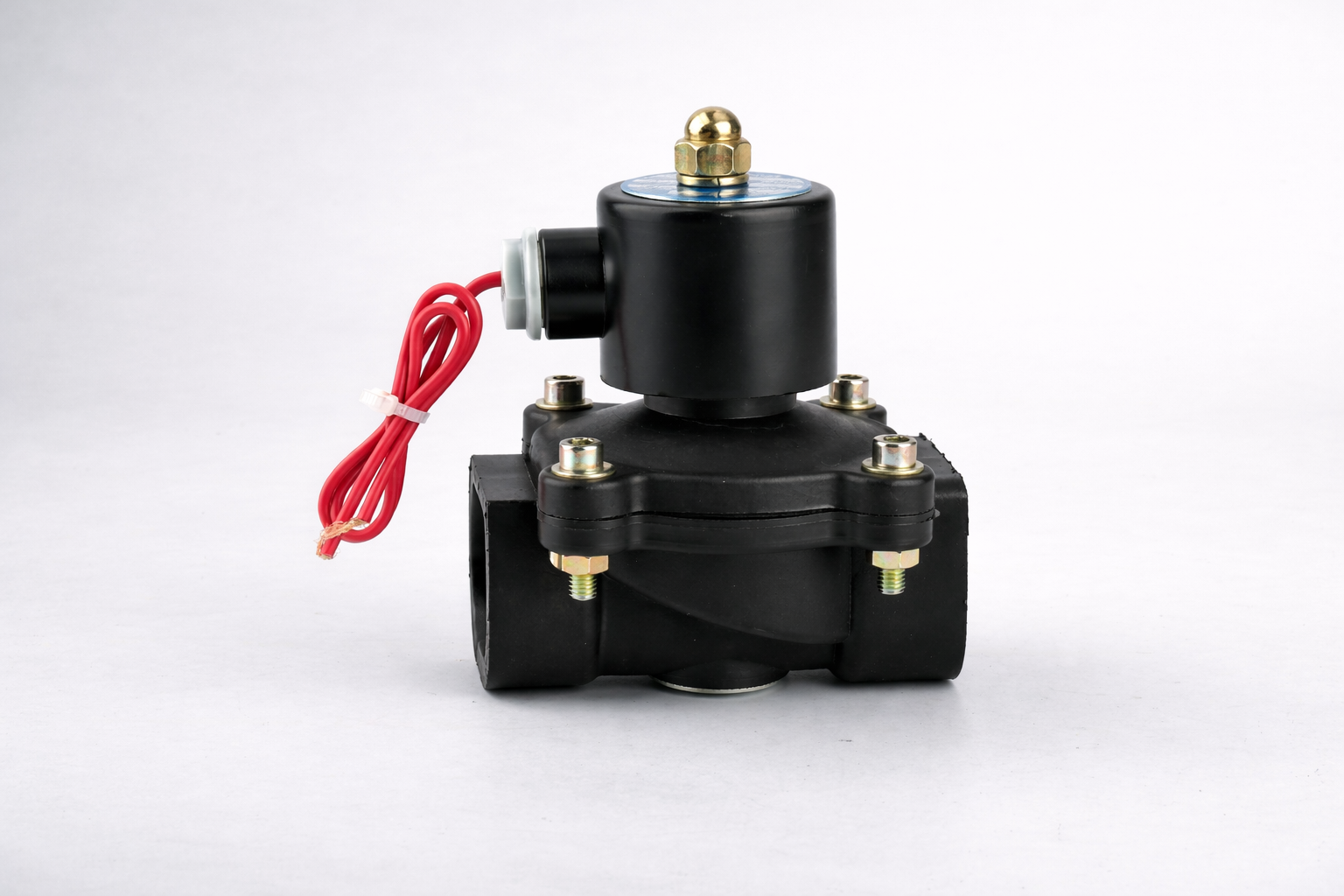
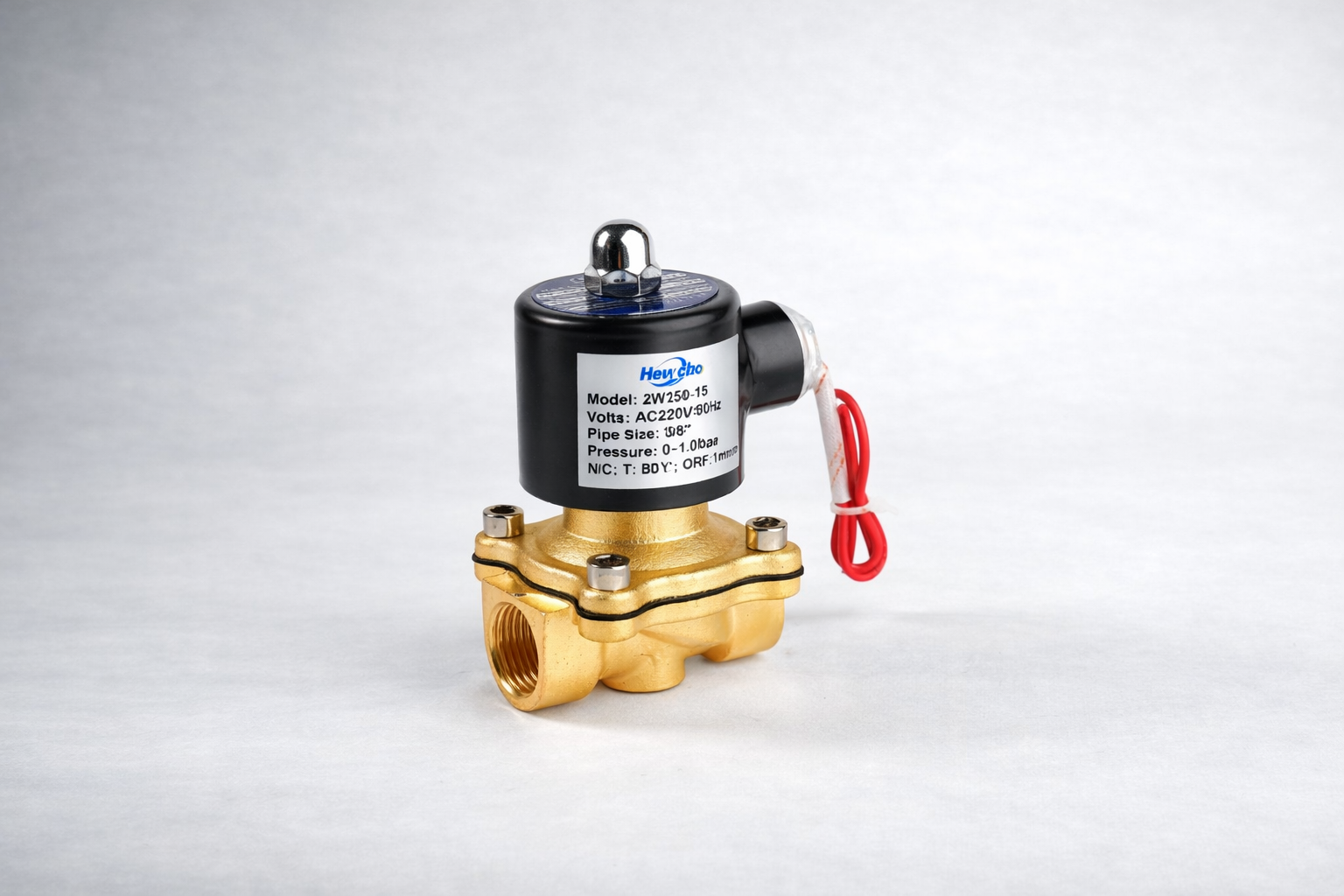
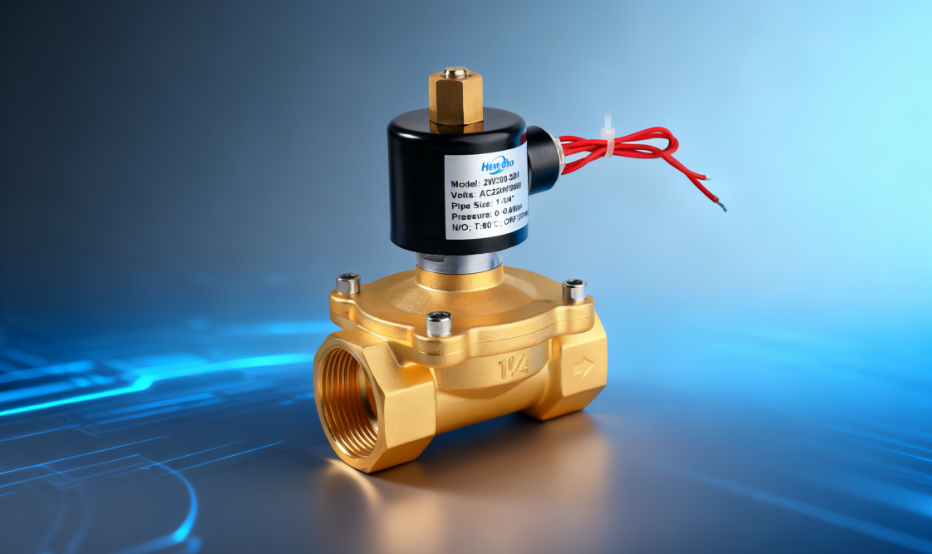
At its core, a solenoid valve is a type of valve that is operated by an electromagnetic solenoid. The solenoid consists of a coil of wire that creates a magnetic field when an electric current is passed through it. This magnetic field either opens or closes the valve to regulate the flow of fluids or gases. Depending on the configuration of the solenoid valve, it can control a variety of flow types and directions.
Different Types of Solenoid Valves for Every Need

2-Way Solenoid Valves: These are the most basic type, controlling the flow of a single fluid or gas through one path. Simple in design but highly effective, these valves are commonly used in residential, commercial, and industrial applications where the flow of water, gas, or air needs to be started or stopped.
3-Way Solenoid Valves: Offering more control, 3-way valves can either divert the flow from one port to another or mix two different fluids. These valves are widely used in pneumatic systems, refrigeration units, and fluid handling applications where more complex control is required.
4-Way Solenoid Valves: Typically used in systems requiring precise flow direction control, such as double-acting cylinders in pneumatic systems. These valves can handle more complex operations and are vital in industries like robotics and automation.
Why Solenoid Valves Are a Key Component in Automation
Precise Flow Control: One of the primary advantages of solenoid valves is their ability to control the flow of gases and liquids with great precision. This is crucial in systems where even slight variations in flow can lead to inefficiencies or system malfunctions.
Quick Response Times: Solenoid valves are known for their fast response times. In many industrial applications, this speed is critical, especially in processes that require real-time control and adjustments.
Space-Saving Design: Compared to traditional valves, solenoid valves are compact, making them ideal for applications where space is limited. Despite their small size, they offer high performance and reliability, making them a valuable addition to any automated system.
Energy Efficiency: Since solenoid valves use electrical power to control the valve, they tend to be more energy-efficient than manual or mechanical valves. This efficiency translates into lower operating costs, which is a significant advantage in large-scale operations.
Minimal Maintenance: Solenoid valves are designed to be durable and reliable with minimal maintenance required. Their simple construction and absence of moving parts (in many models) reduce the wear and tear that can occur in more complex mechanical systems.
How to Choose the Right Solenoid Valve for Your Application
Choosing the right solenoid valve depends on a number of factors, including:
Type of fluid or gas: Different fluids or gases may require specific valve materials, such as stainless steel for corrosive substances or brass for general applications.
Pressure and temperature conditions: Some applications may involve extreme pressure or temperature conditions, so it’s important to select a valve that can handle those demands.
Flow rate and control precision: If your application requires precise control of the flow rate, look for solenoid valves with fine-tuning capabilities and specific flow rate specifications.
Our Commitment to Quality and Performance
At [Your Company Name], we understand the importance of selecting the right solenoid valve for your needs. Our extensive range of solenoid valves is designed to provide unmatched performance, whether you’re automating a small system or overseeing a large-scale industrial operation. Our team of experts is here to guide you through the selection process, ensuring you get the best solution tailored to your requirements.
In Conclusion
Solenoid valves are a cornerstone of modern industrial automation. With their precision, efficiency, and ease of integration, they provide unmatched control over fluid and gas flow, ensuring smoother operations, reduced downtime, and optimized performance across various industries. Whether you’re looking to upgrade your existing systems or begin automating your processes, solenoid valves are the reliable choice for achieving high-quality results.
Reach out to us today to learn more about how solenoid valves can help streamline your operations and improve system reliability.