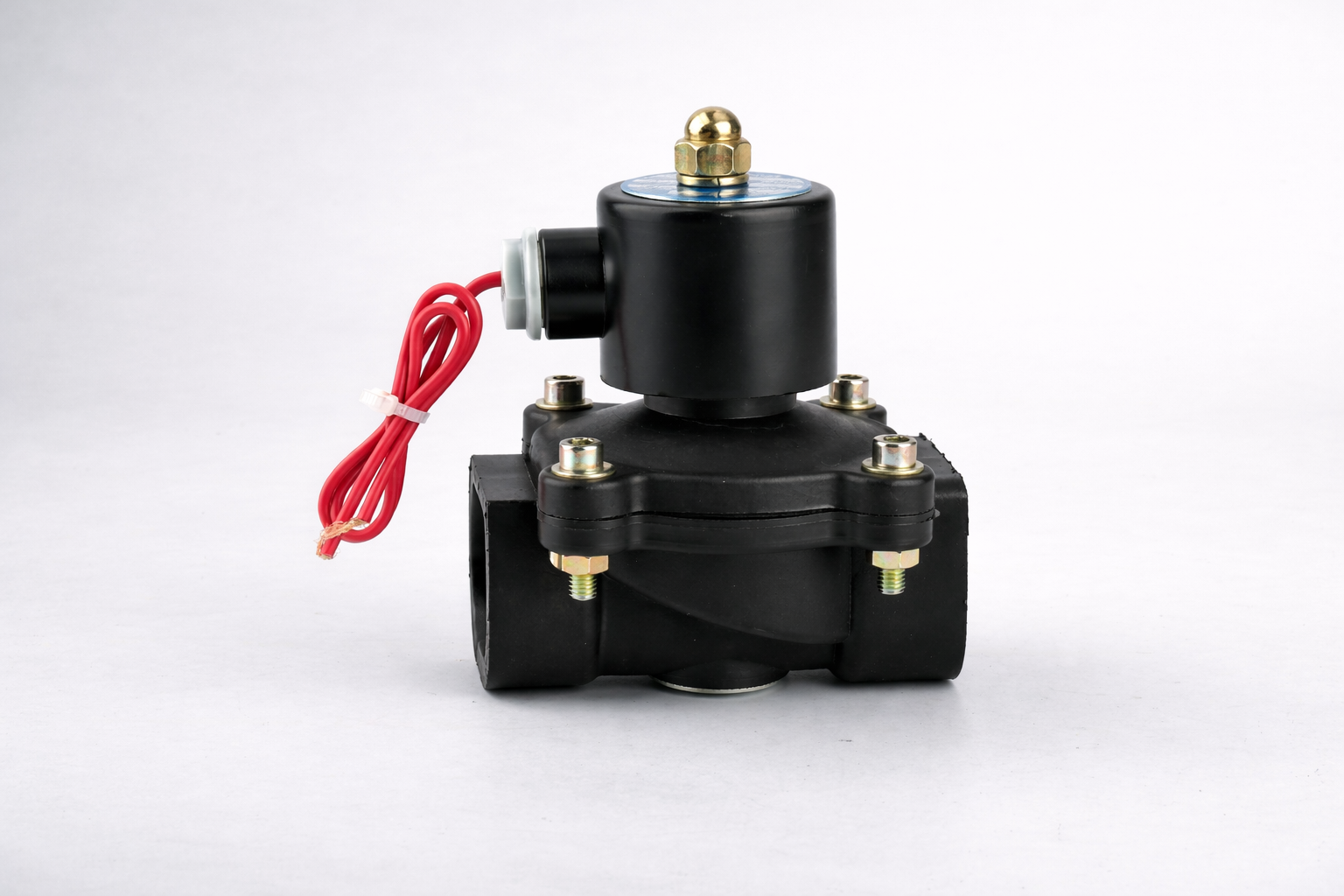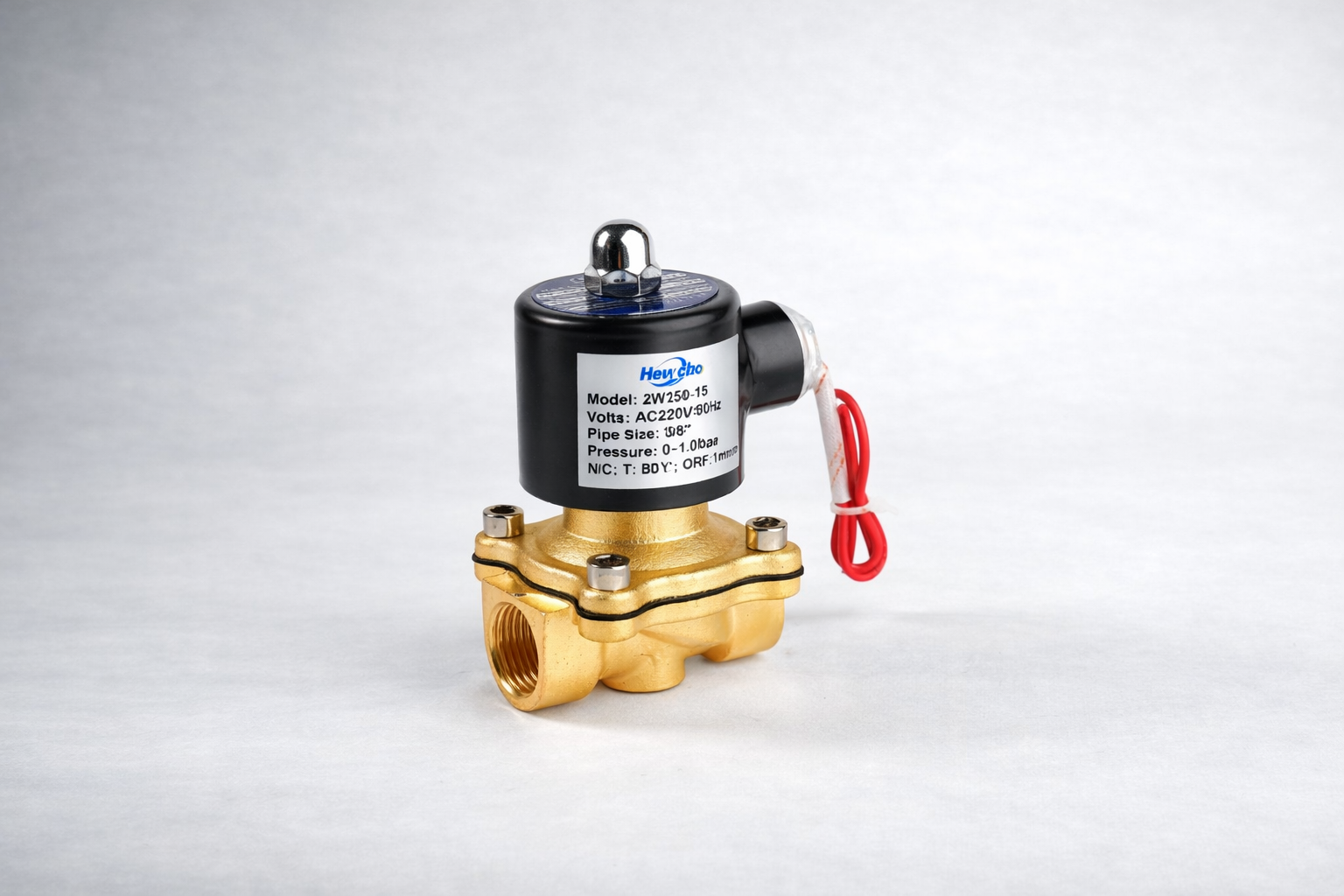
Solenoid valves are the backbone of many automated systems, controlling the flow of gases, liquids, and steam. They are crucial in ensuring efficiency, safety, and reliability across industries ranging from manufacturing to HVAC. Despite their simple appearance, choosing, installing, and maintaining solenoid valves requires careful consideration to avoid costly mistakes. In this guide, we will break down the essential steps for selecting, installing, and maintaining solenoid valves to ensure that your systems run smoothly.
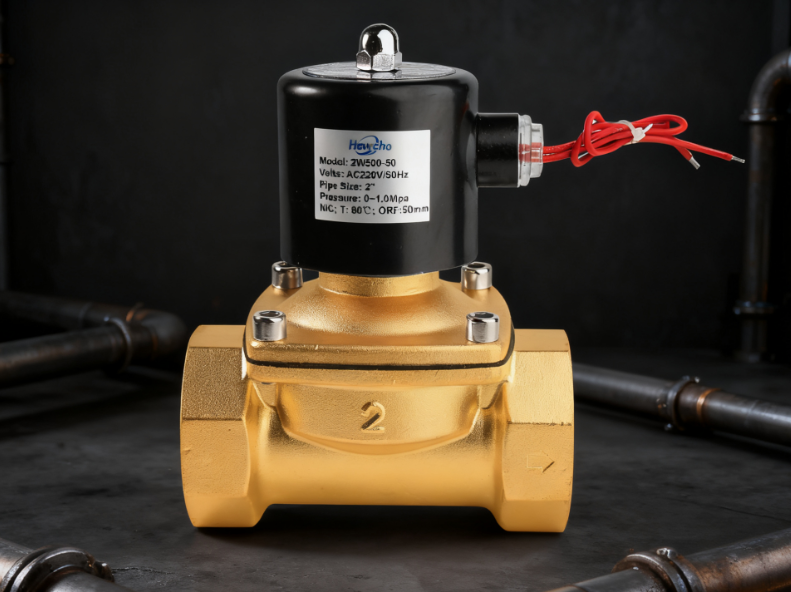
What is a Solenoid Valve and Why Should You Care?
A solenoid valve is an electromechanical valve used to control the flow of fluids or gases. When electrical current passes through a solenoid coil, it generates a magnetic field that opens or closes the valve, regulating fluid flow. Solenoid valves are widely used because they provide fast, reliable, and precise control over flow paths, making them essential for modern automation systems.
Step 1: Understanding the Different Types of Solenoid Valves
The first step in selecting the right solenoid valve is understanding the various types available and their functions:
- 2-Way Solenoid Valve: This is the most basic type, with two ports—one for the input and one for the output. It can either block or allow the flow of fluid. These valves are ideal for simple on/off control applications like water treatment, irrigation, or compressed air systems.
- 3-Way Solenoid Valve: With three ports, these valves can divert or mix fluids. They are commonly used in applications that require more flexible control, such as in pneumatic systems and industrial processes where two paths for the fluid are needed.
- 4-Way Solenoid Valve: Used for more complex fluid control systems, 4-way valves allow the direction of fluid to be changed between multiple paths. These are commonly used in systems with double-acting cylinders, such as pneumatic systems or robotics.
Tip: The type of solenoid valve you choose will depend on your specific application and whether you need simple on/off control or more sophisticated flow direction management.
Step 2: Selecting the Right Solenoid Valve Based on Your System Needs
Once you have decided on the type of valve, you need to select the right one based on your system’s specifications. The following factors should be considered:
1. Flow Rate and Pressure Requirements
- Flow Rate (Cv): The Cv value of a valve is a measure of how much flow it can handle for a given pressure drop. When sizing a valve, you’ll need to match the Cv to your system’s required flow rate. Oversizing or undersizing the valve can lead to inefficiency, noise, and even system failure.
- Pressure: Solenoid valves are rated for specific pressure ranges. Be sure the valve you select can handle the pressure your system will experience. High-pressure systems will require valves that are capable of withstanding those conditions without leaking or failing.
Tip: Use the formula below to help calculate the flow rate (GPM) required for your system, and match it with the valve’s Cv.Q (GPM)=Cv×ΔP (psi)SGQ\ (\text{GPM}) = C_v \times \sqrt{\frac{\Delta P\ (\text{psi})}{SG}}Q (GPM)=Cv×SGΔP (psi)
Where SG is the specific gravity of the fluid.
2. Fluid Type and Compatibility
Solenoid valves are designed to handle a range of fluids, from simple water to aggressive chemicals. The material of the valve and seals must be compatible with the fluid type to avoid degradation or leaks.
- Water, Air, and Non-Corrosive Fluids: Brass or stainless steel bodies with NBR or EPDM seals are typically suitable.
- Chemical and Corrosive Fluids: Stainless steel or plastic bodies with PTFE or FKM seals are often used for handling aggressive fluids.
Tip: Always check the SDS (Safety Data Sheet) for the media you’re working with to confirm the compatibility of the valve’s materials.
Step 3: Electrical Configuration
Choosing the correct electrical configuration for your solenoid valve is essential for proper operation. The most common electrical types are:
- DC Solenoid Valves: These valves operate with direct current (DC) and are commonly used in low-voltage systems.
- AC Solenoid Valves: These valves operate with alternating current (AC) and are typically found in industrial applications that require higher voltage or where AC power is available.
Tip: Ensure the solenoid valve’s voltage rating matches your system’s electrical supply. Incorrect voltage can lead to valve failure or erratic behavior.
Step 4: Installing Your Solenoid Valve
Proper installation is key to ensuring your solenoid valve functions as expected and provides long-term reliability. Here are the main considerations for installation:
- Orientation: Most solenoid valves should be installed with the coil in the upright position. Installing the valve coil upside down or at an angle may lead to poor performance or premature failure.
- Filters: Install an 80-100 μm strainer upstream of the valve to prevent debris from clogging the valve seat or pilot. This is particularly important in systems handling water, oil, or other fluids that may contain particulates.
- Seal Check: Double-check the seals to ensure they are correctly seated before installation to prevent leaks.
- Voltage Supply: Ensure the electrical supply matches the solenoid valve’s voltage rating to avoid overheating or failure.
Step 5: Routine Maintenance and Troubleshooting
Once your solenoid valve is installed and running, regular maintenance is essential to ensure its continued reliability and performance.
1. Regular Inspection
- Check for Leaks: Periodically inspect the valve body and seals for any signs of leakage.
- Inspect the Coil: Over time, solenoid coils can become overheated or suffer from electrical faults. Test for continuity and check for signs of damage or corrosion.
2. Cleaning and Flushing
- Clean the Valve Body: Regularly clean the valve body and seat to prevent build-up that can affect performance.
- Flush the System: If the valve is handling fluids prone to clogging, such as oils or chemicals, flush the system to clear any particles or buildup.
3. Troubleshooting Common Issues
- Valve Won’t Open or Close: This could be due to insufficient voltage, a faulty coil, or debris obstructing the valve seat. Check the electrical supply and clean the valve to resolve the issue.
- Chattering or Noise: Chattering can occur if the valve is too large or too small for the application. Ensure the valve is properly sized and installed.
Tip: Always keep a spare solenoid coil and seal kit on hand for quick replacements, reducing downtime in case of a failure.
Conclusion: Making the Right Choice for Long-Term Success
Solenoid valves are critical components in modern industrial systems. By understanding the key factors—flow rate, pressure, fluid compatibility, electrical configuration, and proper installation—you can ensure that you choose the right valve for your application. With regular maintenance and troubleshooting, solenoid valves will continue to perform reliably, improving system efficiency and reducing downtime.
At [Your Company Name], we offer a range of solenoid valves tailored to meet the needs of various industries. Our team is here to help you select the ideal valve for your application, ensuring that your systems run smoothly and efficiently.
Contact us today for expert guidance and find the perfect solenoid valve solution for your system!
This blog post provides a comprehensive, step-by-step guide to selecting, installing, and maintaining solenoid valves, ensuring that your systems stay operational with minimal interruptions.