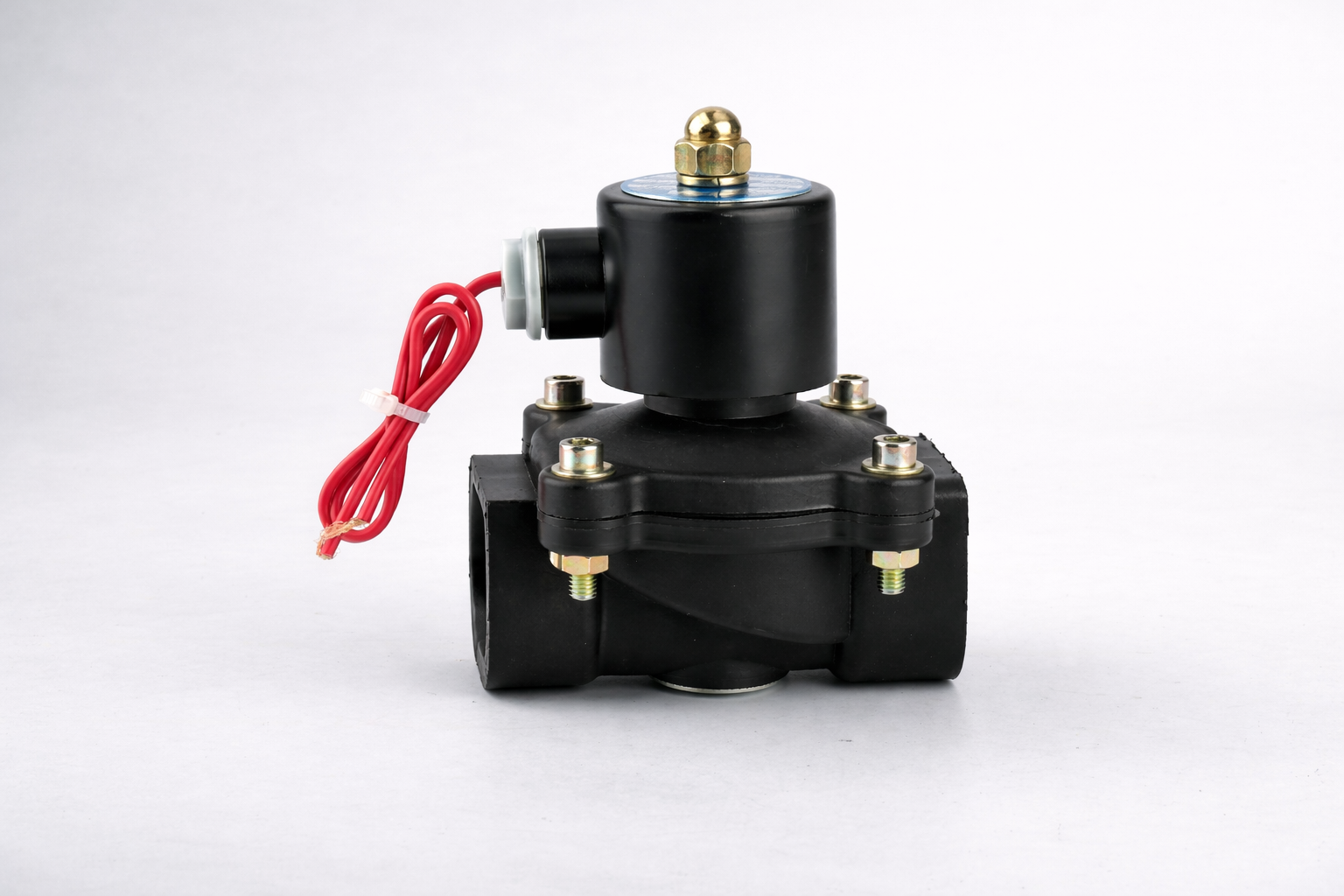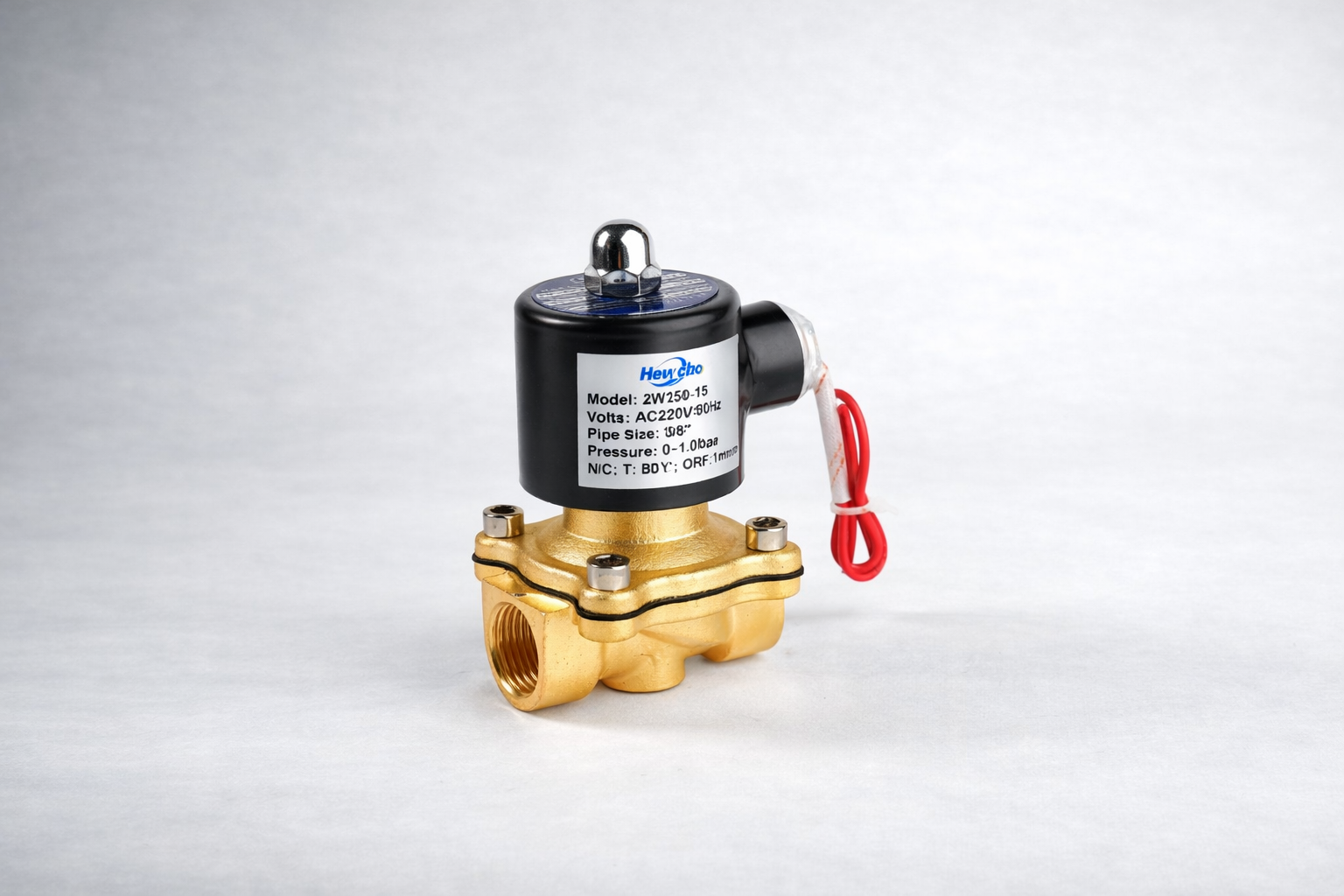
Solenoid valves are small components, but they play a critical role in industrial systems. When a solenoid valve stops working, it can cause production delays, equipment shutdowns, or safety risks.
The good news:
Most solenoid valve failures come from a few common causes that are easy to prevent.
This article explains five frequent reasons solenoid valves fail, using clear and simple language, plus practical tips to keep your system running reliably.
1. Dirty or Contaminated Media
One of the most common causes of solenoid valve problems is dirty fluid. Dust, rust, sand, or particles can block small orifices and restrict movement inside the valve.
What it causes
- Valve stuck open or stuck closed
- Reduced flow
- Coil overheating
- Diaphragm or seal damage
How to prevent it
- Install a filter upstream (e.g., 50–100 microns)
- Flush pipelines before installation
- Choose valves with bigger orifices for dirty media
- Perform regular maintenance on tanks and pipelines
Clean media = longer valve life.
2. Wrong Pressure Conditions
Solenoid valves need the correct pressure range to operate properly.
A common mistake is using a pilot operated valve in a low-pressure system.
What it causes
- Valve not opening
- Valve working sometimes, but failing other times
- Noise or vibration
How to prevent it
- If your pressure is low or unstable → use direct acting valves
- Check the valve’s minimum pressure requirement (e.g., 0.3 bar or 0 bar)
- Measure actual pressure, not assumed pressure
Correct valve selection solves many “mystery failures.”
3. Coil Overheating
Solenoid valve coils can become too hot when:
- Voltage is incorrect
- Temperature is high
- The coil stays energized for long periods
- The plunger is stuck and the coil keeps pulling
What it causes
- Burned coil
- Weak magnetic force
- Shorter lifetime
How to prevent it
- Confirm voltage (e.g., 24VDC, 110VAC, 220VAC)
- Choose continuous-duty coils for long energizing cycles
- Provide ventilation or cooling
- Check for mechanical blockage in the valve
Correct coil type = stable long-term operation.
4. Wrong Seal Material
The seal (O-ring or diaphragm) is critical.
Using the wrong material can cause swelling, cracking, or leakage.
Examples
- NBR fails in strong chemicals
- EPDM fails in oil
- FKM fails in hot water/steam
How to prevent it
Choose the seal based on the medium:
| Seal | Good for | Not good for |
|---|---|---|
| NBR | Air, water, oil | Strong acids/chemicals |
| EPDM | Hot water, steam | Oils, fuels |
| FKM (Viton) | Oil, fuel, chemicals | Steam |
| PTFE | Almost all chemicals | Very low elasticity |
The correct seal can double or triple the valve lifetime.
5. Incorrect Installation Direction
Solenoid valves have flow direction marked by an arrow. Installing the valve backward can cause:
- Weak flow
- Valve not opening
- Internal damage over time
How to prevent it
- Follow the arrow → always match inlet and outlet
- Install the coil upright whenever possible
- Avoid mounting where water can flood the coil
Proper installation = stable and quiet operation.
Final Tips for Long Valve Life
To keep solenoid valves working reliably:
- Filter your media
- Choose the correct valve type (direct / pilot)
- Match voltage and coil type
- Use correct seal materials
- Follow installation guidelines
These simple steps reduce failures, save maintenance cost, and keep your equipment running smoothly.
If you want the next article to cover a specific topic (e.g., “Steam solenoid valves,” “How to size solenoid valves,” “Coil types explained”), just tell me—I can write it anytime.Solenoid valves are small components, but they play a critical role in industrial systems. When a solenoid valve stops working, it can cause production delays, equipment shutdowns, or safety risks.
The good news:
Most solenoid valve failures come from a few common causes that are easy to prevent.
This article explains five frequent reasons solenoid valves fail, using clear and simple language, plus practical tips to keep your system running reliably.
1. Dirty or Contaminated Media
One of the most common causes of solenoid valve problems is dirty fluid. Dust, rust, sand, or particles can block small orifices and restrict movement inside the valve.
What it causes
- Valve stuck open or stuck closed
- Reduced flow
- Coil overheating
- Diaphragm or seal damage
How to prevent it
- Install a filter upstream (e.g., 50–100 microns)
- Flush pipelines before installation
- Choose valves with bigger orifices for dirty media
- Perform regular maintenance on tanks and pipelines
Clean media = longer valve life.
2. Wrong Pressure Conditions
Solenoid valves need the correct pressure range to operate properly.
A common mistake is using a pilot operated valve in a low-pressure system.
What it causes
- Valve not opening
- Valve working sometimes, but failing other times
- Noise or vibration
How to prevent it
- If your pressure is low or unstable → use direct acting valves
- Check the valve’s minimum pressure requirement (e.g., 0.3 bar or 0 bar)
- Measure actual pressure, not assumed pressure
Correct valve selection solves many “mystery failures.”
3. Coil Overheating
Solenoid valve coils can become too hot when:
- Voltage is incorrect
- Temperature is high
- The coil stays energized for long periods
- The plunger is stuck and the coil keeps pulling
What it causes
- Burned coil
- Weak magnetic force
- Shorter lifetime
How to prevent it
- Confirm voltage (e.g., 24VDC, 110VAC, 220VAC)
- Choose continuous-duty coils for long energizing cycles
- Provide ventilation or cooling
- Check for mechanical blockage in the valve
Correct coil type = stable long-term operation.
4. Wrong Seal Material
The seal (O-ring or diaphragm) is critical.
Using the wrong material can cause swelling, cracking, or leakage.
Examples
- NBR fails in strong chemicals
- EPDM fails in oil
- FKM fails in hot water/steam
How to prevent it
Choose the seal based on the medium:
| Seal | Good for | Not good for |
|---|---|---|
| NBR | Air, water, oil | Strong acids/chemicals |
| EPDM | Hot water, steam | Oils, fuels |
| FKM (Viton) | Oil, fuel, chemicals | Steam |
| PTFE | Almost all chemicals | Very low elasticity |
The correct seal can double or triple the valve lifetime.
5. Incorrect Installation Direction
Solenoid valves have flow direction marked by an arrow. Installing the valve backward can cause:
- Weak flow
- Valve not opening
- Internal damage over time
How to prevent it
- Follow the arrow → always match inlet and outlet
- Install the coil upright whenever possible
- Avoid mounting where water can flood the coil
Proper installation = stable and quiet operation.
Final Tips for Long Valve Life
To keep solenoid valves working reliably:
- Filter your media
- Choose the correct valve type (direct / pilot)
- Match voltage and coil type
- Use correct seal materials
- Follow installation guidelines
These simple steps reduce failures, save maintenance cost, and keep your equipment running smoothly.
If you want the next article to cover a specific topic (e.g., “Steam solenoid valves,” “How to size solenoid valves,” “Coil types explained”), just tell me—I can write it anytime.