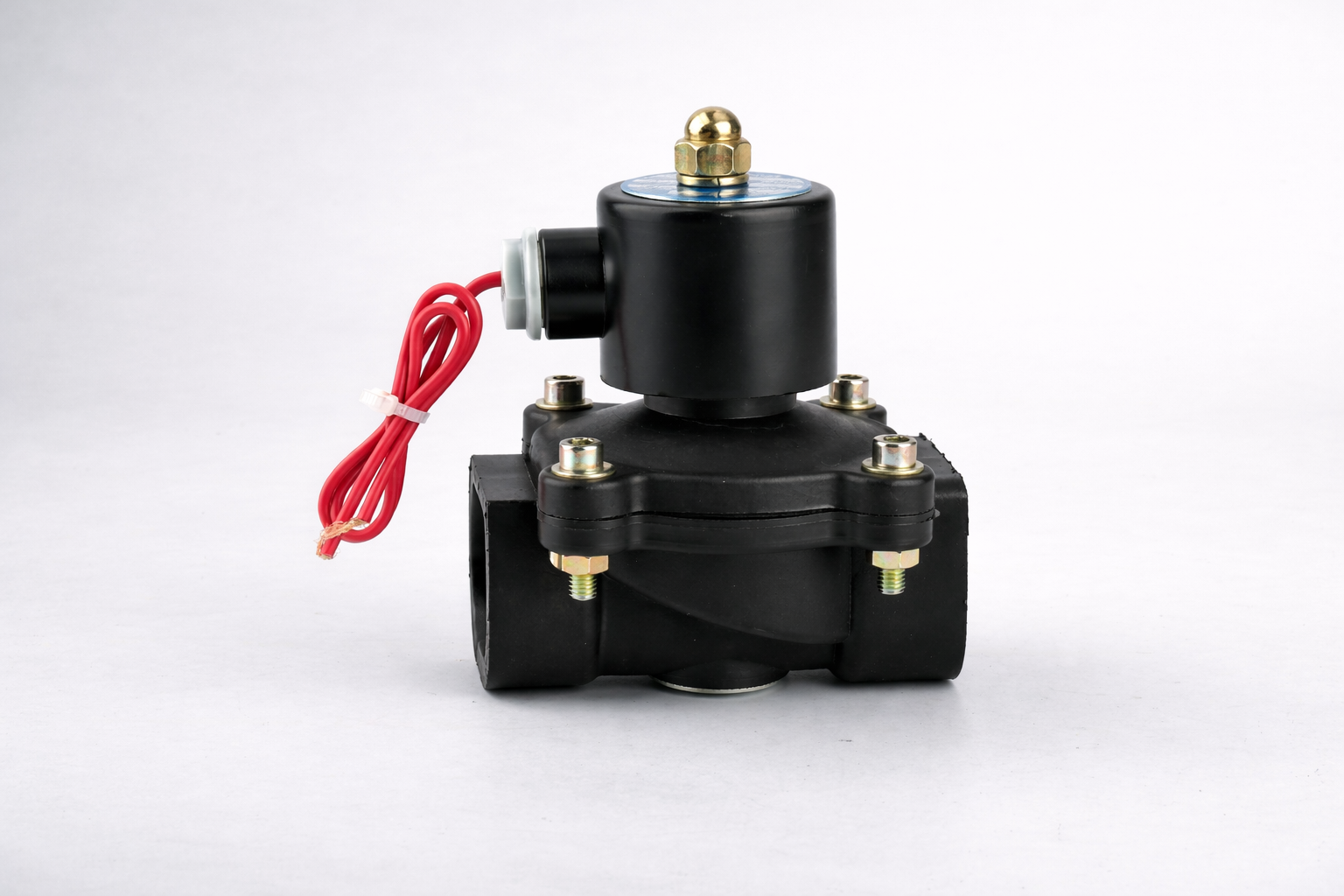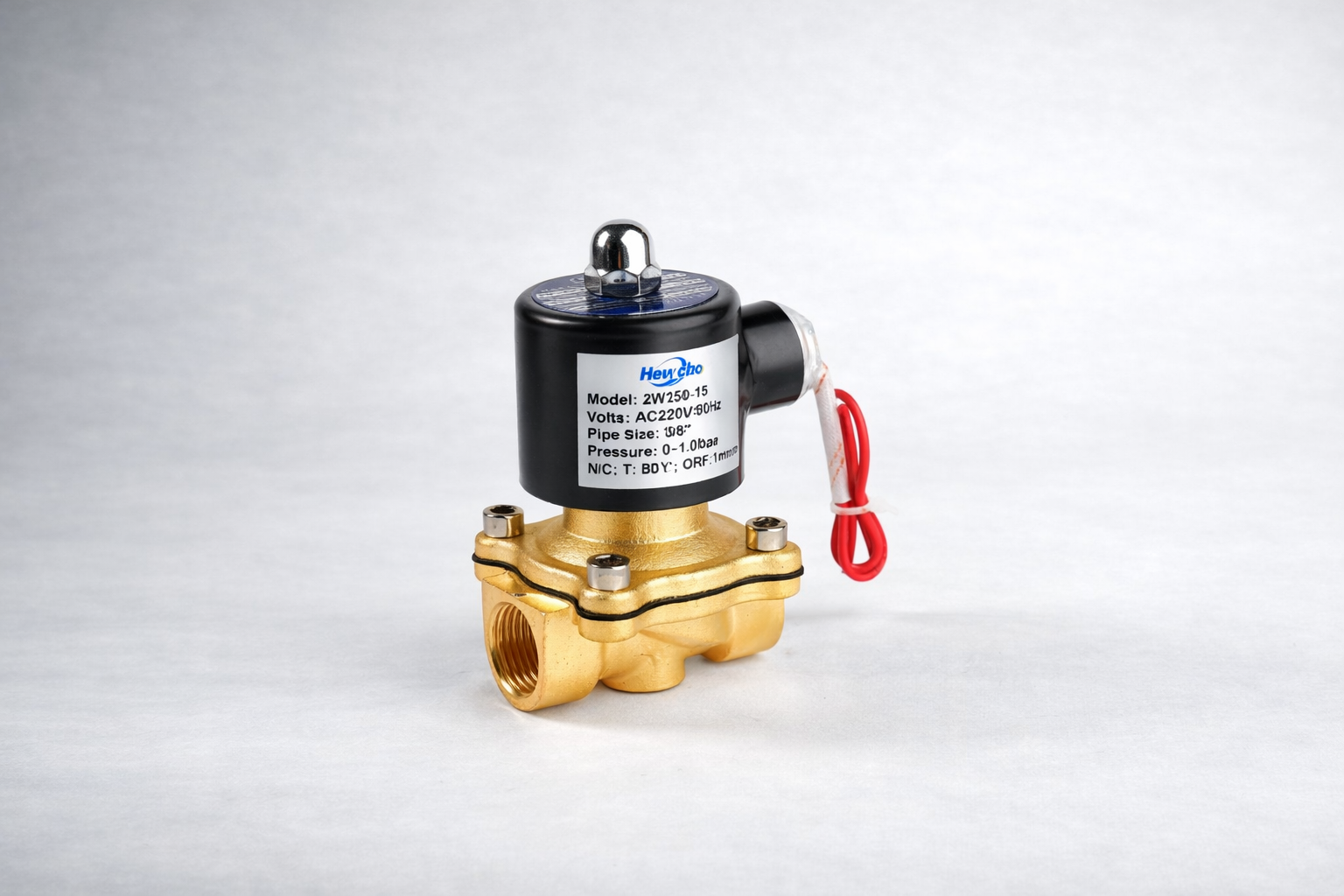
A solenoid valve that fails to open can interrupt production, reduce efficiency, and even shut down an entire industrial system. The good news is that most causes are simple and can be fixed quickly once you understand what to check.
This article explains the most common reasons a solenoid valve won’t open and provides practical troubleshooting tips — written in clear, natural English for industrial users.
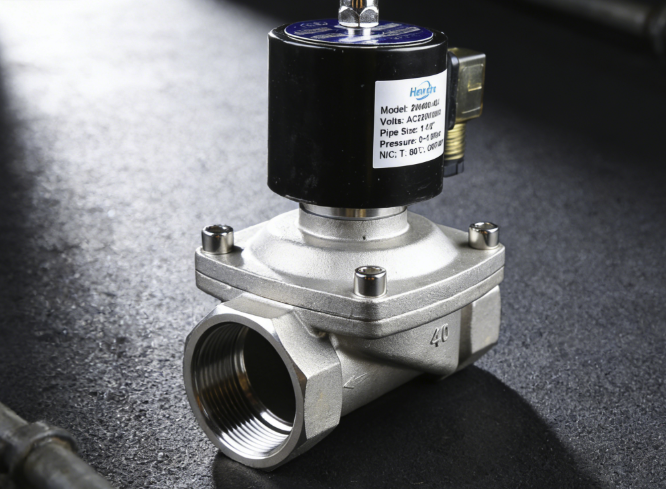
1. No Power or Incorrect Voltage
The most common reason a solenoid valve doesn’t open is a power issue.
Possible causes:
- No electricity reaching the coil
- Loose or damaged wiring
- Wrong voltage (e.g., 24VDC coil powered by 12VDC)
- Blown fuse or tripped breaker
How to fix:
- Measure the voltage with a multimeter
- Tighten connections
- Replace damaged cables
- Ensure the power supply matches the coil rating
If the coil never energizes, the valve cannot open.
2. Burned or Overheated Coil
If the coil is burned, it will not generate the magnetic force needed to lift the plunger.
Signs:
- Coil feels very hot
- Burnt smell
- Discolored or melted coil housing
- No clicking sound when energized
Causes:
- Overvoltage
- Continuous duty on an intermittent-duty coil
- High ambient temperature
- Poor ventilation
How to fix:
- Replace the coil
- Use a continuous-duty coil if energized for long periods
- Improve airflow around the valve
3. Minimum Pressure Not Reached (Pilot Valves)
Pilot-operated solenoid valves require a minimum differential pressure, usually 0.3–0.5 bar.
If pressure is too low:
- Valve may not open at all
- Valve may open partially
- Valve may work sometimes and fail other times
How to fix:
- Use a direct-acting solenoid valve for low or zero-pressure systems
- Check pump performance
- Remove restrictions in the pipeline
Always check the valve’s minimum pressure rating.
4. Dirt, Debris, or Blockage Inside the Valve
Contaminants can block the orifice or prevent the plunger from moving.
Symptoms:
- Valve hums but doesn’t open
- Flow is weak or unstable
- Valve sticks intermittently
How to fix:
- Remove the valve and clean internal parts
- Install a filter (50–100 microns) upstream
- Flush pipelines before installation
Clean systems dramatically improve valve lifespan.
5. Wrong Flow Direction
Solenoid valves have a specific flow direction, marked by an arrow on the valve body.
If installed backward:
- Valve might not open
- Flow may be restricted
- Valve may make noise or vibrate
How to fix:
- Reinstall the valve following the arrow
- Ensure the coil is facing upward when possible
Proper installation ensures proper operation.
6. Damaged or Worn Seals
Seals can wear out, swell, or crack over time — especially if exposed to incompatible fluids or high temperatures.
Causes:
- Wrong seal material (e.g., NBR used with oil or chemicals)
- High-temperature fluid
- Aggressive chemicals
How to fix:
- Replace seals
- Choose proper materials:
- NBR → water, air
- EPDM → hot water, steam
- FKM → oil, fuel, chemicals
- PTFE → aggressive fluids
7. Plunger or Stem Sticking
The plunger must move freely for the valve to open.
Sticking can occur due to:
- Rust
- Mineral deposits
- Worn internal surfaces
- Contaminated fluid
How to fix:
- Clean and lubricate (if allowed by the manufacturer)
- Replace damaged internal parts
- Improve filtration
8. Coil Energizes, But Valve Does Not Open (Silent Failure)
Sometimes the coil works, but the valve still doesn’t open due to:
- Weak magnetic force
- Spring tension too high
- Incorrect valve sizing
- Improper voltage under load
How to fix:
- Verify voltage not just at the power supply but at the coil
- Check for voltage drop under load
- Use a coil with higher power rating
Final Thoughts
A solenoid valve that fails to open is a common but fixable problem. In most cases, the issue comes down to:
- Power supply
- Pressure conditions
- Dirt or blockage
- Coil failure
- Incorrect installation
By checking these areas, you can quickly identify the cause and restore system performance.
If you want your next SEO-optimized post to cover valve closing issues, steam solenoid valves, water hammer prevention, 2-way vs 3-way valves, or material selection, just let me know — I can write the next one anytime。