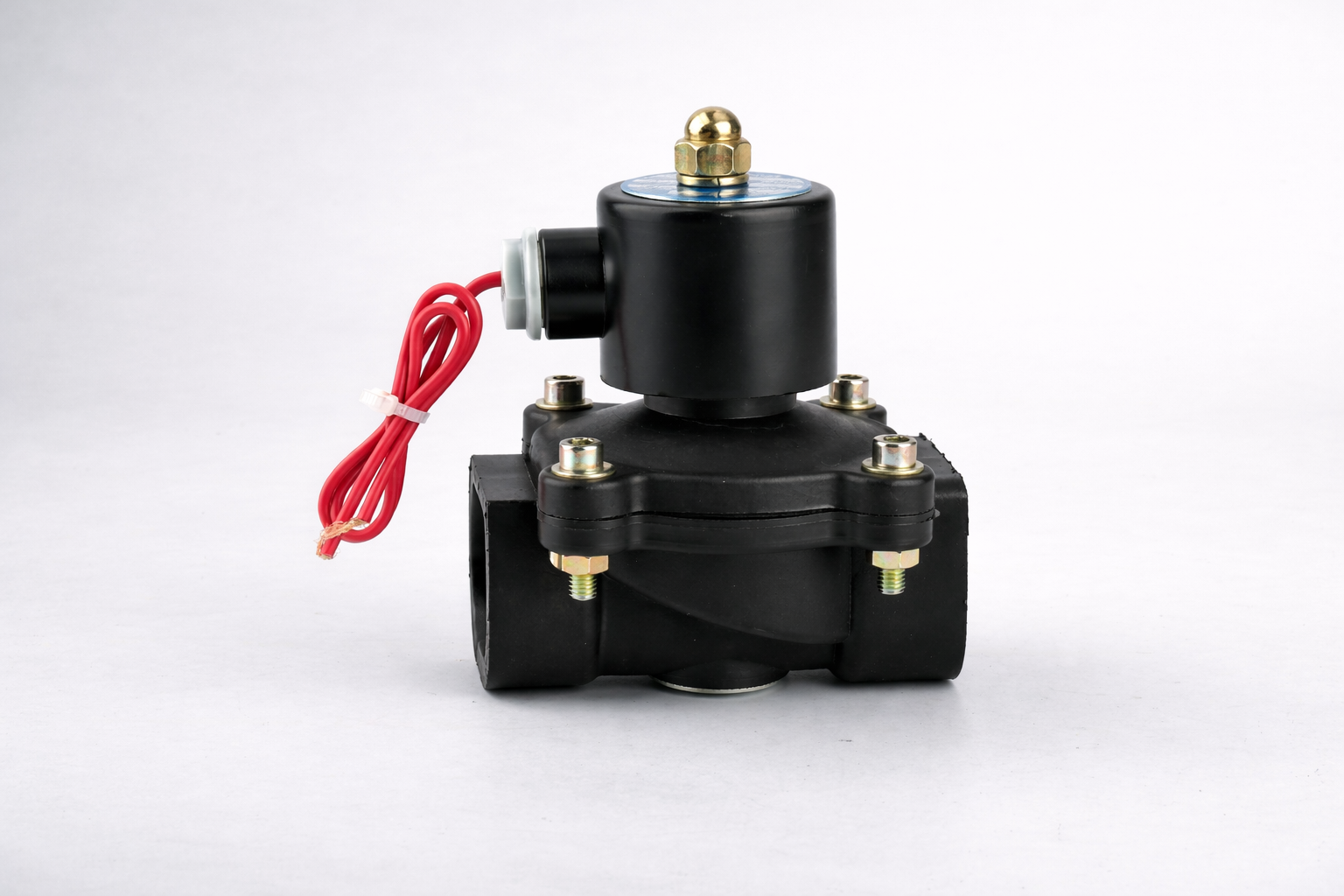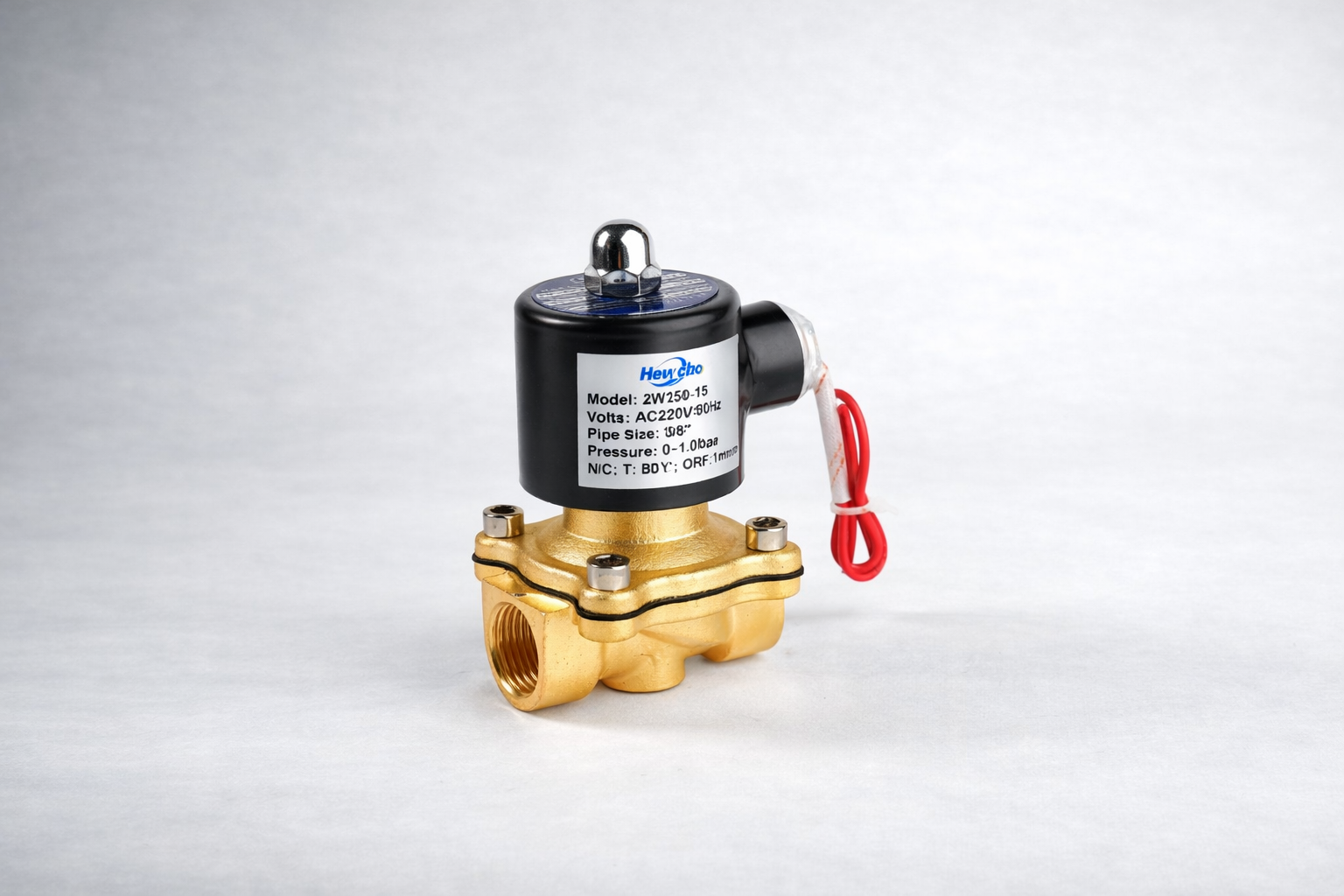
Among all solenoid valve types, the 2-way normally closed (NC) solenoid valve is the most widely used in industrial automation. It is simple, reliable, and suitable for controlling a wide range of fluids, including water, air, oil, fuel, and gases.
This article explains what a 2-way normally closed solenoid valve is, how it works, and when you should choose it — all in clear, natural English.
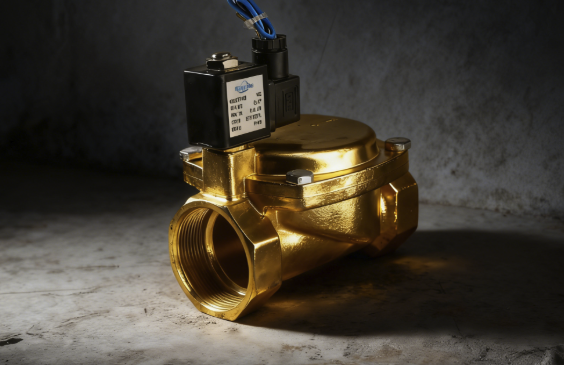
1. What Does “Normally Closed” Mean?
A normally closed (NC) solenoid valve is closed when power is off.
- No power → valve stays closed → stops flow
- Power ON → valve opens → allows flow
This design is ideal for applications where the safe default state is no flow.
2. How a 2-Way NC Solenoid Valve Works
A 2-way NC valve has two ports: an inlet and an outlet. It uses an electromagnetic coil and a spring-loaded plunger to control the flow.
Power OFF (Closed)
- The spring pushes the plunger down
- The orifice is sealed
- Medium cannot pass
Power ON (Open)
- The coil creates a magnetic field
- The plunger lifts
- The flow path opens
- Medium flows through the valve
The switching happens within milliseconds, making NC valves ideal for automated systems.
3. Direct Acting vs Pilot Operated (NC Type)
Direct Acting NC Valve
- Works from 0 pressure
- Suitable for vacuum or low-pressure systems
- Smaller orifice sizes
- Fast response
Pilot Operated NC Valve
- Requires minimum pressure (e.g., 0.3–0.5 bar)
- Higher flow capacity
- Suitable for medium and high-pressure systems
- Common in water, air, and oil circuits
Choosing the wrong type can lead to the valve not opening, so always check your pressure conditions.
4. When to Use a 2-Way Normally Closed Solenoid Valve
A normally closed design is preferred when you want to stop flow whenever power is lost.
Ideal for:
- Water supply shutoff
- Compressed air control
- Fuel or oil lines for safety
- Boiler feed water
- Chemical dosing
- Machine protection systems
- Emergency stop functions
If your process requires “flow only when energized,” NC is the correct choice.
5. Advantages of NC Solenoid Valves
- Safe default position (no flow)
- Energy-saving when flow is infrequent
- Easy integration with sensors and controllers
- Available in brass, stainless steel, and plastic
- Works with a wide range of voltages (24VDC, 220VAC, etc.)
- Fast switching for automation
These features make them the preferred choice in most industrial systems.
6. Key Selection Tips
When choosing a 2-way NC valve, consider:
- Medium (water, air, oil, gas, fuel, chemicals)
- Pressure range (min & max)
- Temperature (fluid & ambient)
- Material (brass, SS304, SS316, PVC, PTFE)
- Orifice size / Cv rating
- Voltage (DC/AC)
- Working principle (direct acting or pilot operated)
Correct selection ensures long-term stability and fewer failures.
Final Thoughts
A 2-way normally closed solenoid valve is the backbone of many industrial automation systems. Its simple structure, fast operation, and built-in safety characteristics make it suitable for almost all fluid control applications.
If you want the next article to cover topics like 2-way vs 3-way valves, steam solenoid valves, coil types, Kv/Cv calculation, or installation tips, just tell me — I can write the next one anytime。