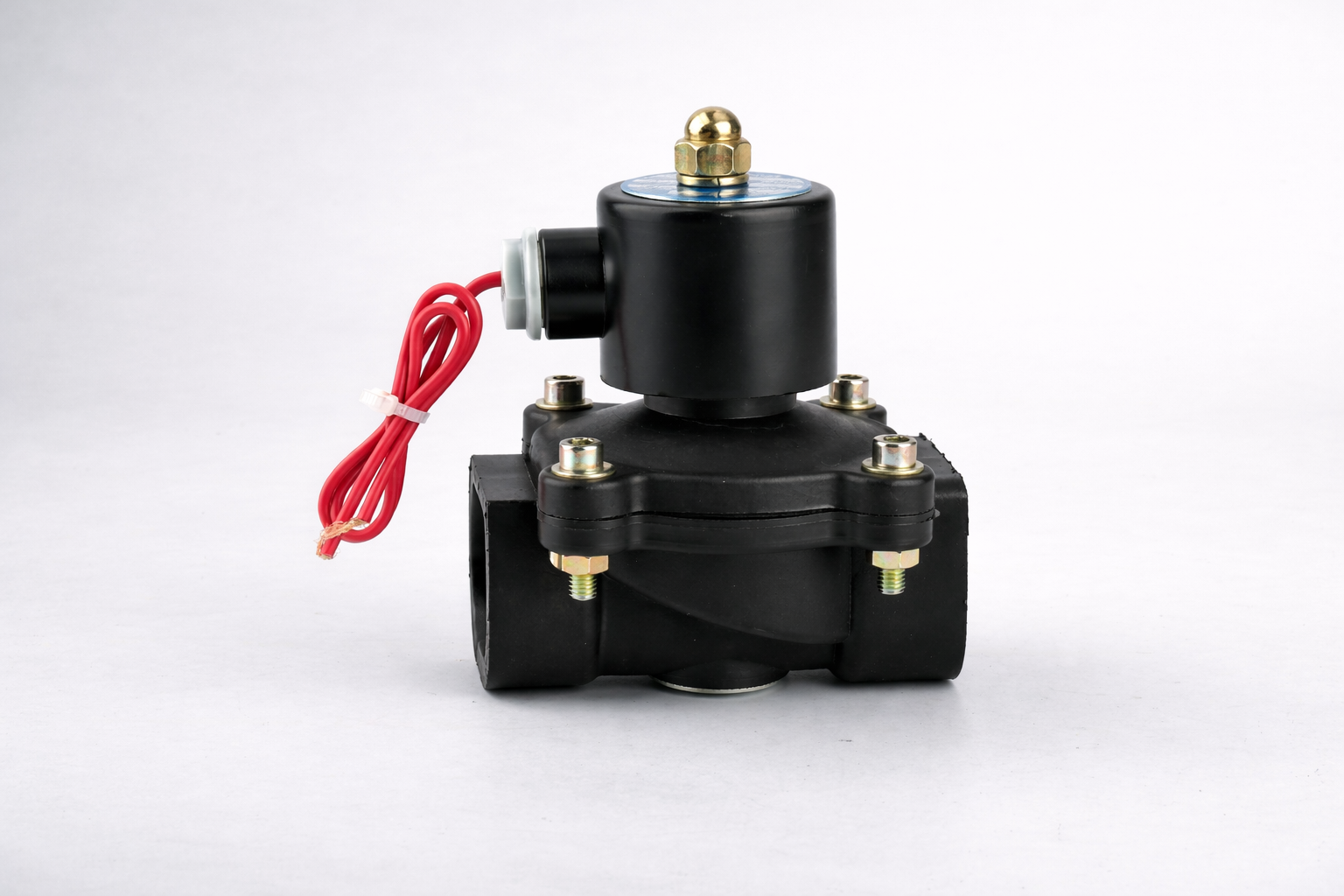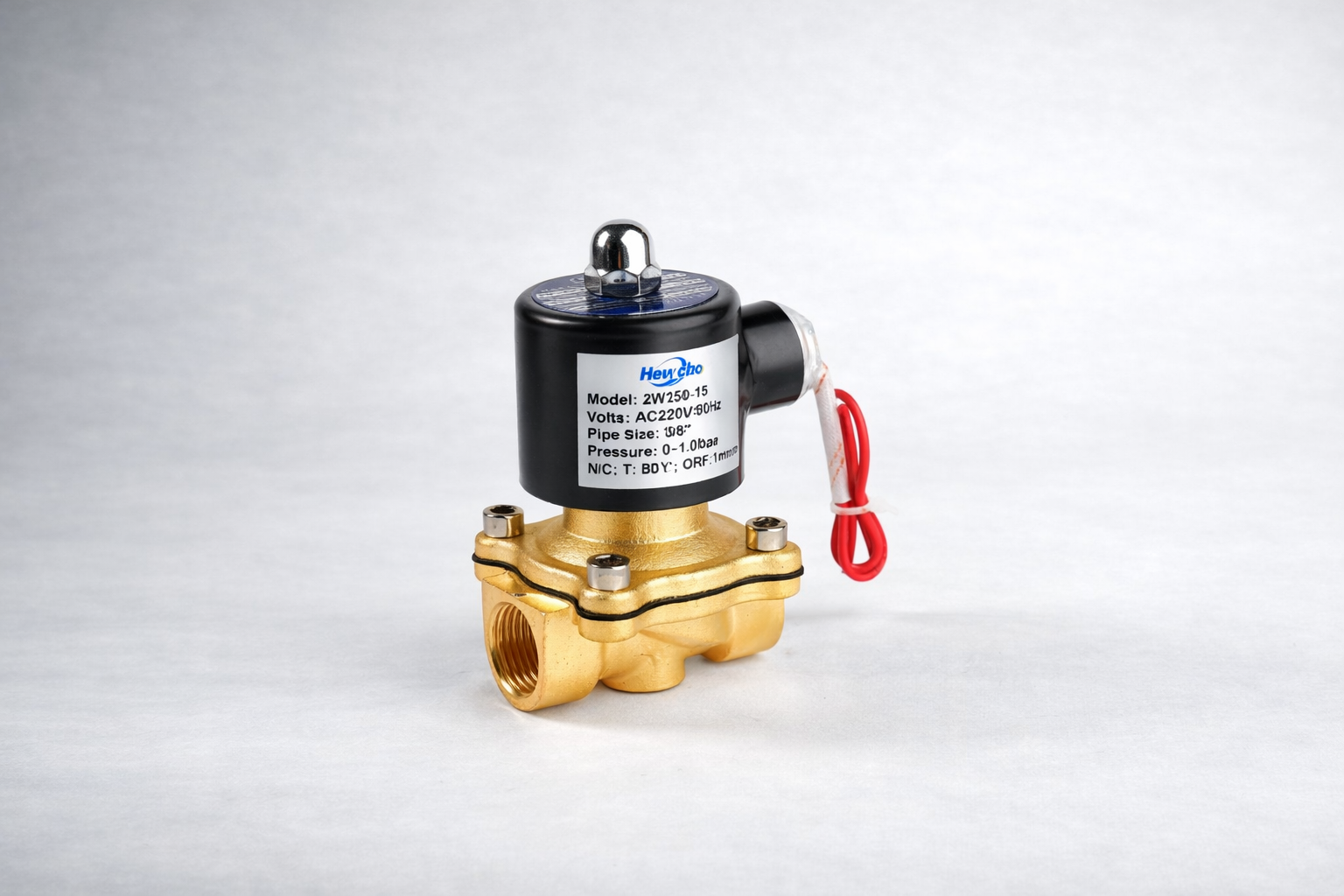
In many industrial systems, the speed at which a solenoid valve opens or closes can directly affect process accuracy, safety, and equipment performance. This speed is known as the response time of the solenoid valve.
This article explains what response time is, what affects it, and how to choose the right valve for applications that require fast or precise operation — all in clear, natural English.
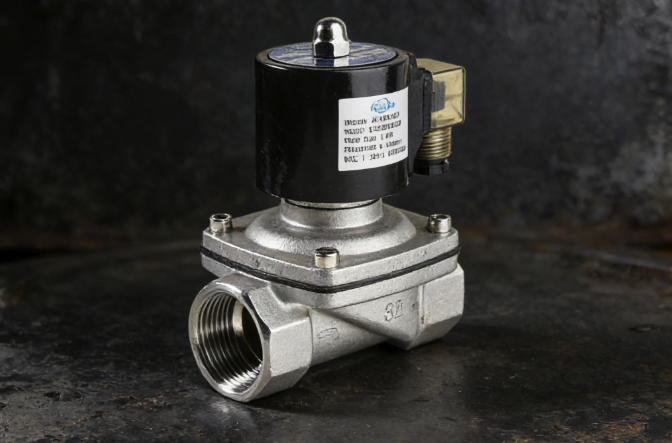
1. What Is Response Time?
Response time is the amount of time a solenoid valve takes to switch from one state to another.
There are two types:
- Opening time → when the valve goes from closed to open
- Closing time → when the valve goes from open to closed
Typical response times range from 5 milliseconds to 1000 milliseconds, depending on the valve type and size.
2. Why Response Time Is Important
Fast or predictable response time is essential for:
✔ Accurate dosing or filling
Slow valves can overfill or underfill containers.
✔ Pneumatic control
Cylinder movement depends on fast air switching.
✔ High-speed packaging and machinery
Delays can cause misalignment or production errors.
✔ Safety systems
Emergency shutdown valves must close quickly to prevent damage.
✔ Automation precision
Robots, actuators, and sensors often need exact timing.
Selecting the right valve ensures stable and efficient operation.
3. Factors That Affect Solenoid Valve Response Time
1. Valve Type
- Direct acting valves respond fastest
- Pilot-operated valves depend on pressure changes and are slower
2. Valve Size
- Smaller valves usually switch faster
- Larger valves have heavier internal parts
3. Pressure Conditions
- Higher pressure can slow the opening of some designs
- Low pressure can delay pilot valves
4. Coil Power
- Higher wattage coils create stronger magnetic force
- Fast-response coils are available for demanding applications
5. Medium Type
- Thick or viscous fluids (oil, syrup) slow movement
- Air and water respond quickly
6. Temperature
- Extreme temperatures may change fluid viscosity or magnetic performance
Understanding these factors helps match the valve to your process.
4. Typical Response Time for Different Valve Types
| Valve Type | Typical Response Time | Notes |
|---|---|---|
| Direct Acting (Small) | 5–20 ms | Fastest option |
| Pilot Operated (Small/Medium) | 50–300 ms | Depends on pressure |
| Large Solenoid Valves | 200–1000 ms | Heavier moving parts |
| Special High-Speed Valves | < 5 ms | For precision equipment |
For most industrial applications, 50–200 ms is acceptable.
For high-speed machinery, <20 ms may be required.
5. How to Improve Solenoid Valve Response Time
✔ Choose a direct-acting solenoid valve
Best for fast switching in small or low-flow systems.
✔ Use a higher-power coil
Stronger magnetic force improves speed.
✔ Ensure stable pressure
Pilot valves depend on reliable differential pressure.
✔ Select the correct orifice size
Oversized valves switch slower.
✔ Use clean, filtered media
Dirt or deposits can slow plunger movement.
✔ Install valves close to the actuator
Reduces air travel time in pneumatic systems.
6. When You Need a Fast-Response Solenoid Valve
Consider fast-response models for:
- Packaging machines
- Filling and dosing equipment
- Pick-and-place automation
- Pneumatic cylinder control
- Emergency shutdown systems
- High-speed conveyor lines
- Robotics
In these applications, even a few milliseconds can make a difference.
Final Thoughts
Solenoid valve response time is a critical but often overlooked factor in industrial automation. By understanding what affects switching speed and choosing the right valve design, you can greatly improve system accuracy, safety, and performance.
If you’d like your next article to cover steam solenoid valves, valve mounting tips, coil troubleshooting, flow sizing (Cv/Kv), or application-specific recommendations, just tell me — I can generate another SEO-optimized post anytime。