In today’s fast-paced industrial landscape, automation is at the heart of driving efficiency and productivity. Among the key components that make automation work seamlessly are solenoid valves. These unassuming devices play a crucial role in controlling the flow of liquids or gases in various systems. Whether in manufacturing, chemical processing, or HVAC systems, solenoid valves are indispensable for precision and reliability.
What is a Solenoid Valve?

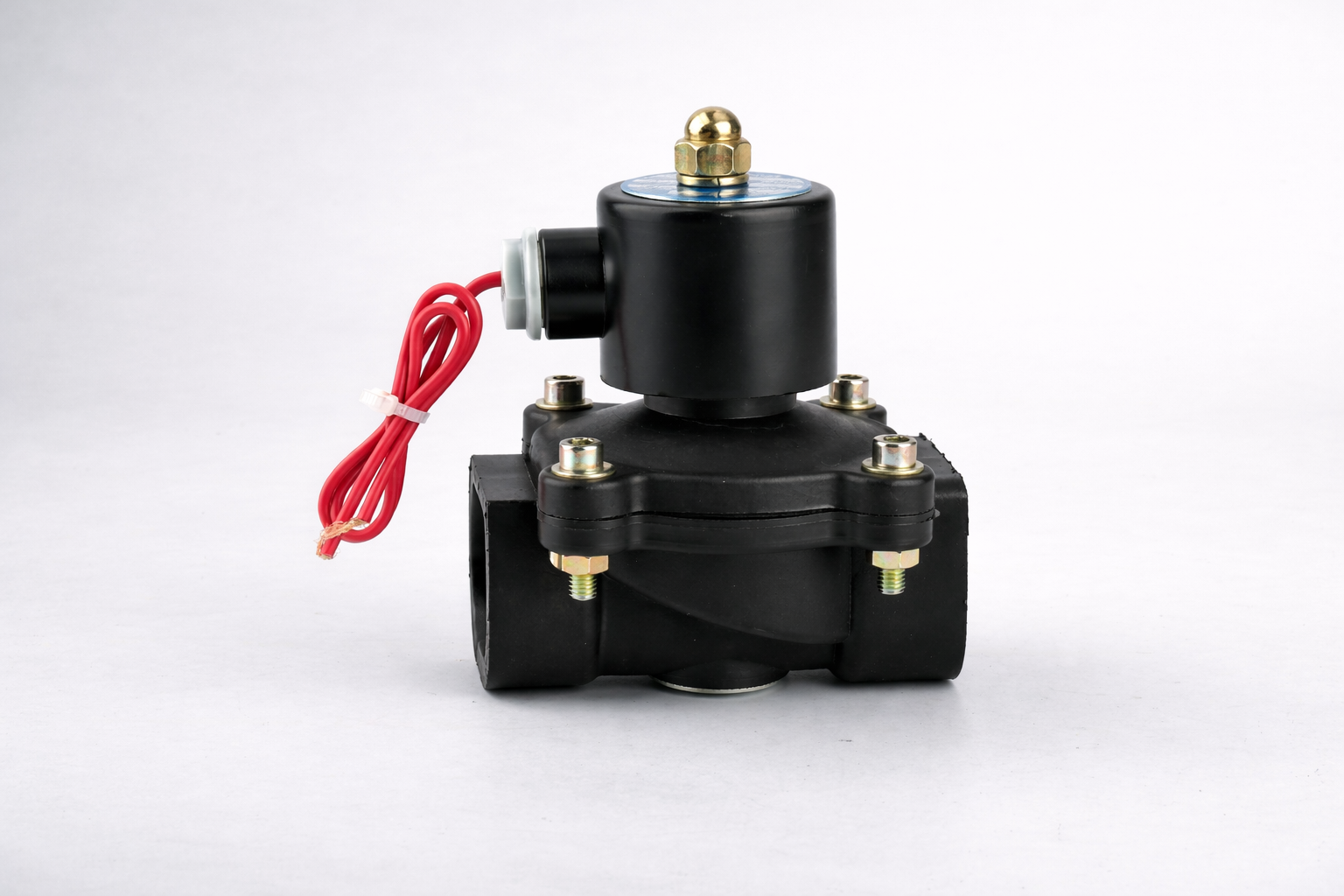
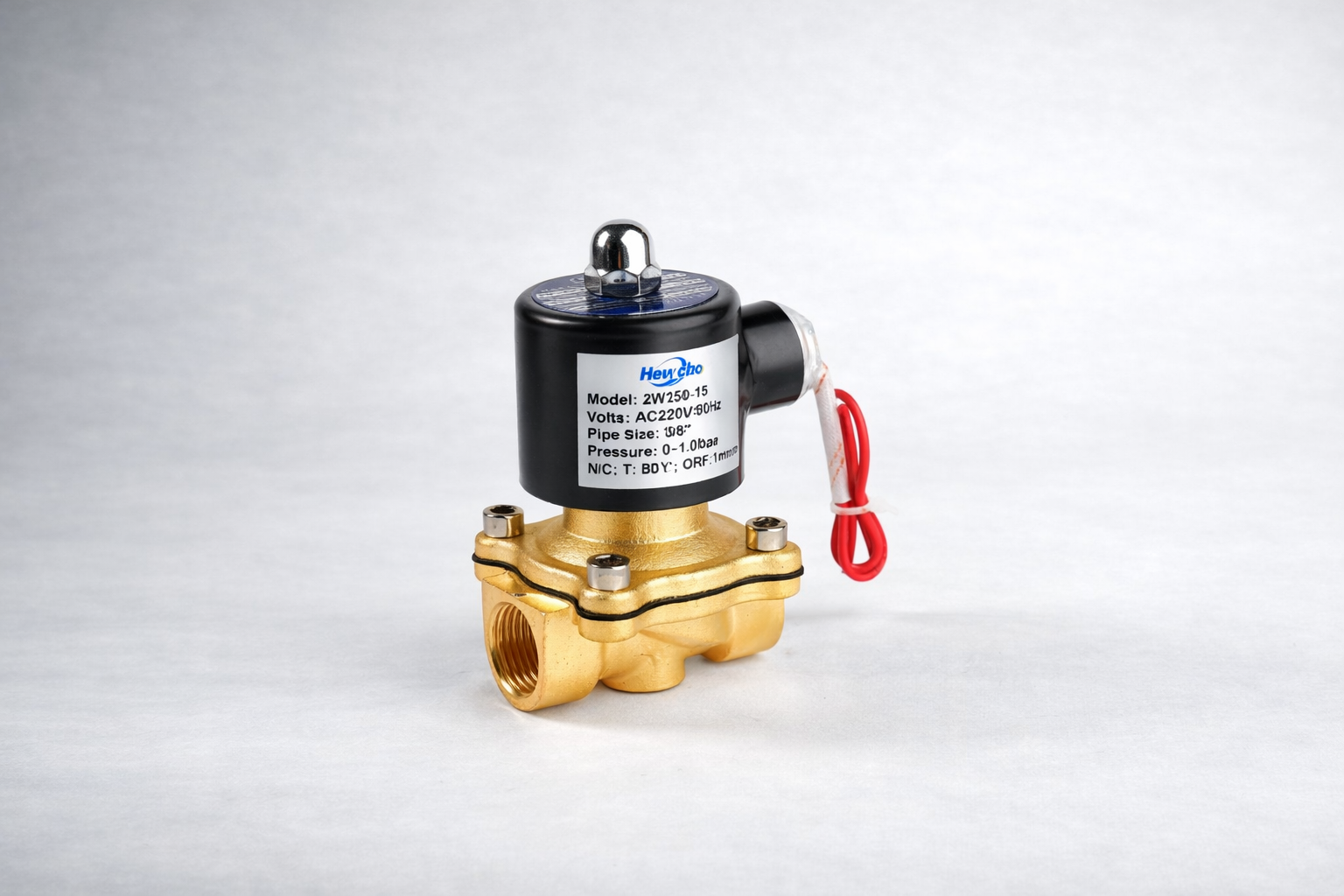
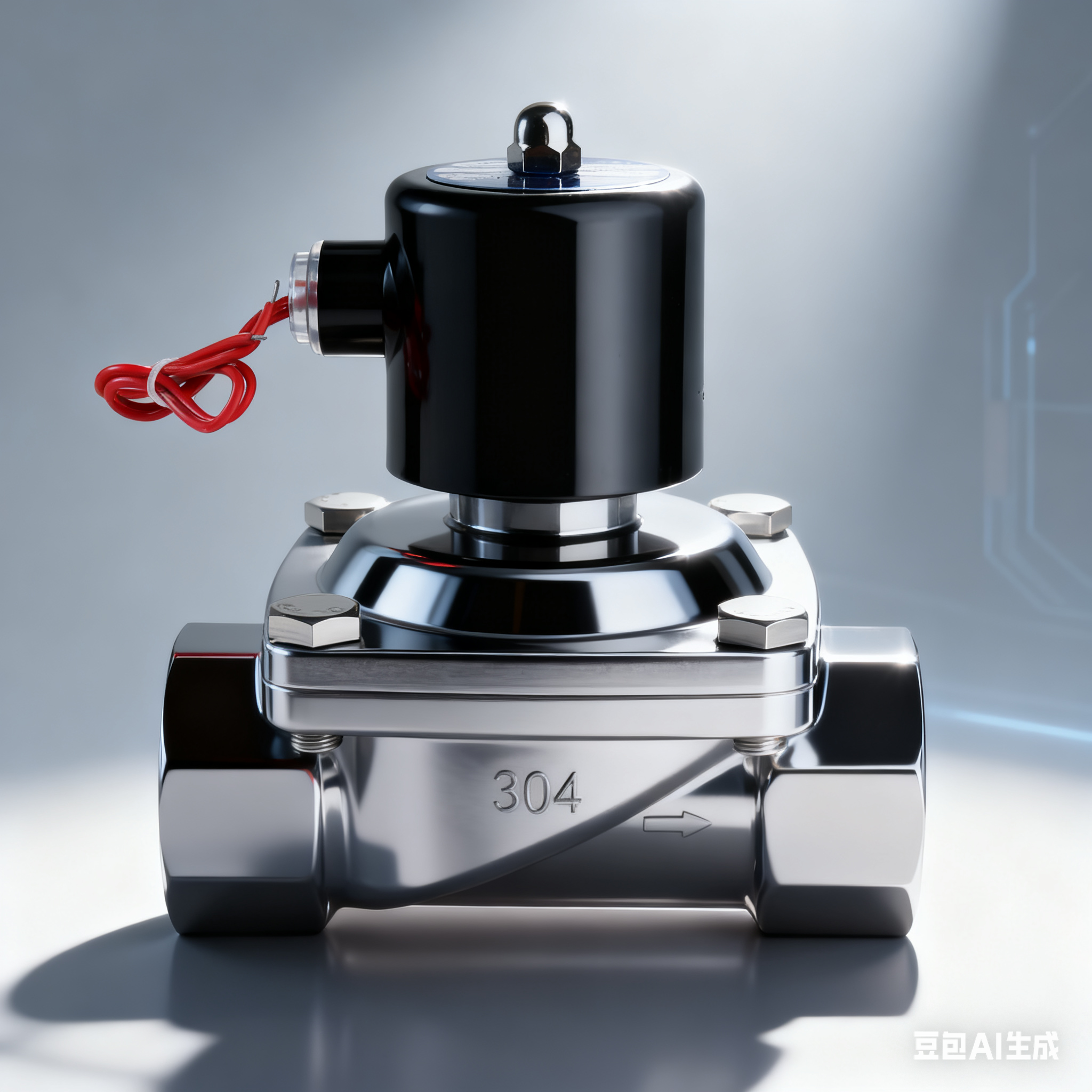
A solenoid valve is an electrically operated valve used to control the flow of fluids or gases. It’s designed to open or close the valve depending on the electrical signal sent to the solenoid, which is a coil of wire that generates a magnetic field when an electric current passes through it. This magnetic field either opens or closes a valve to allow or block fluid flow.
Types of Solenoid Valves and Their Applications
2-Way Solenoid Valves: As the most common type, these valves are used to either stop or allow flow in a single path. They are perfect for simple on/off applications and are found in everything from household water systems to large-scale industrial applications.
3-Way Solenoid Valves: These valves feature three ports, and they can divert flow from one channel to another, making them ideal for controlling airflow in pneumatic systems or mixing various fluids in automated processes.
4-Way Solenoid Valves: Mainly used for controlling double-acting cylinders, these valves can change the direction of flow between multiple circuits. They are common in complex pneumatic control systems, particularly in the automation of machines and processes.
Key Benefits of Using Solenoid Valves
Precision Control: Solenoid valves provide highly precise control of fluid and gas flows, ensuring consistent performance and helping prevent overflows or system failures.
Compact Design: These valves are typically small, allowing for integration into systems with limited space while still maintaining high reliability and durability.
Energy Efficient: By using electrical signals to operate, solenoid valves are much more energy-efficient compared to traditional mechanical valve systems. This can lead to significant cost savings in industrial setups.
Easy Integration into Automation Systems: Solenoid valves can be easily integrated with sensors, PLCs (Programmable Logic Controllers), and other automated systems to create a fully automated control system. This is especially important in industries where real-time, automated control is necessary.
Choosing the Right Solenoid Valve for Your Application
Selecting the right solenoid valve depends on several factors, including the type of fluid, pressure requirements, temperature conditions, and the required flow rate. For instance, for corrosive chemicals, you would need a valve made of materials that resist corrosion, such as stainless steel or brass. Moreover, the voltage requirements of the solenoid coil should match your system’s electrical specifications.
If you’re looking to integrate solenoid valves into your operations, it’s crucial to choose a supplier who not only provides high-quality products but also offers technical support and custom solutions for your specific needs.
Why Trust Us with Your Solenoid Valve Needs?
At Fosunt, we specialize in providing reliable, durable, and high-performance solenoid valves that cater to a wide range of industries. Whether you’re automating a new system or upgrading an existing one, our team of experts is here to guide you through the selection process. With our extensive knowledge and commitment to excellence, we ensure that you get the best solutions that meet your needs, budget, and specifications.
Solenoid valves may be small components, but they are fundamental to the smooth operation of countless automated systems across industries. Their precision, durability, and versatility make them indispensable in a world increasingly driven by automation. If you’re in need of solenoid valves, contact us today, and let’s discuss how we can help you optimize your systems with high-quality solutions.