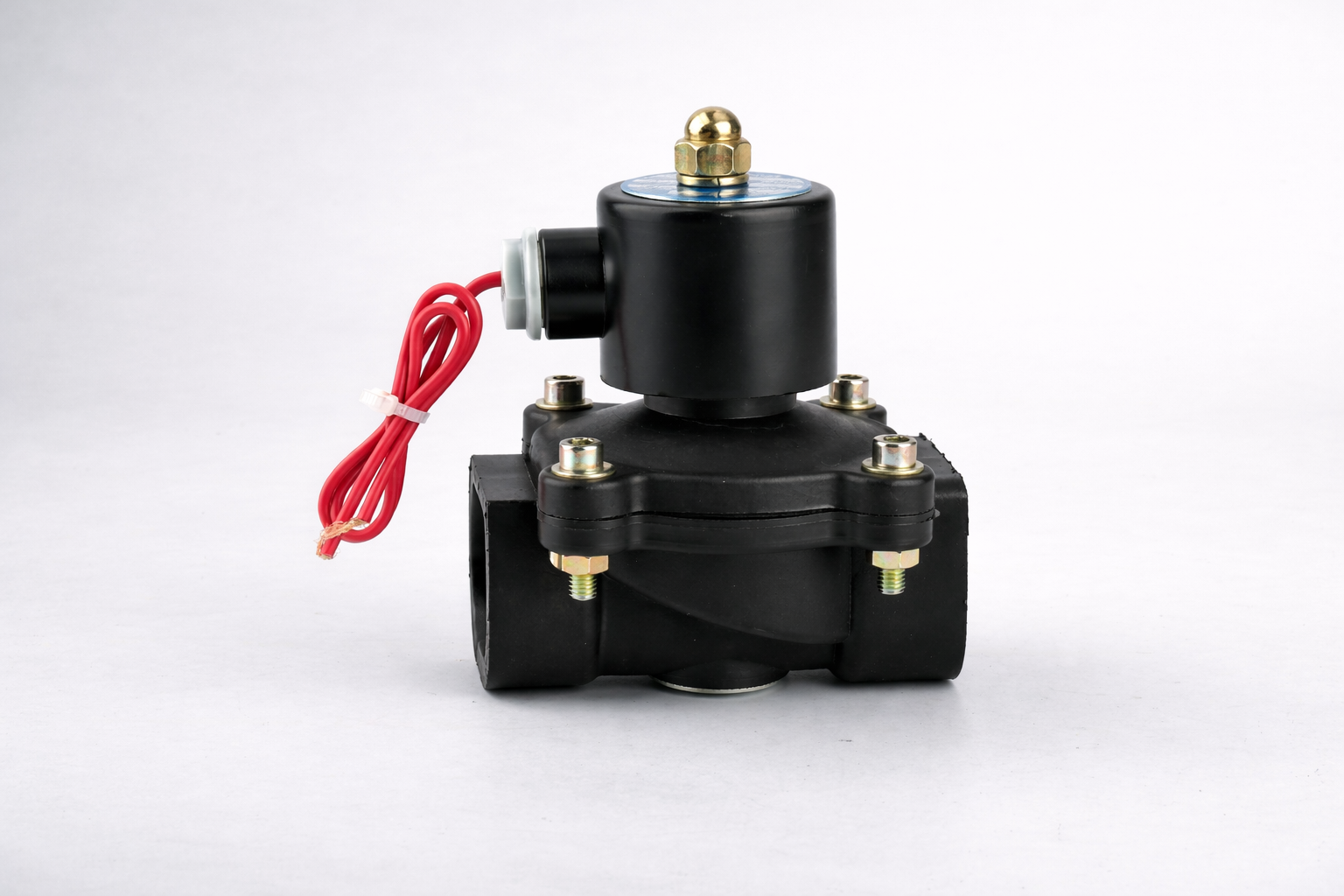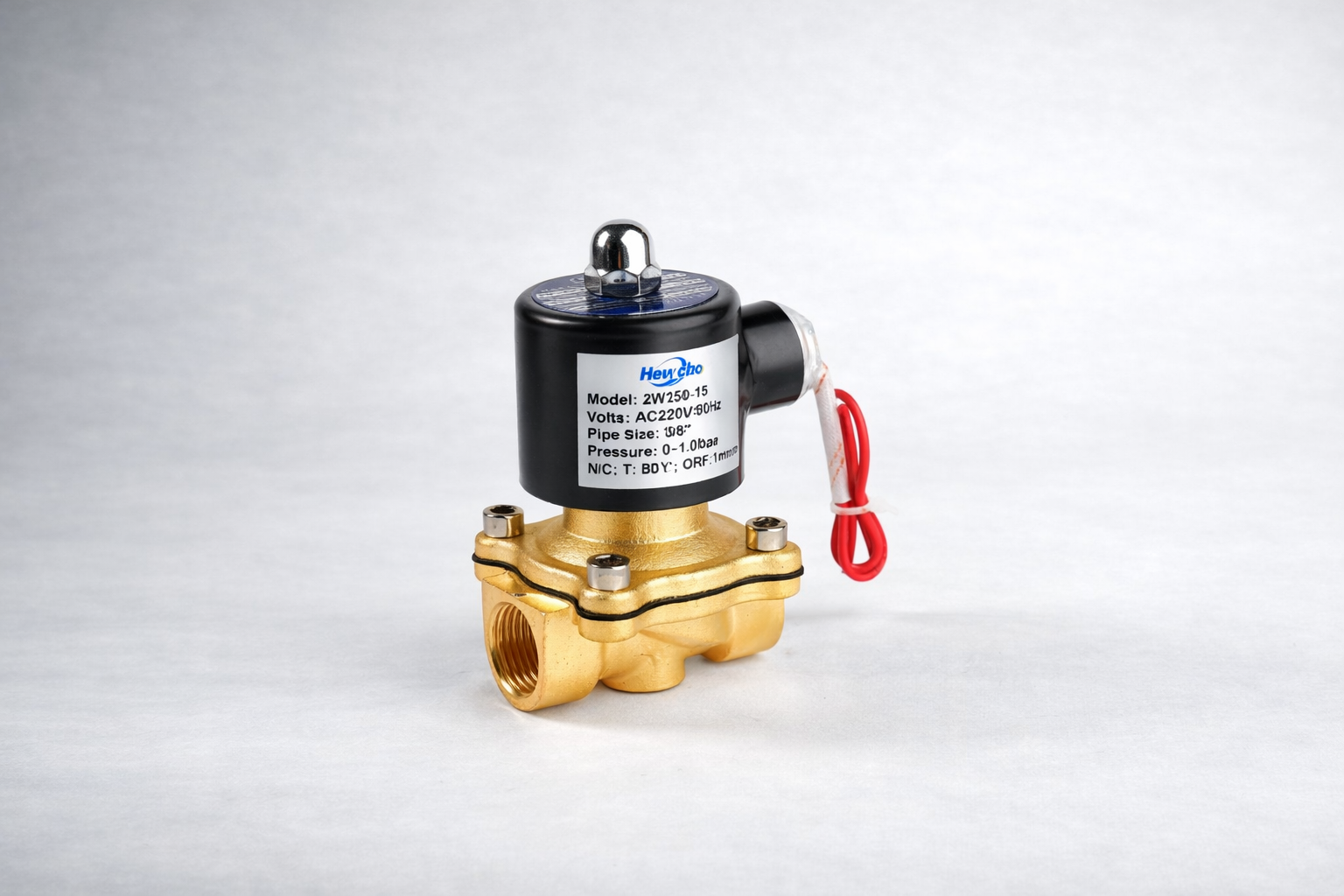
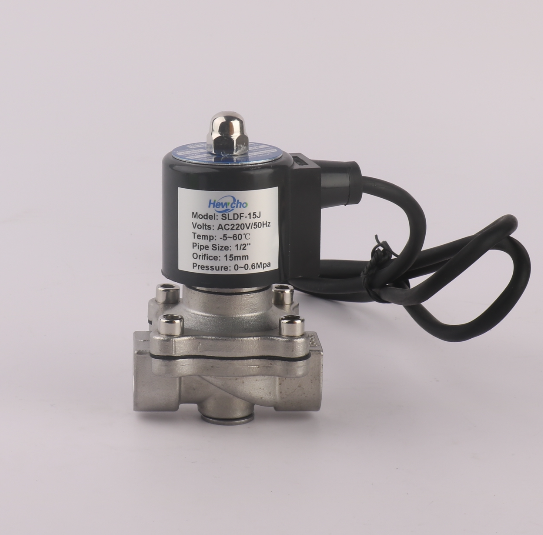
Water solenoid valves are widely used in water treatment equipment, industrial automation, and fluid control systems. However, many failures in the field are not caused by product quality, but by incorrect valve selection for different water types.
This article explains the key differences in selecting solenoid valves for tap water, industrial water, and pure water systems, helping engineers and buyers choose the right solution from the start.
Basic Function of Water Solenoid Valves
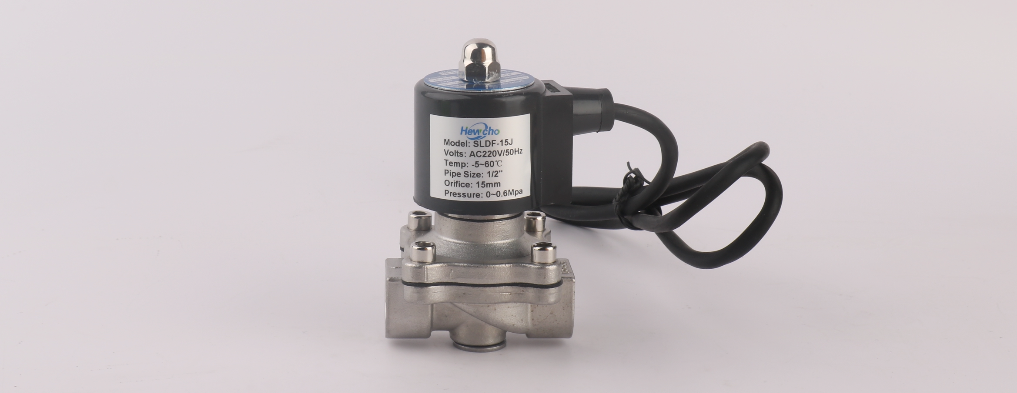
Water solenoid valves are designed to control the on/off or directional flow of water in automatic systems. Typical applications include:
- Water treatment systems
- Industrial cooling and circulation systems
- Equipment water supply control
- Automated cleaning and washing systems
Proper selection ensures stable operation and long service life.
Solenoid Valves for Tap Water Systems
Tap water systems usually operate at moderate pressure and relatively clean conditions.
Key selection points:
- Valve type: Direct-acting or pilot-operated solenoid valves
- Body material: Brass or stainless steel
- Seal material: EPDM or NBR
- Pressure range: Suitable for municipal water pressure
Typical applications:
- Residential and commercial water supply
- Automatic faucets
- Water dispensers and household equipment
Solenoid Valves for Industrial Water Systems
Industrial water often contains impurities, scale, or particles, and pressure conditions may vary.
Key selection points:
- Valve type: Pilot-operated solenoid valves for large flow
- Body material: Brass or stainless steel (corrosion-resistant)
- Seal material: NBR or FKM (Viton)
- Additional requirement: Install filters or strainers upstream
Typical applications:
- Industrial cooling systems
- Circulating water pipelines
- Machinery and process equipment
Solenoid Valves for Pure Water Systems
Pure water and deionized water systems require high cleanliness and material compatibility.
Key selection points:
- Valve type: Direct-acting solenoid valves for precise control
- Body material: Stainless steel or engineering plastics
- Seal material: EPDM or special food-grade materials
- Surface requirement: Smooth internal surface to prevent contamination
Typical applications:
- RO water systems
- Semiconductor and electronics manufacturing
- Pharmaceutical and laboratory equipment
Common Mistakes in Water Solenoid Valve Selection
- Using industrial valves in pure water systems
- Ignoring minimum operating pressure requirements
- Selecting incorrect sealing materials
- No filtration in dirty water systems
Avoiding these mistakes can significantly reduce maintenance and downtime.
Conclusion
Although water solenoid valves may look similar, tap water, industrial water, and pure water systems have very different requirements. Correct selection based on water quality, pressure, and application environment is essential for reliable and long-term operation.
Choosing the right water solenoid valve improves system efficiency, reduces failure rates, and lowers overall operating costs.