In an era where automation is transforming industries across the globe, solenoid valves have emerged as unsung heroes, playing a vital role in controlling the flow of gases and liquids with unmatched precision. These small yet powerful devices are found in a wide array of applications, from the simplest home appliances to the most complex industrial systems, ensuring smooth and efficient operation.

What is a Solenoid Valve?
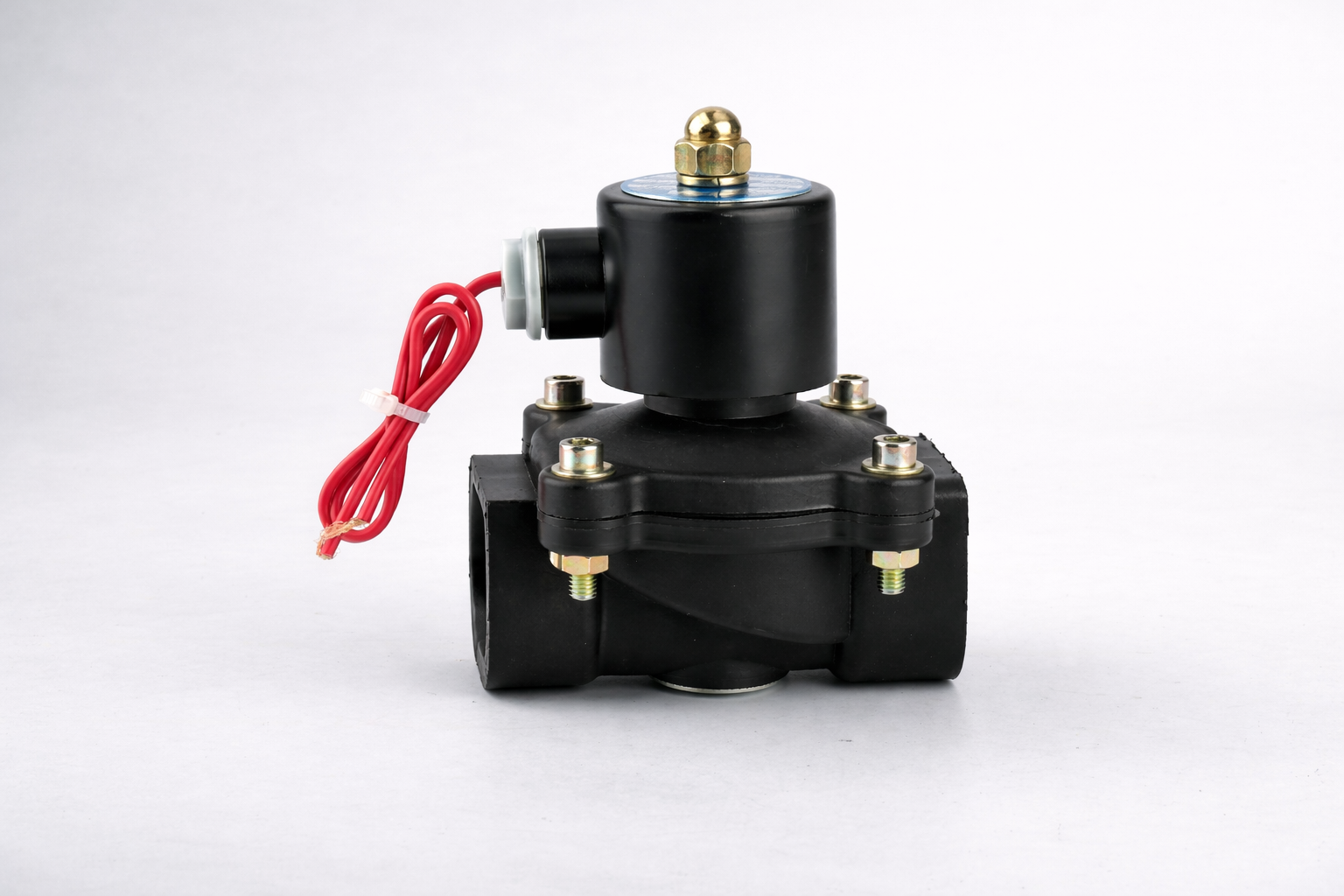
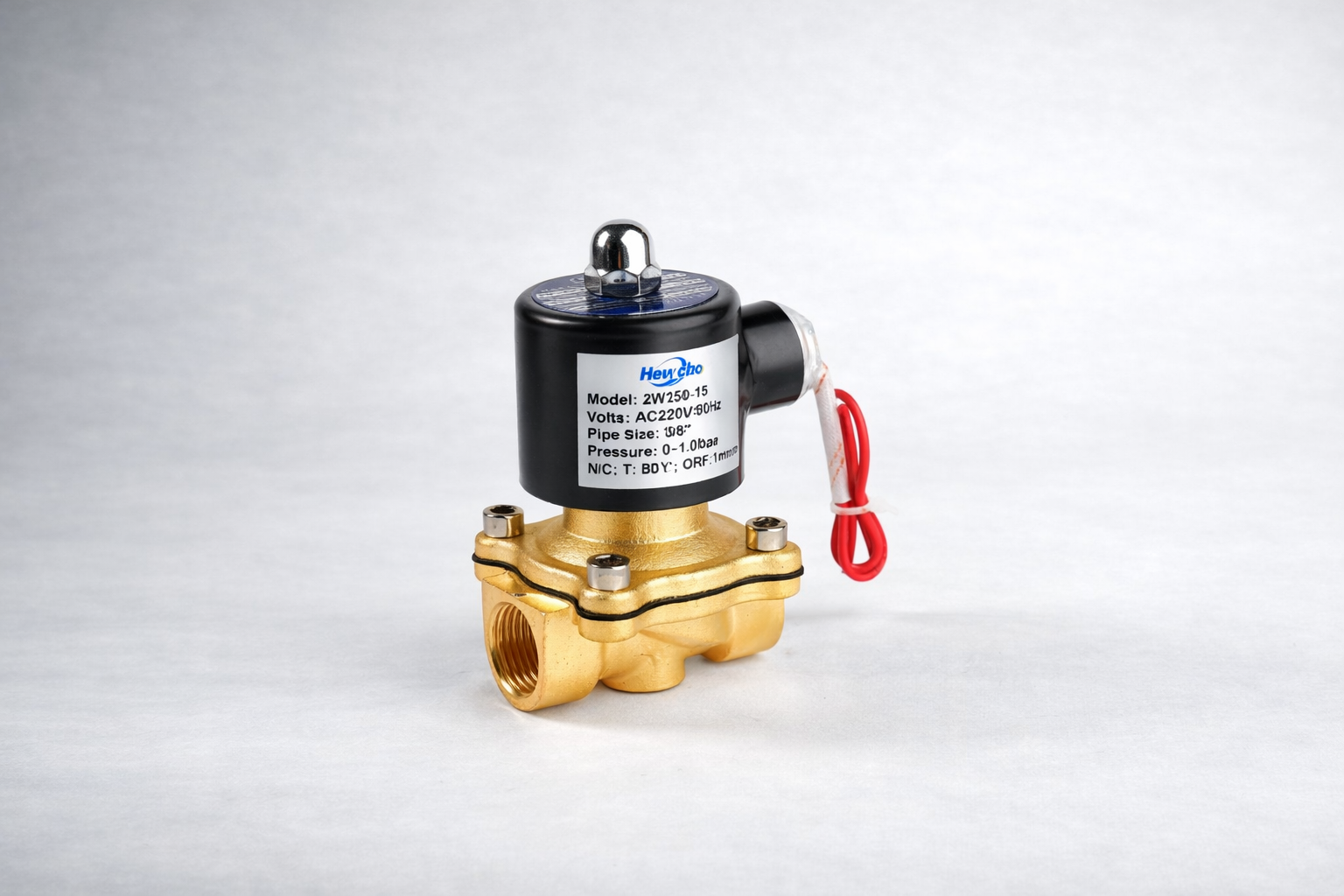
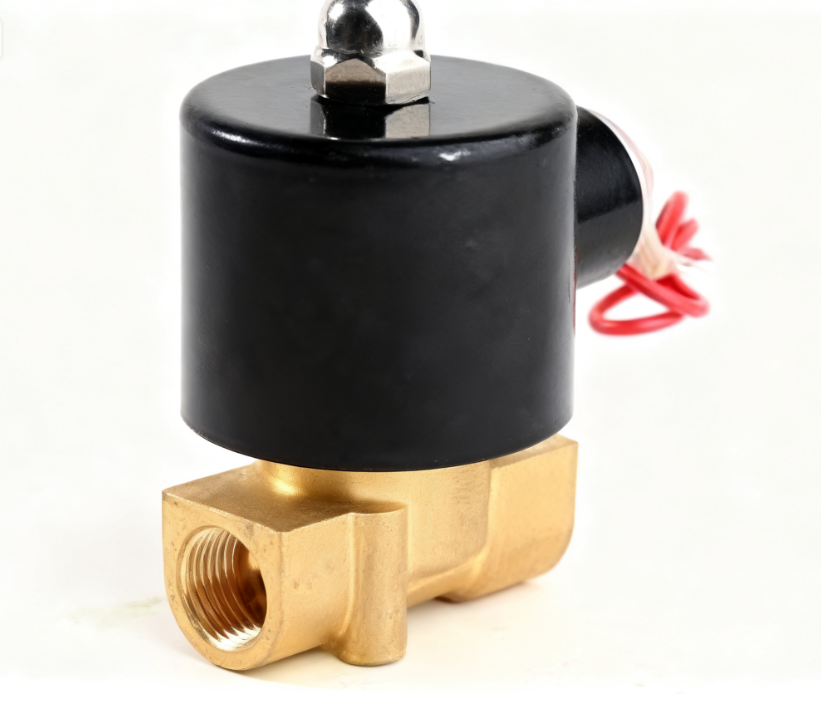
A solenoid valve is an electromechanical valve used to control the flow of fluids or gases within a system. It operates using an electromagnetic solenoid that, when energized, opens or closes the valve to regulate the passage of substances. This makes solenoid valves highly effective in automated systems where precise control is needed.
Types of Solenoid Valves and Their Uses
- 2-Way Solenoid Valves: These are the most common type of solenoid valve, designed to control the flow of fluid in a single path. They are typically used in systems that require simple on/off control, such as in irrigation systems, water treatment, and HVAC applications.
- 3-Way Solenoid Valves: These valves offer more versatility by controlling the flow between three ports, allowing them to switch between two flow paths or mix fluids. They are commonly used in pneumatic systems, refrigeration, and fluid handling where more complex control is necessary.
- 4-Way Solenoid Valves: These valves are often used to control double-acting cylinders in pneumatic systems. They are essential in applications that require precise direction control, such as robotic arms, conveyor systems, and automated machinery.
The Key Benefits of Solenoid Valves
- Efficient Control of Flow: Solenoid valves provide an incredibly efficient method of controlling the flow of liquids and gases in automated systems. They can respond rapidly to changes in signal inputs, ensuring a high level of accuracy in fluid regulation.
- Space Efficiency: The compact design of solenoid valves allows them to fit easily into tight spaces within industrial systems. Despite their small size, they can handle high flow rates and are highly reliable.
- Energy Savings: Because solenoid valves use electrical signals to operate, they are more energy-efficient compared to traditional mechanical valves. They consume only the energy needed to control the flow, making them a more sustainable option for large-scale operations.
- Low Maintenance: Solenoid valves are built to last with minimal maintenance. Since many solenoid valves have fewer moving parts compared to traditional valves, they experience less wear and tear and are less prone to failure over time.
- Improved System Performance: By ensuring the right amount of fluid or gas is directed precisely where it’s needed, solenoid valves contribute to the overall performance and efficiency of your system. This precision can help prevent overflows, leaks, or wastage, ultimately lowering operational costs.
How to Select the Right Solenoid Valve for Your Application
Selecting the right solenoid valve for your system can be a bit overwhelming given the various options available. Here are some key factors to consider when making your choice:
- Fluid or Gas Type: Different fluids (such as water, steam, oil, or gas) require valves made from materials that can withstand specific pressures and temperatures. For instance, corrosive chemicals may need a valve made from stainless steel, while non-corrosive fluids may be fine with brass or plastic options.
- Pressure and Temperature Ratings: Be sure to select a valve that can handle the specific pressure and temperature range of your system. Choosing a valve with inadequate ratings can lead to system failures or unsafe operating conditions.
- Flow Rate Requirements: The flow rate is crucial in determining the size and type of solenoid valve you need. Make sure the valve you select is capable of handling the maximum flow your system requires without compromising efficiency.
- Control Type: Solenoid valves can be available in different configurations such as normally open (NO) or normally closed (NC), depending on whether you want the valve to remain open or closed when no power is applied. Choose the control type that best matches your system’s needs.
Why Choose Us for Your Solenoid Valve Needs?
At [Your Company Name], we understand that selecting the right solenoid valve is critical for your system’s success. With years of experience and a deep knowledge of various industries, our team is here to help you make an informed choice. We offer a wide selection of solenoid valves, all designed to provide top-notch performance, reliability, and efficiency.
Whether you’re automating a small system or designing large-scale industrial processes, we’re committed to delivering high-quality solenoid valves that meet your exact specifications. Our experts can guide you in choosing the ideal valve for your needs, ensuring that your system operates smoothly and efficiently.
Conclusion
Solenoid valves are an essential component of any automated system, offering precise control over fluid and gas flows while improving energy efficiency and reducing maintenance costs. Their versatility makes them suitable for a broad range of applications, from simple on/off control to complex multi-port systems. If you’re looking to optimize your systems with high-performance solenoid valves, contact us today, and let’s discuss how we can help you achieve greater efficiency and reliability.