January 3, 2026
Eric Jiang
Solenoid valve
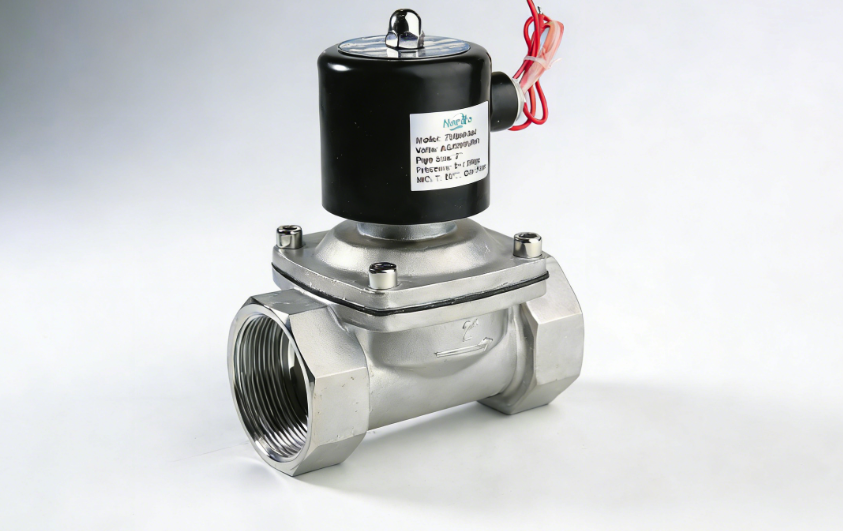
“Chattering” is one of the most common complaints in steam solenoid valves. The valve opens and closes rapidly, the line vibrates, and the coil may buzz loudly. Sometimes the valve still “works,” but chattering is a warning sign that the valve is operating in unstable conditions—and failure often comes next (seat damage, coil burnout, or water hammer).
This article explains the real causes of steam solenoid valve chattering and the fastest ways to fix it.
1. What Chattering Looks Like in Steam Systems
Typical symptoms include:
- Rapid clicking or “machine gun” sound near the valve
- Pipe vibration when the valve energizes
- Steam flow fluctuates (equipment temperature unstable)
- Coil makes a loud hum or buzzing noise
- Valve works at startup but becomes unstable during normal running
Chattering is usually not a “defective valve.” It’s a system condition problem.
2. The #1 Cause: Unstable Differential Pressure (Especially Pilot-Operated Valves)
Most industrial steam valves are pilot-operated, and pilot-operated designs need a minimum differential pressure (ΔP) to stay open smoothly.
Chattering happens when:
- inlet pressure drops below the valve’s minimum ΔP
- outlet/back pressure rises, reducing ΔP
- steam supply pressure fluctuates (boiler load changes)
- multiple valves open at the same time and pressure dips
Fast checks
- Measure inlet pressure at the valve during peak load
- Measure downstream pressure/back pressure
- Compare with the datasheet minimum ΔP
Fix options
- Choose a valve designed for lower ΔP
- Switch to a direct-acting design if low pressure is unavoidable
- Stabilize supply pressure (sometimes a system-level fix is required)
3. Wet Steam and Condensate: A Major Chattering Trigger
Steam is rarely perfectly dry. If condensate reaches the valve, it can disturb pilot passages and cause unstable movement.
Common layout problems:
- No drip leg before the valve
- Steam trap missing, stuck, or too far away
- Poor pipe slope causing condensate pooling near the valve
Fix
- Add a drip leg + steam trap before the solenoid valve
- Ensure the trap discharge line is not flooded
- Correct piping slope and add drainage points where needed
If you fix condensate control, many chattering issues disappear.
4. Debris Blocking Pilot Holes or Orifices
Steam piping often contains rust flakes and scale. Small particles can partially block:
- pilot orifice
- diaphragm channels
- main orifice
This causes unstable pilot operation and “half-opening,” which leads to chattering and coil overheating.
Fix
- Install a Y-strainer upstream of the valve
- Clean the strainer regularly
- Flush the pipeline after maintenance or new installation
If your valve works fine for a week and then starts chattering, dirt is a strong suspect.
5. Oversized Valves Cause Unstable Steam Control
Oversizing a solenoid valve is a very common mistake in steam selection.
What happens when the valve is oversized:
- valve opens too easily and over-feeds steam
- system pressure shifts quickly
- control cycles become aggressive
- chattering and water hammer risk increase
Fix
- Re-check valve sizing based on real steam load
- Select a smaller Cv (orifice) when possible
- Improve control strategy to reduce rapid on/off cycling
Correct sizing improves stability and reduces stress on seats and seals.
6. Electrical Causes: Voltage Drop, AC Coil Buzz, and Connection Issues
Not all chattering is mechanical. Electrical instability can also cause repeated opening/closing.
Common electrical causes:
- voltage drop at the coil (long cable runs, weak power supply)
- unstable AC frequency or poor contactors
- loose terminals or moisture in connectors (steam rooms are humid)
- wrong coil voltage (24V coil connected to 110V/220V, or vice versa)
Fix
- Measure actual voltage at the coil terminals under load
- Tighten terminals and use sealed connectors/cable glands
- Consider a DC coil option if your system allows it (often more stable)
7. Quick “Fix First” Checklist (Most Effective Order)
If your steam solenoid valve is chattering, check in this order:
- Pressure stability / minimum ΔP (pilot-operated valves)
- Condensate control (drip leg + trap + slope)
- Debris protection (Y-strainer, flushing)
- Valve sizing (avoid oversizing)
- Electrical stability (voltage at coil, connections, moisture)
- Coil temperature and mounting (upright, away from radiant heat)
This sequence solves most chattering cases faster than replacing the valve.
8. When You Should Change the Valve Design
If your system pressure is naturally low or unstable, the best fix may be design change.
Consider switching to:
- Direct-acting steam solenoid valves (better at low ΔP)
- Valves built specifically for low differential pressure
- Alternative control methods if process stability requires it
Chattering is often the system telling you the valve design doesn’t match real conditions.
Final Thoughts
Steam solenoid valve chattering is usually caused by unstable ΔP, condensate, dirt, oversizing, or electrical instability. Fixing the root cause prevents seat damage, coil burnout, and water hammer—saving much more cost than repeated valve replacement.
If you want the next blog post, I can write:
- Steam trap selection guide (how to choose disc vs F&T vs thermostatic)
- Steam solenoid valve buyer checklist (one-page template for purchasing)
- How to extend coil life in steam rooms (heat shielding, wiring, IP protection)