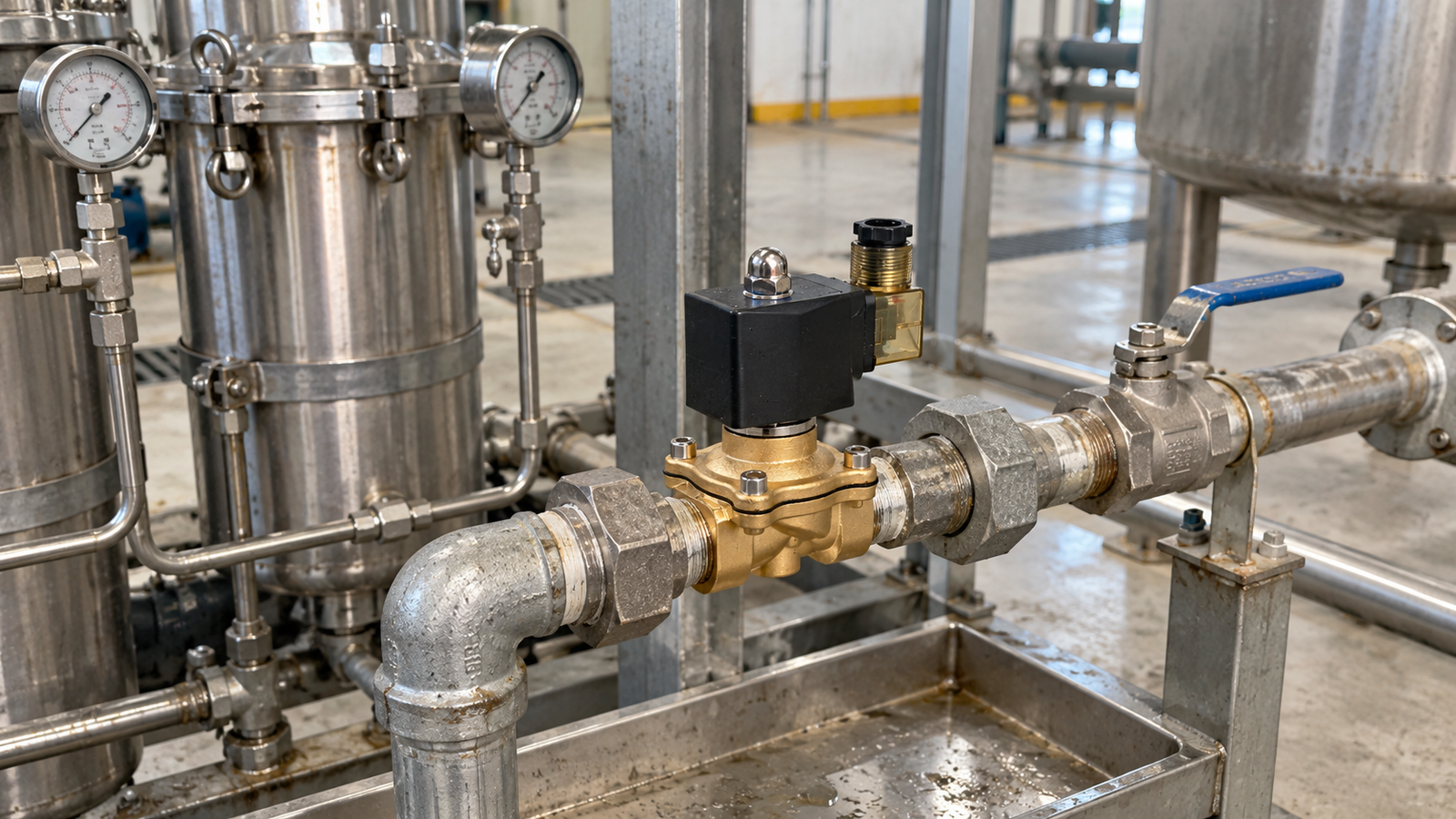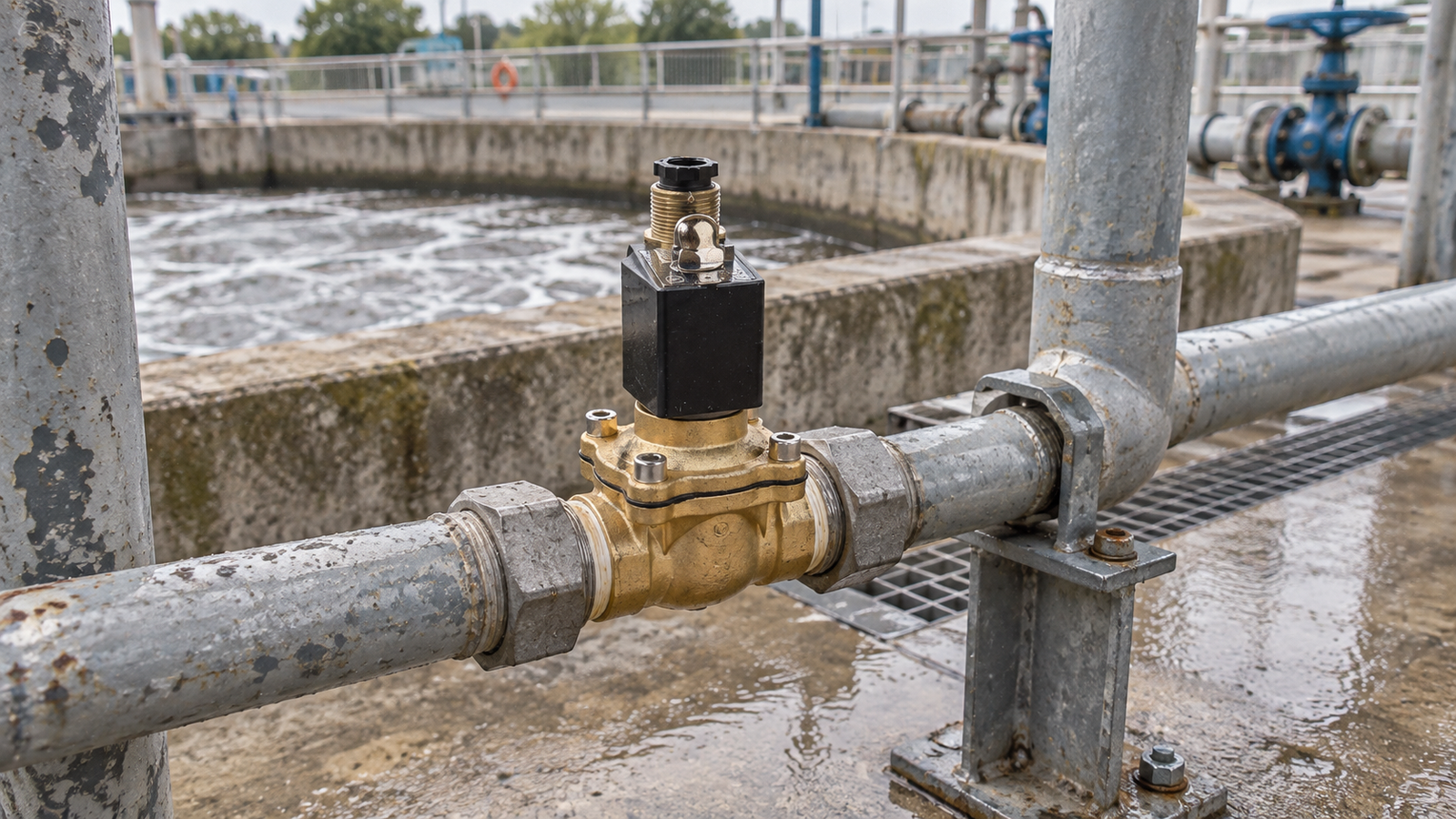
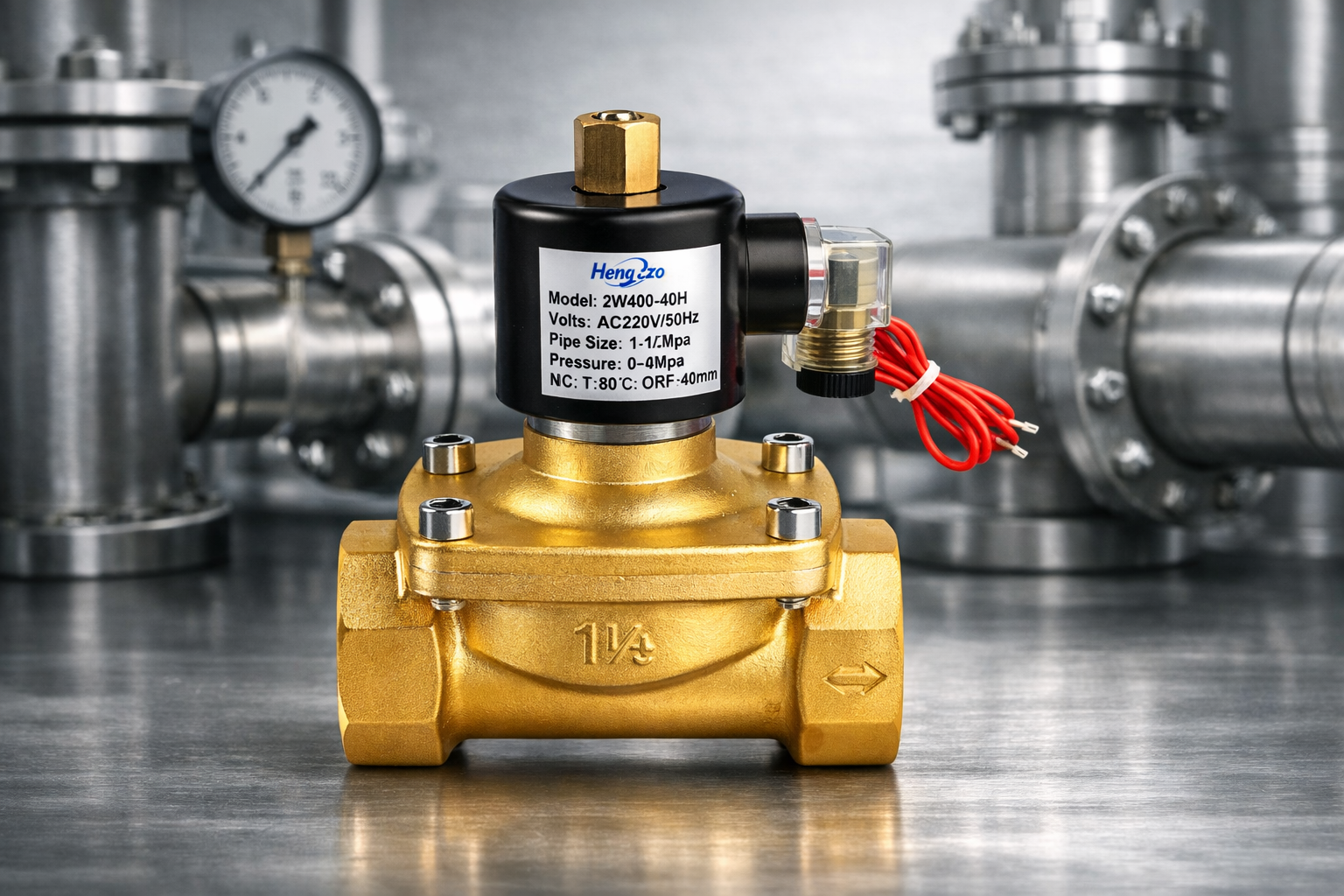
In many industrial environments, solenoid valves are exposed to water, dust, and harsh conditions.
To ensure reliability, manufacturers design valves with specific IP protection ratings.
Two common ratings are IP65 and IP67.
But what do these ratings mean, and which one should you choose?
This guide explains the differences and helps you select the right protection level for your application.
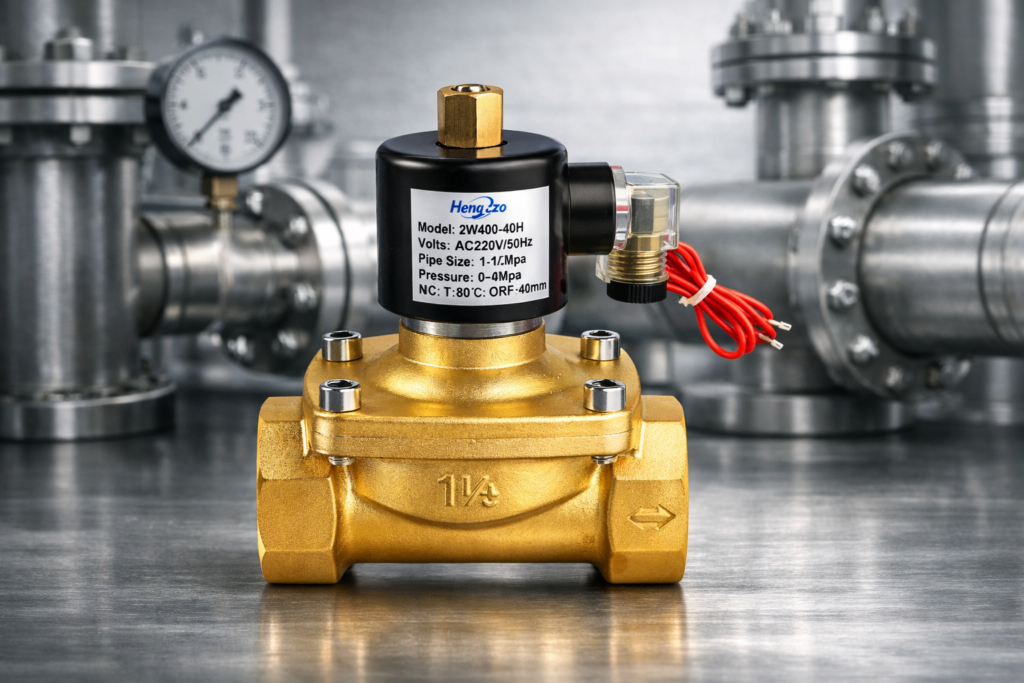
What Does IP Rating Mean?
IP stands for Ingress Protection. It indicates how well a device is protected against:
- Solid particles such as dust
- Liquids such as water
An IP rating typically has two numbers.
For example: IP65
- The first digit represents protection against solids.
- The second digit represents protection against liquids.
Understanding these numbers helps determine whether a valve is suitable for your environment.
What Is an IP65 Solenoid Valve?
An IP65 solenoid valve offers:
- Complete protection against dust
- Protection against water jets from any direction
This means the valve can safely operate in environments where water may be sprayed onto the equipment.
Typical Applications
IP65 solenoid valves are commonly used in:
- Industrial automation equipment
- Manufacturing plants
- Air compressor systems
- Indoor water control systems
These environments may have moisture but are not fully submerged in water.
What Is an IP67 Solenoid Valve?
An IP67 solenoid valve provides a higher level of protection.
It offers:
- Full protection against dust
- Protection against temporary water immersion
Typically, the device can withstand immersion in water up to 1 meter for about 30 minutes.
Typical Applications
IP67 solenoid valves are suitable for:
- Outdoor installations
- Flood-prone environments
- Marine equipment
- Harsh industrial environments
They provide stronger protection when water exposure is more severe.
IP65 vs IP67 Comparison
| Feature | IP65 | IP67 |
|---|---|---|
| Dust Protection | Complete | Complete |
| Water Protection | Water jets | Temporary immersion |
| Typical Use | Indoor industrial systems | Outdoor or wet environments |
| Protection Level | Medium | Higher |
Both ratings offer excellent dust protection, but IP67 provides better resistance to water.
How to Choose the Right Protection Rating
Consider these factors before selecting a valve:
Environment
If the valve is installed outdoors or in wet conditions, IP67 is recommended.
Water Exposure
If the valve may be submerged temporarily, choose IP67.
Cost Consideration
IP65 valves are usually more economical for standard industrial environments.
Choosing the correct protection level ensures longer service life and better reliability.
Final Thoughts
IP protection ratings are important when selecting a solenoid valve for industrial applications. While IP65 is suitable for many indoor environments, IP67 provides additional protection for wet or outdoor conditions.
Understanding the difference helps prevent equipment failure and improves system reliability.
If you are unsure which protection level is best for your application, consulting a professional solenoid valve supplier can help you make the right decision.