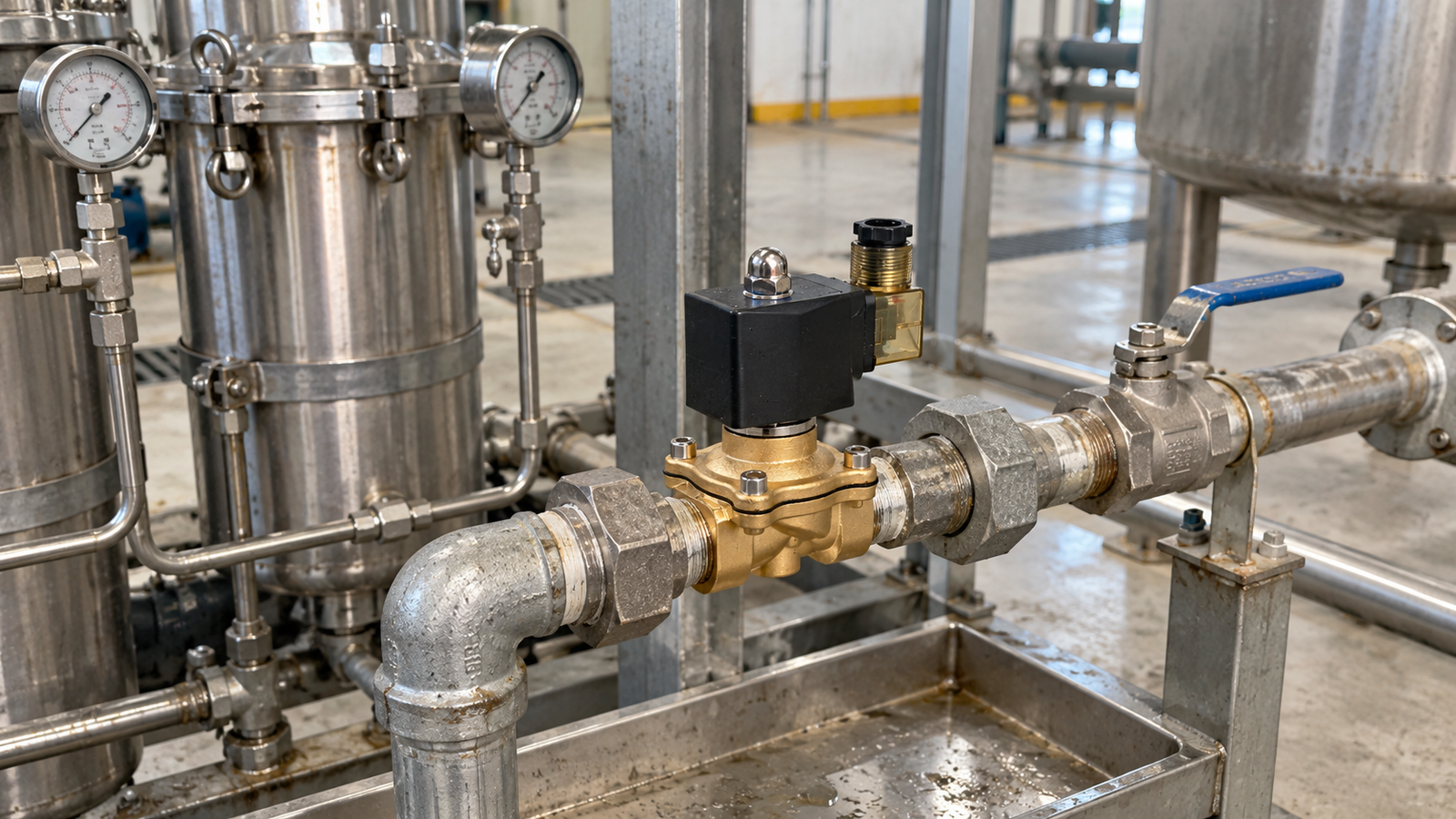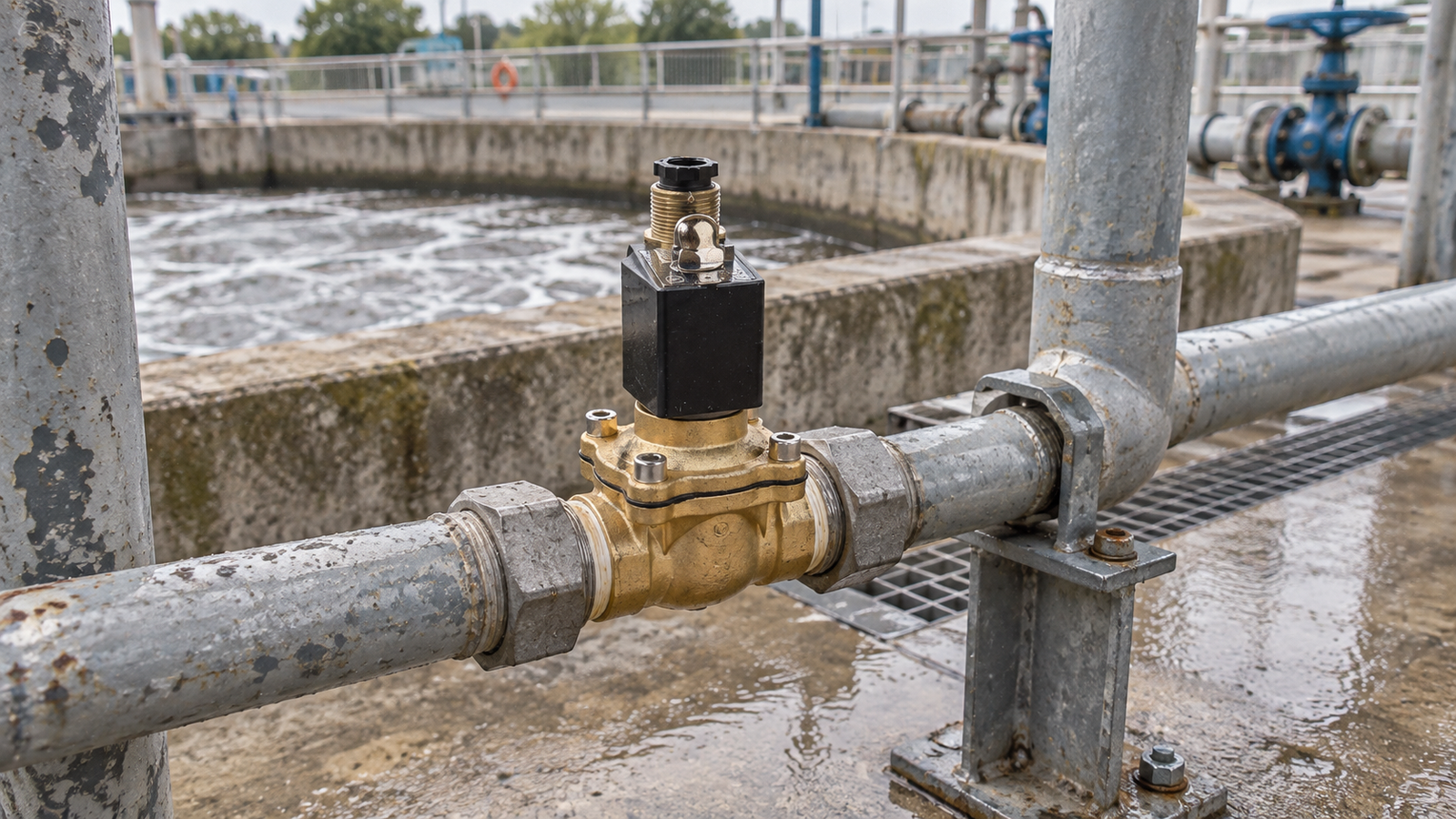
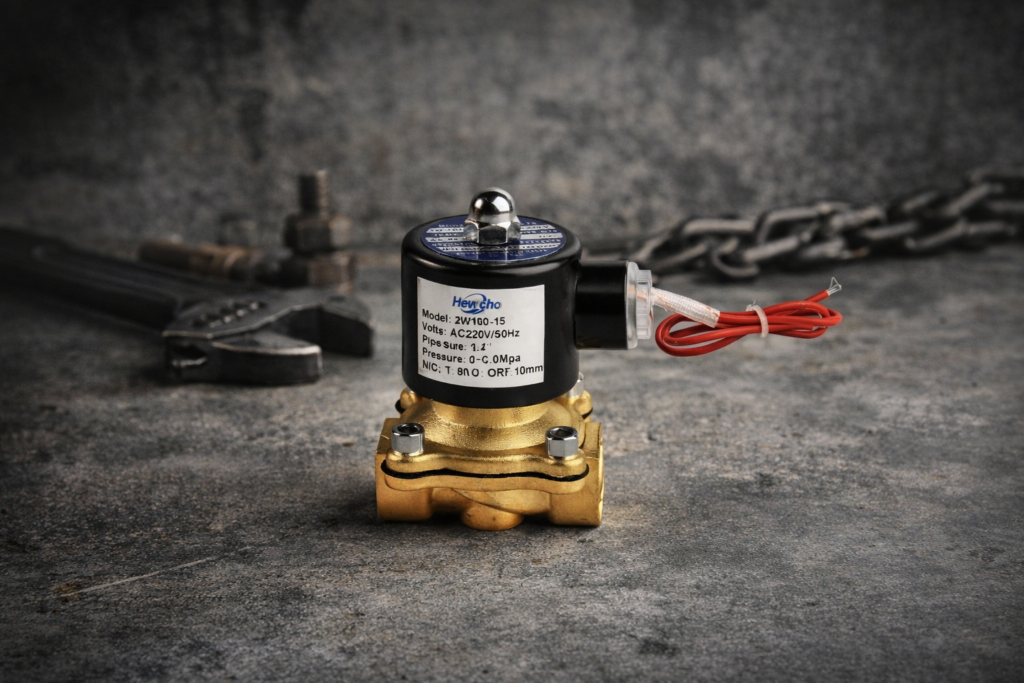
In industrial automation, fluid control, and equipment manufacturing, the solenoid valve is one of the most widely used and essential control components. Whether in water treatment systems, air compressors, food processing machines, medical devices, or chemical production lines, solenoid valves play a key role in controlling the flow of media.
So, what exactly is a solenoid valve, how does it work, and how do you choose the right one? In this article, we will give you a clear and practical overview.
What Is a Solenoid Valve?
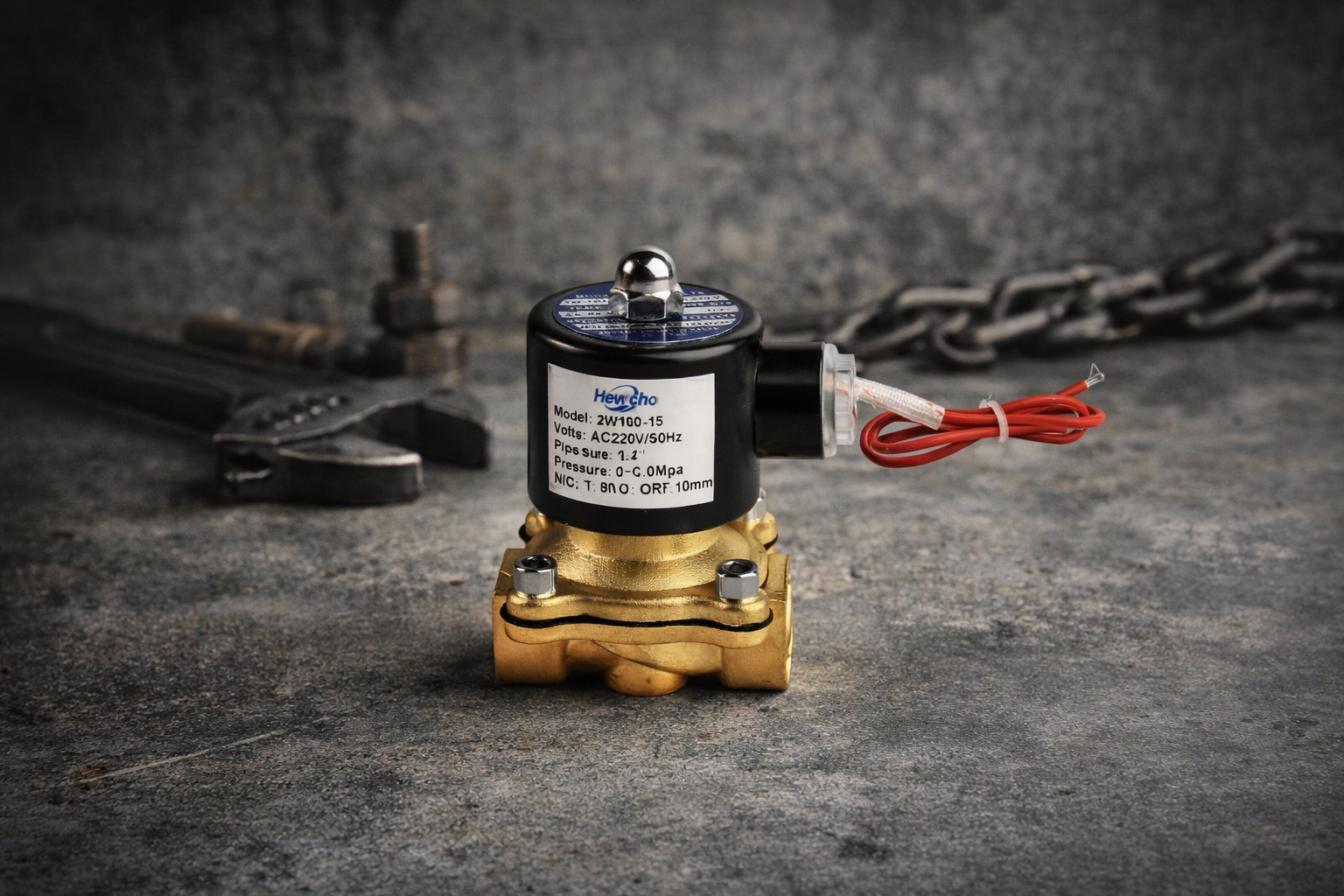
A solenoid valve is an automatic control component that uses electromagnetic force to open or close a valve. When the coil is energized, it generates a magnetic field that moves the plunger or pilot mechanism, allowing the valve to control the flow of gas, liquid, steam, or other media.
In simple terms, a solenoid valve is used to start or stop the flow of media, automate fluid control, and improve system efficiency and response time.
Because of their compact design, fast response, and easy remote control capability, solenoid valves are widely used in automated control systems.
How Does a Solenoid Valve Work?
The main components of a solenoid valve usually include the coil, valve body, plunger, spring, and sealing elements.
The basic working process is as follows.
When the coil is energized, it creates electromagnetic force. The magnetic force moves the plunger. The plunger changes the flow path inside the valve. When power is removed, the plunger returns to its original position under spring force or medium pressure.
Depending on the internal design, solenoid valves are commonly divided into direct-acting, pilot-operated, and semi-direct-acting types. Each type is suitable for different working conditions.
Common Types of Solenoid Valves
1. 2-Way Solenoid Valve
A 2-way solenoid valve has two ports and two positions. It is mainly used to turn the flow of media on or off.
Typical applications include water control systems, air control systems, and small automation equipment.
2. 3-Way Solenoid Valve
A 3-way solenoid valve is commonly used to control single-acting pneumatic actuators or switch airflow paths.
It allows supply and exhaust switching and is widely used in pneumatic systems.
3. 5-Way Solenoid Valve
A 5-way solenoid valve is often used in pneumatic automation systems to control the movement direction of double-acting cylinders.
Common applications include automated assembly lines, packaging machinery, and pneumatic control systems.
4. Normally Closed and Normally Open Solenoid Valves
Normally Closed solenoid valves are closed when de-energized and open when energized. Normally Open solenoid valves are open when de-energized and closed when energized.
In many industrial systems, normally closed solenoid valves are more common because they provide a safer shut-off condition when power is lost.
Main Applications of Solenoid Valves
Thanks to their reliable performance and easy control, solenoid valves are used in many industries.
Industrial Automation
Solenoid valves are used to control compressed air, water, oil, and other media in automated production lines and machinery.
Water Treatment Systems
In water purification, irrigation, and wastewater treatment equipment, solenoid valves are widely used to control water flow.
HVAC Systems
In heating, ventilation, air conditioning, and refrigeration systems, solenoid valves help regulate refrigerant, steam, or hot water flow.
Food Processing and Medical Equipment
These industries require high cleanliness and reliability, so stainless steel solenoid valves are often preferred.
Chemical and Energy Industries
For corrosive media or harsh environments, solenoid valves with special materials and higher protection levels are required.
How to Choose the Right Solenoid Valve
Choosing the right solenoid valve is not only about port size or voltage. You need to evaluate the actual working conditions carefully.
1. Medium Type
Different media require different valve body and sealing materials. Water applications often use brass or stainless steel valve bodies. Air applications can usually use standard solenoid valves. Steam applications need high-temperature resistant designs. Corrosive liquids require stainless steel or other special materials.
2. Working Pressure
It is important to confirm both the minimum and maximum system pressure. Some pilot-operated solenoid valves require a minimum pressure differential to work properly, while direct-acting valves are better for low-pressure or vacuum applications.
3. Orifice Size and Flow Requirement
The required flow rate determines the valve size. If the valve is too small, system performance may be restricted. If it is too large, cost and installation space may increase unnecessarily.
4. Voltage and Power Supply
Common voltage options include DC 12V, DC 24V, AC 110V, and AC 220V. The voltage should match the control system power supply.
5. Installation Environment
The installation environment also matters. Moisture, dust, outdoor exposure, or hazardous areas may require special coil protection or a higher enclosure rating.
6. Response Time and Operating Frequency
For systems that switch frequently, it is better to choose a solenoid valve with stable performance, long service life, and reliable operation.
Common Mistakes in Solenoid Valve Selection
In actual purchasing and application, many users make mistakes such as focusing only on price while ignoring quality and lifespan, not checking media compatibility, overlooking pressure conditions, and ignoring the installation environment.
These mistakes can lead to seal damage, poor valve performance, coil failure, or higher maintenance costs. For this reason, it is always a good idea to confirm the application details with a professional solenoid valve supplier before making a final decision.
Why High-Quality Solenoid Valves Matter
A high-quality solenoid valve can improve system efficiency, reduce failure rates, and lower maintenance costs. In continuously operating automation systems, a reliable valve can make a major difference in overall machine performance and service life.
High-quality solenoid valves usually offer excellent sealing performance, fast response time, long service life, suitability for demanding working conditions, and lower maintenance costs.
Conclusion
Although a solenoid valve is a relatively small component, it plays a vital role in fluid control systems. Understanding the working principle, types, applications, and selection method of solenoid valves can help businesses reduce mistakes and improve system reliability.
If you are looking for the right solenoid valve for your project, start by evaluating the medium, pressure, flow requirement, voltage, and installation environment. A properly selected valve will help ensure efficient and stable system performance.