In the global fluid control market, standard “off-the-shelf” 2-way solenoid valves are sufficient for basic maintenance and general repairs. However, if you are a large-scale distributor building your own brand, or an Original Equipment Manufacturer (OEM) designing proprietary machinery, standard components often fall short of your specific engineering and marketing needs.
To truly stand out in highly competitive regional markets—whether you are distributing across Southeast Asia, Latin America, or the CIS regions—partnering with a valve factory for OEM/ODM customization is a massive strategic advantage.
Here is why sourcing customized 2-way solenoid valves is the smartest move for high-volume B2B buyers, and what features you should be tailoring to your market.
1. Regional Threading Standards: G-Thread vs. NPT
One of the most common friction points for international wholesalers is mismatched pipe threads. The world does not use a single standard.
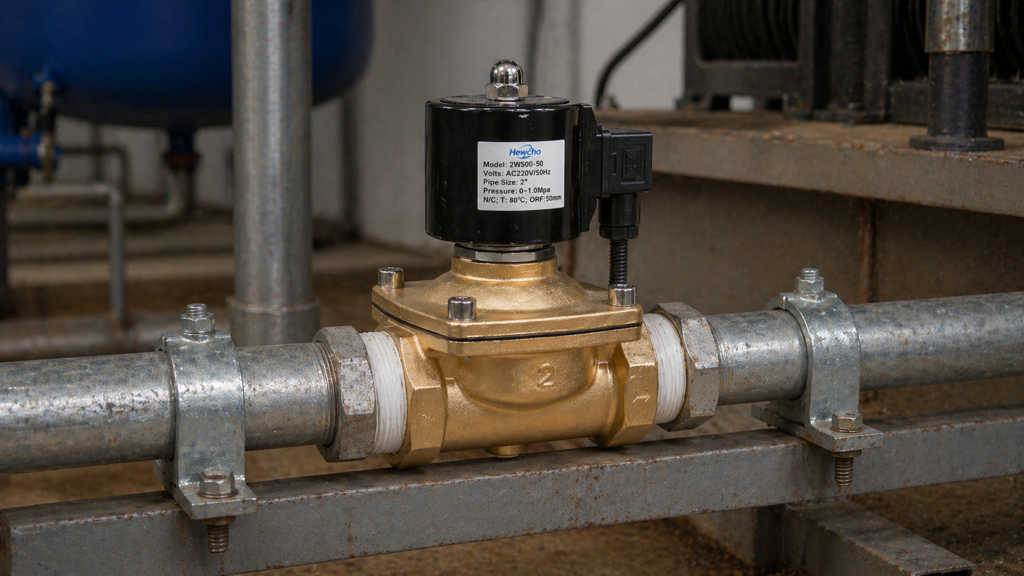
- If you are importing valves to sell in North or South America, your customers will expect NPT (National Pipe Taper) threads.
- If your market is in Europe, Asia, or Africa, G-Threads (BSPP/BSPT) are the absolute standard.
Forcing an end-user to use adapters creates weak points in their pipeline and damages your reputation as a supplier. A capable manufacturing partner will machine the exact thread standard your regional market demands directly into the brass or stainless steel valve body, ensuring a flawless, native installation for your customers.
2. Coil Voltage and Power Optimization
Machinery builders often operate under strict electrical constraints. A standard 220V AC or 24V DC coil might not fit the specific power infrastructure of your proprietary equipment.
Through OEM customization, you can specify exact voltage requirements for your 2-way valves. Furthermore, if your equipment runs on battery or solar power (such as remote agricultural irrigation controllers), you can work with the factory to design custom low-wattage coils or integrate DC latching technology. This reduces the overall power draw of your machinery, giving your final product a significant competitive edge in energy efficiency.
3. Private Labeling: Building Your Brand Equity
If you are a wholesaler importing thousands of valves, selling them under the original factory’s name does nothing to build your own business equity.
A premium OEM partnership allows for comprehensive private labeling. This goes beyond simply putting a sticker on a box. True customization includes:
- Laser-engraved logos directly on the brass valve body.
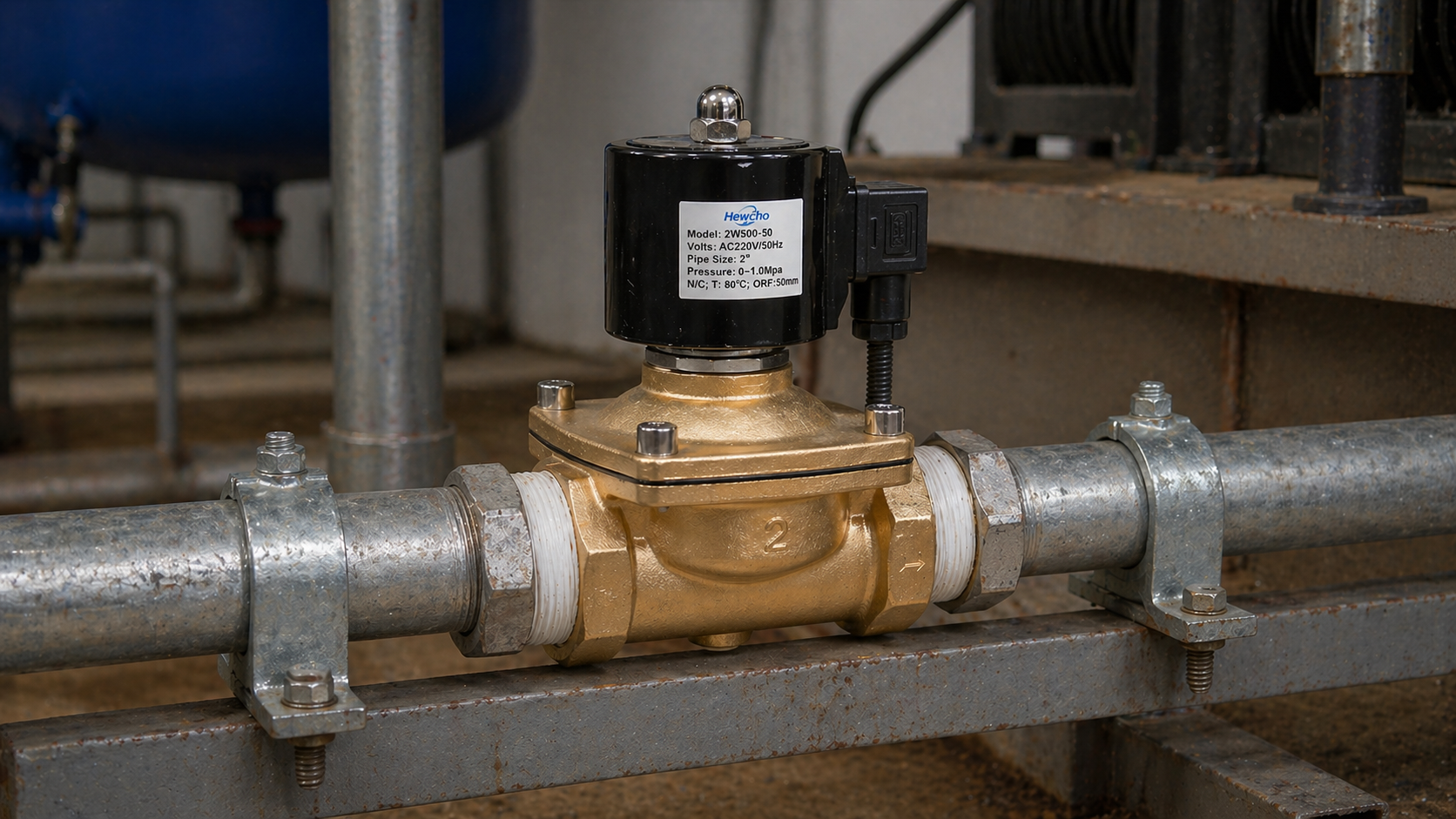
- Custom coil nameplates featuring your brand name, part numbers, and specific technical parameters.
- Customized packaging tailored to your brand colors and regional language requirements.
When end-users need to reorder a replacement valve years later, your name and part number are the ones they will search for, guaranteeing repeat business.
4. Upgrading Internal Components for Niche Markets
Standard 2-way valves are built for standard environments. But what if your target market is the extreme cold of Eastern Europe, or the heavy chemical processing plants of Southeast Asia?
Through OEM services, you can dictate the exact Bill of Materials (BOM). You can request that the factory swap standard NBR seals for ultra-low-temperature PTFE, or upgrade standard 304 stainless steel internal springs to 316L for enhanced corrosion resistance. By building a “customized” valve specifically for your niche market, you eliminate your competition, as standard suppliers cannot meet those exact specifications.
The Bottom Line
Sourcing fluid control components shouldn’t mean compromising on your engineering or marketing goals. By leveraging OEM and ODM customization for your 2-way solenoid valves, you transform a basic commodity into a proprietary asset.
Are you looking to scale your brand with reliable, customized 2-way fluid control solutions? Contact our engineering and export team today to discuss your OEM requirements.