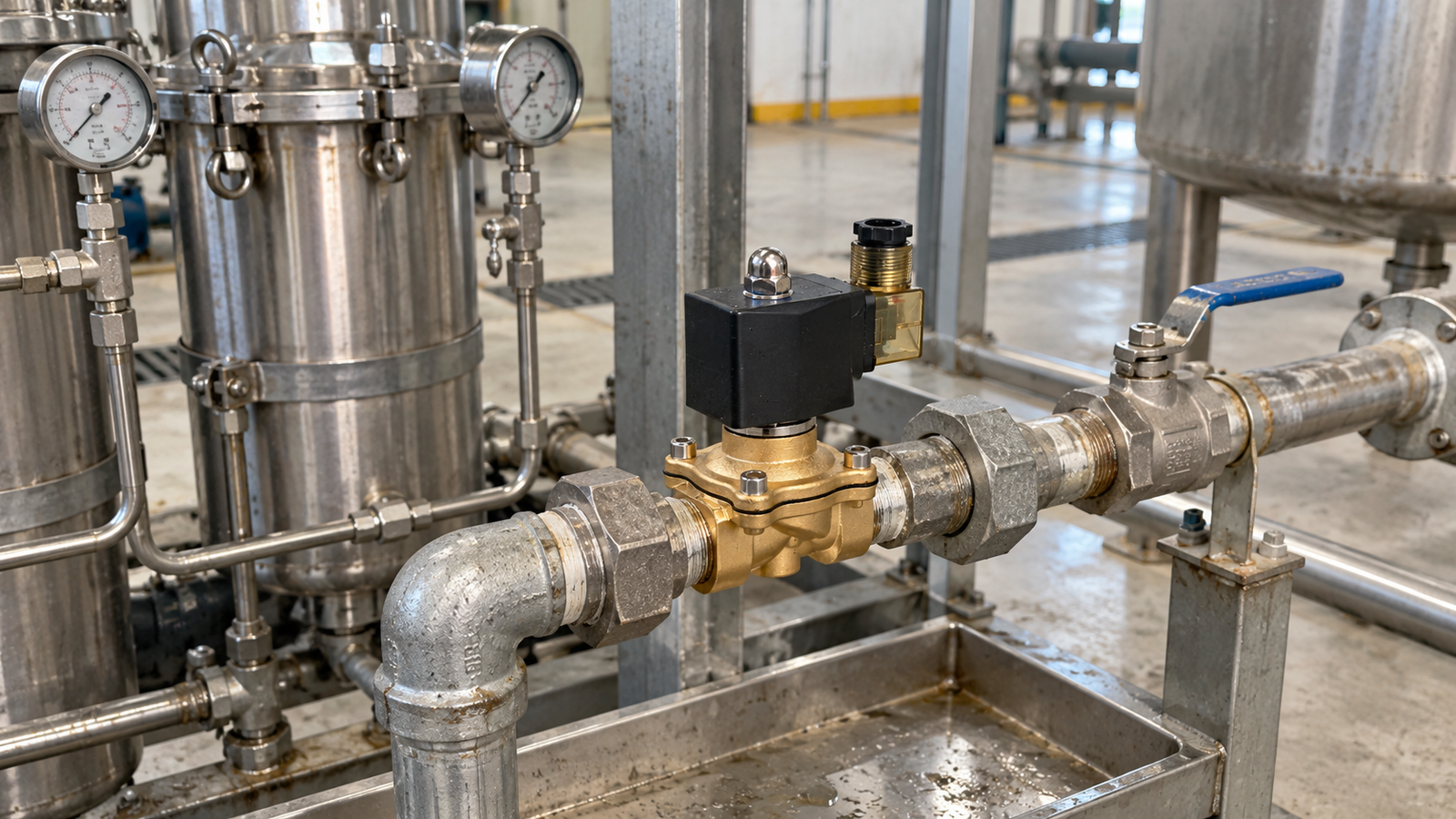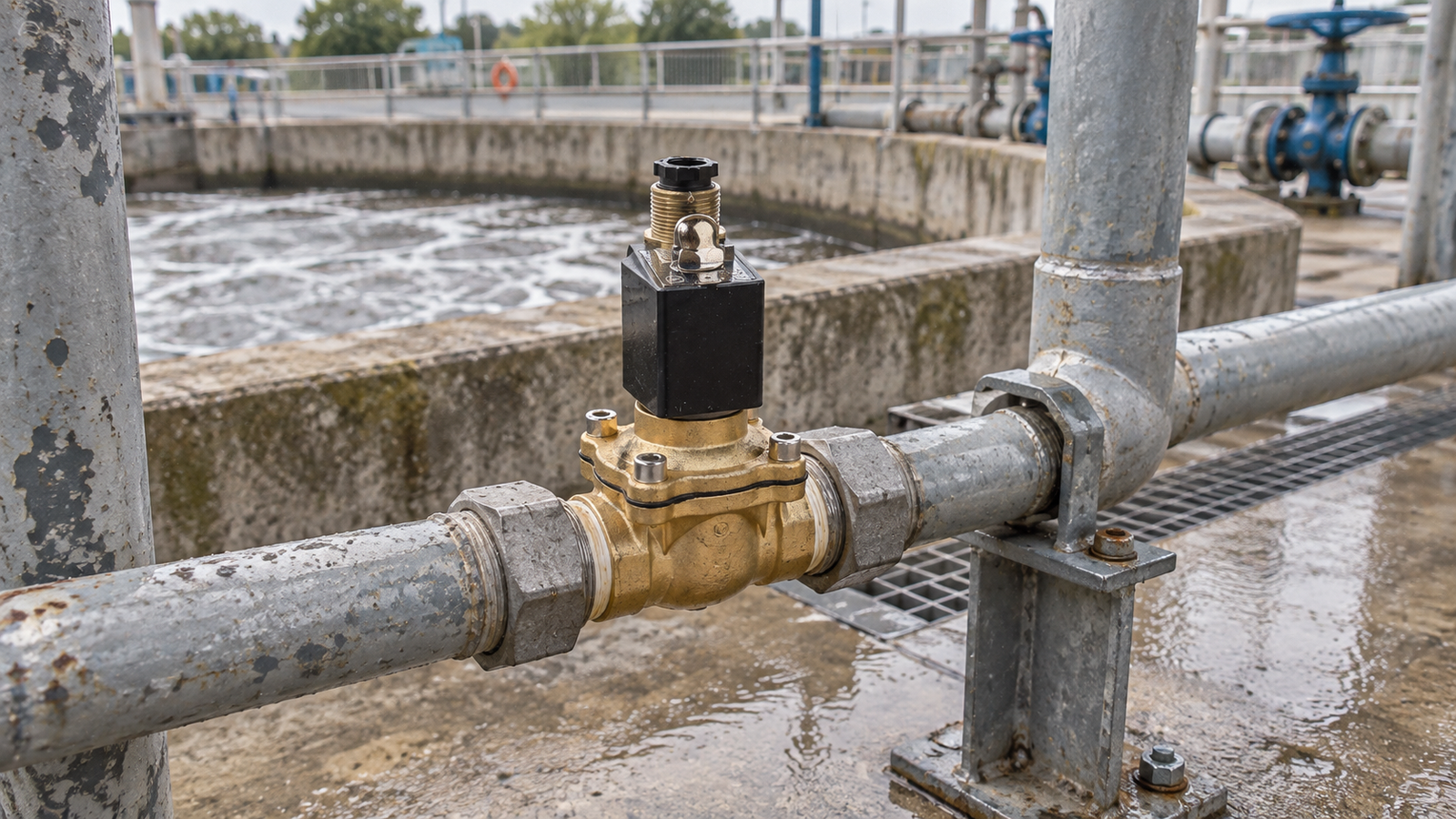
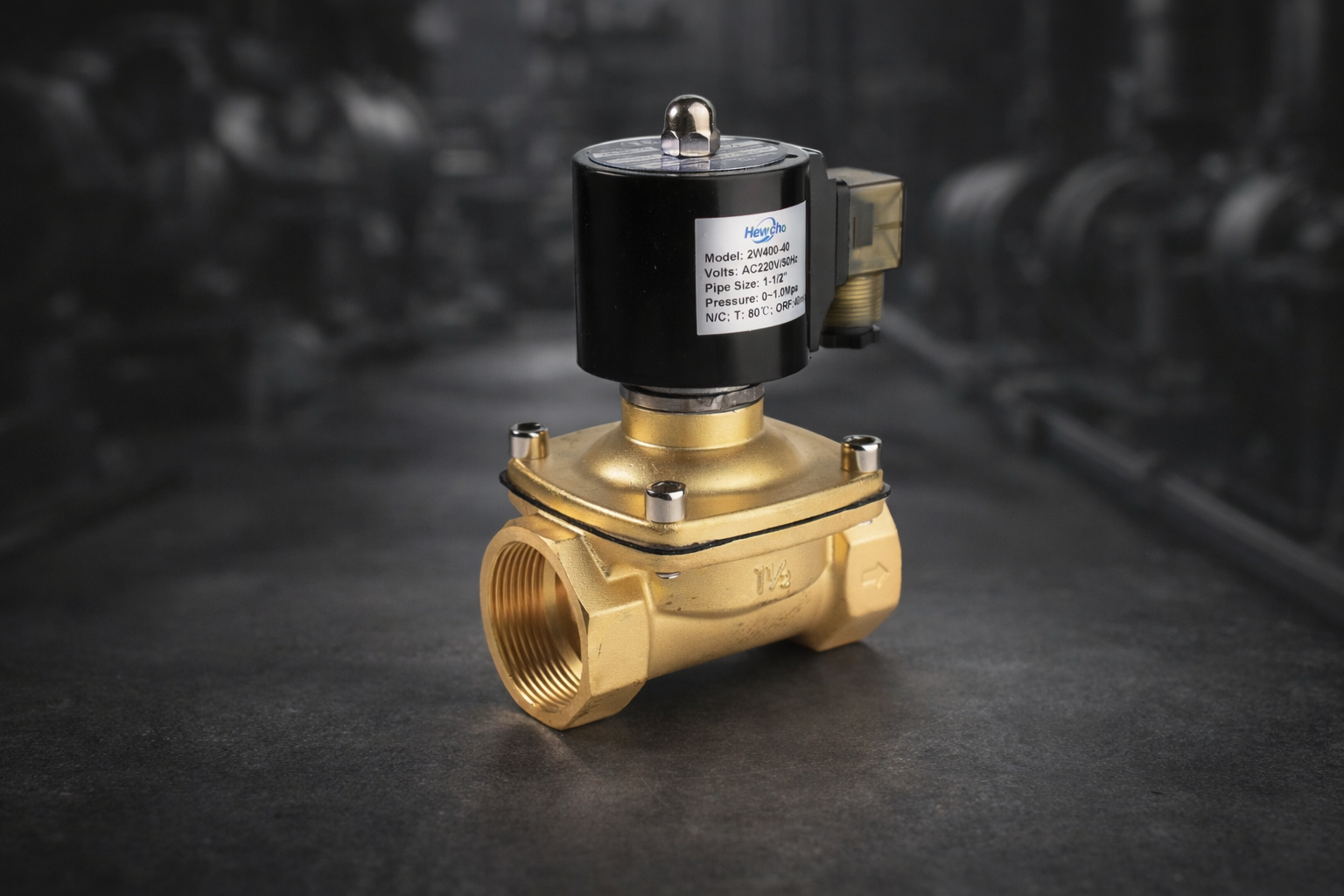
In industrial fluid control, one of the most critical technical decisions an engineer must make is selecting the internal mechanism of a solenoid valve. While they may look identical from the outside, Direct-Acting and Pilot-Operated (also known as Indirect-Acting) valves function very differently. Choosing the wrong type often results in a valve that refuses to open or fails to close properly.
Understanding these mechanical differences is key to optimizing system performance and ensuring long-term reliability.
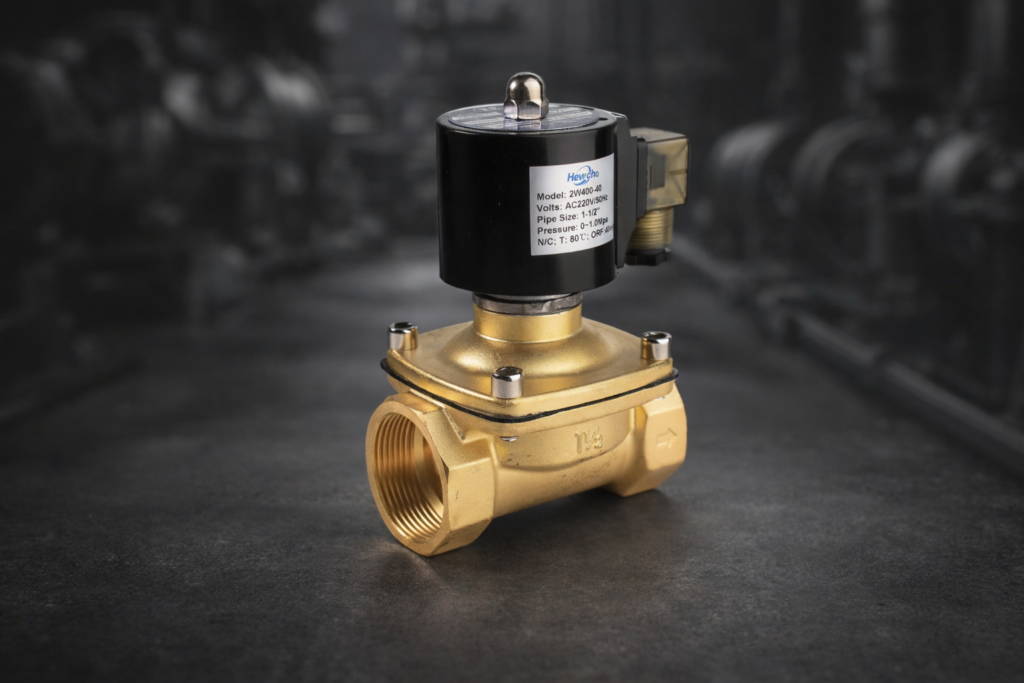
1. Direct-Acting Solenoid Valves: Simplicity and Precision
In a direct-acting valve, the solenoid plunger is mechanically connected to the valve disc. When the coil is energized, the magnetic force lifts the plunger, directly opening the orifice.
- Zero Pressure Operation: The biggest advantage of direct-acting valves is that they do not require a minimum pressure differential to operate. They can function from 0 bar up to their maximum rated pressure.
- Ideal Applications: These are perfect for vacuum systems, low-pressure gravity feed lines, and small-scale dosing systems.
- Limitations: Because the coil must overcome the full force of the line pressure to lift the plunger, these valves are typically limited to smaller orifice sizes (usually under 25mm). To handle higher pressures in larger sizes, the coil would need to be impractically large and energy-intensive.
2. Pilot-Operated Solenoid Valves: Efficiency at Scale
Pilot-operated valves do not use the magnetic force of the coil to open the main flow path. Instead, the solenoid controls a tiny “pilot” hole. When the pilot opens, it creates a pressure imbalance across a diaphragm or piston, using the energy of the fluid itself to lift the main seal.
- High Flow, Low Power: These valves can handle very large volumes of fluid and high pressures while using a relatively small, energy-efficient coil.
- The Pressure Requirement: The most critical factor to remember is that pilot-operated valves require a minimum pressure differential (typically 0.3 to 0.5 bar) to function. If the pressure in the line is too low or equalizes, the valve will stay closed or “flutter.”
- Ideal Applications: These are the workhorses of high-volume water systems, irrigation, industrial cooling, and large-scale compressed air systems.
3. Key Comparison: At a Glance
| Feature | Direct-Acting | Pilot-Operated |
| Minimum Pressure | 0 Bar (Starts at zero) | Requires 0.3 – 0.5 Bar |
| Flow Rate | Low to Medium | High to Very High |
| Response Time | Extremely Fast | Slightly Slower |
| Common Use Case | Vacuum, Laboratory, Dosing | Water Supply, Irrigation, HVAC |
4. Making the Right Choice
To determine which valve your project requires, ask yourself two questions:
- What is my minimum operating pressure? If your system relies on gravity or a low-pressure pump that might drop near zero, you must use a direct-acting valve.
- What is the required flow rate? If you need to move large amounts of water or air through a 2-inch pipe, a pilot-operated valve is the only cost-effective and energy-efficient solution.
Summary
Misunderstanding the “Minimum Pressure” requirement is the number one cause of support calls in the valve industry. By matching the valve mechanism to your system’s pressure profile, you ensure a smoother installation and a significantly longer service life for your equipment.