In any industrial automation system, the solenoid valve is a vital component. While these valves are designed for millions of cycles, they are not immune to the harsh realities of industrial environments. When a valve fails, it can lead to costly downtime, safety risks, and lost productivity. Understanding the root causes of failure—and knowing how to diagnose them quickly—is essential for maintaining a high-performance fluid control system.
Below is a technical breakdown of the most common solenoid valve issues and the steps required to resolve them.
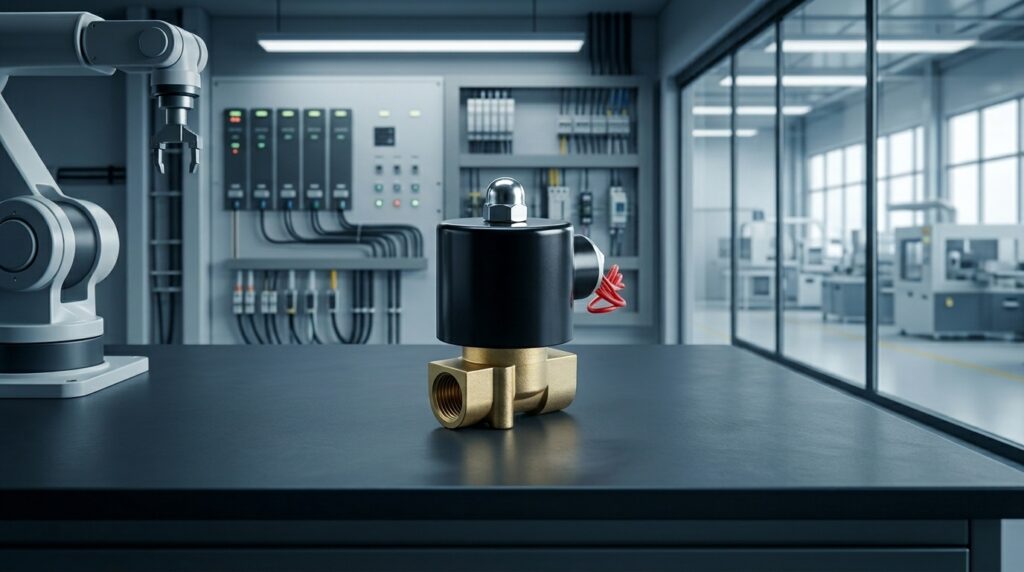
1. The Valve Fails to Open
When a valve refuses to actuate, it is usually due to either an electrical issue or a mechanical blockage.
- Check the Power Supply: Use a multimeter to verify that the voltage reaching the coil matches the specifications on the nameplate. Even a 10% drop in voltage can prevent the magnetic field from being strong enough to lift the plunger.
- Burned-Out Coil: If the coil is cold to the touch or smells scorched, it may have burned out. This is often caused by a short circuit or by applying the wrong voltage.
- Pressure Differential Issues: For pilot-operated valves, if the inlet pressure is lower than the required minimum (often 0.3–0.5 bar), the valve will not open even if the coil is energized. Ensure your system pressure meets the valve’s mechanical requirements.
- Mechanical Blockage: Debris or scale can lodge in the orifice or around the plunger tube. Dismantling the valve and cleaning the internal components often restores function.
2. The Valve Fails to Close or Leaks Internally
A valve that stays partially open is often more dangerous than one that won’t open at all. This “weeping” or “internal leakage” is almost always a mechanical or contamination issue.
- Contamination on the Seat: Even a tiny grain of sand or a shard of metal can prevent the diaphragm or seal from seating properly. This is the #1 cause of leakage.
- Worn Seals: Over time, elastomers like NBR or Viton can harden or crack due to chemical exposure or extreme temperatures. If the seal is pitted or deformed, it must be replaced.
- Residual Magnetism: In rare cases, the plunger can become slightly magnetized or “sticky” due to a build-up of old grease or oil, preventing it from dropping back into the closed position when the power is cut.
- Manual Override Engagement: Check if the manual override (if equipped) has been left in the “open” position by maintenance staff.
3. Excessive Noise (Buzzing or Chattering)
While a slight click is normal during actuation, a loud humming or rapid chattering indicates a problem that will eventually lead to mechanical failure.
- AC Hum: In AC-powered valves, a “shading ring” is used to stabilize the magnetic field. If this ring is broken or corroded, the valve will vibrate at 50/60Hz. This requires replacing the plunger or the entire valve.
- Pressure Fluctuations: Chattering often occurs when there is a significant pressure drop at the inlet or a back-pressure issue at the outlet. This causes the diaphragm to “flutter” as it struggles to find an equilibrium point.
- Incorrect Current: Using a DC coil on an AC circuit (or vice versa) will cause immediate noise and rapid coil failure.
4. Coil Burnout and Overheating
A solenoid coil should be warm, but it should never be too hot to touch.
- Internal Shorting: Moisture ingress is the primary enemy of solenoid coils. If the IP rating is insufficient for the environment (e.g., using an IP65 coil in a high-pressure wash-down area), water will eventually bridge the windings and cause a short.
- Stuck Plunger: If the plunger is mechanically stuck in the “open” position due to debris, the coil will continue to draw “inrush current” instead of dropping to “holding current.” This extra heat will eventually melt the internal insulation and destroy the coil.
Preventive Maintenance Best Practices
To avoid these failures, we recommend two simple practices:
- Install a Y-Strainer: Placing a 40-mesh or 80-mesh strainer upstream will catch 90% of the debris that causes valve failure.
- Ensure Dry Air/Clean Fluid: If using pneumatic valves, ensure your air lines are equipped with dryers and lubricators where necessary to prevent corrosion inside the plunger tube.
By identifying these symptoms early, you can move from reactive repairs to a proactive maintenance strategy, significantly extending the lifespan of your industrial valves.