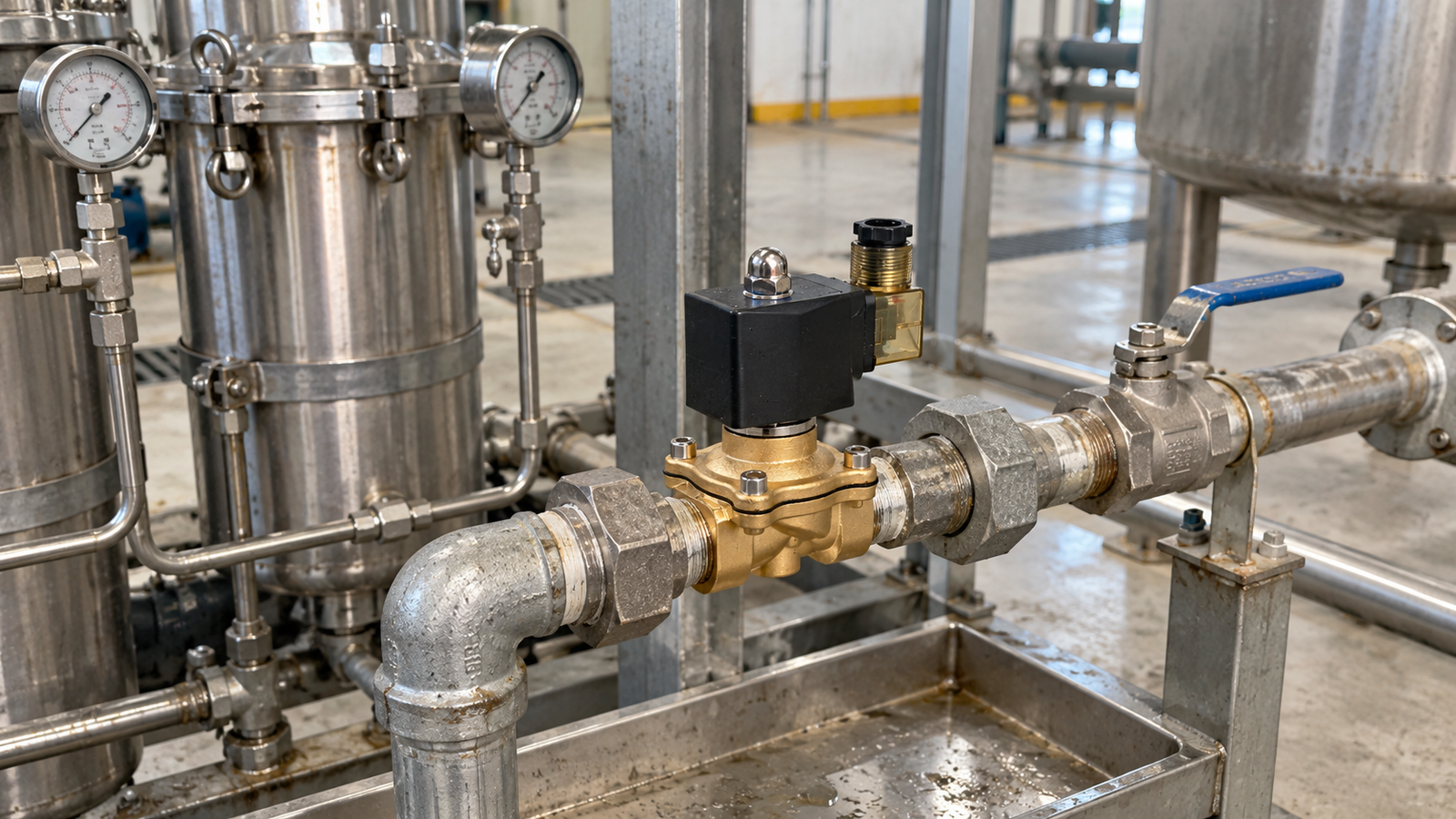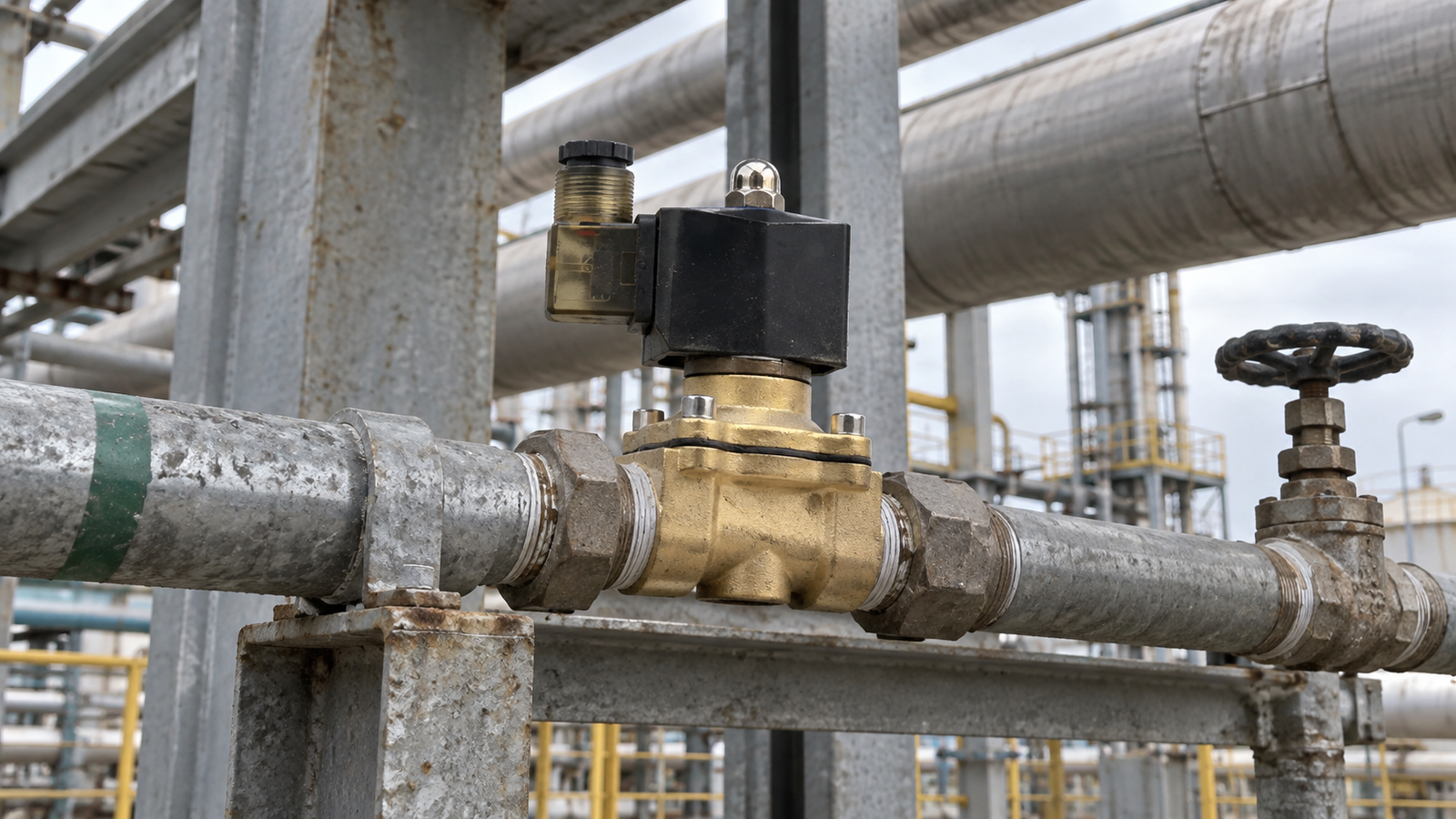
Water treatment plants depend on utility lines that must respond consistently while exposed to moisture, changing flow demand, cleaning routines, and long operating hours. A solenoid valve provides a compact way to turn an electrical signal into controlled movement of air, gas, water, liquid, or other compatible low viscosity media. Its value is greatest when the valve is selected with the real process conditions in mind and then supported by a repeatable service routine. The following framework helps operators and maintenance teams improve reliability without relying on a rushed replacement decision.
Begin with the utility line, not the valve label
Before choosing or servicing a valve, describe the line in practical terms. Record the medium, normal and maximum pressure, temperature range, flow demand, pipe connection, available voltage, and the number of expected operating cycles. Water treatment equipment can have several nearby lines with very different duties. A clean water branch, an air purge line, and a chemical support line may look similar from the outside while requiring different sealing and body materials.
Fluid behavior also matters. Water is usually easy to describe, but a liquid containing suspended solids, treatment additives, or a small amount of oil can change the way internal surfaces and seals behave. Viscosity affects response and flow. Temperature affects seal flexibility and the long term condition of elastomers. Keep the operating record with the maintenance documentation so that a future technician can compare actual conditions with the original selection assumptions.
Match the operating function to the process
A solenoid valve can be arranged to remain closed or open when the coil is not energized. The correct choice depends on the consequence of losing power and on the safe position required by the process. For a drain, isolation, or dosing support line, the preferred safe state may differ from that of a cooling or rinse line. Discuss the power failure scenario with the process owner before installation. The valve should support the plant response plan rather than create a new hazard during an interruption.
Direct acting operation is useful where the electrical command directly moves the internal closing element. It can provide a straightforward control arrangement for suitable pressure and flow conditions. The key is to confirm that the actual differential pressure and required flow fall within the supplier documentation. A valve that is electrically compatible may still respond poorly if the pressure conditions, medium, or expected cycle rate are outside its intended range.
Choose materials through compatibility evidence
Brass and stainless steel bodies are common choices for compact industrial fluid control. Body selection should consider corrosion exposure, water quality, cleaning chemicals, outdoor installation, and the strength required by the connection. A protected indoor utility skid and a wet treatment area do not create the same environment. Inspect nearby fittings and pipe supports as well, because galvanic effects, trapped moisture, or mechanical loading can shorten the life of the complete assembly.
Sealing material deserves the same attention. NBR, EPDM, and VITON each have different compatibility characteristics. A seal that performs well with ordinary water may not be the best choice for hot water, acidic cleaning fluid, alkaline media, or oil containing liquid. Review the supplier temperature and media guidance, then document the selected seal with the work order. Avoid identifying a replacement by appearance alone. Small differences in elastomer choice can affect leakage, friction, and service life.
Make installation repeatable
Clean installation is one of the least expensive reliability improvements. Flush or blow through the pipe before fitting the valve so that metal chips, thread compound, rust, and scale do not enter the passage. Observe the indicated flow direction and keep the body accessible for inspection. Support the pipe independently so that the valve does not carry the weight of a long or misaligned run. Tighten the connection with controlled force. Excessive tightening can damage threads or distort the body, while insufficient tightening can produce a slow leak.
Electrical work should receive the same discipline. Confirm that the available supply matches the coil requirement, including the difference between alternating and direct current. Protect wiring from standing water, vibration, chemical splash, and abrasion. Check terminals and cable entries before energizing the line. During commissioning, operate the valve in a controlled state and record response time, sound, leakage behavior, and downstream flow. This baseline becomes useful evidence when the equipment is later inspected.
Use inspections that reveal early change
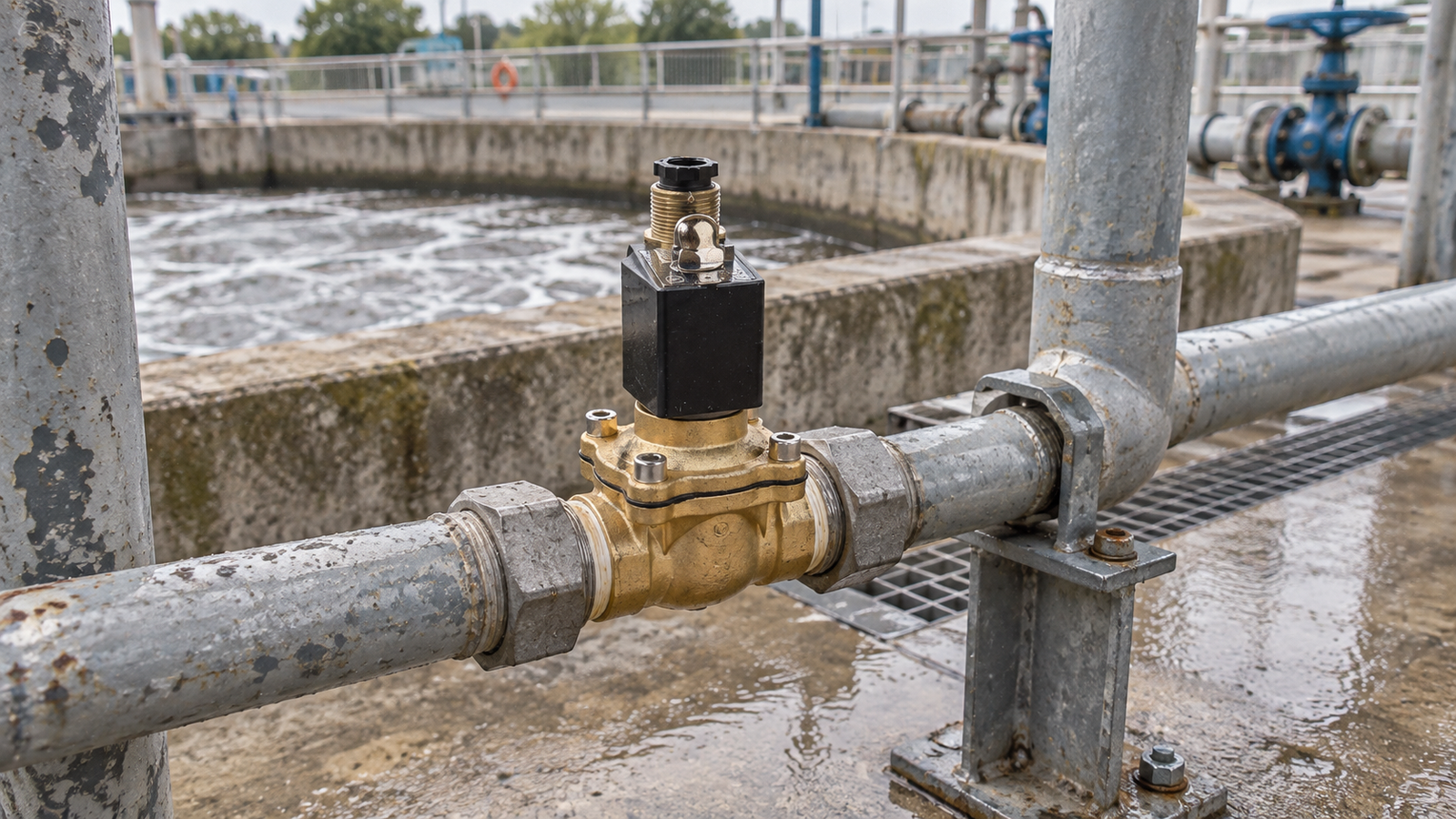
Daily or weekly operator checks should be brief and consistent. Look for external leakage, unusual coil noise, damaged insulation, loose fittings, corrosion, and a change in normal actuation. A valve may still open and close while taking longer to respond or requiring repeated commands. Those changes should be recorded before they become a production interruption. Compare the current sound and response with the commissioning record instead of relying on memory.
Planned maintenance should include safe isolation, pressure release, inspection of upstream filtration, and cleaning of accessible surfaces. If internal inspection is permitted, examine the passage and sealing surfaces for deposits, scratches, swelling, or hardening. Replace damaged seals with compatible parts and keep removed components when failure analysis may be useful. After reassembly, perform a leak check and a functional test under representative conditions. Record the medium, temperature, pressure, symptoms, work completed, and final result.
Diagnose faults in a logical order
If the valve does not respond, start with the process basics. Verify that the line is supplied, isolation points are open, and the control signal reaches the coil. Measure voltage under load because an unloaded reading can hide a weak supply. If the coil is energized, listen for the normal actuation sound and check for abnormal heat. No sound can indicate a wiring or coil problem. Humming or repeated chatter can point to unstable power, contamination, mechanical resistance, or an unsuitable operating condition.
If the valve actuates but flow is weak, check the upstream filter, pressure differential, flow direction, and passage for debris. Reconfirm the fluid temperature and viscosity. Do not repeatedly cycle a suspect valve without identifying the cause, because cycling can move contamination deeper into the working area. When the cause is uncertain, isolate the line, document the evidence, and involve the equipment supplier with the operating record.
Turn service records into better purchasing
For critical utility lines, store a small number of compatible spares in a clean and dry location. Protect them from impact, moisture, and extreme temperatures, and inspect packaging before installation. Define an escalation path so operators know when to isolate the line, call maintenance, or contact the supplier. A clear process reduces both downtime and the chance of installing an unverified substitute.
Build dependable water treatment operation
Reliable solenoid valve service comes from a connected set of habits: describe the line accurately, select the operating function deliberately, match body and seal materials to the medium, install cleanly, inspect early changes, and preserve useful records. These actions help water treatment teams control risk while keeping utility systems easy to understand. When process, electrical, and maintenance information stays together, each valve becomes a manageable part of the plant rather than an unknown source of interruption.