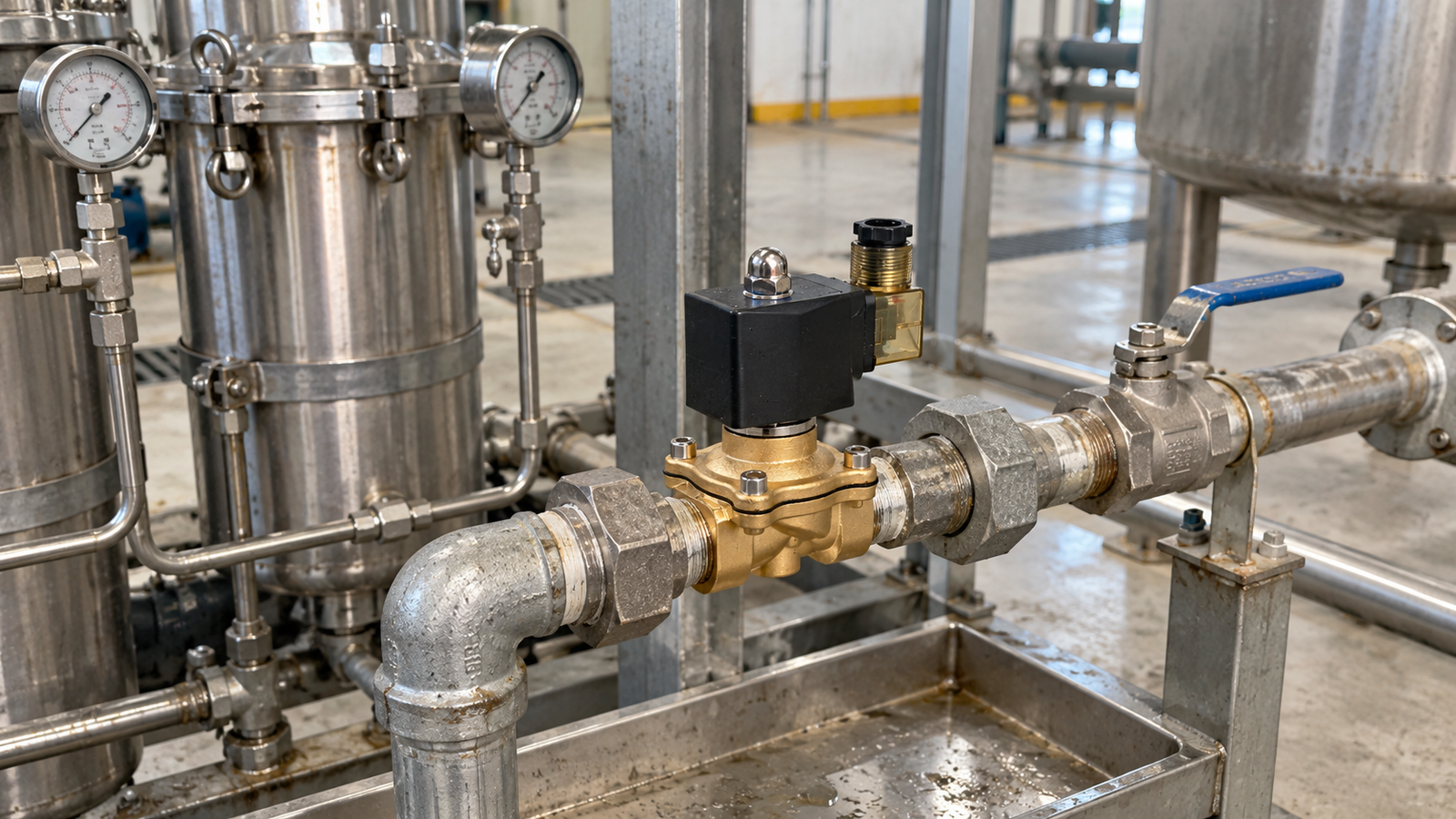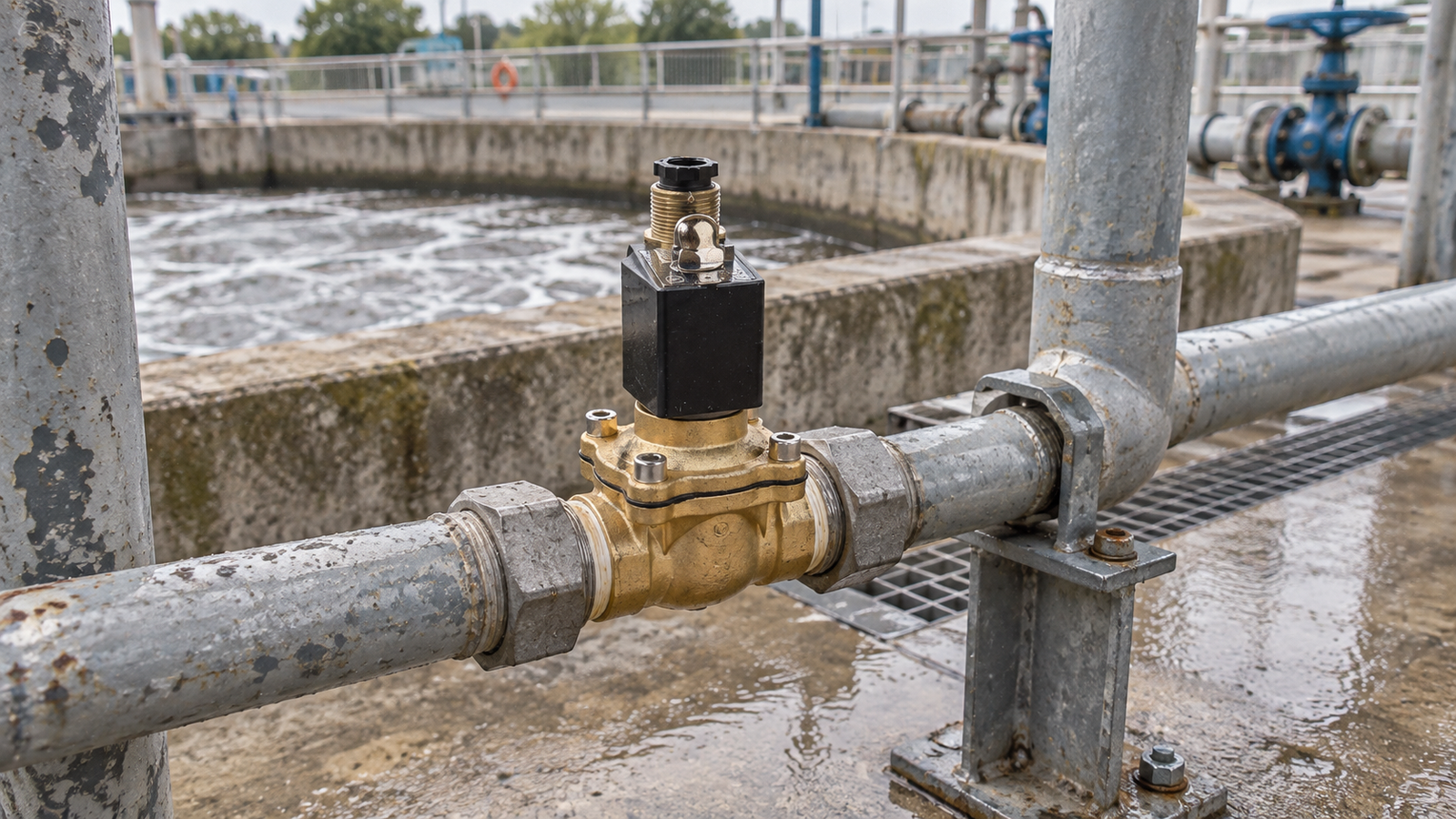
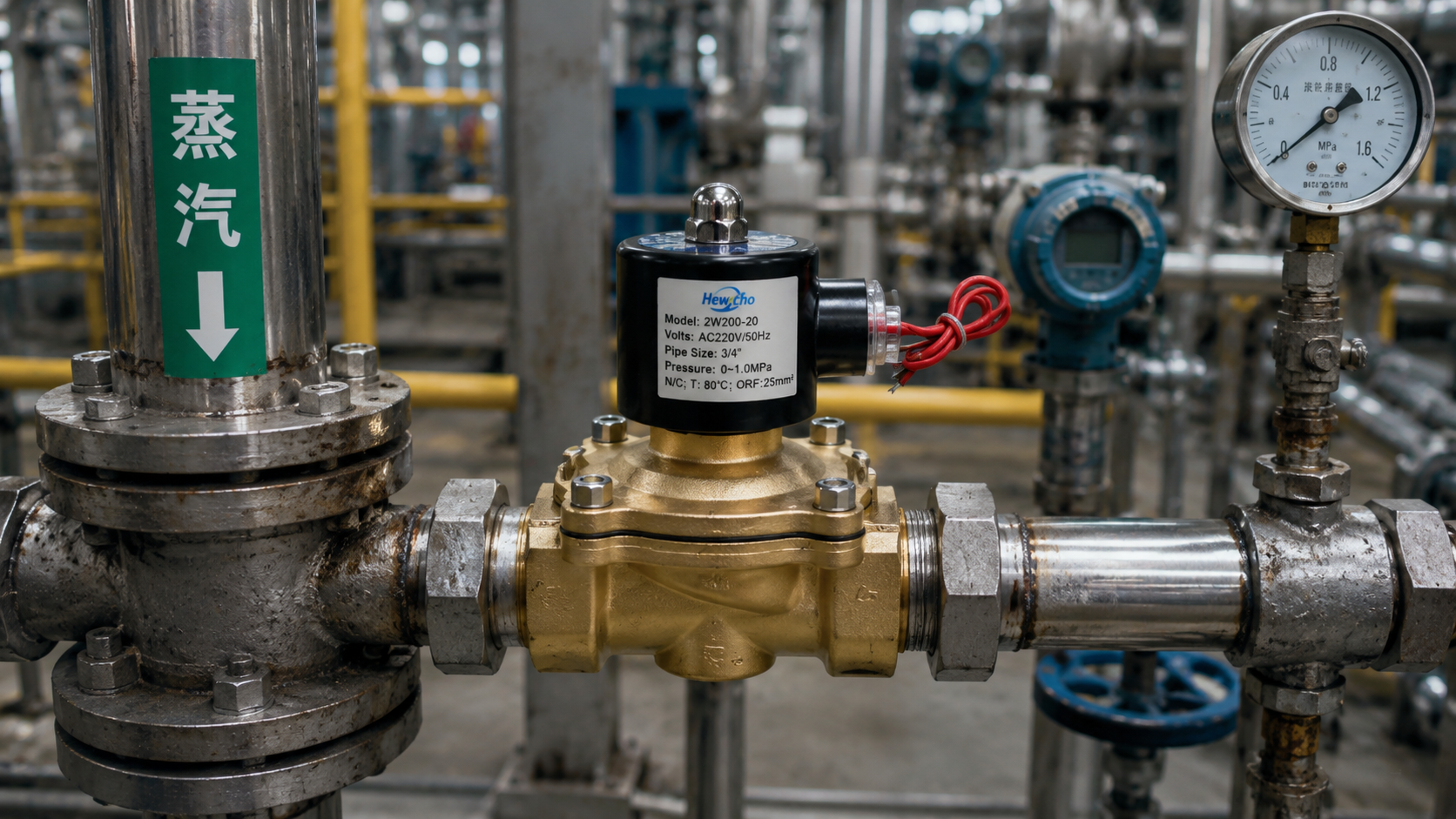
In the field of industrial fluid control, a 2-way solenoid valve is often judged by its external specs: port size, thread type, pressure rating, and coil voltage. However, the true gatekeeper of a valve’s reliability, chemical resistance, and lifespan is completely hidden from view: the internal elastomer seal.
The elastomer seal—whether in the form of a flexible diaphragm in a pilot-operated valve or a sealing pad on a direct-acting plunger—is the component that must physically compress against the valve seat to achieve a bubble-tight shutoff.
If you specify the wrong seal material for your application, the chemical properties or temperature of the fluid will rapidly cause the rubber to swell, blister, harden, or dissolve. This leads to immediate internal leakage or a jammed plunger.
For pipeline engineers, system integrators, and B2B buyers, understanding the technical differences between the three main industrial seal options—NBR, EPDM, and Viton (FKM)—is critical. Here is the engineering blueprint for selecting the right material for your 2-way solenoid valves.
1. NBR (Nitrile / Buna-N): The Industrial Workhorse
Nitrile Butadiene Rubber (NBR) is the most widely specified standard seal material for general-purpose 2-way solenoid valves.
- Chemical Compatibility: NBR is highly resistant to petroleum-based oils, hydraulic fluids, diesel fuel, water, and inert gases (like compressed air or nitrogen). It achieves its resistance due to its chemical composition, which prevents hydrocarbon molecules from infiltrating and swelling the rubber matrix.
- Temperature Range: Typically
$-10^\circ\text{C}$
$+90^\circ\text{C}$
$14^\circ\text{F}$
$194^\circ\text{F}$
- Best Applications: Factory air lines, standard water distribution, hydraulic circuits, and diesel fuel transfer skids.
- The Limitation: NBR has very poor resistance to ozone, weathering, and UV light, making it less ideal for exposed outdoor environments. Furthermore, it is rapidly degraded by polar solvents (like acetone), acids, and brake fluids.
2. EPDM (Ethylene Propylene Diene Monomer): The Hot Water and Acid Specialist
When your fluid circuit handles elevated temperatures or specialized chemicals, but lacks heavy oils, EPDM is the superior mechanical choice.
- Chemical Compatibility: EPDM features an exceptionally stable chemical backbone that makes it completely immune to oxidization, ozone, and UV degradation. It offers excellent resistance to hot water, steam, diluted acids, alkalis, and polar solvents.
- Temperature Range: Typically
$-20^\circ\text{C}$
$+130^\circ\text{C}$
$-4^\circ\text{F}$
$266^\circ\text{F}$
$+150^\circ\text{C}$
- Best Applications: Commercial laundry systems, HVAC heating loops, alkaline cleaning lines, and outdoor water purification skids.
- The Limitation (CRITICAL): EPDM has zero resistance to hydrocarbons. If a single drop of petroleum oil, gasoline, or diesel fuel enters an EPDM-sealed valve, the elastomer will absorb the oil like a sponge, swell significantly, and permanently jam the valve in the open or closed position.
3. Viton / FKM (Fluoroelastomer): The High-Temperature and Aggressive Chemical Shield
Viton (the brand name for Chemours’ fluoroelastomer, technically designated as FKM) is the premium sealing material used when a 2-way valve faces extreme heat and aggressive chemical media simultaneously.
- Chemical Compatibility: Thanks to the high concentration of fluorine atoms in its chemical matrix, FKM possesses incredibly strong molecular bonds. It is virtually impervious to aggressive chemicals, including synthetic compressor oils, gasoline, kerosene, benzene, concentrated acids, and chlorinated hydrocarbons.
- Temperature Range: Typically
$-10^\circ\text{C}$
$+180^\circ\text{C}$
$14^\circ\text{F}$
$356^\circ\text{F}$
- Best Applications: Air compressor auto-drains (handling synthetic oil condensate), chemical processing plants, oil refinery automation, and high-temperature fluid blending.
- The Limitation: While Viton handles an immense array of chemicals, it is highly vulnerable to steam and hot water, which can cause the polymer to hydrolyze and become brittle. Additionally, it performs poorly with ketones (like acetone) and organic acids.
Technical Selection Matrix for 2-Way Valve Seals
To simplify your procurement process, engineers can use this rapid selection matrix based on the primary fluid passing through the pipeline:
| Fluid Medium | Preferred Seal Material | Primary Reason | Avoid |
|---|---|---|---|
| Clean Water / Ambient Air | NBR | Cost-effective, reliable standard shutoff | Ketones, Strong Acids |
| Hot Water / Light Steam | EPDM | High thermal resilience, ozone stable | Petroleum, Oils |
| Oils / Fuels / Condensate | Viton (FKM) | High hydrocarbon and chemical resistance | Steam, Acetone |
| Aggressive Solvents | PTFE (Teflon) | Note: Used for extreme chemicals where rubber fails | Low-pressure sealing |
The Bottom Line
A 2-way solenoid valve is only as dependable as the elastomer inside it. When sourcing valves for your automation projects, always require the manufacturer or distributor to specify the exact seal material included. By matching NBR, EPDM, or Viton to the specific chemical and thermal profile of your system fluid, you prevent premature seal decay, eliminate pipeline leakage, and guarantee years of trouble-free automated control.