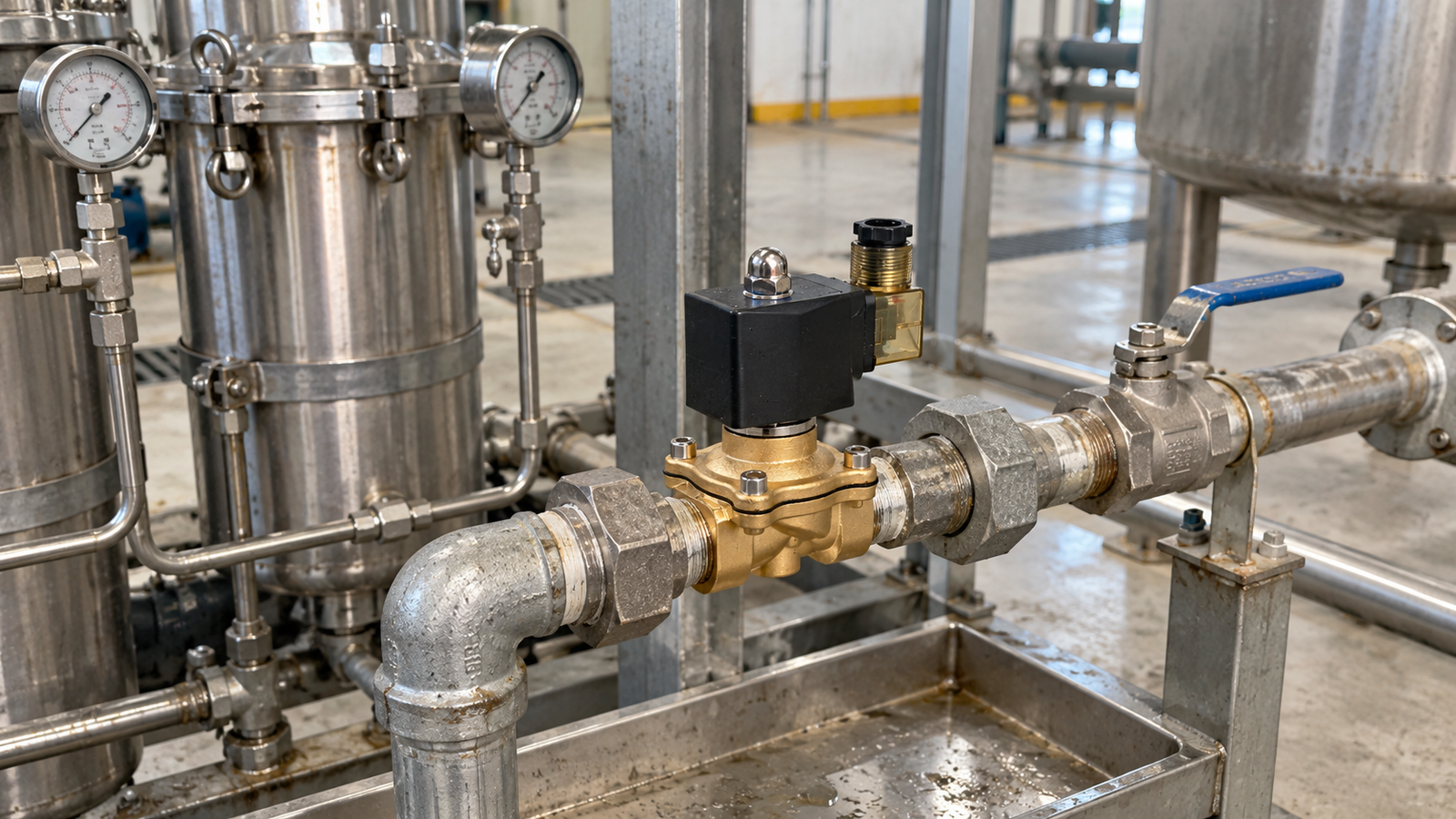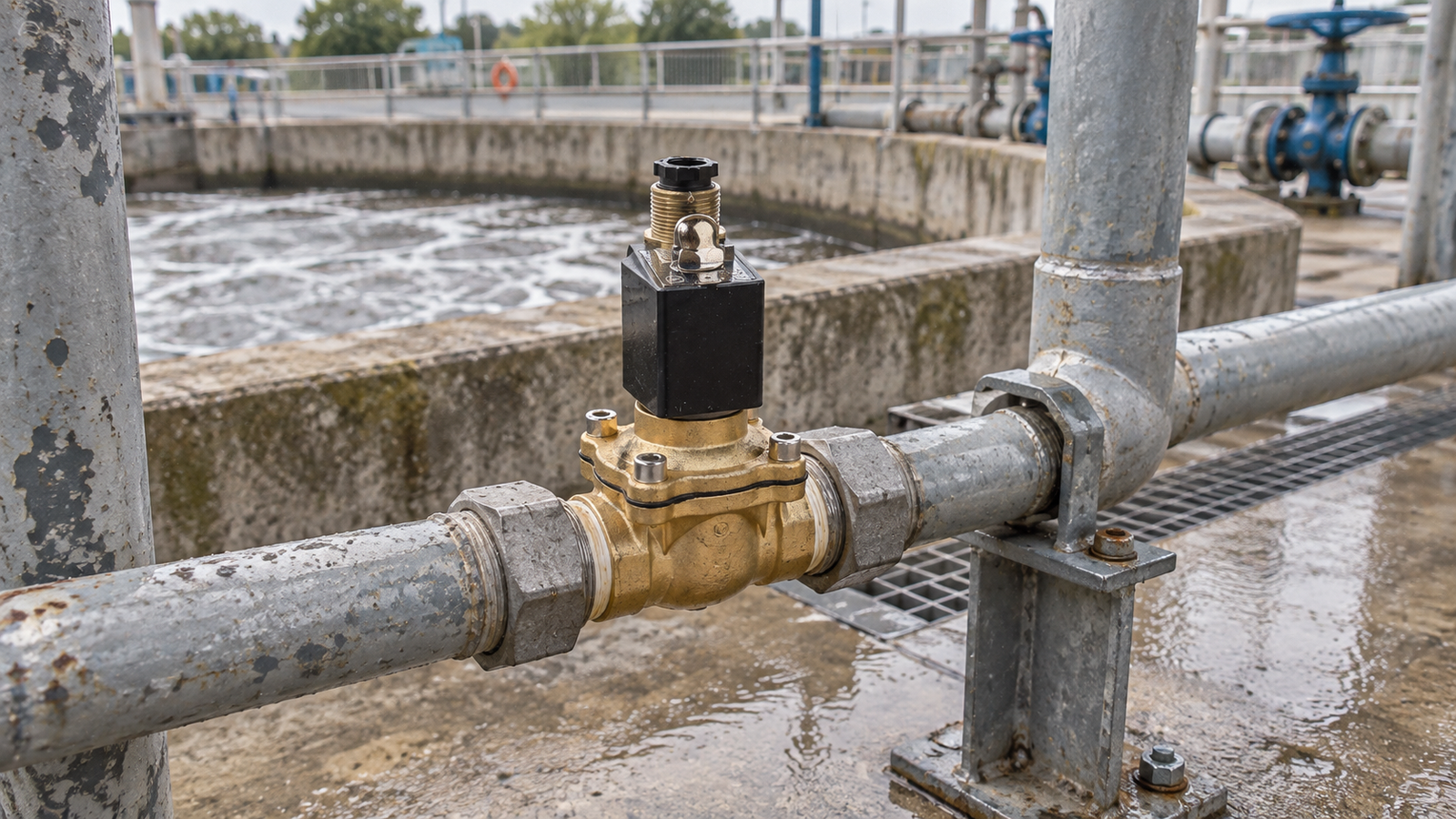
If you operate a fluid control system, you have likely heard it: a loud, startling “bang” echoing through the pipes when a valve shuts off. While it might just sound like a noisy nuisance, this phenomenon—known as water hammer—is actually a destructive force that can severely damage your infrastructure over time.
For plant managers and engineers, understanding why water hammer occurs in solenoid valve systems and knowing how to prevent it is essential for protecting your equipment and avoiding catastrophic leaks.
What is Water Hammer?
Water hammer, technically referred to as hydraulic shock, occurs when a fluid in motion is forced to stop or change direction suddenly.
Water is practically incompressible. When it is flowing rapidly through a pipe and a valve snaps shut, the kinetic energy of the moving water has nowhere to go. This energy instantly converts into a massive pressure spike that travels backward through the piping system at the speed of sound. This shockwave creates the signature “banging” noise and stresses every joint, seal, and component in its path.
Why Solenoid Valves are Susceptible
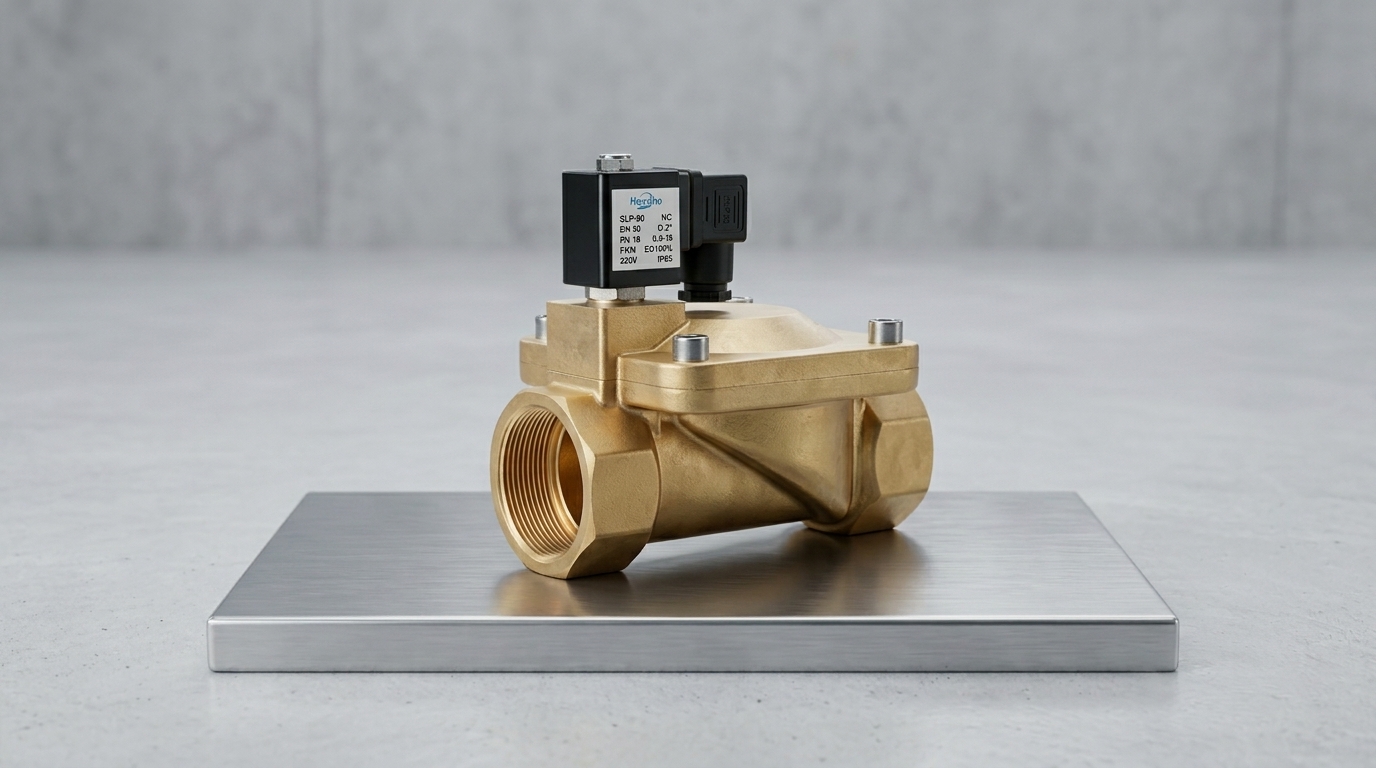
The primary advantage of a direct-acting or semi-direct acting solenoid valve is its response time. When the electrical current is cut, the internal spring forces the plunger and seal down almost instantaneously—often in a fraction of a second.
While this rapid shut-off is exactly what is needed for precise dosing or quick emergency stops, it is the exact trigger for water hammer. The faster a valve closes, the more severe the resulting hydraulic shock will be.
The Cost of Ignoring Hydraulic Shock
Allowing water hammer to persist in your system is a guaranteed way to shorten the lifespan of your components. The repeated pressure spikes can lead to:
- Ruptured Pipes and Blown Fittings: The pressure spike can easily exceed the burst rating of the piping material, especially at elbows and joints.
- Damaged Solenoid Valves: The shockwave can deform the valve’s internal components, destroy the sealing elastomers (like NBR or EPDM), or even crack the brass or stainless steel valve body.
- Destroyed Instrumentation: Sensitive inline equipment, such as pressure gauges and flow meters, can be permanently recalibrated or destroyed by a single severe pressure spike.
Proven Strategies for Prevention
Fortunately, water hammer can be entirely mitigated with the right system design and component selection. Here are the most effective solutions:
1. Reduce Flow Velocity
The severity of water hammer is directly proportional to the speed of the fluid. By increasing the diameter of your pipes, you can maintain the same total volume of flow while significantly reducing the fluid’s velocity. A slower-moving fluid carries less kinetic energy, resulting in a much softer impact when the valve closes.
2. Install Water Hammer Arrestors
A water hammer arrestor (or hydro-pneumatic accumulator) acts as a shock absorber for your pipes. These devices contain a pressurized air chamber separated by a diaphragm or piston. When the pressure spike hits, the air compresses, absorbing the shockwave and dissipating the energy before it can damage the system. These should be installed as close to the solenoid valve inlet as possible.
3. Use Slow-Closing Solenoid Valves
If rapid shut-off is not strictly required for your process, consider switching to a specially designed slow-closing solenoid valve. These are often pilot-operated valves engineered with restricted pilot orifices, which intentionally delay the closing of the main diaphragm. By increasing the closing time from milliseconds to a few seconds, the fluid decelerates gradually, eliminating the shockwave entirely.
Conclusion
Water hammer is not an unavoidable quirk of fluid systems; it is an engineering challenge with clear solutions. By carefully considering pipe sizing, utilizing arrestors, or selecting the appropriate slow-closing solenoid valves, you can eliminate hydraulic shock, reduce maintenance costs, and significantly extend the operational life of your facility.